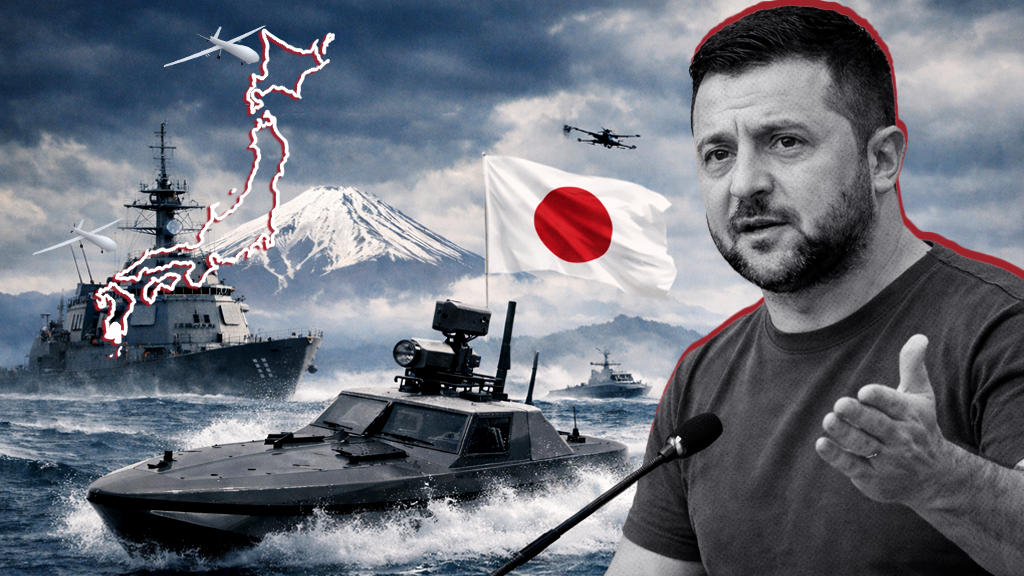
Ukraine Offers Its Battlefield Experience
Ukrainian President Volodymyr Zelensky has said that Kyiv is ready to deepen defence cooperation with Japan by sharing technology and exploring joint manufacturing projects. Speaking in an interview with a Japanese news agency, Zelenskyy noted that Japan already produces or licenses advanced missile and air defence systems capable of countering ballistic threats.
He stressed that Ukraine is willing to exchange expertise gained from the war, particularly in areas such as air defence, missile interception and unmanned systems. Among the technologies highlighted were naval drones, which Ukraine has used extensively to protect its coastline and strike Russian forces at sea.
According to Zelensky, Ukraine’s experience in modern warfare has created practical knowledge that could be useful for partners facing similar security challenges.
Japan’s Cautious Defence Policy
Japan has so far avoided sending weapons directly to Ukraine due to long-standing legal and political restrictions on arms exports to countries involved in active conflicts. Instead, Tokyo has focused on financial and humanitarian assistance, providing support for reconstruction, energy infrastructure, and government operations.
Japan has also participated in international support frameworks by contributing non-lethal equipment and logistical aid. A notable shift occurred in late 2025, when Japan transferred Patriot interceptor missiles from its own stockpiles to the United States. This move allowed Washington to continue supporting Ukraine without weakening its own reserves.
Under Prime Minister Sanae Takaichi, Japan is now debating whether to further relax restrictions on exporting lethal weapons to Kyiv, a step that would mark a significant change in its post-war defence posture.
Against this backdrop, Zelenskyy’s comments are widely seen as an effort to strengthen strategic ties with Tokyo at a time when Japan is reassessing its security role.
Why Naval Drones Matter to Japan
Ukraine’s naval drones have transformed the naval balance in the Black Sea, even though Kyiv entered the war with a limited conventional navy. These small, unmanned vessels have been used to strike Russian warships and restrict their operations near Ukrainian waters.
Japan faces a different but related challenge. With long coastlines, a vast exclusive economic zone, and strategically important islands near the East China Sea and Taiwan, it must prepare for potential maritime threats, particularly from larger naval powers.
Ukrainian-style sea drones offer a low-cost way to deny hostile ships access to sensitive areas. By creating dangerous zones for enemy vessels, such systems could supplement Japan’s traditional fleet and reduce dependence on large, crewed warships.
Japan is already developing its own unmanned surface vessels through military research agencies and domestic defence manufacturers. Ukraine’s combat experience could help refine these efforts and accelerate practical deployment.
How Ukraine Changed Naval Warfare
Despite lacking a traditional blue-water navy, Ukraine has turned small, domestically built unmanned boats into one of its most effective weapons. These vessels carry out reconnaissance and surveillance missions, but their most dramatic use has been in direct attacks on Russian ships.
Between 2023 and 2024, Ukrainian drones damaged several intelligence and support vessels and struck high-value targets in the Black Sea. In early 2024, a Magura-class drone reportedly sank a missile corvette and a large landing ship, marking the first time unmanned surface vessels destroyed enemy warships in combat.
Later that year, Ukraine claimed another breakthrough when it shot down a Russian military helicopter using a missile fired from a sea drone near Crimea. The incident was described by Ukrainian officials as a milestone in modern warfare.
By the end of 2025, Ukraine announced that it had carried out the world’s first underwater drone strike on a Russian diesel-electric submarine in the port of Novorossiysk using a system known as the “Sub Sea Baby.”
Ukrainian officials estimate that roughly one-third of Russia’s Black Sea Fleet has been sunk or severely damaged during the conflict.
Global Military Interest
The success of Ukraine’s naval drones has attracted the attention of military planners around the world. Countries including the United States, China, Taiwan and Japan are closely studying how inexpensive, unmanned platforms have been able to neutralise far more expensive warships.
The broader lesson is that future naval warfare may depend less on large fleets and more on swarms of autonomous systems capable of overwhelming defences at low cost.
Zelenskyy has presented Ukraine’s experience as a resource to be shared. He has pointed to other areas of cooperation as well, including cybersecurity, interceptor drones, and managing energy and critical infrastructure during wartime crises.
A Message Beyond Europe
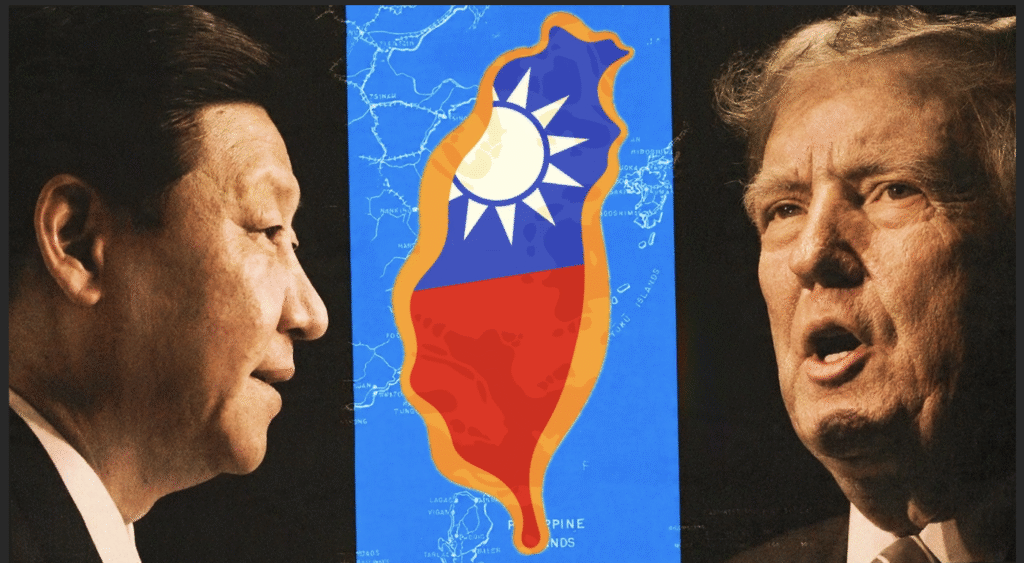
Although Zelenskyy’s remarks were directed at Japan, the implications reach far beyond Europe. As tensions rise in the Indo-Pacific, particularly around Taiwan, Ukraine’s methods offer a model of asymmetric defence against larger naval powers.
For Japan, cooperation with Ukraine could provide valuable real-world insights into modern maritime warfare. For Ukraine, it strengthens partnerships in Asia and reinforces its image as a testing ground for next-generation military technology.
Whether this cooperation will evolve into formal joint production remains uncertain. But the signal from Kyiv is clear: the tools that pushed back Russia’s navy could one day help shape security far beyond the Black Sea.