An Energy Policy Sold as Protection
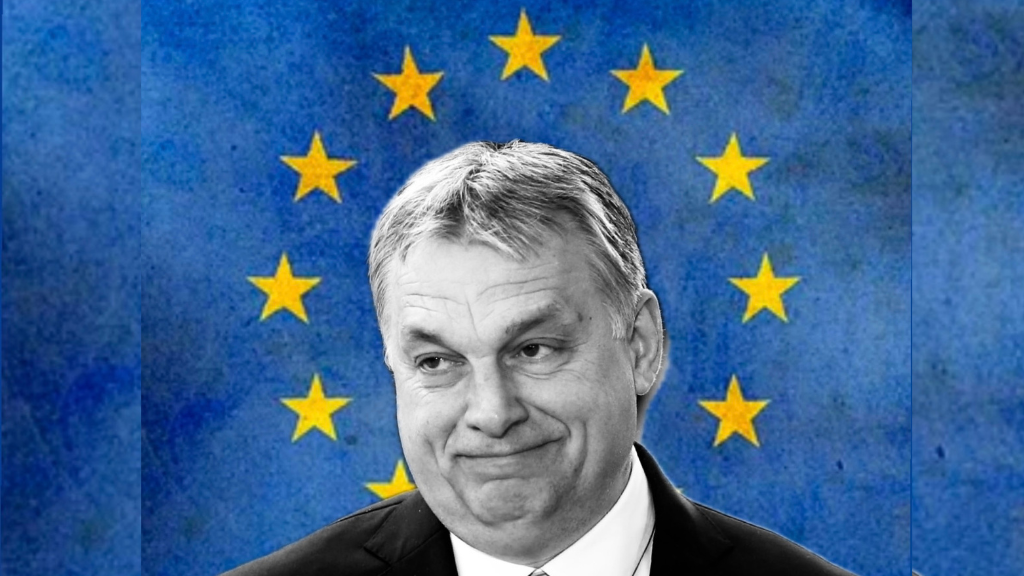
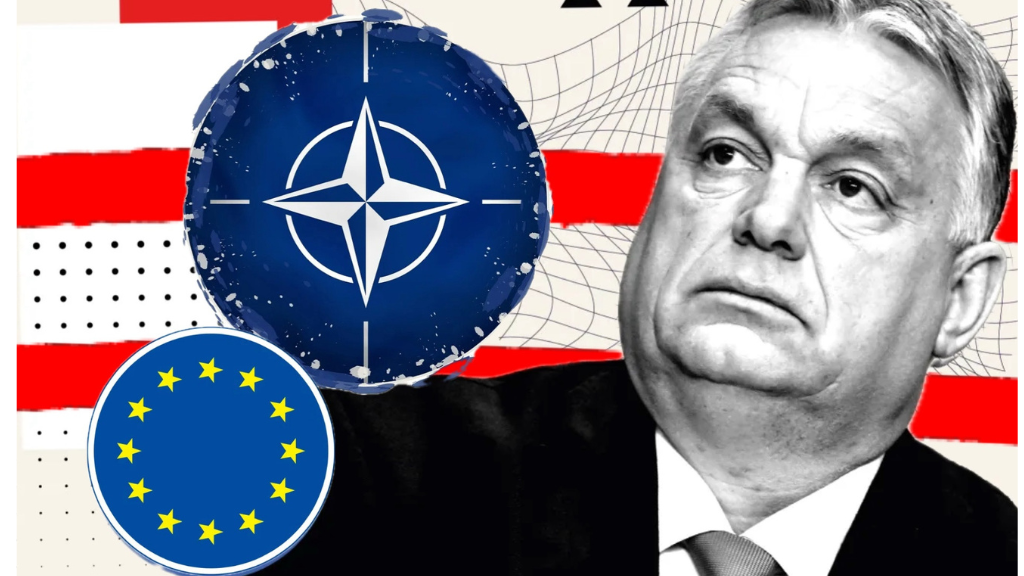
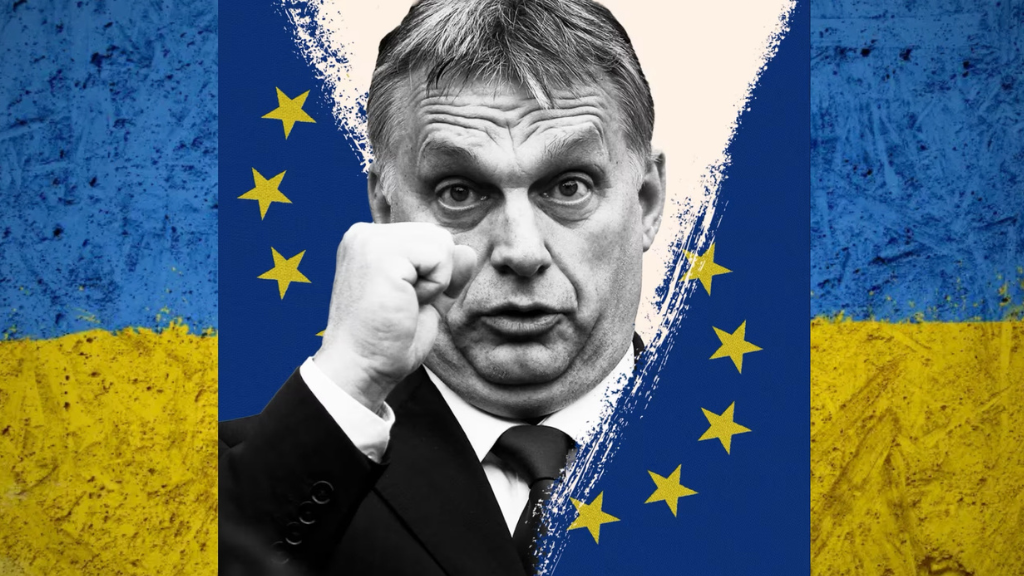
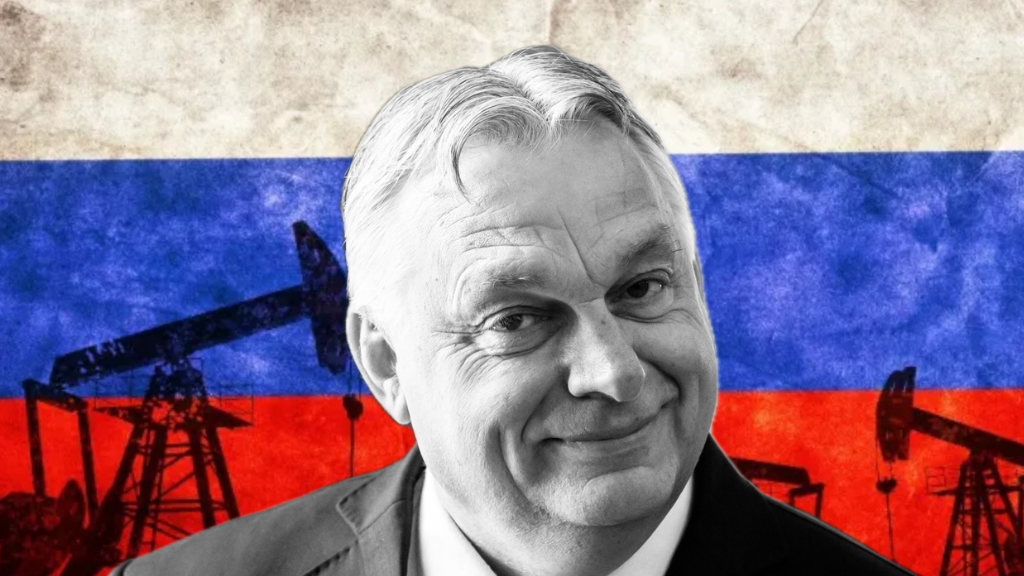
For years, Hungary’s government has defended its continued purchases of Russian oil as a practical move to keep fuel prices low. Prime Minister Viktor Orbán has framed the policy as a shield for ordinary families against rising energy costs across Europe.
But a new report by the Center for the Study of Democracy (CSD), shared with CNN, paints a different picture. It suggests that cheap Russian oil has not eased the burden on consumers. Instead, the main beneficiary appears to be Hungary’s largest energy company, MOL and, indirectly, the political networks connected to it.
At the heart of the debate is a simple question: if Hungary is buying cheaper oil, why are Hungarian drivers still paying more at the pump than their neighbors?
Higher Prices, Higher Profits
One way to judge any energy policy is by its outcome. In 2025, fuel prices in Hungary were about 18% higher than in the Czech Republic, even though Prague had already stopped importing Russian oil and switched to more expensive alternatives.
At the same time, MOL’s operating income has jumped roughly 30% compared with pre-war levels. This gap between cheaper supply and higher consumer prices suggests that the savings from Russian oil are not reaching households. They are staying inside the company.
In practical terms, Hungary’s policy seems less like consumer protection and more like a system that concentrates financial gains at the corporate level, in a market where competition is limited and the state plays a powerful role.
A Temporary Exception That Became Permanent
After Russia’s full-scale invasion of Ukraine in 2022, the European Union imposed an embargo on Russian oil. Hungary, Slovakia, and the Czech Republic received temporary exemptions because of their heavy reliance on Russian pipelines.
The Czech Republic used that time to diversify and has since ended its imports from Russia. Hungary took the opposite path. Last year, more than 92% of its crude oil still came from Russia, up sharply from before the war.
When the United States later sanctioned major Russian oil producers, Orbán requested a one-year waiver. Then-president Donald Trump approved it, arguing that Hungary’s landlocked geography made it difficult to switch suppliers.
Yet geography alone does not fully explain Hungary’s choices.
Alternatives Exist But Are Not Used
Hungary receives Russian crude through the Druzhba pipeline, which crosses Ukraine. But it is also connected to the Adria pipeline via Croatia, giving it access to non-Russian oil shipped from the Adriatic coast.
According to the CSD report, the Adria route has enough capacity to meet Hungary’s needs and is cheaper to operate than the Druzhba line, which runs through an active war zone. Hungarian refineries are also technically capable of processing non-Russian crude and have done so in the past.
In other words, Hungary is not locked into Russian oil by infrastructure alone. The decision to keep buying it appears to be political as much as technical.
That choice matters beyond Hungary’s borders. Continued imports weaken the impact of EU sanctions and keep money flowing to Moscow, undercutting a collective European effort to reduce Russia’s war revenues.
Where Politics Meets Business
The ownership structure of MOL adds another layer to the story. Foundations linked to Orbán’s circle reportedly control more than 30% of the company. One of them, Mathias Corvinus Collegium, plays a prominent role in Hungary’s education and political life.
This means energy policy cannot be separated from domestic power dynamics. When cheap oil leads to higher profits rather than lower prices, and those profits circulate within politically aligned institutions, energy becomes part of a broader system of influence and reward.
Seen this way, Hungary’s oil strategy is not just about supply and demand. It is also about who controls the benefits of the system.
Diplomacy and Double Standards
Before granting Hungary a sanctions waiver, Trump had publicly criticized countries that continued buying Russian oil, saying they were effectively funding the war in Ukraine. But the exemption went through anyway.
Later, during a visit to Budapest, U.S. Secretary of State Marco Rubio described U.S.–Hungarian relations as entering a “golden era,” suggesting that political alignment played a role in the decision.
This episode shows how sanctions, meant to be rules-based, can become shaped by personal and diplomatic relationships. Temporary exemptions risk turning into long-term privileges.
Energy as an Election Issue
The report arrives as Hungary heads toward parliamentary elections, where Orbán faces a serious challenger, Péter Magyar. Keeping energy prices low has been a central theme of the government’s message to voters.
But the data undermine that claim. Hungary’s fuel prices remain higher than in countries that cut ties with Russian oil. The political promise of “cheap energy” looks increasingly disconnected from what people actually pay.
What This Means for Europe
The CSD researchers argue that the EU should close the remaining loopholes that allow Hungary and Slovakia to keep importing Russian oil. Their concern is not only economic but strategic.
When some countries continue buying from Russia while others absorb higher costs, unity becomes harder to sustain. Sanctions lose their force when exceptions become routine.
Hungary’s case highlights a broader tension in Europe’s energy transition: policies shaped by domestic politics can collide with collective goals.
Hungary’s continued reliance on Russian oil is often described as a matter of necessity. The evidence suggests otherwise. Alternatives exist, refineries can adapt, and neighboring countries have already made the switch.
What remains is a policy that produces higher fuel prices at home and higher profits for politically connected institutions. Framed as protection for consumers, it has instead become a system that concentrates gains while weakening Europe’s sanctions strategy.
In that sense, Hungary’s oil policy is about more than energy. It reflects how economic choices, political power, and foreign policy have become tightly intertwined with consequences felt far beyond the fuel pump.