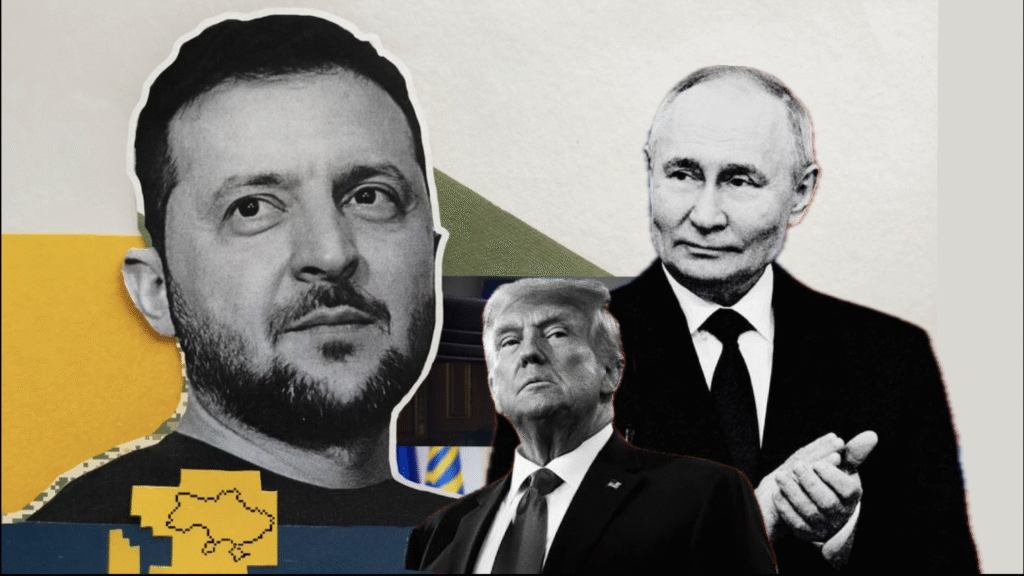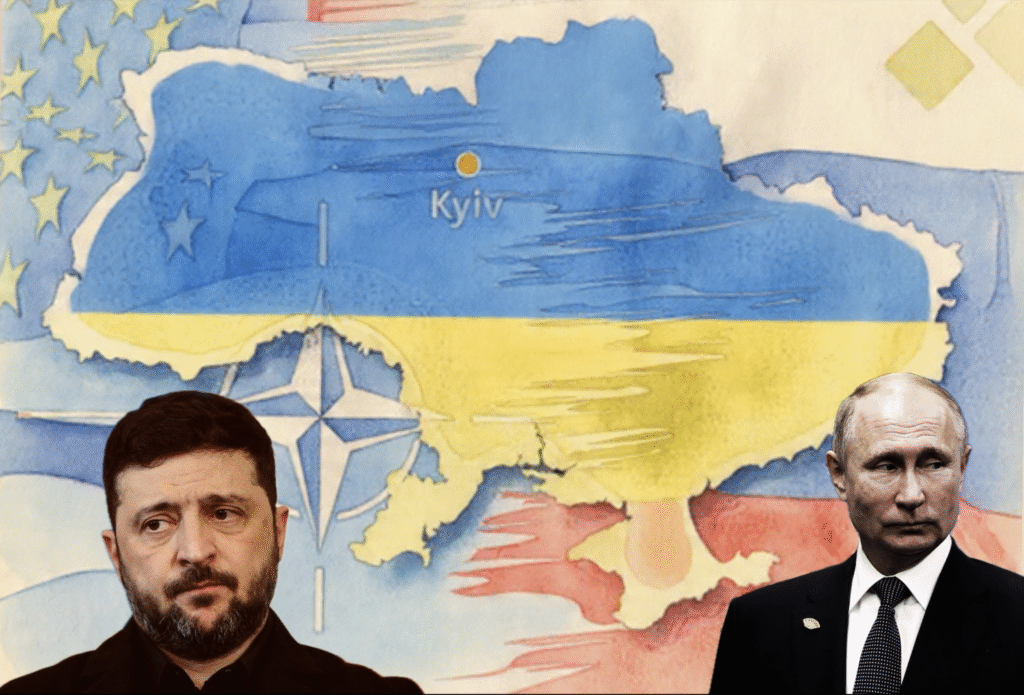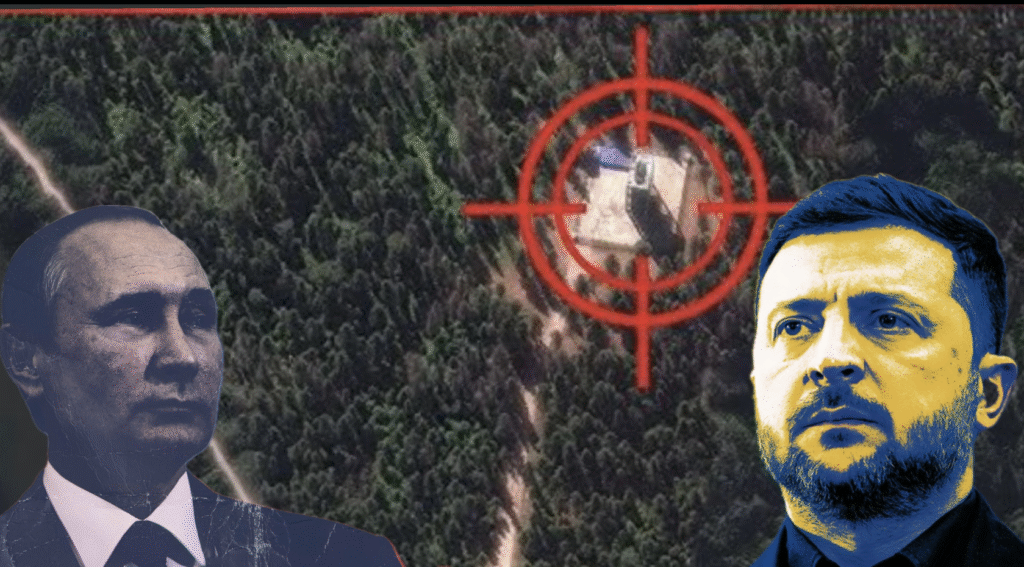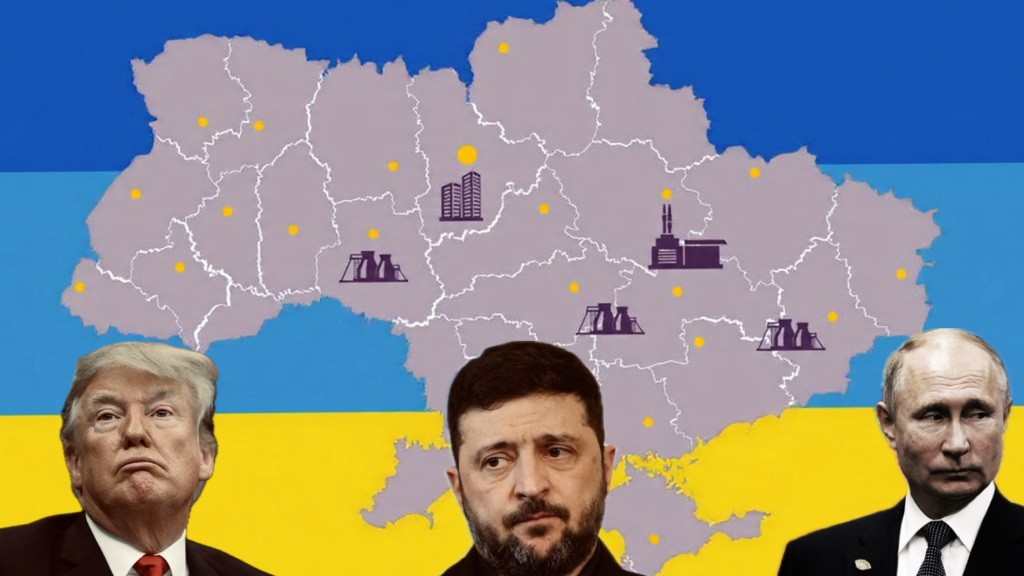
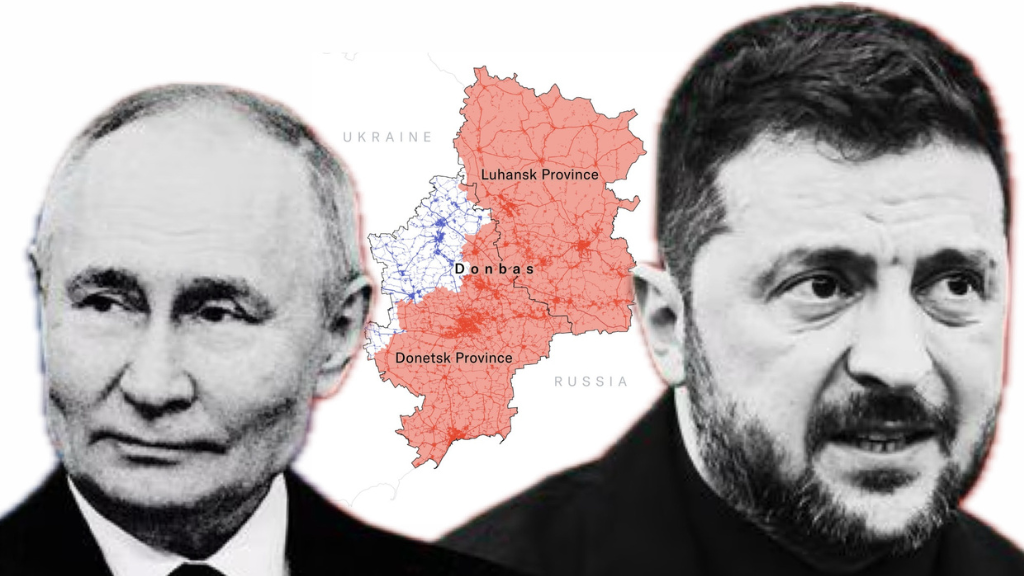
As diplomats search for a way to end the war in Ukraine, one place keeps coming up in every serious discussion: Donbas. The industrial region in eastern Ukraine, made up of Donetsk and Luhansk, is no longer just a battlefield. It has become the main bargaining chip in negotiations over peace, security, and Europe’s future.
What is being debated now is not simply how to stop the fighting, but what Ukraine would have to give up in return for lasting protection. Some proposals quietly link Ukraine’s security guarantees to possible territorial arrangements in Donbas. That idea alone shows how much the war has changed the political map.
More Than Just Land
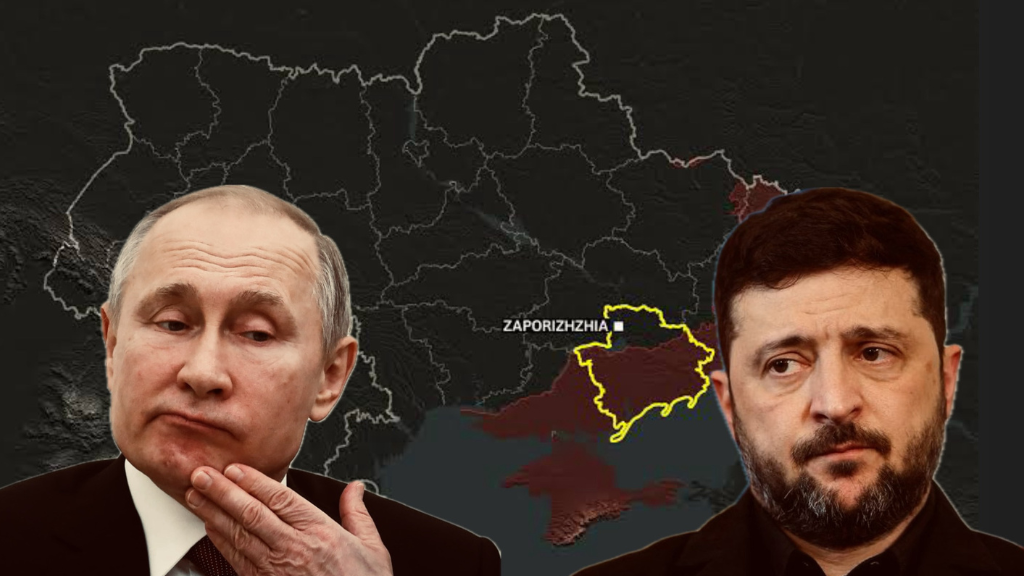
Donbas has been contested since 2014, long before Russia’s full invasion in 2022. It is rich in industry, coal, and transport routes, and it sits on terrain that matters militarily. The cities Ukraine still holds there form part of a defensive line that slows Russian forces from pushing deeper into the country.
For Moscow, full control of Donbas would be a strategic and symbolic victory. It would allow Russian leaders to claim that the war achieved something concrete. For Ukraine, however, the region represents far more than territory. It is tied to national identity, sacrifice, and years of civilian suffering.
Giving up land after such a war would not feel like a technical compromise. It would feel, to many Ukrainians, like accepting that force can redraw borders.
Security Promises and Old Fears
Ukraine’s leaders argue that any ceasefire without firm security guarantees would be dangerous. They point to past experience. Earlier agreements failed to stop renewed fighting, and Russia used those pauses to rebuild its forces.
This is why Kyiv wants guarantees that are clear and difficult to undo. These could include long-term weapons supplies, military training, intelligence cooperation, or arrangements that resemble NATO-style protection, even if formal membership remains out of reach.
But here lies the problem. Western governments are cautious about offering promises that might pull them directly into another war with Russia. Linking those guarantees to territorial concessions makes the issue even harder. Instead of security defending borders, borders begin to depend on political compromise.
That shift worries many analysts. It changes the logic of how peace is supposed to work.
Politics at Home Matters
Inside Ukraine, the idea of giving up territory faces enormous resistance. After years of bombardment, cities like Bakhmut and Avdiivka have become symbols of endurance and loss. For many Ukrainians, these places are not lines on a map but reminders of people who died defending them.
Any formal decision to surrender land would likely require parliamentary approval or even a national referendum. That makes compromise politically explosive. It also raises constitutional issues, since Ukrainian law treats occupied regions as temporarily seized, not permanently lost.
This domestic reality limits what Kyiv can agree to, even under pressure from allies. A deal that looks forced from outside could weaken trust in the government and deepen divisions inside the country.
A Precedent the World Is Watching
The stakes go beyond Ukraine. If territory taken by force is later accepted through negotiation, it could set an example for other conflicts. The principle that borders should not be changed through war has shaped Europe since World War II. Weakening it could make future disputes more dangerous.
Supporters of compromise argue that peace is never perfect. They say stopping the killing matters more than legal purity, and that a ceasefire backed by international guarantees could save lives, even if it leaves unresolved questions.
Both sides of this argument carry weight. The real test would be whether any deal could actually last.
Military Reality After a Deal
If Donbas were formally lost, Ukraine’s military position would change. Its defensive line would move west, shortening the distance between Russian forces and central Ukraine. New fortifications would have to be built, and long-term reliance on Western support would likely grow.
Ideas such as demilitarized zones and international monitoring forces have been floated, but their success would depend on enforcement. Peacekeeping only works when all sides respect its limits, something that has been fragile in past conflicts.
From Russia’s perspective, full control of Donbas would improve its leverage in any future talks and strengthen its military reach. This is why Ukraine insists that any territorial settlement must come with strict controls on troop deployments and international oversight.
A Turning Point for Europe
What happens in Donbas will shape more than Ukraine’s borders. It will influence Europe’s entire security system. The war has already pushed NATO to expand, driven up defence spending, and forced countries to rethink energy dependence.
A settlement seen as weak or imposed could leave Europe facing another crisis in a few years. A settlement backed by credible guarantees could offer stability, but only if it is trusted.
For the United States, the dilemma is balancing support for Ukraine with avoiding direct war with Russia. For Europe, the question is whether it can stay united while navigating a peace that may be deeply uncomfortable.
Not Just a Deal Over Territory
Donbas is no longer just a region in eastern Ukraine. It has become the center of a larger struggle over what peace should mean in the 21st century.
This is not only about land. It is about whether security can be traded for sovereignty, whether borders still matter, and whether force can be rewarded with recognition.
The choices made around Donbas will shape how this war ends and how future wars might begin.