The global system designed to prevent nuclear escalation is under growing strain. The lapse of the New START treaty between the Washington and Moscow, combined with fresh American claims that China may have carried out a covert nuclear weapons test, has revived fears of a renewed arms race among the world’s major powers.
With trust between nuclear-armed states deteriorating and long-standing safeguards eroding, analysts say the risk of miscalculation is rising at a moment when diplomatic channels are already fragile.
The Collapse of the Last Major Arms Control Pact
For more than a decade, New START served as the cornerstone of US–Russian nuclear restraint. Signed in 2010 and implemented the following year, the agreement limited deployed strategic warheads and delivery systems while allowing inspections and data sharing to reduce uncertainty on both sides.
Its expiration now leaves Washington and Moscow without any binding limits on their long-range nuclear forces. This marks the first time since the Cold War era that no formal treaty governs the world’s two largest arsenals.
Moscow has signaled it does not intend to dramatically expand its stockpile in the short term, but it has declined to extend the agreement without broader security negotiations. US officials, meanwhile, have argued that any new framework must reflect current realities rather than the bipolar order of the past.
Why Washington Wants Beijing at the Table
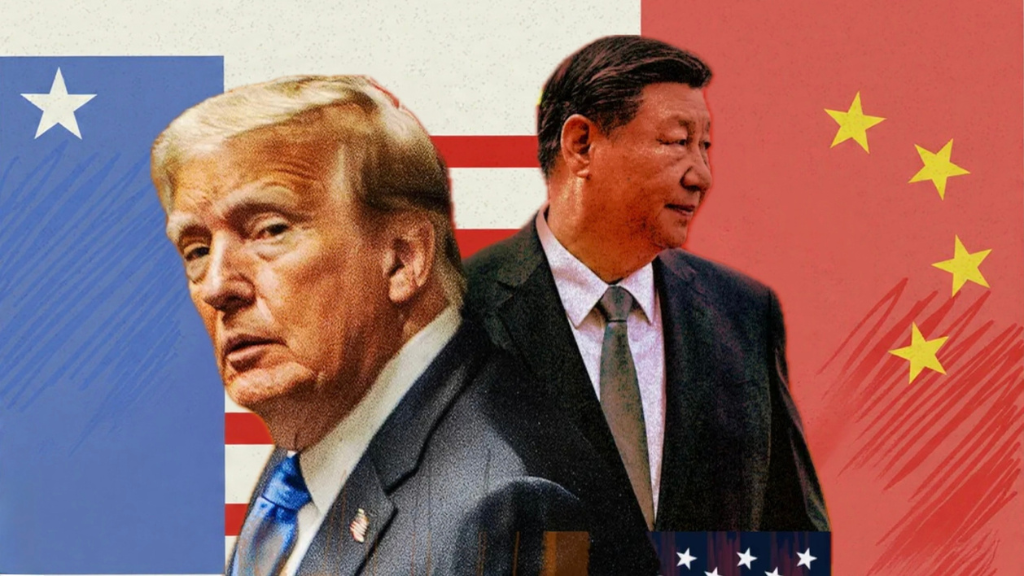
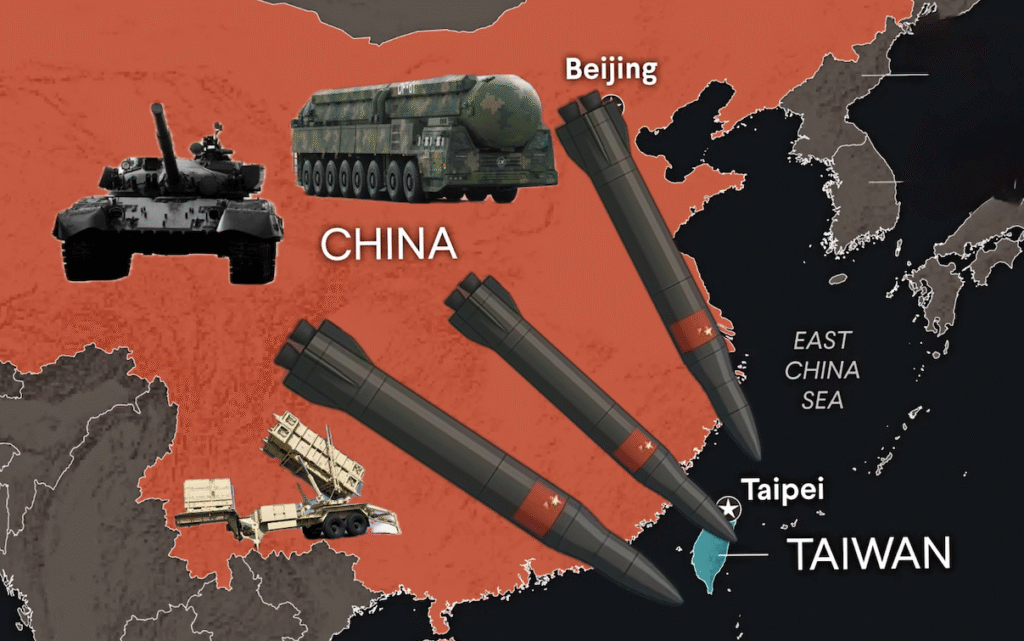
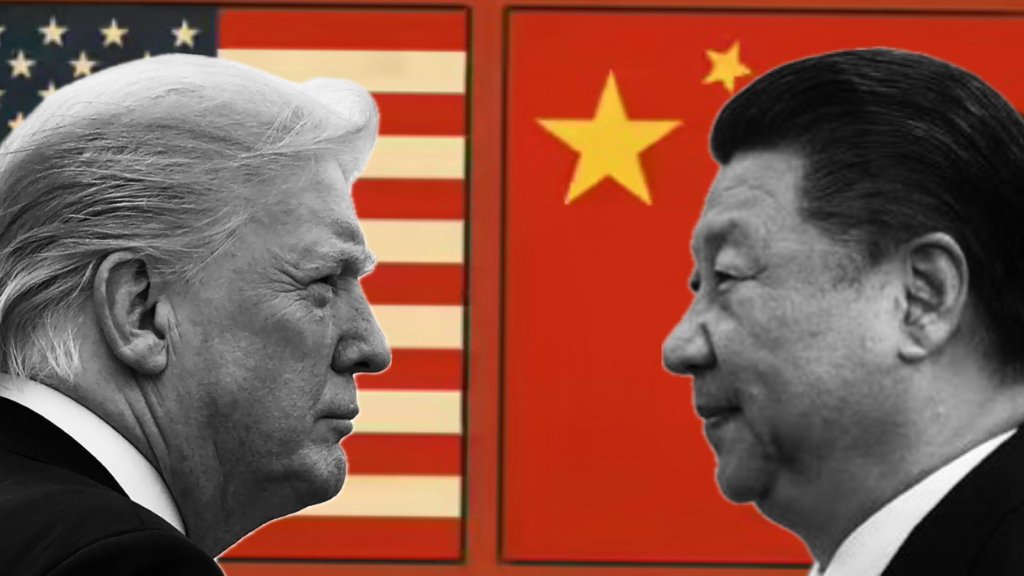
A central US demand is that China be included in future arms control talks. Although Beijing still maintains a smaller nuclear force than either Russia or the United States, its arsenal is expanding and its missile technology is being modernized at a steady pace.
American policymakers say bilateral treaties no longer match a world in which three major nuclear powers shape strategic balance. Secretary of State Marco Rubio has said that a meaningful arms control system in the coming decades cannot exclude China.
China rejects this position, countering that its nuclear capabilities remain limited and that the burden of further reductions should fall first on Washington and Moscow, which hold far larger stockpiles.
Allegations of a Hidden Nuclear Test
Tensions intensified after US officials accused China of conducting secret nuclear weapons tests in recent years. According to American assessments, Beijing may have used techniques designed to mask underground explosions and reduce their detection by international monitoring systems.
One suspected test reportedly occurred in 2020. If substantiated, such activity would cast doubt on China’s adherence to informal global norms against nuclear testing.
Chinese authorities have dismissed the claims, calling them unfounded and politically motivated. They argue that Washington is overstating the threat in order to justify military expansion and strategic competition.
Neither the United States nor China has ratified the Comprehensive Nuclear-Test-Ban Treaty, but both have pledged to observe a voluntary halt on nuclear explosive testing. Allegations of concealed tests risk weakening confidence in the monitoring system built to detect such activity.
Growing Unease Beyond Washington and Beijing
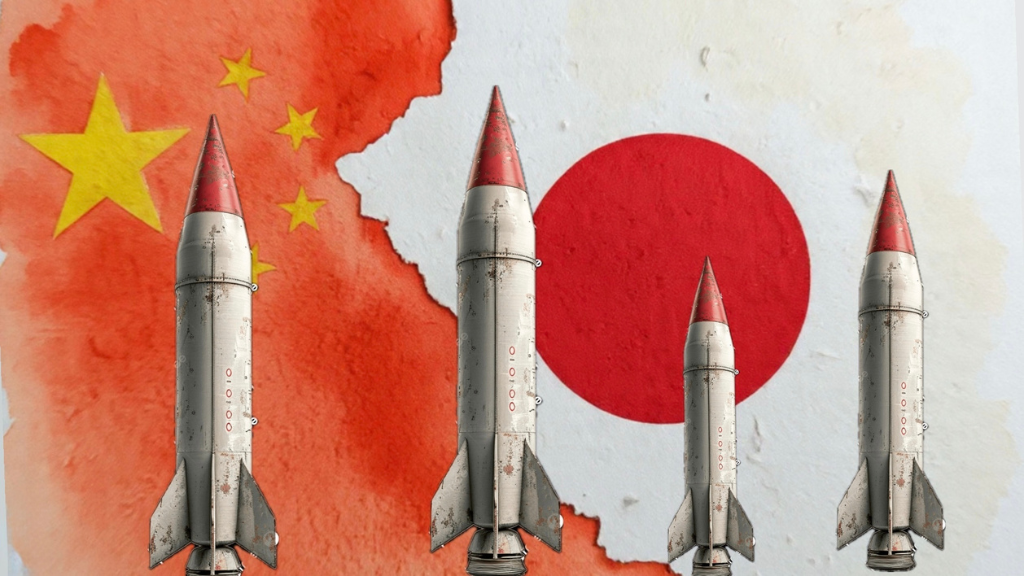
Concerns about nuclear stability extend well beyond the major powers. In Japan, where memories of Hiroshima and Nagasaki remain deeply embedded in public consciousness, the collapse of arms control arrangements has stirred anxiety among survivors and civil society groups.
Public demonstrations have called for renewed diplomatic engagement, warning that the erosion of treaties and rising suspicion between nuclear states increases the danger of catastrophe. For many Japanese citizens, nuclear weapons are not abstract instruments of deterrence but reminders of human devastation.
The Prospect of a New Arms Race
Security experts caution that the absence of inspection regimes and numerical limits may encourage worst-case assumptions. Without verified information, governments may be tempted to expand their arsenals simply to avoid falling behind perceived rivals.
This environment heightens the possibility of misjudgment. In periods of geopolitical tension, routine military developments could be misread as preparation for conflict, leading to escalation driven by fear rather than intent.
A More Complex Future for Arms Control
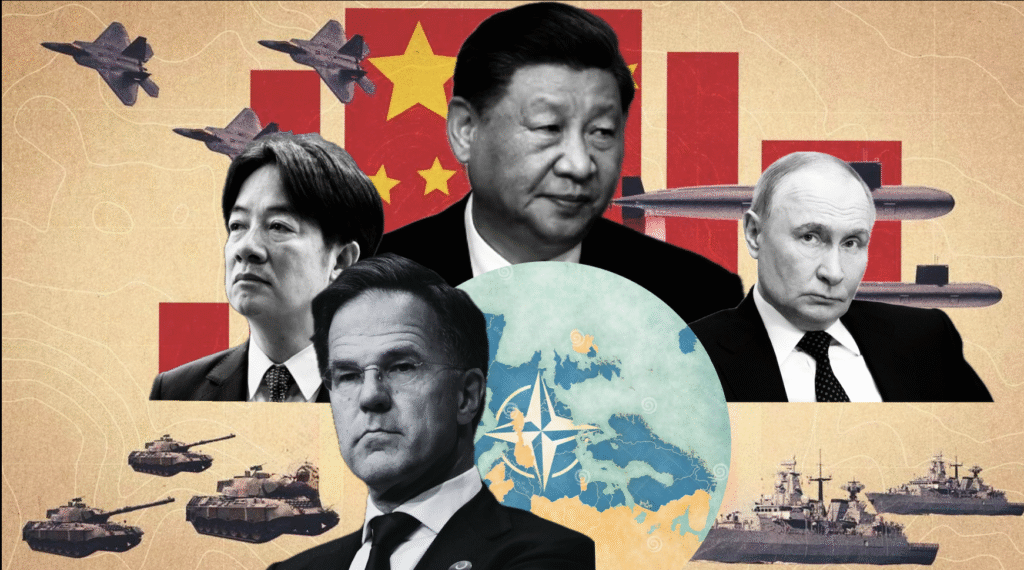
Any future effort to rebuild nuclear restraint will face greater complexity than Cold War–era treaties. Alongside the United States, Russia, and China, other nuclear-armed states including India, Pakistan, France, Britain, North Korea, and Israel would have interests at stake in any comprehensive agreement.
Reaching consensus among such a diverse group, each with distinct security priorities, will be far more difficult than past bilateral negotiations. Even so, many specialists argue that some form of multilateral structure is essential if long-term stability is to be preserved.
A Defining Moment
The end of New START and the controversy over China’s nuclear activity point to a critical crossroads. The coming years could see either a return to competitive stockpiling or renewed diplomatic efforts to limit risk.
What is certain is that nuclear stability depends on communication, verification, and restraint. As those mechanisms weaken, the margin for error narrows and in the nuclear age, even small mistakes can have irreversible consequences.