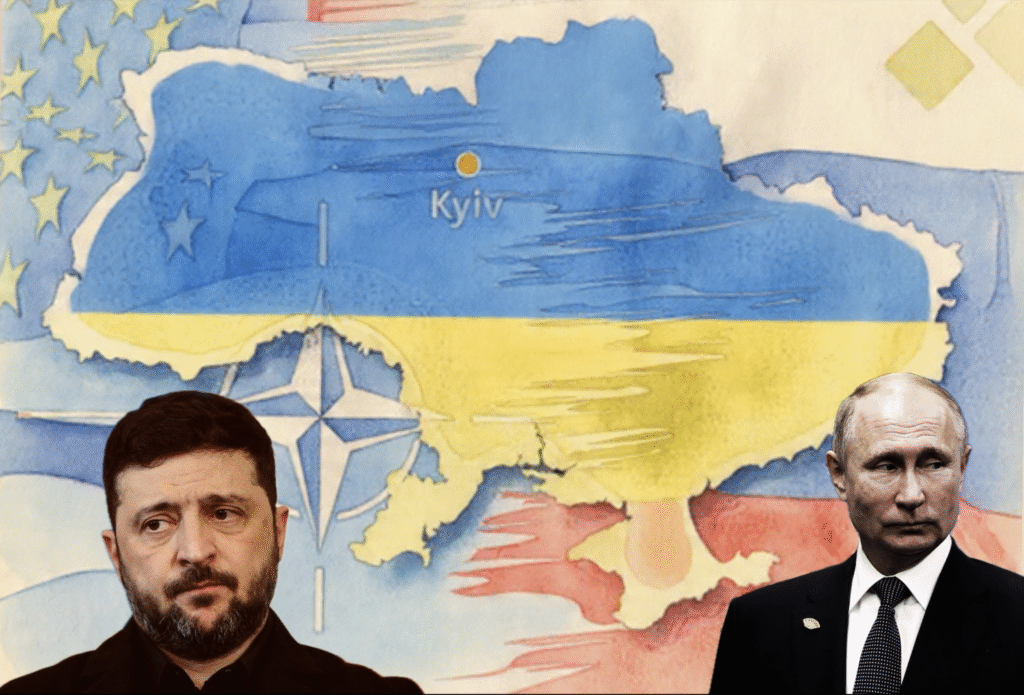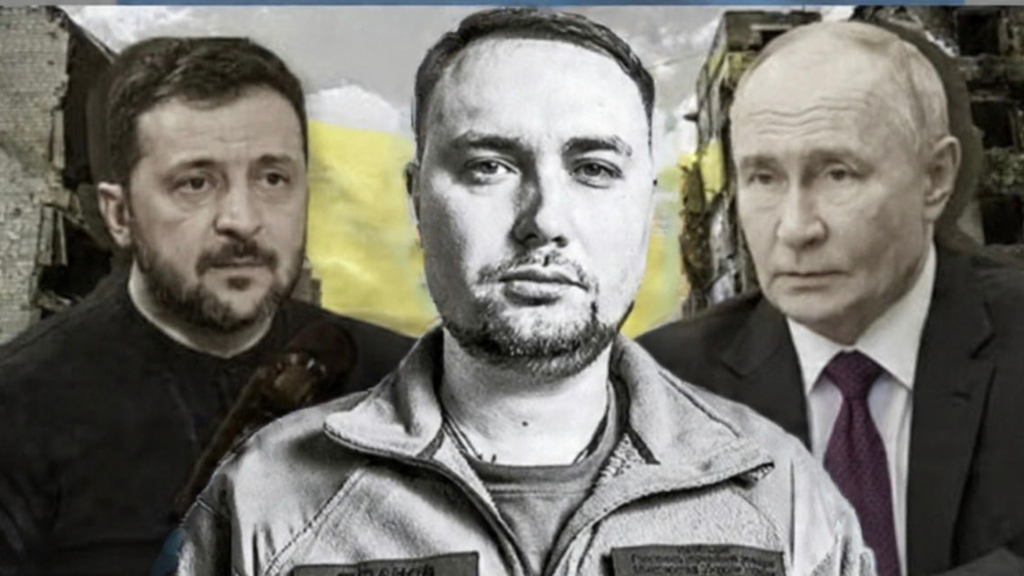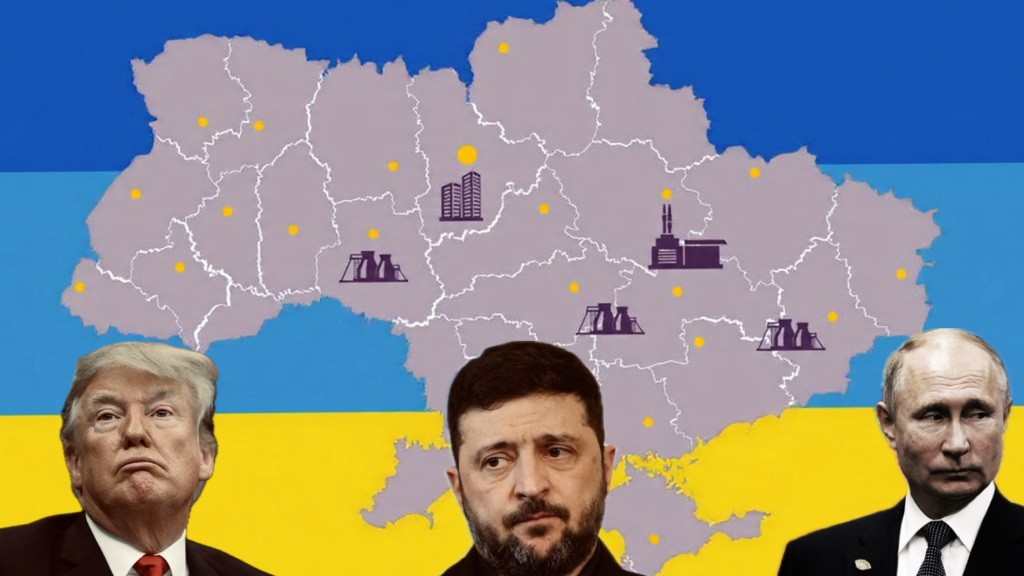
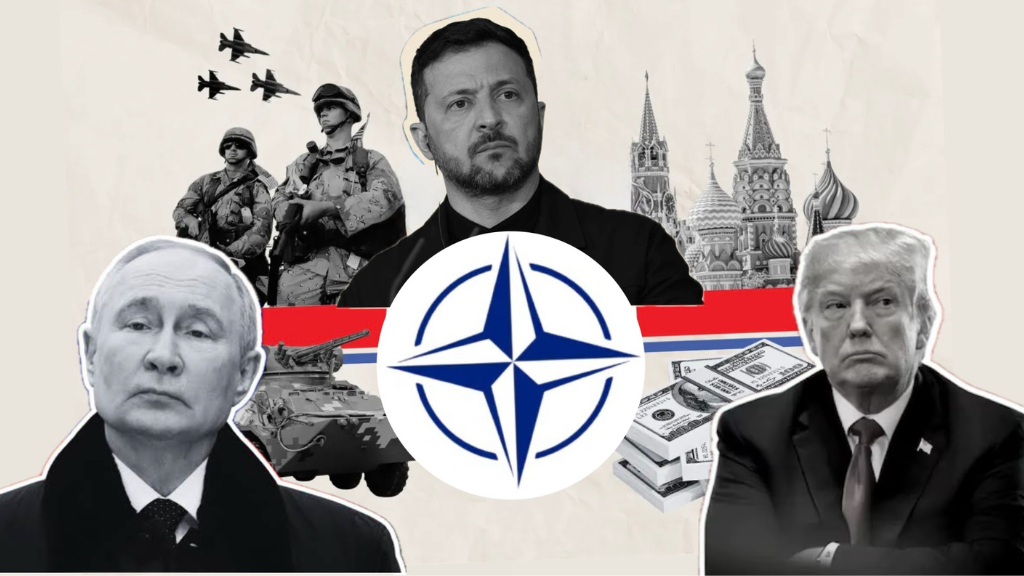
When President Volodymyr Zelensky signaled that Ukraine could abandon its long-standing ambition to join NATO, he crossed a political Rubicon. For years, NATO membership stood at the center of Kyiv’s security strategy and national identity, framed as the only credible shield against renewed Russian aggression. Now, under intense diplomatic pressure and amid grinding war, Ukraine appears willing to trade that aspiration for alternative Western security guarantees.
The shift reflects both desperation and realism. NATO accession remains blocked, while the war drags on with no clear military resolution in sight. Yet the central question remains unresolved: if Ukraine gives up its NATO bid, will the West offer guarantees strong enough to deter Russia in practice, not just on paper?
What Zelensky Is Actually Offering
Zelensky’s comments did not amount to a unilateral surrender of Ukraine’s NATO ambition. Instead, they outlined a conditional concession. Speaking to journalists ahead of talks with US and European envoys, he said Kyiv now expects security guarantees “comparable” to those enjoyed by NATO members.
He made clear what that means in Ukrainian terms. Kyiv seeks bilateral security guarantees from the United States, Article 5-like commitments from Washington, and binding pledges from European powers and partners such as Canada and Japan. These guarantees, Zelensky argued, would aim to prevent another wave of Russian aggression rather than merely manage its aftermath.
At the same time, he acknowledged political reality. Some US and European partners have never supported Ukraine’s NATO membership, largely because of the risk of direct confrontation with Russia. Dropping the NATO bid, Zelenskyy framed, represents a concession designed to unlock an alternative path to security and peace.
Why NATO Membership Hit a Wall
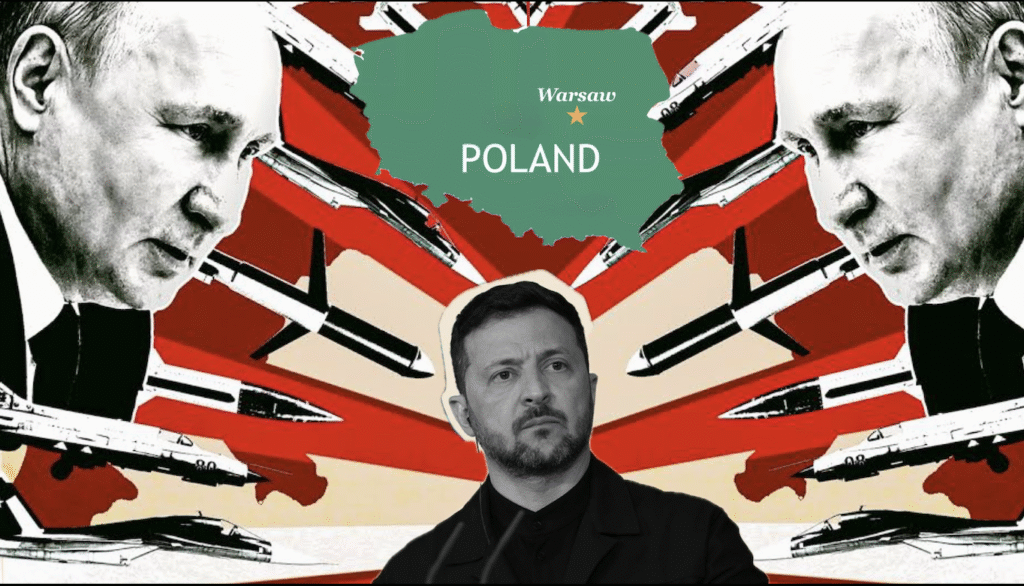
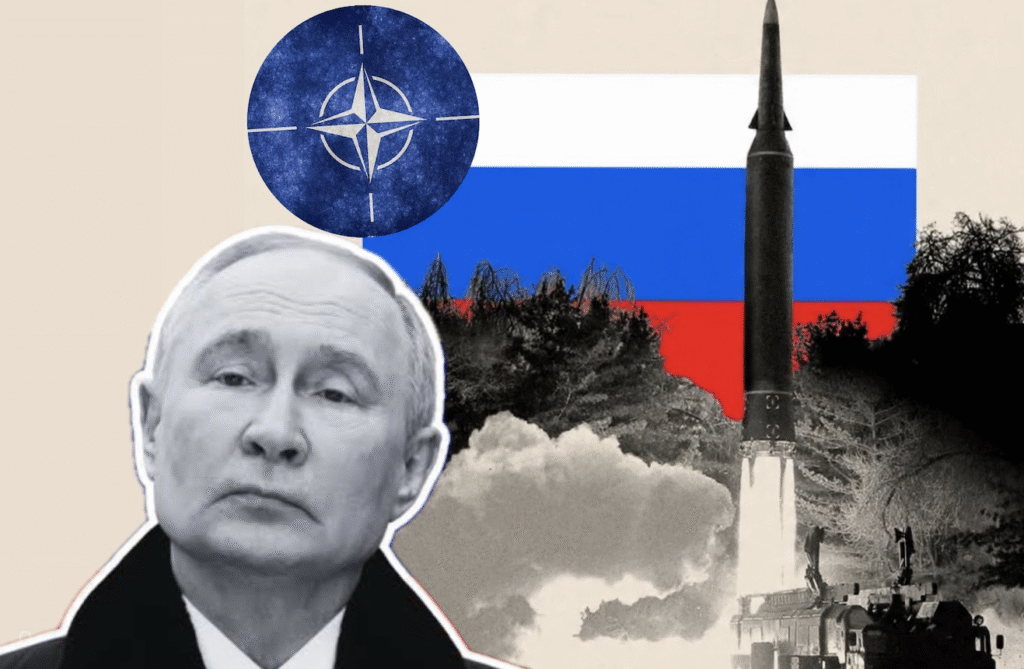
Ukraine’s NATO aspirations have long represented a red line for Moscow. Russian President Vladimir Putin has consistently portrayed NATO’s eastward expansion as a direct threat to Russian security. On the day Russia launched its full-scale invasion in February 2022, Putin explicitly warned that any further NATO expansion or military entrenchment in Ukraine was “unacceptable.”
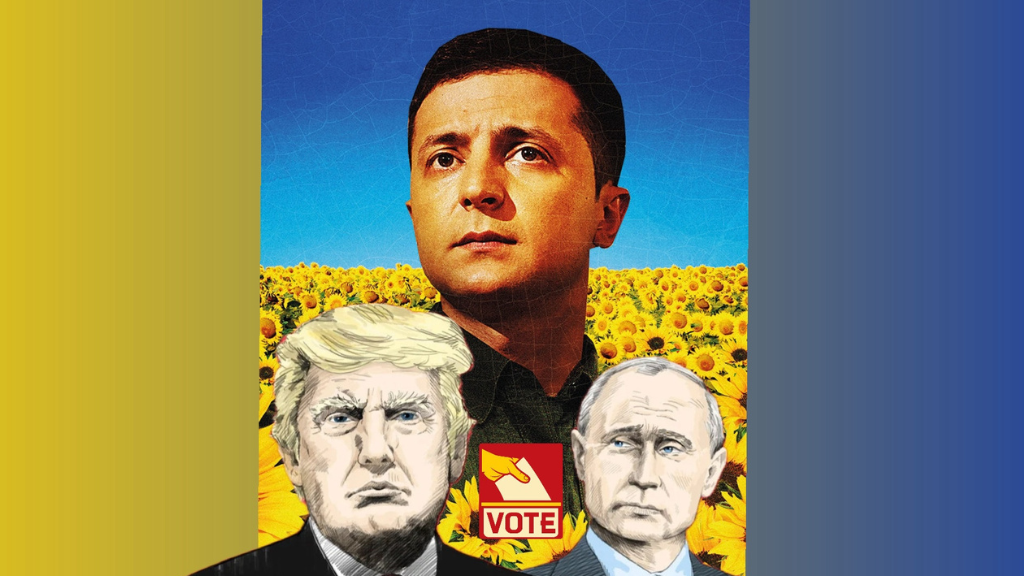
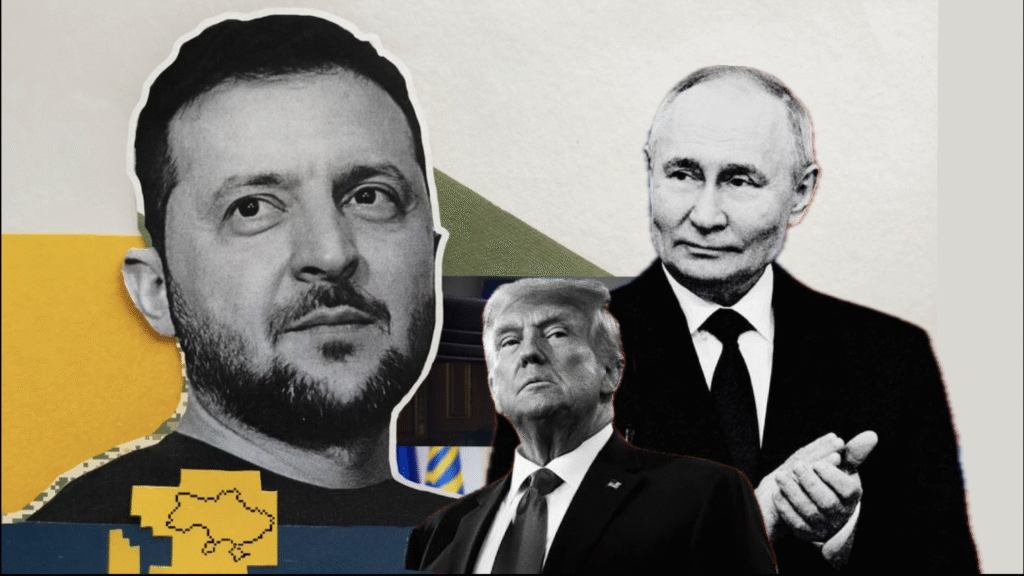
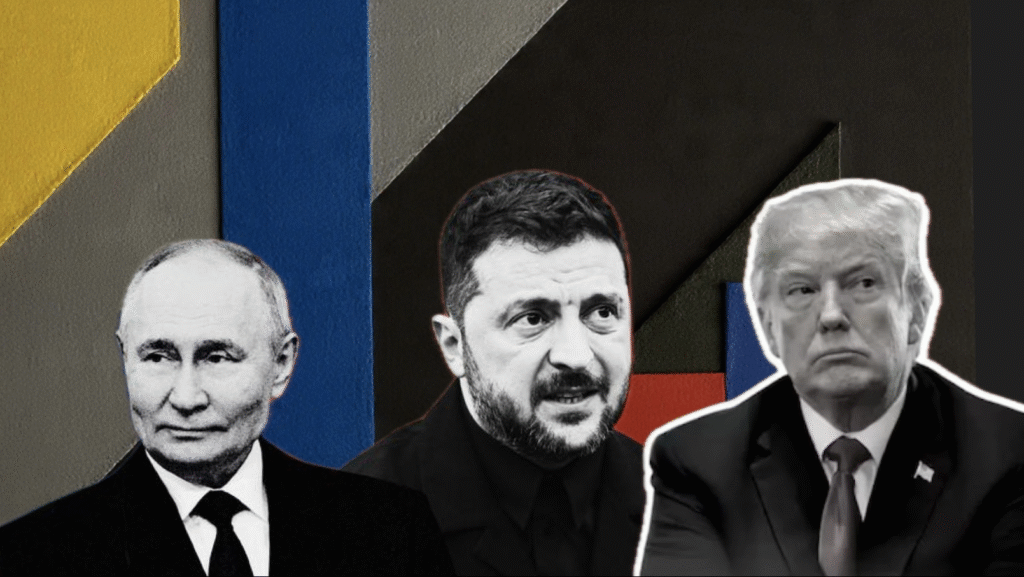
Donald Trump’s return to the White House has further narrowed Kyiv’s options. Trump has openly opposed Ukrainian NATO membership and has pushed Kyiv to negotiate an end to the war on terms that many analysts believe favor Moscow. His administration’s message is blunt: peace must come first, even if it requires strategic compromises from Ukraine.
Against this backdrop, Zelenskyy’s move reflects an attempt to salvage security guarantees outside NATO rather than cling to a goal that remains politically unreachable.
What Would These Security Guarantees Look Like?
The guarantees now under discussion would fall well short of NATO’s Article 5. Instead of automatic collective defense, Ukraine would receive tailored commitments from individual Western states, likely codified through bilateral or plurilateral treaties.
In practical terms, these guarantees would promise rapid military assistance, intelligence sharing, arms deliveries, financial aid, and sanctions against Russia if Ukraine faced renewed attack. They would aim to raise the cost of aggression rather than deter it through guaranteed military retaliation.
Crucially, each guarantor would define its obligations separately. Unlike NATO, there would be no integrated command structure, no standing fo rces, and no automatic trigger for collective defense. The effectiveness of such guarantees would depend not on treaty language alone, but on political will in Washington and European capitals at the moment of crisis.
Zelenskyy has insisted that any deal must be legally binding and formally endorsed by the US government, reflecting Kyiv’s fear of vague promises that evaporate with changing administrations.
The Obstacles That Refuse to Go Away
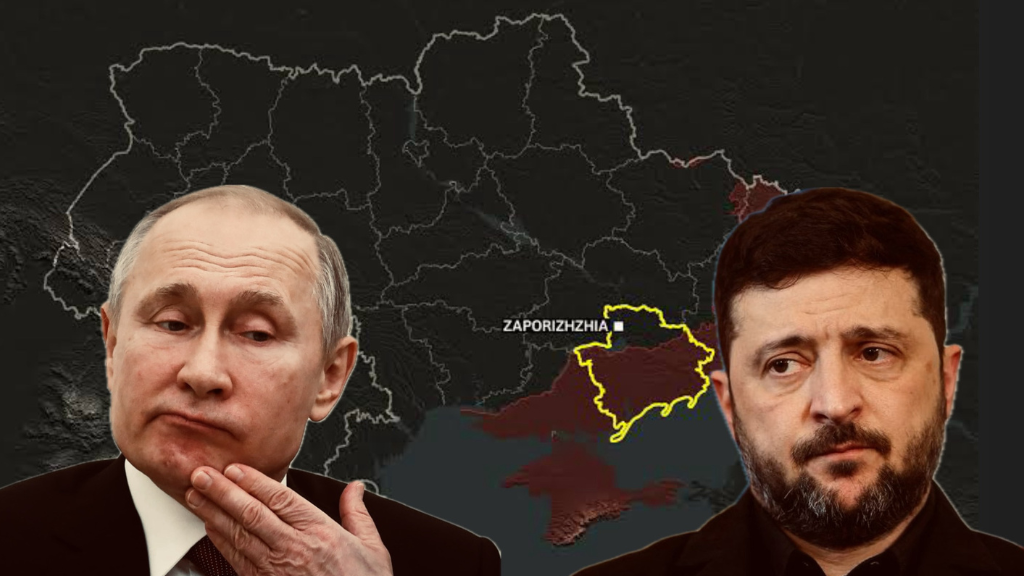
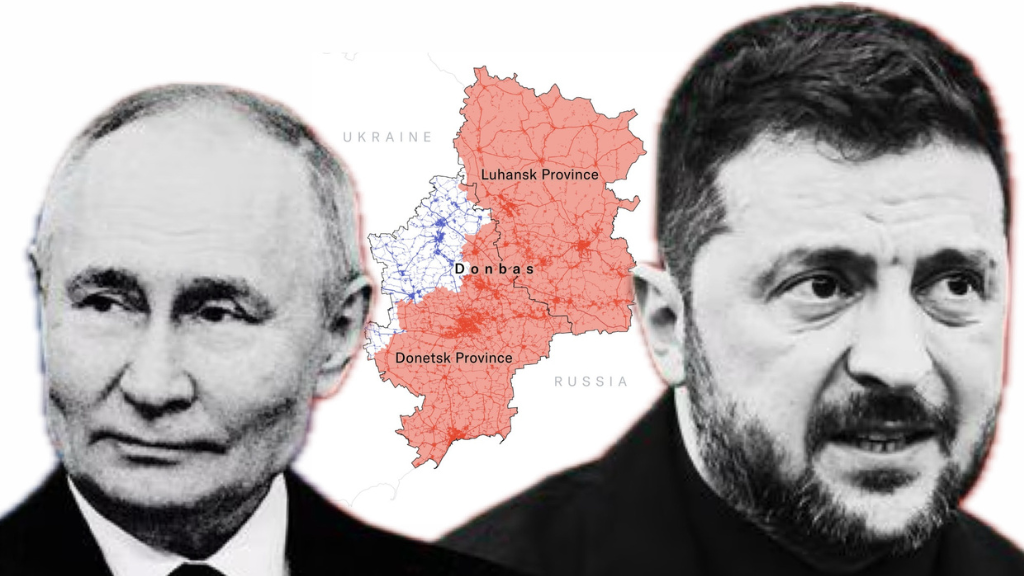
Even if Western allies agree in principle, major obstacles remain. Territorial questions continue to block progress. Much of eastern Donetsk remains under Russian occupation, and Moscow has demanded that Ukraine withdraw from the remaining areas it still controls.
Zelenskyy has flatly rejected this condition. He also dismissed a US-floated proposal to turn Donetsk into a demilitarised free economic zone, arguing that such an arrangement would raise impossible questions about governance and security. A buffer zone, he said, only makes sense if both sides withdraw equally and neutral forces police the area.
For Kyiv, freezing the conflict along the current line of contact represents the least damaging option. For Moscow, even that may be unacceptable. Putin’s adviser Yuri Ushakov has warned that Russian police and national guard forces would remain in parts of Donetsk under any future arrangement, signaling that Moscow seeks control without responsibility.
These irreconcilable positions suggest that security guarantees alone cannot bridge the gap unless one side makes deeper concessions.
A Wider Diplomatic Push in Europe
Parallel diplomatic tracks continue across Europe. Zelenskyy has coordinated closely with French President Emmanuel Macron, who has reaffirmed France’s long-term commitment to Ukraine’s security and sovereignty. Germany’s new chancellor, Friedrich Merz, has framed the conflict in existential terms, warning that if Ukraine falls, Russian ambitions will not stop at its borders.
Merz’s remarks underline a broader European anxiety: the erosion of the post-Cold War security order and the sense that the era of unquestioned US protection, the so-called “Pax Americana,” is fading. For Europe, Ukraine’s security increasingly looks inseparable from its own.
Yet European unity does not automatically translate into binding military guarantees. Domestic politics, budget constraints, and public fatigue with the war all limit how far European leaders can go.
War Continues While Diplomacy Drags On
Even as negotiations intensify, the war shows no sign of slowing. Russia has continued large-scale missile and drone attacks across Ukraine, targeting energy infrastructure and civilian areas. Zelenskyy has warned that hundreds of thousands of families remain without electricity, heat, or water following recent strikes.
The Black Sea has also emerged as a growing flashpoint, with Russian attacks damaging Ukrainian ports and Turkish-owned vessels carrying food supplies. These developments reinforce Kyiv’s argument that security guarantees must deter future attacks, not merely respond to them after the fact.
So Will Ukraine Get Real Security Guarantees?
Zelenskyy’s willingness to drop Ukraine’s NATO bid marks a strategic gamble. In exchange for giving up a symbolically powerful goal, Kyiv hopes to secure guarantees strong enough to deter Russia without formally joining the alliance that Moscow fears most.
Whether this gamble succeeds depends less on legal language than on political credibility. If Western guarantees lack clarity, speed, or enforcement, Russia may test them. If they prove firm and coordinated, they could reshape the post-war security architecture of Europe.
For now, Ukraine stands at a crossroads. NATO membership remains blocked, the battlefield remains active, and diplomacy offers only conditional hope. Dropping the NATO bid may open doors but only if the West is willing to replace it with security guarantees that function in reality, not just in theory.