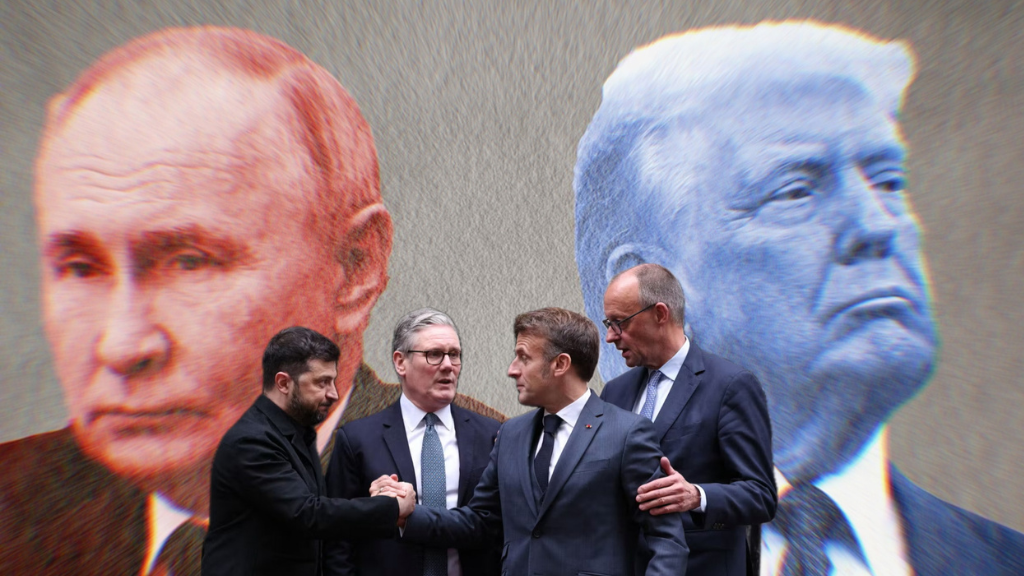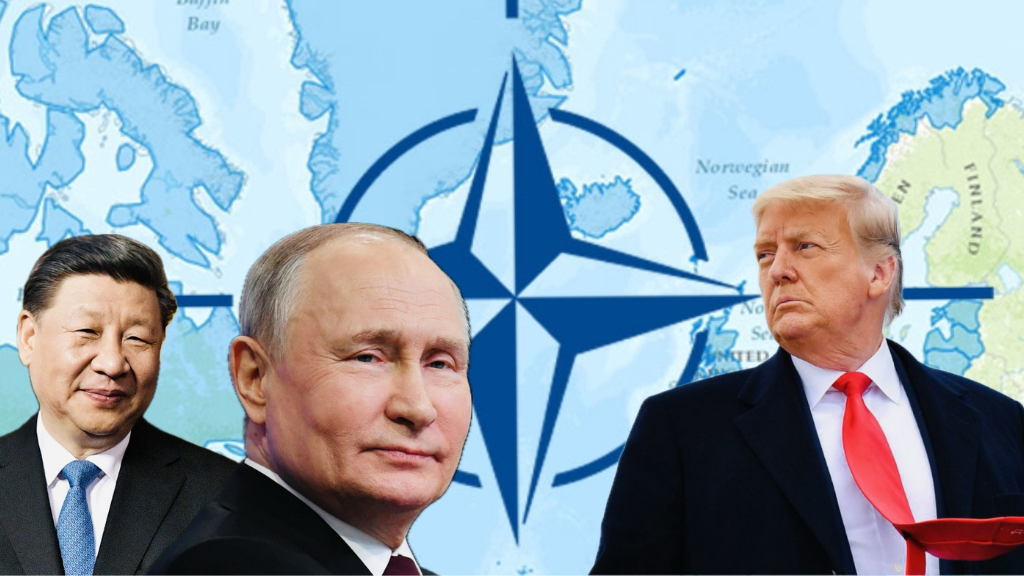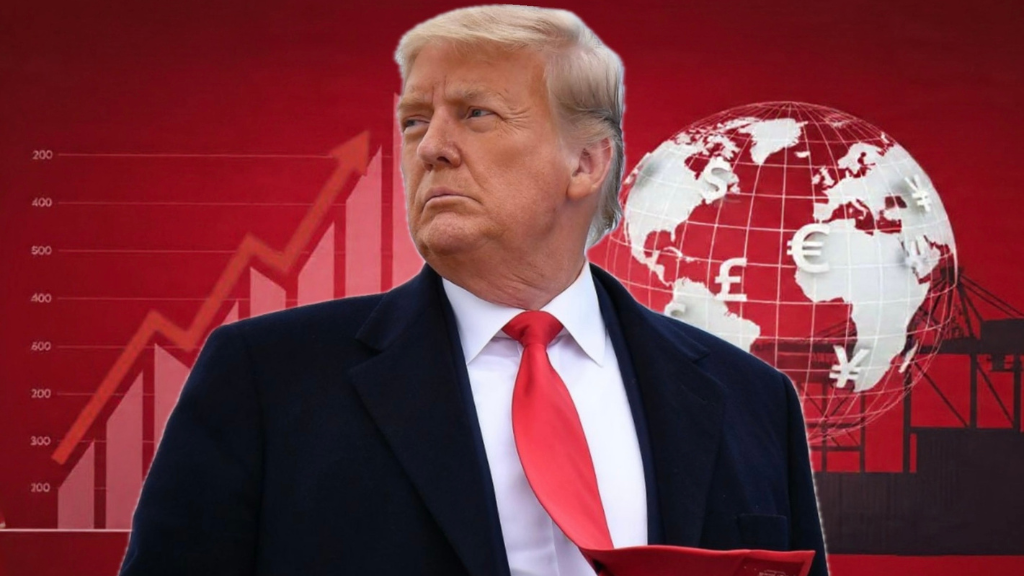
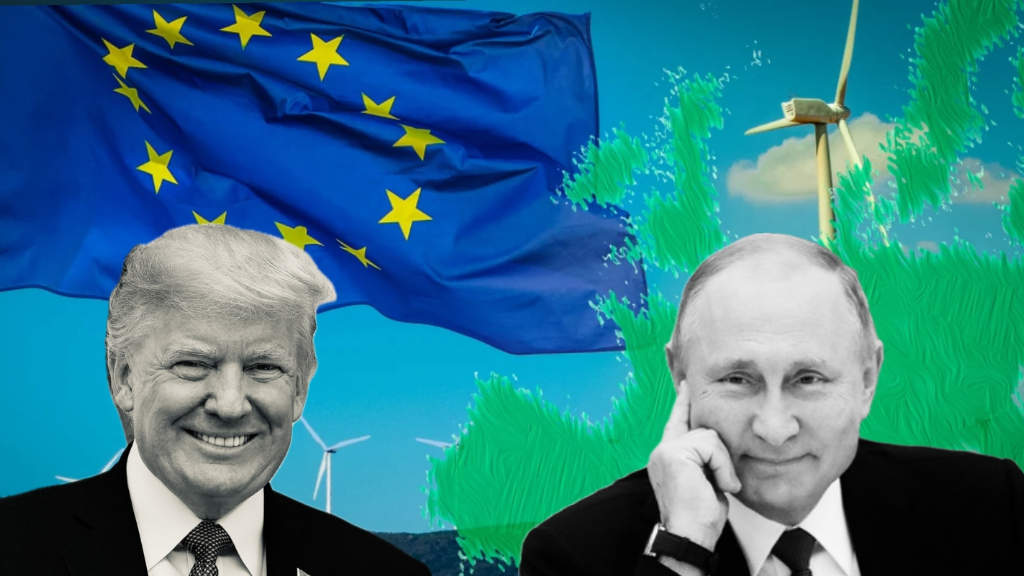
U.S. President Donald Trump’s emerging blueprint for ending the war in Ukraine is raising eyebrows across Western capitals, not just for its sweeping geopolitical ambitions, but for the way it reimagines the economic relationship between Washington, Moscow, and Europe. According to reporting from The Wall Street Journal, Trump’s plan is anchored in three pillars: reviving Russian energy flows to Europe, opening major U.S. investment channels into Russia’s strategic industries, and unlocking frozen Russian sovereign assets for reconstruction projects in Ukraine.
Energy Realignment at the Heart of the Plan
One of the most startling components of the proposal is the call to restore Russian oil and gas supplies to Europe. When Moscow invaded Ukraine in 2022, European states spent two years ripping out their dependence on Russian fuel, shifting to LNG from the U.S., diversifying imports, and accelerating renewables. Trump’s proposal would unwind much of that transformation.
For Trump, recalibrating energy flows is a way to lower European costs, stabilize global markets, and draw Moscow into a broader settlement. For many European officials, however, it risks throwing a lifeline to Russia’s revenue engine and reversing hard-fought strategic pivots. One diplomat reportedly described the plan as “an economic echo of Yalta”—a reference to the 1945 conference where the U.S., the Soviet Union, and Britain divided post-war Europe into competing spheres.
U.S. Capital in Russian Strategic Sectors
Perhaps even more controversial is the idea of opening the door for American firms to enter Russia’s rare-earth mining, Arctic oil drilling, and energy sectors. These are areas that Washington has sanctioned for years, viewing them as pillars of Kremlin geopolitical leverage.
Trump’s plan flips that logic on its head. By inserting U.S. investment into Russia’s strategic economy, the thinking goes, Washington could create mutual dependencies that make conflict less likely. Critics argue the opposite: embedding U.S. capital inside Russian extraction industries risks normalizing Moscow’s wartime gains and weakening Western negotiating leverage.
Frozen Assets as a Financial Engine
Another centerpiece is the proposal to tap into roughly $200 billion in frozen Russian sovereign funds. Under the plan described to European officials, U.S. financial firms would use those assets to bankroll reconstruction projects inside Ukraine, including a massive new data-center complex powered by the Zaporizhzhia nuclear plant currently under Russian control.
Using frozen Russian funds has been debated among Western policymakers for months, but Trump’s version places private American investors at the center of the mechanism. It also assumes a negotiated outcome in which Moscow cooperates in or at least tolerates financial engineering that leverages its own immobilized assets.
A Peace Plan or a Redrawing of the Post-Cold War Order?
If implemented, the plan would amount to a profound rearrangement of global power relations. Bringing Russian energy back into Europe would weaken one of the EU’s biggest strategic shifts since the invasion. Allowing U.S. companies into Russia’s rare-earth and Arctic sectors would undercut the sanctions regime built by both Washington and Brussels. Channeling frozen Russian funds into projects tied to Russian-controlled territory raises thorny legal and political questions.
For Trump, the proposal is framed as a pragmatic shortcut to end a costly war. For many European officials, it looks like a bargain that trades geopolitical stability for short-term economic incentives. And for Russia, the plan, if accurate signals a path back into the Western economic order without surrendering territorial gains.
As Europe debates its trajectory and Ukraine braces for another difficult year, one thing is clear: Trump’s blueprint, whether ultimately adopted or not, forces Western allies to confront the uncomfortable trade-offs between energy security, sanctions integrity, and a negotiated end to the conflict that began in the Donbas more than a decade ago.