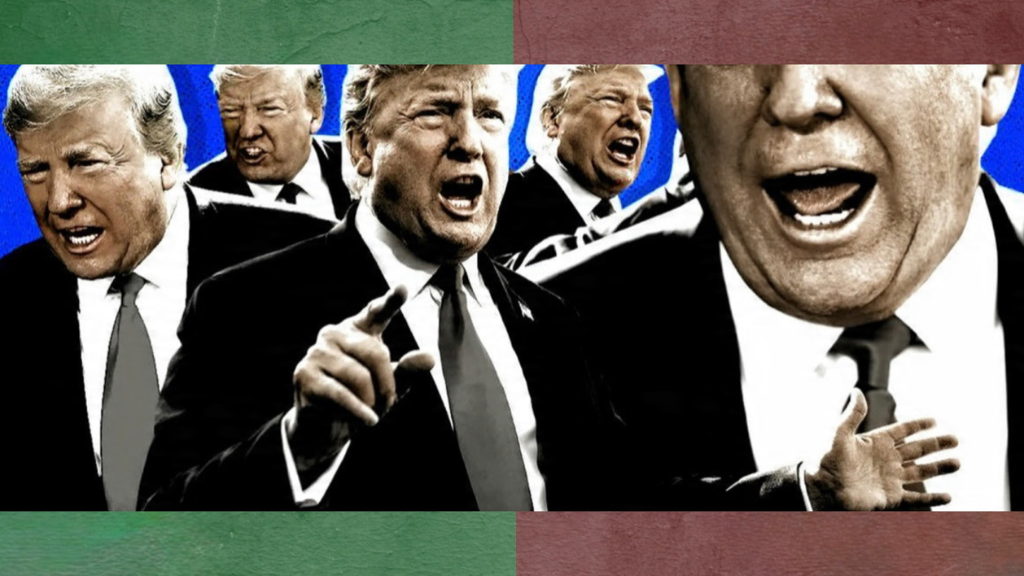
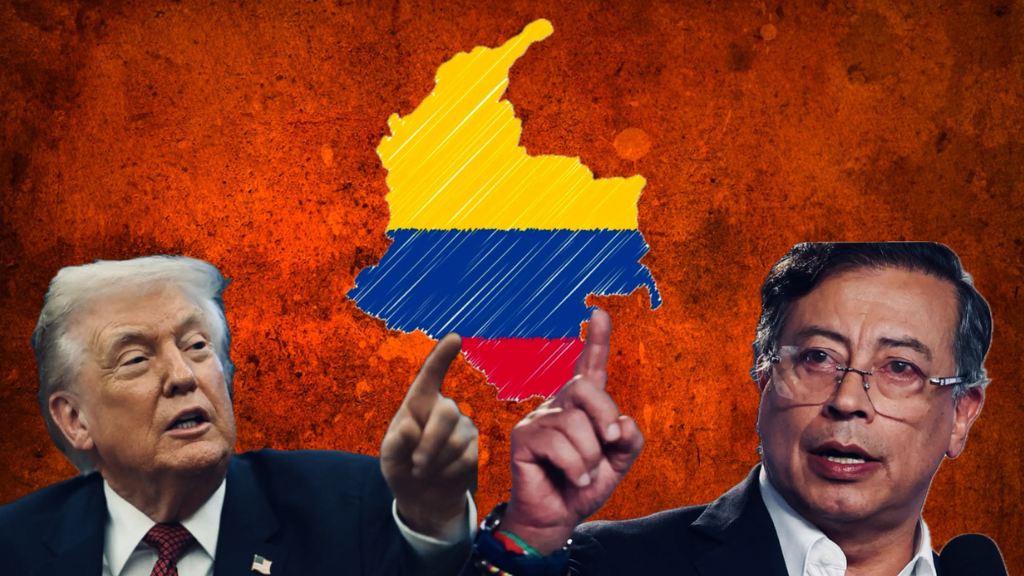
Donald Trump has again taken aim at Colombian President Gustavo Petro, delivering one of his most explicit threats yet when he warned that Petro could be “next” in his administration’s widening anti-drug crackdown. His remarks, delivered during a White House roundtable, underscore just how far the relationship between Washington and Bogotá has deteriorated since Trump returned to office and how drug policy has become the defining fault line between two leaders who have never hidden their contempt for one another.
A Longtime Ally Turned Political Target
For decades, Colombia was the keystone of the United States’ “war on drugs,” receiving billions in aid, training missions, and political backing. That partnership, however, has frayed under Petro, Colombia’s first left-wing president. Petro’s approach has emphasized dismantling criminal networks rather than the forced eradication of coca crops, which he argues punishes poor farmers without tackling the root causes of the trade.
Trump views that shift as a provocation. When asked whether he had spoken to Petro, he responded with characteristic bluntness: Petro was “fairly hostile” to Washington and risked “big problems” if he didn’t “wise up.” Then came the warning that has reverberated from Bogotá to Washington: “He’ll be next.”
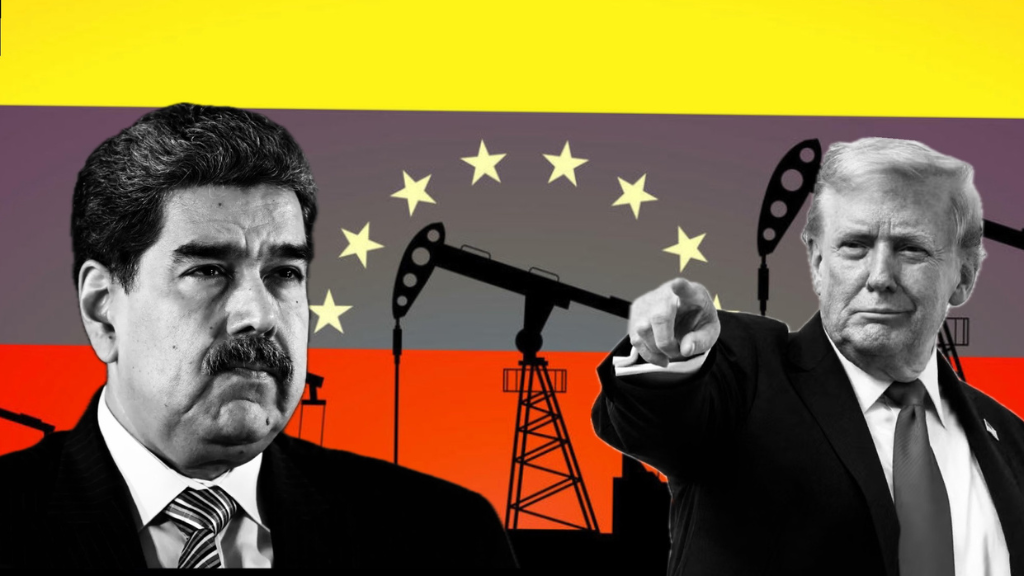
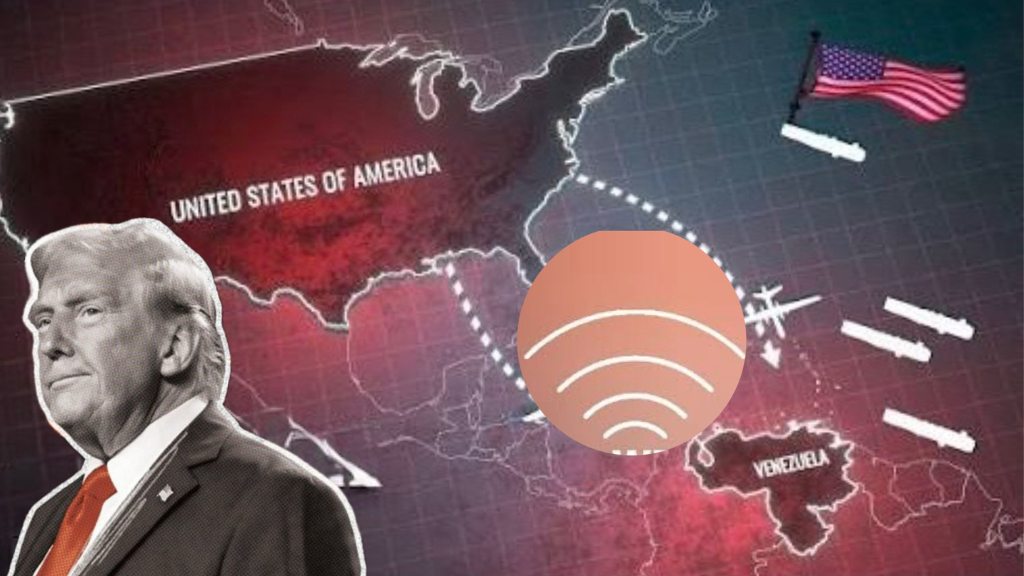
The comment followed Trump’s praise of a U.S. military operation targeting a tanker in the Caribbean, part of his administration’s aggressive sanctions enforcement against Venezuela and Iran. Set against that backdrop, the idea of Colombia becoming “next” in Trump’s crosshairs carried unmistakable weight.
The Drug War That Won’t End
Colombia remains the world’s largest coca producer, with more than 250,000 hectares under cultivation. For Trump, that statistic alone is justification for punitive action. He has repeatedly accused Petro of allowing cocaine production to flourish, and in September his administration went as far as to declare Colombia had “failed demonstrably” in its counternarcotics obligations.
The following month, the U.S. took an extraordinary step: it decertified Colombia’s anti-drug efforts, a measure not used since the late 1990s.
Petro, however, insists the numbers tell a different story. He claims his government has destroyed more than 18,000 drug-processing labs and that Colombia continues to intercept large quantities of narcotics headed for the United States.
In a sharp rebuke to Trump after the December cabinet meeting, Petro reminded Washington of Colombia’s decades of cooperation: “If any country has helped stop thousands of tons of cocaine from being consumed by Americans, it is Colombia.” He also issued his own warning, cautioning Trump not to “awaken the jaguar” by violating Colombian sovereignty.
Threats, Tariffs, and Personal Vendettas
The drug dispute is only one chapter in a much broader conflict between the two leaders. Their clash began as soon as Trump’s second term opened, when Petro protested the mass deportation of migrants from the United States, calling the process abusive and unacceptable. Trump responded with tariff threats—25 percent, rising to 50 and forced Petro to retreat.
Since then, Trump has repeatedly targeted Petro personally. He has derided Petro’s “Total Peace” plan, which seeks negotiated solutions with the armed groups that Colombia has battled for more than half a century. He revoked Petro’s visa during the Colombian president’s visit to New York, issued sanctions that froze his U.S.-based assets, and condemned his appearance at a pro-Palestinian rally. Petro, for his part, has emerged as one of Trump’s most outspoken critics in Latin America.
Bombs at Sea and Rising Casualties
Tensions have reached a new height over Trump’s maritime bombing campaign in the Caribbean and the eastern Pacific. Since early September, the U.S. has carried out strikes on at least 22 vessels, killing nearly 90 people. Trump describes those targeted as traffickers; his administration has provided no public evidence to support the claims.
Among the dead are Colombian citizens. One strike in mid-October allegedly hit members of the ELN rebel group; another left two Colombian survivors. Families of victims have taken their grievances to international bodies, including the Inter-American Commission on Human Rights.
UN human rights experts have condemned the strikes as extrajudicial killings. Petro has gone further, calling them “murder” and a clear breach of Colombian sovereignty.
A Crisis With No Clear Resolution
Trump’s escalating rhetoric combined with military actions and economic pressure has created a volatile moment in U.S.-Colombia relations. What once was a stable, strategic partnership has become an unpredictable battleground, shaped by ideology, clashing narratives about drug policy, and the personal animosity between two presidents who speak in warnings and threats rather than diplomacy.
Petro insists that confrontation is not inevitable, publicly inviting Trump to travel to Colombia and witness the destruction of drug labs firsthand. But Trump’s repeated suggestion that Colombia could be targeted militarily has injected a level of uncertainty unprecedented in the modern relationship.
As both leaders continue to trade accusations, the future of one of the Americas’ most important alliances hangs in the balance caught between Washington’s revived war-on-drugs posture and Bogotá’s attempt to redefine how that war should be fought.