A New Phase of Economic Confrontation
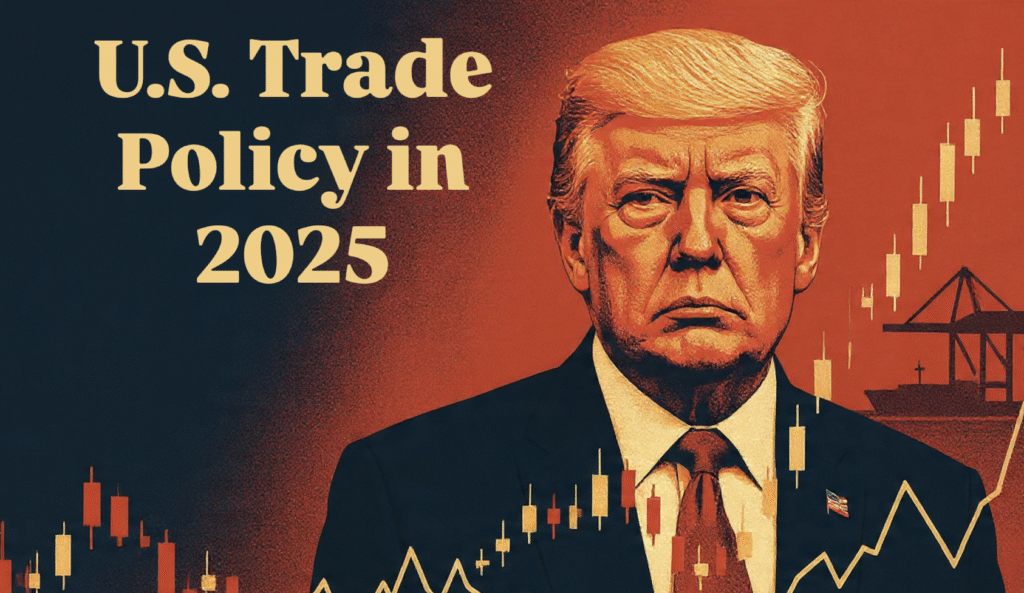
By early 2026, global geopolitics had moved decisively from diplomatic pressure to open economic confrontation. The United States, under President Donald Trump, signaled backing for an aggressive sanctions bill that would authorize tariffs of up to 500 percent on countries continuing to buy Russian energy. While officially framed as a measure to drain Moscow’s war revenues, the proposal has far wider implications. In practice, it places the world’s largest emerging economies—India, China, and Brazil, directly in Washington’s crosshairs.
What is unfolding is not a narrow sanctions dispute but a fundamental clash over who sets the rules of global trade. Energy, currency dominance, and economic sovereignty are now intertwined in a confrontation that risks reshaping the international system.
Weaponizing Trade to Close the Sanctions Gap
The proposed legislation represents a strategic shift in how sanctions are applied. Instead of targeting Russia alone, the bill empowers the U.S. president to punish any country that “knowingly engages” in trade involving Russian oil, petroleum products, or uranium. Supporters argue that Western sanctions have failed to cripple Moscow precisely because energy exports continue to find buyers beyond Europe.
By redirecting pressure toward purchasers rather than producers, Washington aims to close what it views as a critical loophole. Yet the scale of the response is extraordinary. A tariff set at 500 percent would function less as a trade penalty and more as an effective ban, forcing targeted economies to choose between access to U.S. markets and their existing energy strategies.
This approach transforms tariffs into a blunt geopolitical instrument, one that blurs the line between economic policy and economic warfare.
Why India, China, and Brazil Are in the Firing Line
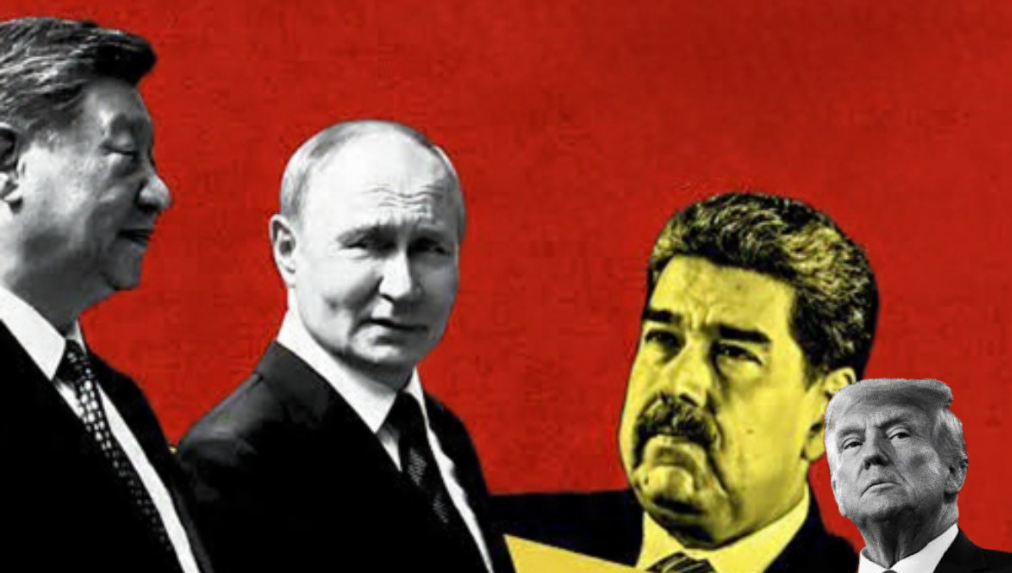
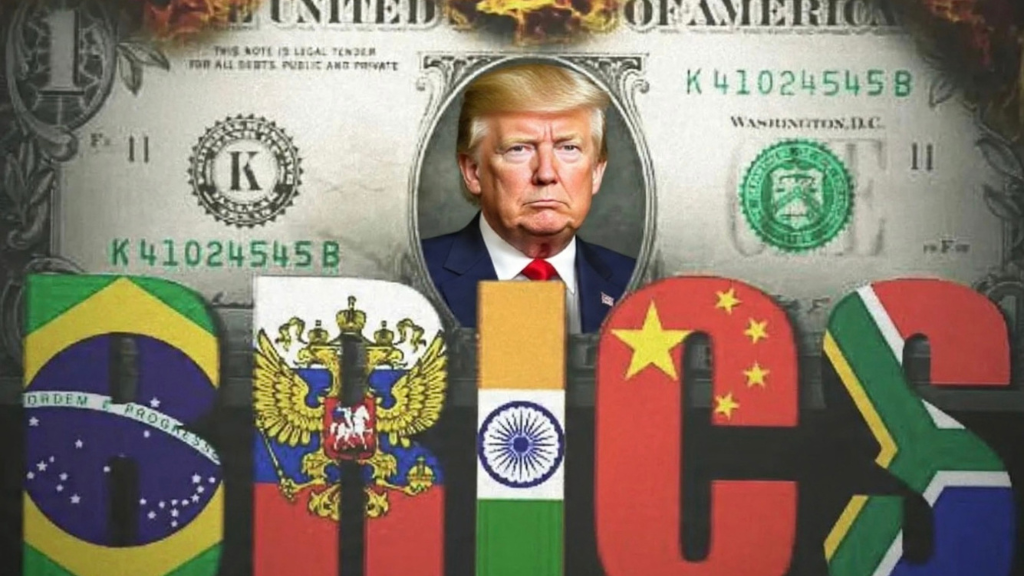
Although the bill is framed as anti-Russia, its real pressure points lie within the BRICS bloc. Since the imposition of Western sanctions, India, China, and Brazil have each deepened energy ties with Moscow, albeit for different reasons.
India has emerged as a major buyer of discounted Russian crude, using lower prices to manage inflation and sustain growth. China has expanded long-term supply agreements as part of a broader strategy to reduce vulnerability to Western-controlled energy routes. Brazil, while importing smaller volumes, aligns politically with BRICS’ emphasis on strategic autonomy and non-alignment.
What truly alarms Washington, however, is not volume alone but how these transactions are conducted.
Trading Outside the Dollar System
An increasing share of BRICS energy trade is being settled outside the U.S. dollar. Local currencies, bilateral swap mechanisms, and alternative payment systems are gradually replacing dollar-based transactions. This shift weakens the traditional enforcement tools that give U.S. sanctions their power.
Sanctions are most effective when trade flows through financial channels the United States dominates. As BRICS economies operationalize parallel systems, that leverage diminishes. The tariff threat, therefore, is not only about punishing Russian oil purchases, it is also an attempt to reassert control over the architecture of global finance.
The Problem of Selective Enforcement
The hardline stance has also exposed uncomfortable contradictions in U.S. policy. While Washington warns other countries against buying Russian energy, it continues to import Russian uranium for its own nuclear power sector under existing waivers. American reactors remain dependent on foreign enrichment services, and domestic alternatives are still years from full-scale deployment.
This selective application of sanctions has not gone unnoticed. Critics argue that enforcement appears driven less by principle than by convenience. Such inconsistencies undermine U.S. credibility and reinforce long-standing BRICS claims that global trade rules are applied unevenly and politicized to serve Western interests.
Beyond Russia: Pressure Expands to Venezuela
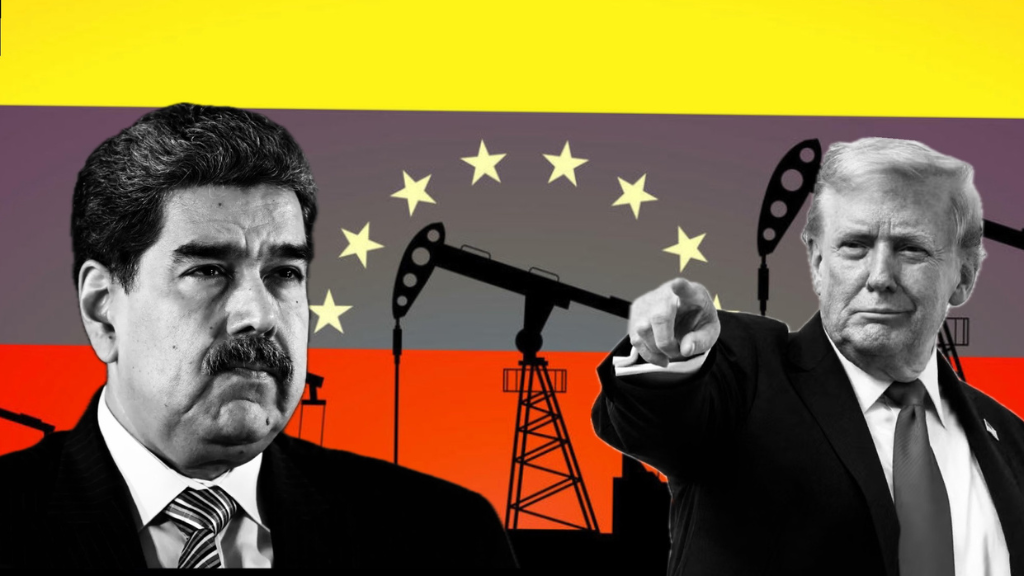
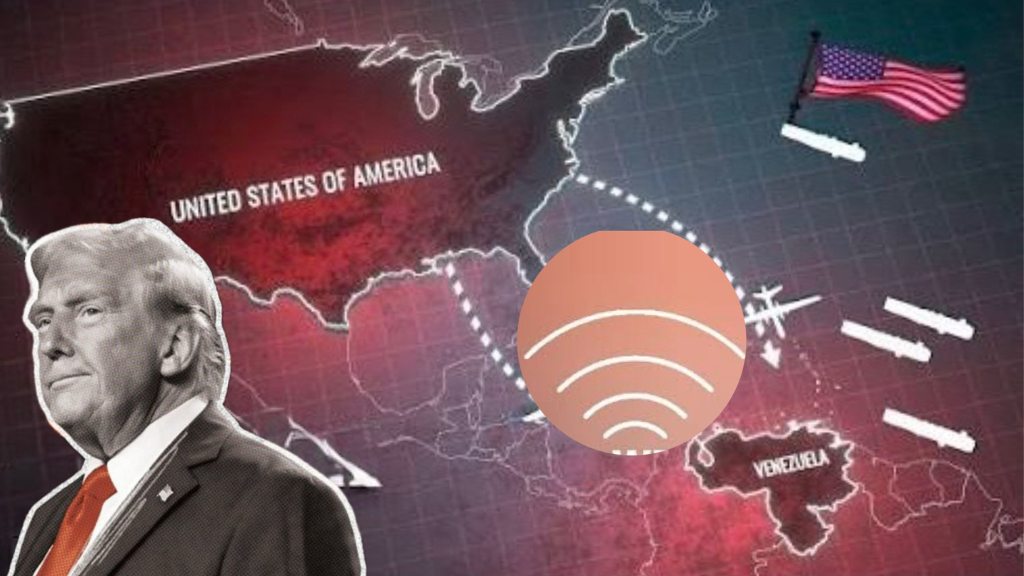
The confrontation has not been limited to Russian energy alone. The United States has simultaneously escalated pressure on Venezuelan oil exports, intercepting or redirecting shipments and issuing warnings against sanctioned flows. These moves directly affect BRICS-linked supply chains, particularly those connected to China.
Despite increased enforcement, shipments continue through alternative routes, flags, and payment systems. Each interception raises the risk of maritime incidents and diplomatic escalation, highlighting the practical limits of unilateral enforcement in a fragmented global environment.
Energy Security as a Strategic Imperative
For BRICS nations, energy policy is not a discretionary matter, it is foundational to economic stability. Rapidly growing economies require reliable, affordable supplies, especially during periods of global volatility. Russian oil offers price advantages and long-term security that cannot easily be replicated elsewhere.
India’s continued investment in Russian energy projects reflects this reality, as does China’s expansion of pipeline networks and shipping infrastructure. These are long-term strategic choices, not short-term tactical maneuvers that can be reversed under external pressure.
The Dollar at the Heart of the Conflict
At its core, the tariff threat is about the future of the U.S. dollar’s central role in global trade. Washington’s sanctions regime relies on dollar dominance to function. As BRICS countries reduce dependence on the dollar, that power erodes.
The threat of extreme tariffs appears designed to deter not only Russian energy trade but also the broader movement toward de-dollarization. Yet coercion carries risks. Rather than halting this shift, aggressive measures may accelerate the creation of alternative financial ecosystems beyond U.S. influence.
Toward a Fragmented Global Economy
If implemented, the proposed tariffs would likely provoke retaliation, disrupt global supply chains, and intensify inflationary pressures. Instead of isolating Russia, the strategy risks alienating large parts of the Global South and deepening economic polarization.
What is emerging is a world divided into competing blocs, each with its own trade norms, payment systems, and strategic priorities. The 500 percent tariff threat marks a decisive escalation, turning sanctions from a diplomatic tool into an instrument of systemic confrontation.
As 2026 unfolds under India’s BRICS presidency, the central question is no longer whether tensions will rise. It is whether the global economic system can withstand this collision between American economic power and a rapidly consolidating multipolar order, without sliding into a prolonged trade and financial war.