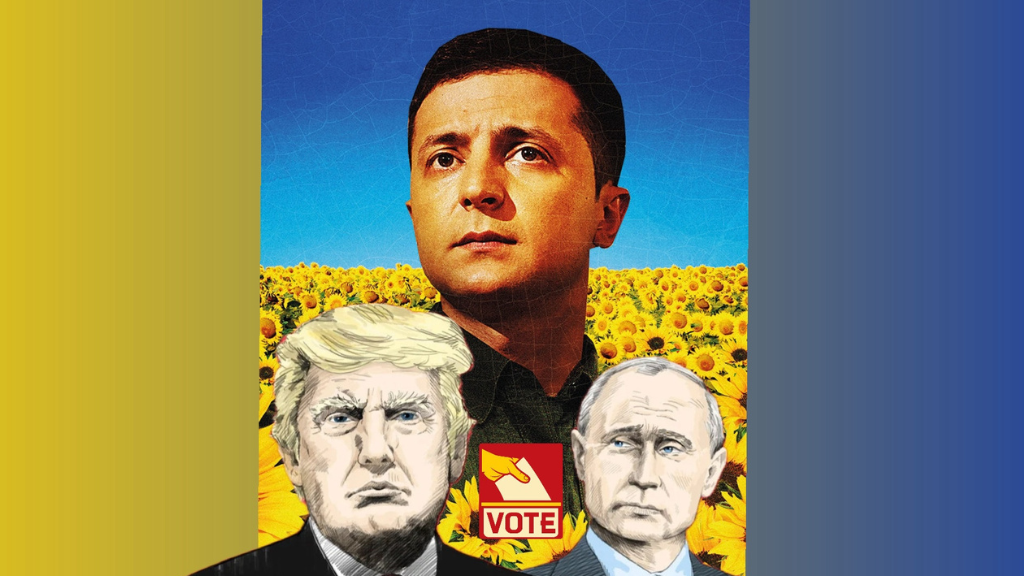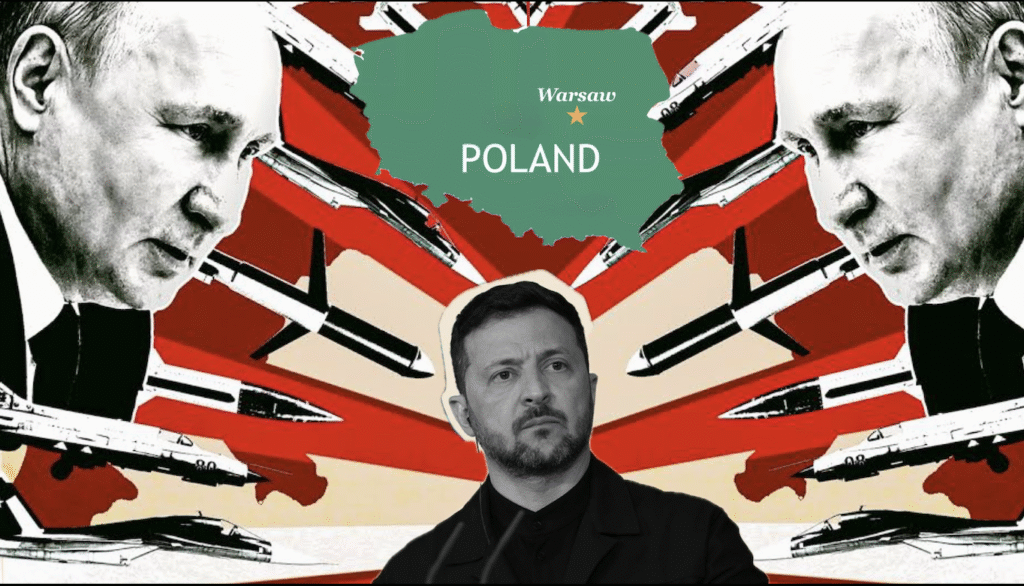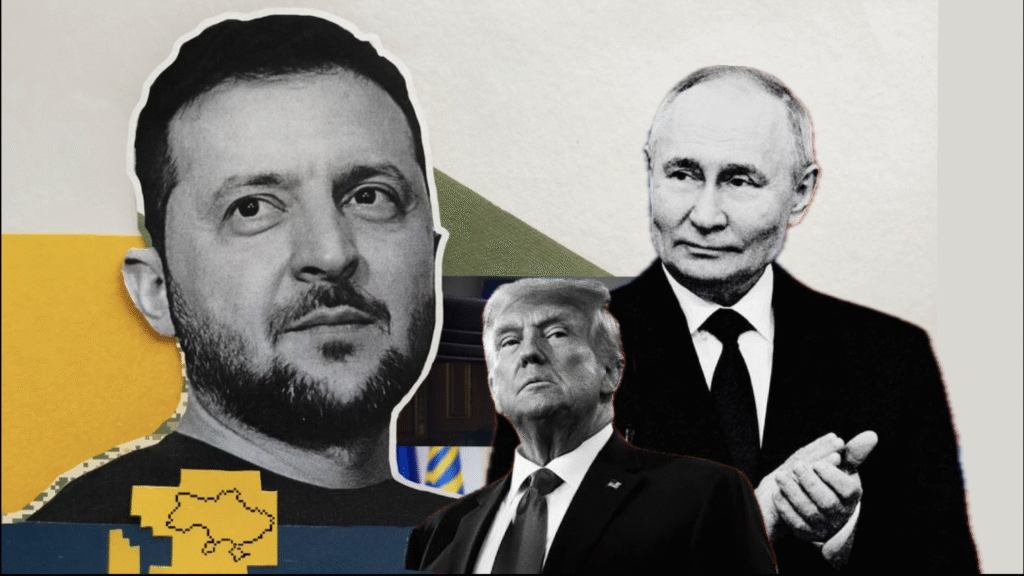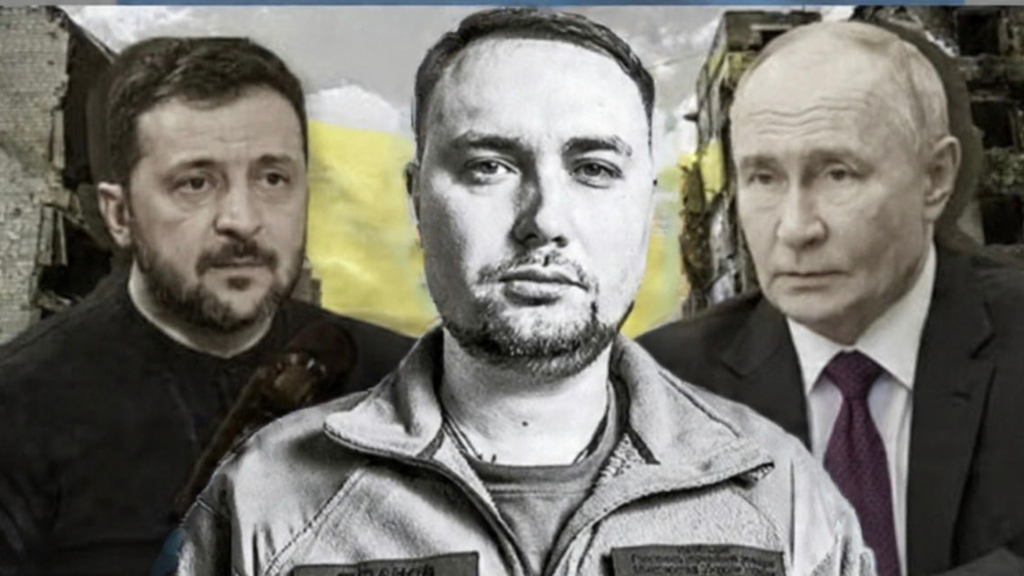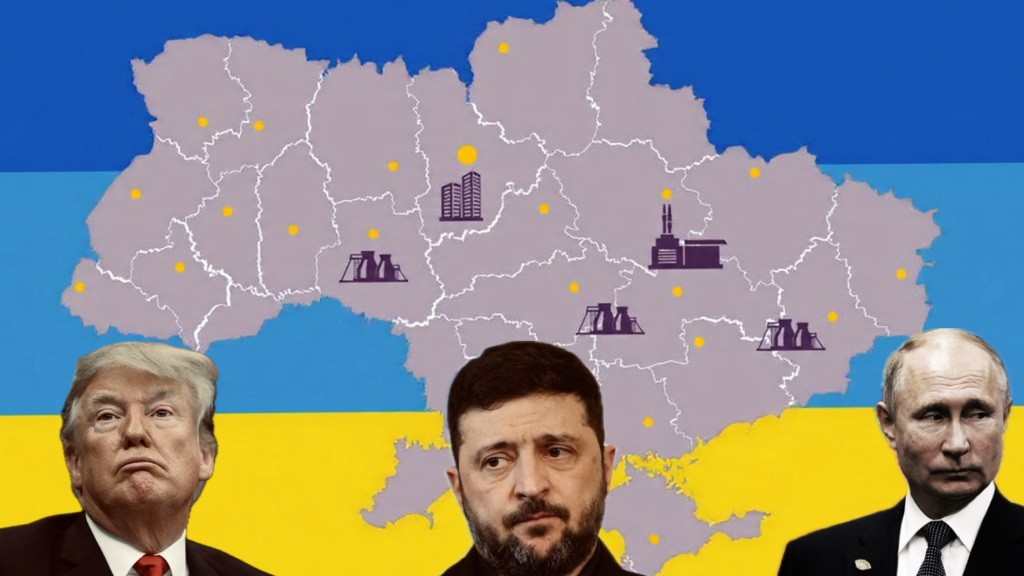
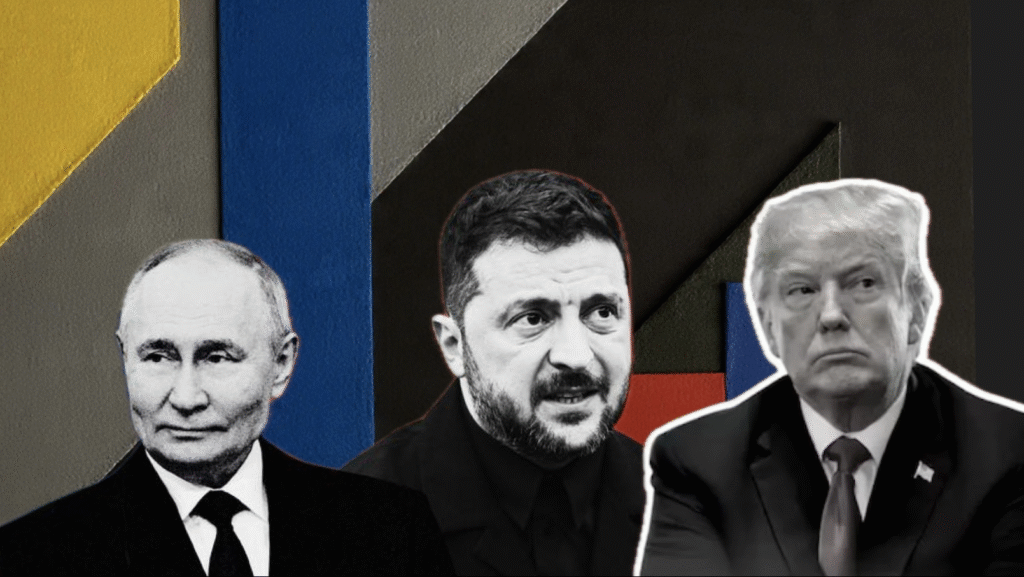
U.S. President Donald Trump has declared that the long and grinding war between Russia and Ukraine may be closer to an end than at any point since the conflict began. Speaking after a high-profile meeting with Ukrainian President Volodymyr Zelensky on Sunday, Trump said the two sides are “closer than ever” to a peace deal, claiming that roughly 95 percent of the issues have already been settled.
The remarks come as Trump intensifies a diplomatic push that has placed Washington back at the center of negotiations, though not without controversy, uncertainty, and political risk for all involved.
A Diplomatic Push at a Critical Moment
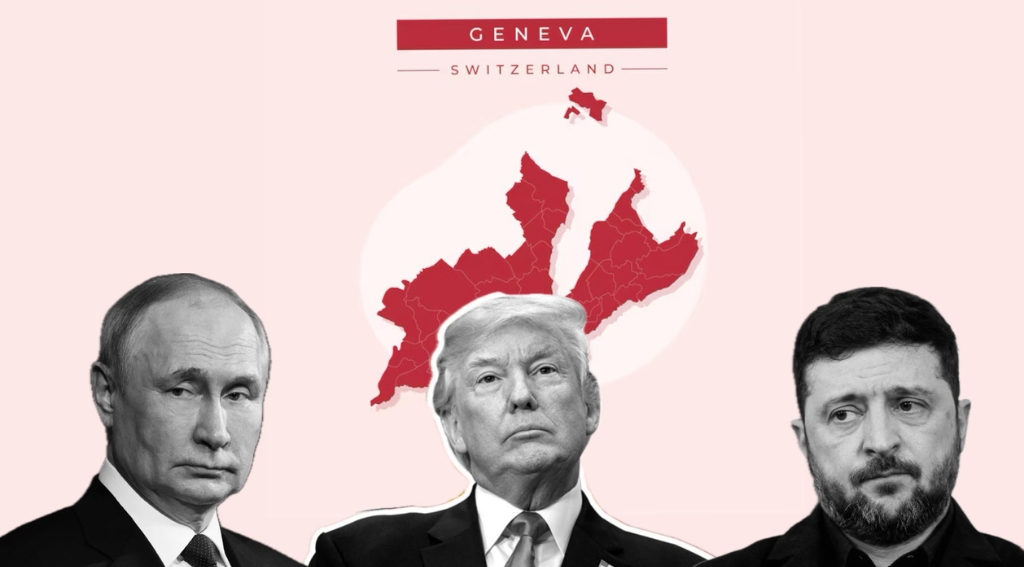
Trump’s meeting with Zelensky took place against the backdrop of mounting fatigue over the war, both in Europe and the United States. Just two hours before hosting the Ukrainian leader, Trump spoke by phone with Russian President Vladimir Putin, discussing what he described as a U.S.-backed peace framework.
According to Russian officials, the call lasted over an hour and was initiated by Trump himself. Kremlin foreign policy adviser Yuri Ushakov characterized the conversation as cordial, noting that Trump listened carefully to Putin’s assessment of the negotiations. Ushakov added that both leaders shared the view that Ukraine must make a decision on the disputed Donbas region “without delay.”
Trump’s willingness to engage both sides directly has become a defining feature of his approach—one that differs sharply from the more alliance-driven strategy pursued by the Biden administration.
The Core of the Deal: Progress and Painful Trade-Offs
At the heart of the talks is a 20-point framework agreement that Zelensky says is largely settled. During a joint briefing after their three-hour meeting, one that also included a conference call with European leaders, Zelensky stated that 95 percent of the framework had been agreed upon. He added that the accompanying security guarantees were “100 percent agreed,” a claim Trump quickly adjusted, saying they too were 95 percent complete.
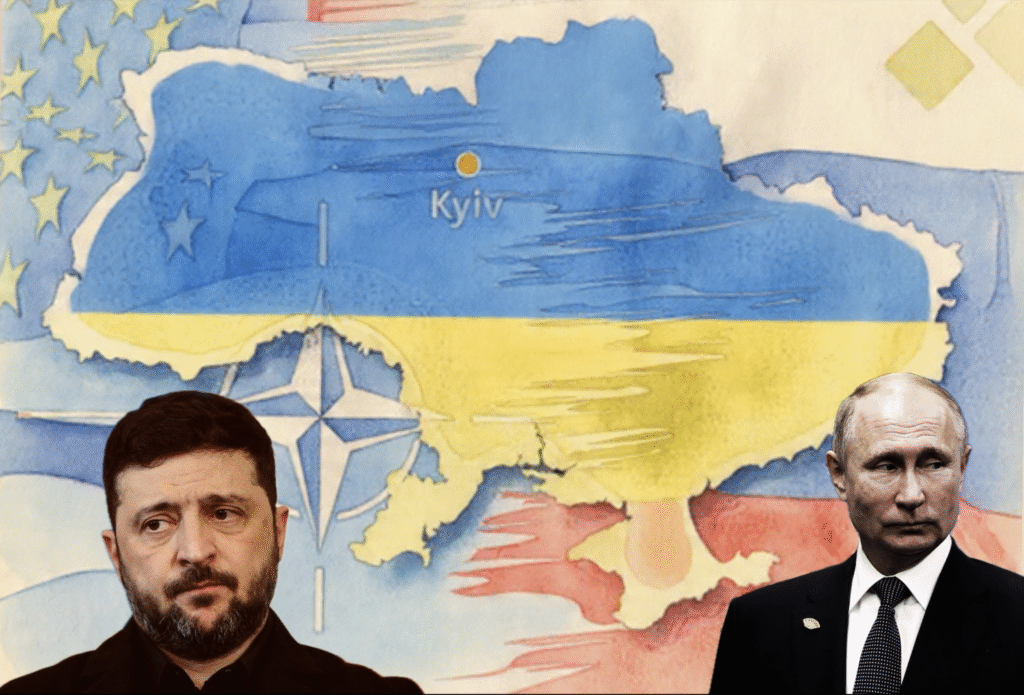
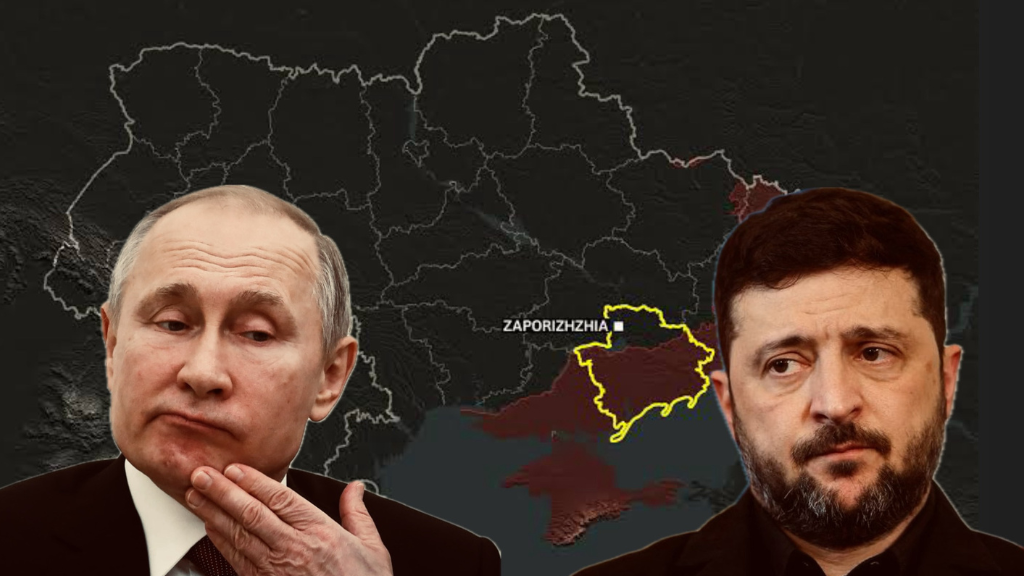
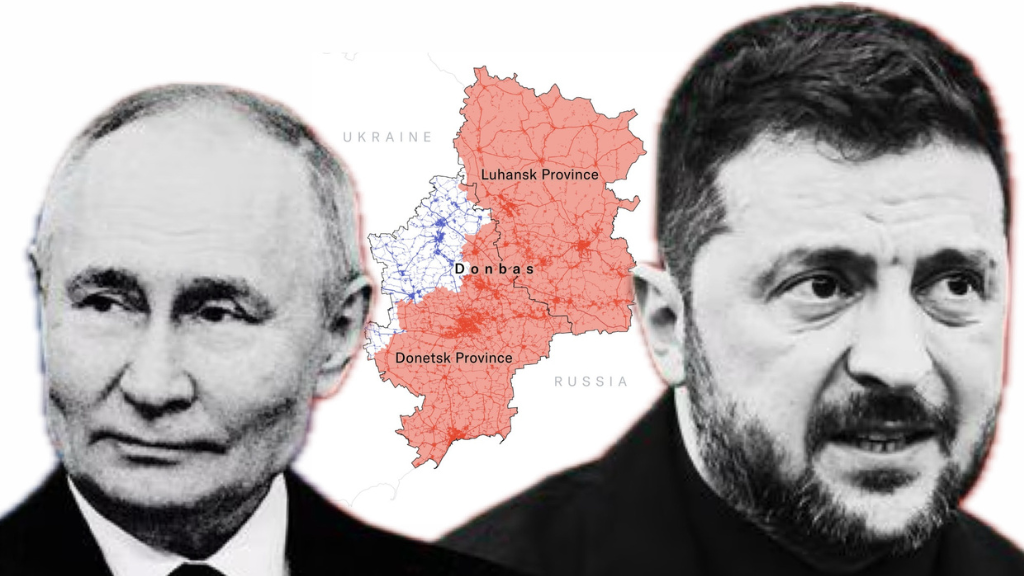
Despite this apparent convergence, one issue continues to loom large: territory. Trump acknowledged that Russian demands in the Donbas region remain the most contentious element of the negotiations. While unresolved, he insisted the gap is narrowing.
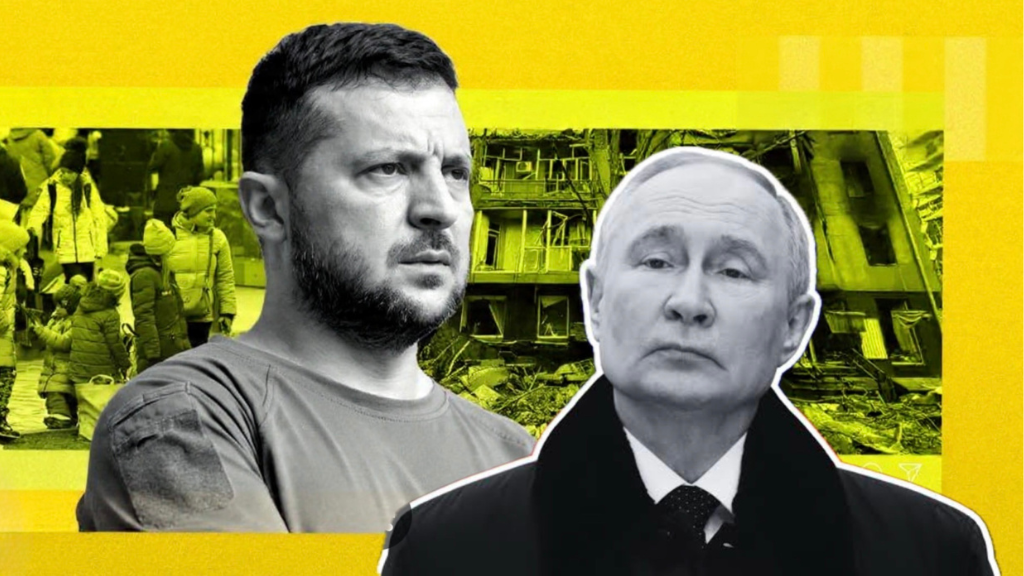
For Ukraine, the stakes could not be higher. Trump’s plan reportedly requires Kyiv to make significant territorial concessions in Donbas, a region bordering Russia that has been at the center of the conflict since 2014. Zelensky has made clear that such concessions would be politically explosive at home.
Zelensky’s Red Line: A Ceasefire and a Referendum
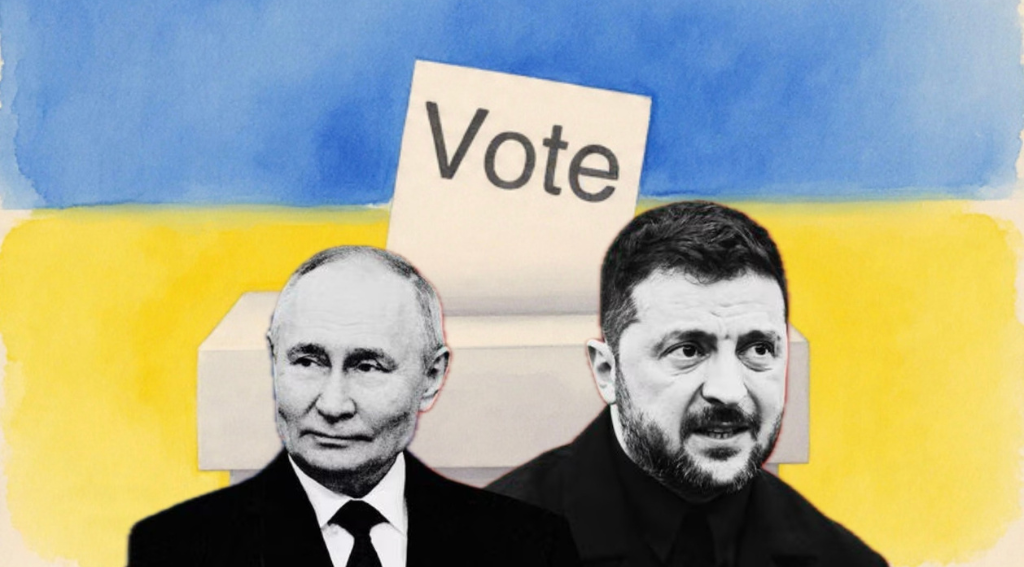
Zelensky has floated a proposal aimed at addressing both domestic legitimacy and security concerns. He has said he would be willing to put the peace plan to a national referendum—but only if Russia agrees to a ceasefire lasting at least 60 days.
According to Zelensky, this pause is essential not just for preparing and holding the vote, but for ensuring basic security. Without a ceasefire, he argued, Ukrainians would be unable to campaign or vote freely, rendering the result illegitimate. The 60-day window, he stressed, is a minimum requirement.
Trump, however, suggested that Putin is not interested in a temporary ceasefire, preferring instead to finalize a deal that formally ends the war. “I understand that position,” Trump said, adding that negotiators are trying to find ways to bridge that gap.
Behind the scenes, Russian officials have dismissed the idea of a referendum-linked ceasefire, arguing it would only prolong the conflict—an assessment Ushakov claimed Trump privately understood.
Selling Peace at Home and Abroad
Trump has framed legitimacy as a central pillar of any agreement. He said the deal would need to be approved either by Ukraine’s parliament or through a national referendum. In a striking offer, Trump said he would even be willing to address the Ukrainian parliament directly to help “sell” the agreement.
This emphasis reflects an awareness of the political reality Zelensky faces. Any perception that Ukraine is being pressured into territorial concessions without public consent could destabilize his leadership and fracture domestic unity.
At the same time, Trump has repeatedly emphasized that the final deal would include “strong security guarantees” for Ukraine, though he has so far declined to specify what those guarantees would look like or who would enforce them.
Optimism, With Caution
Publicly, Trump struck an upbeat tone. Greeting Zelensky on the steps of Mar-a-Lago, he told reporters that both the Ukrainian leader and Putin want a peace deal and that negotiations are in their final stages. “We are very close,” Trump said, repeating the phrase during the later briefing.
Zelensky echoed the sense of progress, while stopping short of declaring victory. His comments suggested a careful balancing act: signaling openness to compromise while keeping pressure on negotiators to improve terms, particularly on territorial issues.
Still, neither side is claiming the deal is done. Trump himself acknowledged the uncertainty ahead, saying it could take weeks to resolve the remaining issues and that failure remains possible. “It is possible it doesn’t happen,” he said. “In a few weeks we will know.”
What Comes Next
Both leaders confirmed that further negotiations will take place in January in Washington, D.C., involving the United States, Ukraine, and European partners. These talks are expected to focus on finalizing the remaining gaps, particularly around Donbas and the structure of long-term security guarantees.
Whether Trump’s confidence proves justified remains an open question. What is clear is that the process has reached a decisive phase. After years of war, the outlines of a possible settlement are now visible—but so too are the political, territorial, and strategic risks that could still derail it.
For now, the world is watching to see whether “closer than ever” finally means close enough.