A Political Idea Re-Emerges
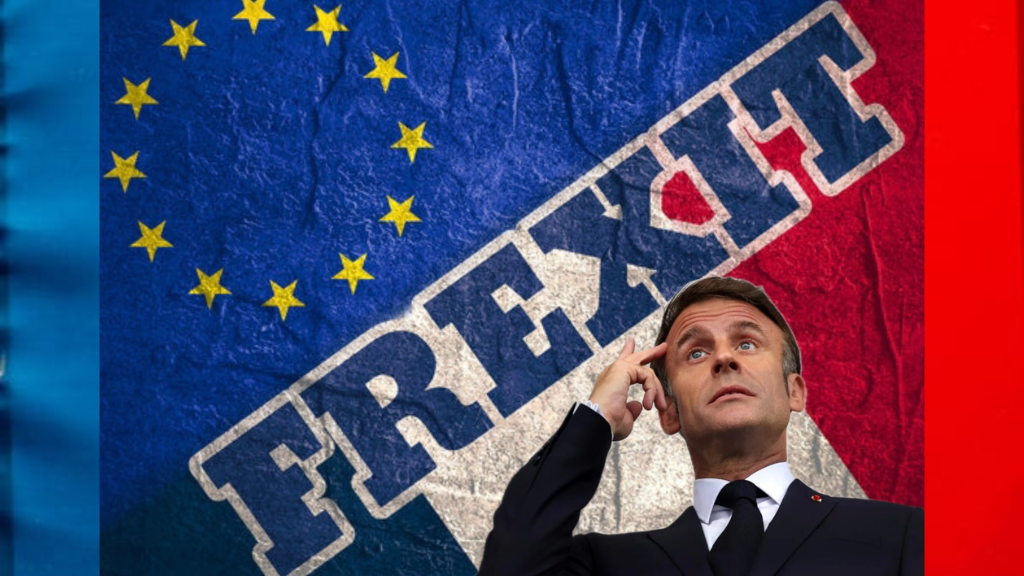
For years, the idea of France leaving the European Union seemed politically radioactive. Brexit had exposed the economic and bureaucratic costs of withdrawal, and French voters repeatedly rejected parties that openly called for an exit. Yet in recent months, the language of “Frexit” has begun to re-enter political debate, driven less by ideological Euroscepticism and more by mounting social and economic pressure.
This revival does not mean France is preparing to leave the EU tomorrow. It does, however, signal a deeper problem: a growing gap between EU-level policymaking and the lived economic experience of ordinary citizens, particularly in rural and industrial regions.
Farmers and the Trade Backlash
At the center of the current unrest are farmers. Protests across France have targeted EU trade policy, environmental rules, and competition from imports produced under looser standards. Demonstrators argue that agreements such as the proposed EU-Mercosur trade deal would expose them to unfair competition from South American producers while imposing costly regulatory burdens at home. Rising fuel prices, stricter emissions rules, and volatile food markets have only intensified these grievances.
What makes these protests politically potent is that they are not confined to fringe movements. While Frexit rhetoric is being amplified by sovereigntist parties, sympathy for farmers’ demands extends well beyond hardline Eurosceptics. Many voters who still support EU membership nevertheless believe that Brussels has become disconnected from local economic realities. In this sense, Frexit is less a concrete policy goal than a symbol of frustration.
Germany’s Unrest and Europe’s Economic Squeeze
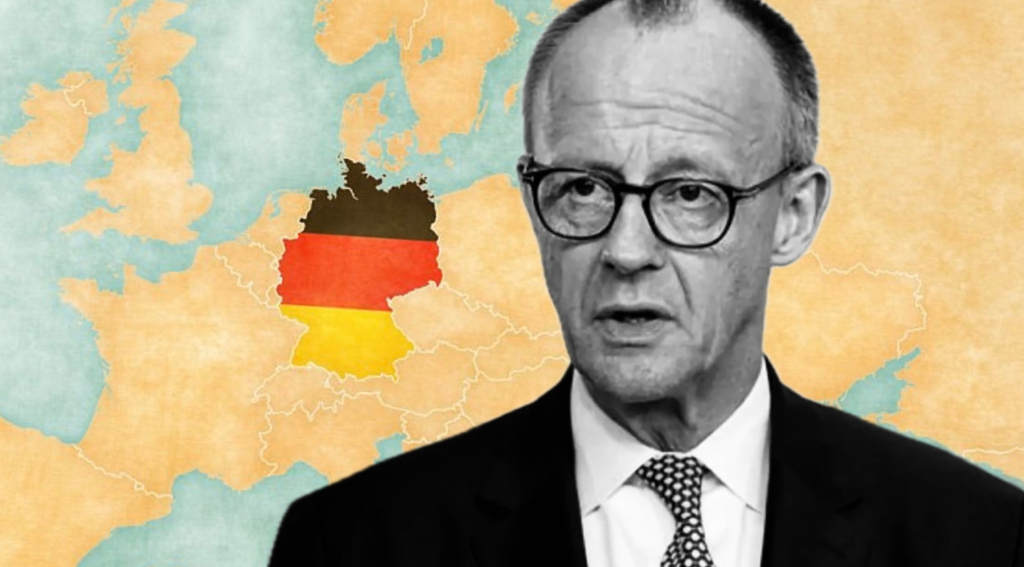
France’s situation reflects a broader European pattern. Germany, traditionally the EU’s economic stabilizer, is facing its own wave of labor unrest. Large-scale transport strikes and public sector walkouts have exposed tensions created by high inflation, weak growth, and budget tightening. These disputes are domestic in nature, but they interact with EU-wide constraints on fiscal policy and energy strategy.
Together, these developments undermine one of the EU’s central political narratives: that integration delivers stability and shared prosperity. For much of the post-Cold War period, the European project rested on the promise that economic openness and political coordination would protect citizens from market shocks. Today, many Europeans associate the EU not with protection but with exposure to global competition, to regulatory pressure, and to geopolitical costs linked to war and sanctions.
The Ukraine War and Rising Public Costs
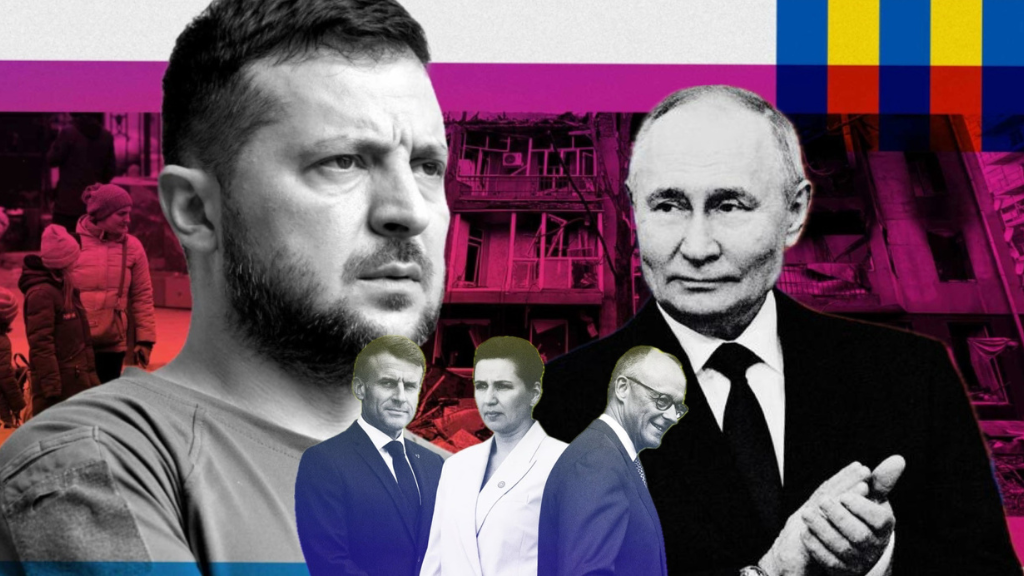
The war in Ukraine has intensified this perception. European governments have committed substantial financial and military resources to Kyiv, while simultaneously absorbing higher energy prices and rising defense budgets. These choices are strategically defensible, but they carry domestic consequences. Voters in countries already struggling with stagnant wages and high living costs increasingly ask why sacrifices appear permanent while benefits remain abstract.
This creates fertile ground for nationalist narratives. Frexit advocates frame EU membership as a loss of sovereignty, arguing that French agriculture, industry, and migration policy are being shaped by distant institutions rather than elected national authorities. Whether or not this claim holds up in legal terms is beside the point politically. What matters is that the perception resonates.
Exit Threat or Political Leverage?
Yet the return of Frexit rhetoric does not necessarily indicate that France is on the verge of leaving the Union. The economic risks of exit remain obvious. France benefits from the single market, the euro, and EU subsidies, especially in agriculture. Withdrawal would disrupt trade, financial markets, and diplomatic influence. Unlike Britain, France is deeply embedded in EU decision-making structures, making separation far more complex.
Instead, Frexit functions as leverage. It is a threat used to push for renegotiation of rules rather than abandonment of the system. Farmers demand protection from imports. Workers want insulation from inflation. National politicians seek flexibility on spending and regulation. All of these pressures converge on the EU’s institutional model, which was designed for gradual harmonization, not constant crisis management.
Centralization Versus Sovereignty
This raises a fundamental question about the future of integration. Can the EU adapt to sustained economic stress without centralizing more power? Or will attempts at stronger coordination only fuel further backlash? The dilemma is structural. Crises push member states toward collective action, but collective action reduces national discretion, which in turn provokes resistance.
France sits at the heart of this contradiction. As one of the EU’s founding members and leading political actors, it cannot easily position itself as an outsider. Yet its domestic politics increasingly reward leaders who promise to “stand up to Brussels.” This dual role; insider and critic gives French debates disproportionate influence over the direction of the bloc.
Lessons From Past Crises
Historically, the EU has survived similar moments. The eurozone crisis, the migration surge of 2015, Brexit, and the pandemic all produced predictions of collapse. Each time, institutional compromise preserved the system, albeit at the cost of public trust. The current unrest fits this pattern. It is not a collapse scenario, but it is a legitimacy problem.
If Frexit is gaining rhetorical traction, it is because economic policy is once again becoming political. Trade, climate rules, and war spending are no longer technical issues handled quietly in Brussels. They are felt directly in fuel bills, food prices, and wages. When integration produces visible costs without equally visible protections, symbolic exit movements gain appeal.
A Warning for the European Project
The real danger, therefore, is not that France will leave the EU, but that the Union will become trapped between deeper centralization and louder resistance. If policymakers respond only with technocratic fixes, the political space for radical narratives will widen.
Frexit’s return should be understood less as a countdown to withdrawal and more as a warning sign. It reflects a Europe struggling to reconcile unity with diversity, and long-term strategy with short-term hardship. Whether the EU emerges strengthened or fragmented will depend on whether it can show that integration still delivers tangible benefits not just for markets, but for citizens.
In that sense, Frexit is not about France alone. It is about the future credibility of the European project itself.