Moscow Warns Against NATO’s Shift From Support to Presence
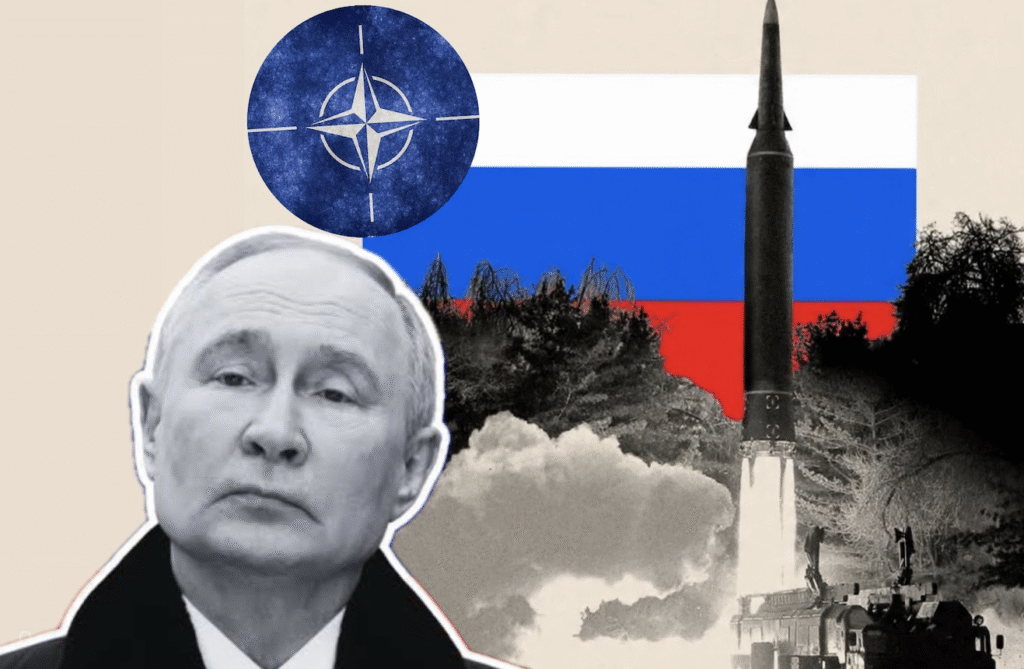
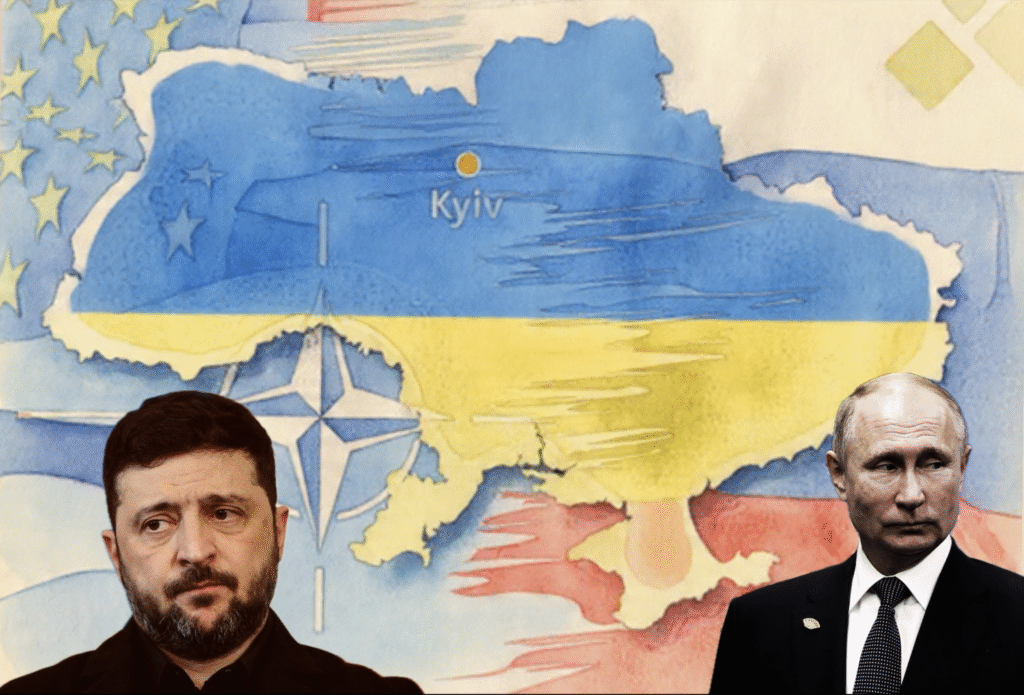
Tensions between Russia and the North Atlantic Treaty Organization (NATO) are once again sharpening, as Russian officials accuse the Western alliance of laying the political groundwork for a deeper military role in Ukraine. The latest warning came from Leonid Slutsky, a senior Russian lawmaker and chair of the State Duma’s foreign affairs committee, who directly targeted NATO Secretary General Mark Rutte for what he described as the deliberate construction of a false pretext for intervention.
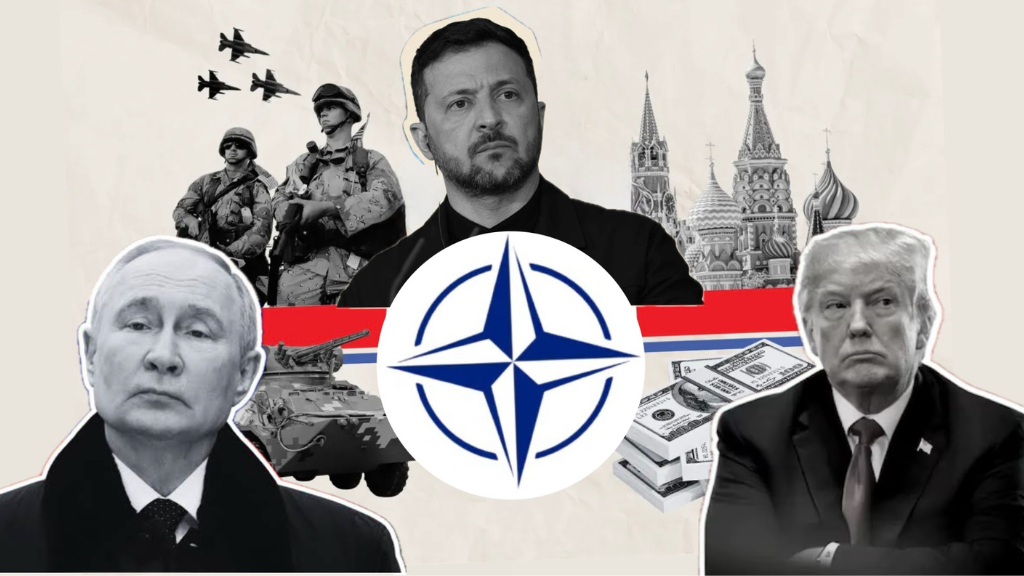
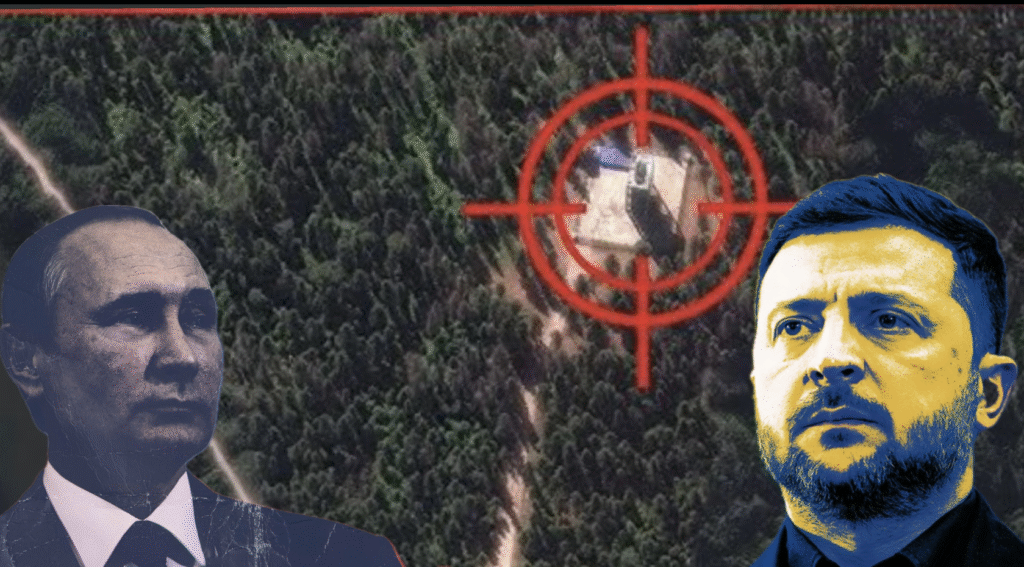
Slutsky’s remarks reflect a broader Russian narrative that NATO’s posture toward Ukraine is no longer defensive but preparatory. According to him, any deployment of European troops whether framed as peacekeeping, training, or security assistance would be interpreted by Moscow not as a stabilising measure, but as the establishment of an “enemy stronghold.” Such forces, he warned, would be treated as legitimate military targets.
Red Lines and Escalation Risks
This language is deliberately stark. By framing European troops as hostile assets rather than neutral actors, Russian officials are drawing a red line meant to deter NATO capitals from crossing the threshold from indirect support to physical presence on Ukrainian soil. Moscow’s position has been consistent on this point: while arms deliveries are condemned, foreign troops would mark an escalation with far more dangerous consequences.
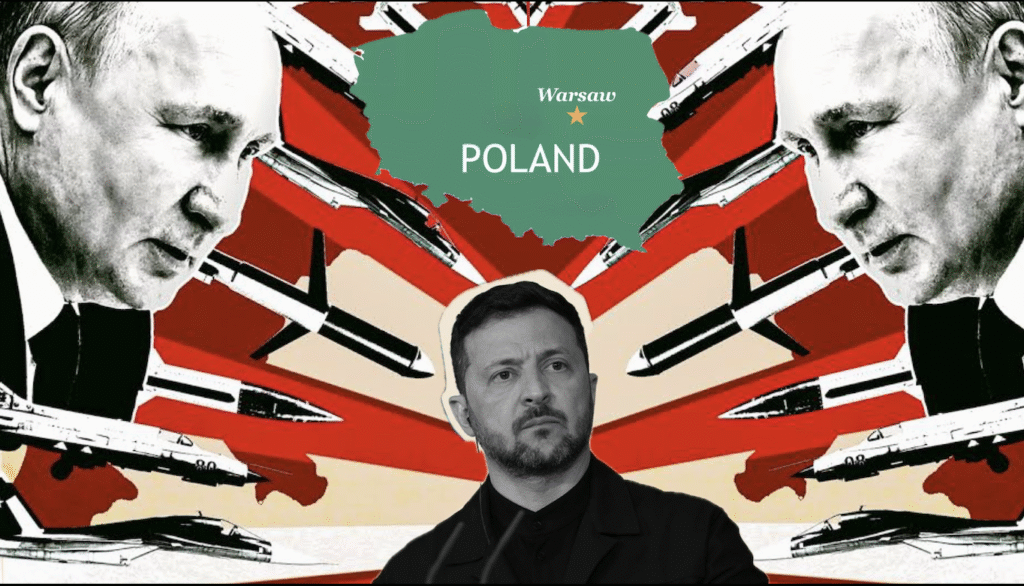
The Kremlin has paired these warnings with a rejection of Western claims that Russia harbours plans to expand the war beyond Ukraine. President Vladimir Putin has repeatedly dismissed assertions that Moscow intends to attack NATO countries or Europe more broadly, calling such arguments provocative and politically motivated. In his telling, the narrative of an imminent Russian assault serves primarily to justify increased military spending, force posture changes, and deeper Western involvement in the conflict.
Competing Narratives on European Security
From Moscow’s perspective, this is not merely about Ukraine but about the strategic balance in Europe. Russian officials argue that NATO is using worst-case scenarios to normalise extraordinary measures forward deployments, expanded exercises, and now, potentially, troop presence in a non-member state at war.
On the other side of the divide, Western military leaders are speaking with increasing urgency. Britain’s top military commander recently urged greater readiness, warning that the risk of escalation can no longer be treated as hypothetical. Such statements are often framed as precautionary, aimed at deterrence rather than confrontation. Yet in Moscow, they are read as confirmation that NATO is preparing for a wider conflict, even if publicly it denies any intent to fight Russia directly.
Political Uncertainty and the Diplomacy Gap
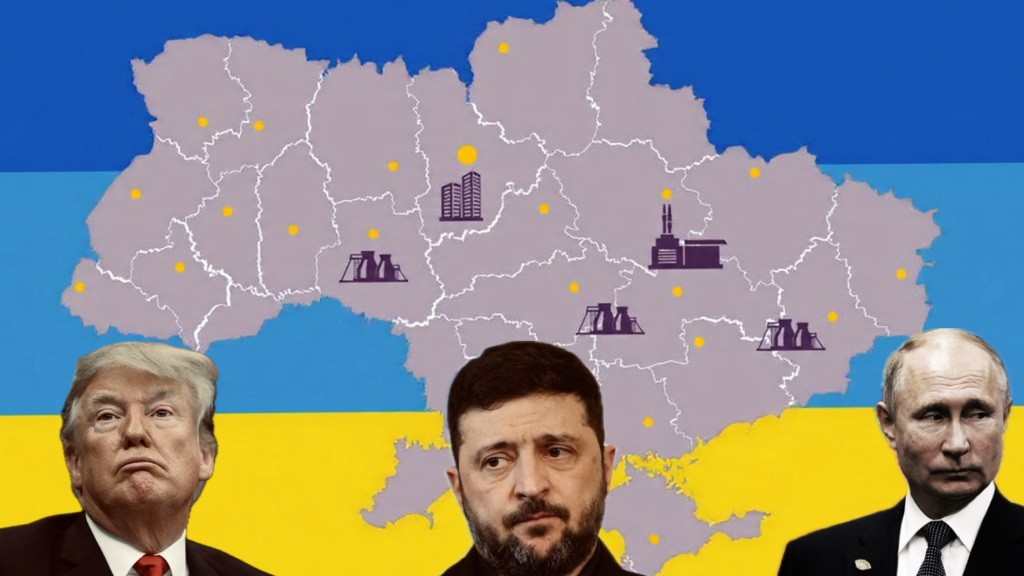
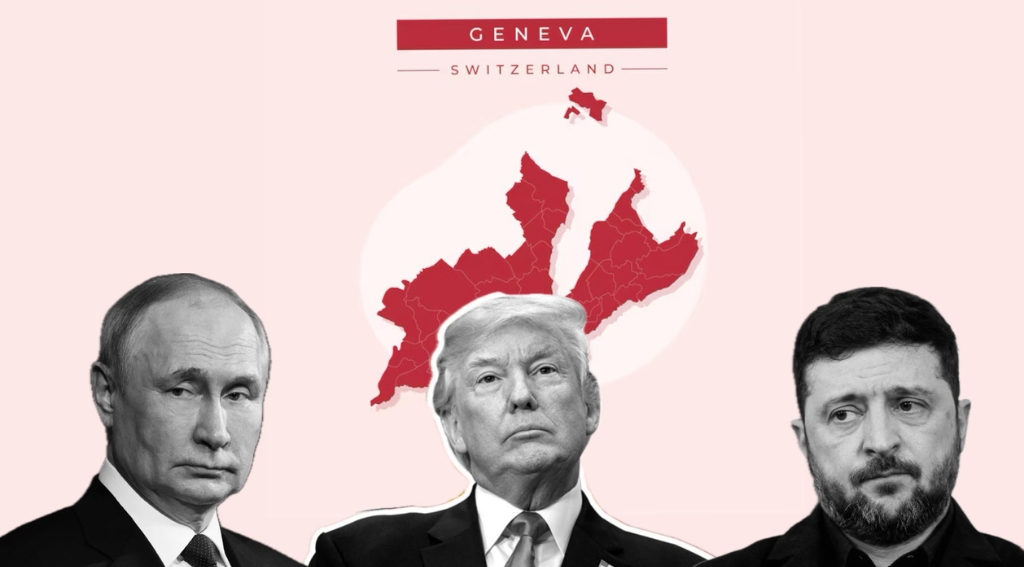
The political context complicates matters further. In the United States, President Donald Trump has been pushing for diplomacy and negotiations to end the war, injecting uncertainty into NATO’s long-term strategy. While Trump’s calls for talks resonate with war-weary publics, they also unsettle European allies who fear a reduced American commitment. For Russia, this divergence within the Western camp is both an opportunity and a risk: a chance for diplomacy, but also a source of unpredictability.
What emerges from this latest exchange is a familiar but increasingly volatile pattern. NATO insists its actions are reactive, defensive, and driven by Russian aggression. Moscow insists the West is manufacturing threats to justify deeper intervention. Each side frames the other as the escalator, leaving little room for de-escalation without a visible climbdown.
A Narrowing Margin for Error
The danger lies less in any single statement than in the cumulative effect of rhetoric hardening into policy. As lines are drawn more sharply over troops, territory, and intent the space for miscalculation narrows. In that environment, even moves presented as symbolic or precautionary can be read as existential threats.
For now, no European troops are officially deployed in Ukraine. But the fact that the debate has shifted from whether such a move is unthinkable to how it would be interpreted speaks volumes about how far the confrontation has already advanced. Whether diplomacy regains ground, or deterrence logic continues to dominate, will shape not only the future of Ukraine but the security architecture of Europe itself.