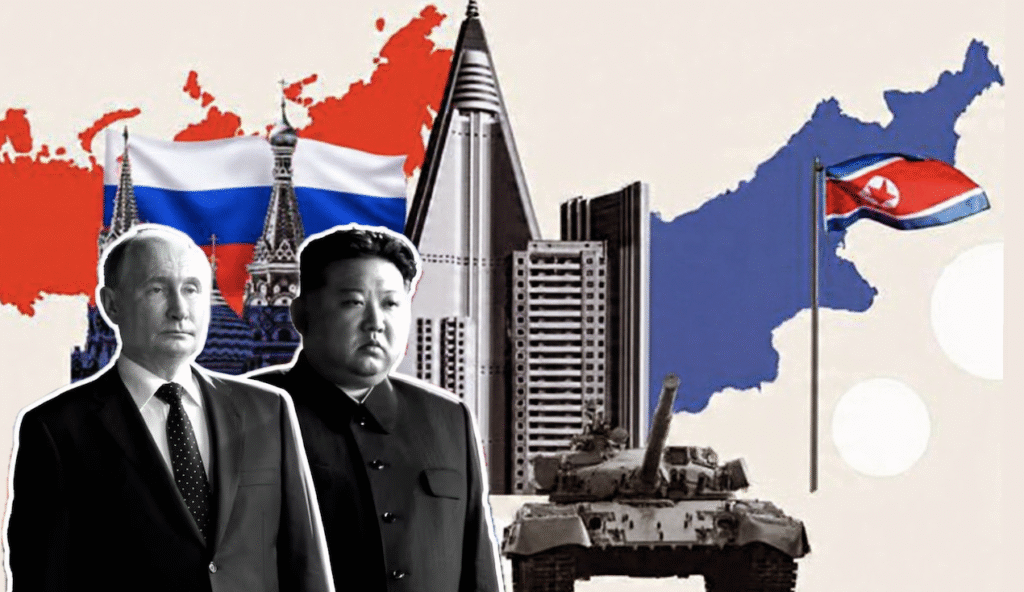
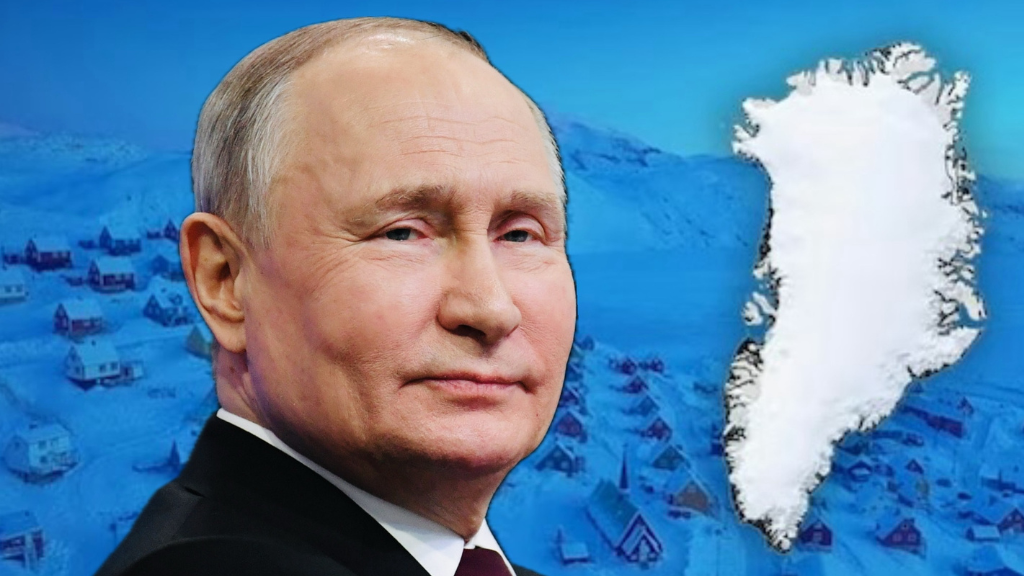
Russia has warned that it will take decisive action if Western nations expand their military presence in Greenland, underscoring rising tensions over the Arctic island’s strategic significance. Foreign Minister Sergei Lavrov delivered the warning during remarks to Russian lawmakers, stating that Moscow would not ignore developments it perceives as a threat to its national security.
Lavrov’s comments come at a time when geopolitical interest in the Arctic has intensified, with global powers increasingly focused on the region’s security and economic potential.
Moscow’s Warning on Militarisation
Speaking before members of Russia’s parliament on Wednesday, Lavrov said that any attempt to militarise Greenland or establish military infrastructure directed against Russia would trigger what he described as “adequate countermeasures.” These, he added, could include military-technical steps designed to safeguard Russian interests.
While he did not provide specific details on what those countermeasures might entail, the statement signals Moscow’s readiness to respond firmly to any perceived shift in the Arctic security balance. Russia has consistently maintained that the region should remain an area of cooperation rather than confrontation, but it has also expanded its own military capabilities in the Arctic in recent years.
Lavrov framed the issue as one of strategic stability, suggesting that actions taken by Western nations could upset the existing balance and force Russia to react.
Western Deployments Draw Attention
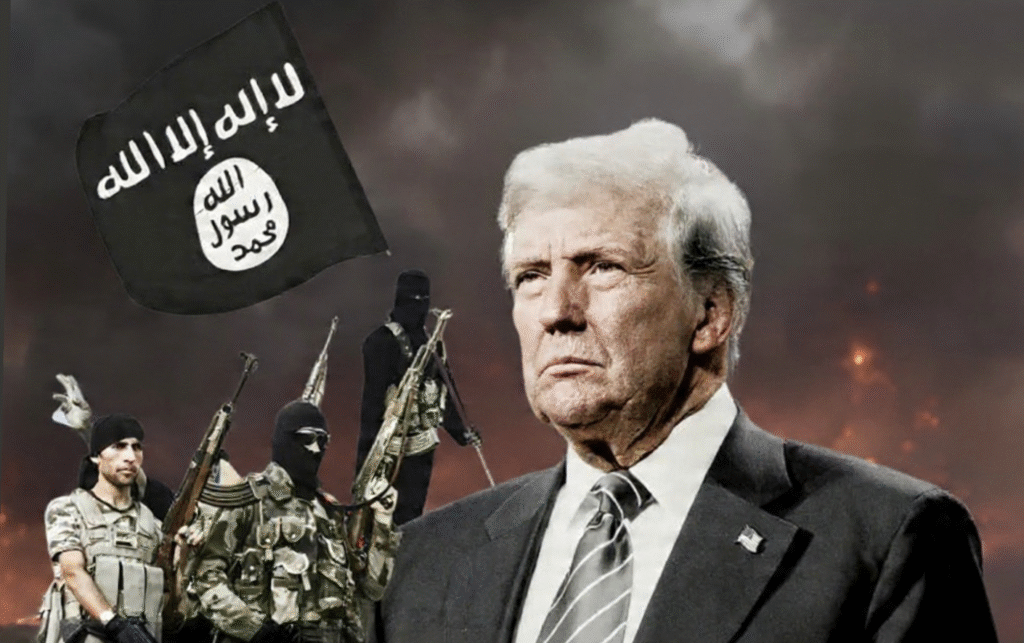
The warning follows reports that several European countries have deployed small contingents of troops to Greenland in recent weeks. The deployments come amid heightened attention on the Arctic, particularly after repeated remarks by U.S. President Donald Trump expressing interest in bringing Greenland under American control.
Although the troop deployments have been described as limited in scope, they have attracted scrutiny from Moscow, which views any expansion of Western military activity near its borders with caution.
Greenland’s geographic position makes it strategically significant. Located between North America and Europe, the island plays a key role in Arctic shipping routes and is seen as important for missile defence and early-warning systems. As melting ice opens new maritime corridors and access to natural resources, competition for influence in the Arctic has grown.
Trump’s Interest in Greenland
Interest in Greenland intensified after Donald Trump publicly floated the idea of acquiring the island, arguing that it held major strategic value for the United States. He suggested that without stronger American involvement, rival powers such as Russia or China might seek to expand their presence there.
Although the proposal was met with strong opposition from both Denmark and Greenland’s leadership, Trump later indicated that he had reached a “framework” understanding with NATO Secretary General Mark Rutte aimed at strengthening U.S. influence without pursuing annexation.
The idea of purchasing or otherwise taking control of Greenland sparked widespread debate, drawing attention to the island’s importance in global geopolitics. While the proposal did not advance, it heightened awareness of the Arctic as a region of growing strategic competition.
Greenland’s Political Status
Greenland is an autonomous territory within the Kingdom of Denmark, home to approximately 57,000 people. It has governed its domestic affairs for decades, although Denmark retains responsibility for foreign policy and defence matters.
In response to external discussions about its future, Greenland’s leadership has repeatedly stressed that its sovereignty and territorial integrity are non-negotiable. Officials in Nuuk have described these principles as a “red line” in any dialogue with foreign governments.
Lavrov, for his part, said that decisions about Greenland’s future should ultimately be settled by the United States, Denmark, and Greenland itself. He also criticised Denmark’s treatment of Greenlanders, alleging that they have at times been regarded as “second-class citizens,” a claim that adds a political dimension to Moscow’s remarks.
Rising Stakes in the Arctic
The broader context of the dispute reflects increasing global attention on the Arctic region. As climate change reduces sea ice, new shipping lanes are becoming accessible for longer periods each year, and the prospect of untapped natural resources has drawn interest from multiple countries.
Russia has invested heavily in Arctic infrastructure and military installations along its northern coast, arguing that these moves are defensive and necessary to protect its long Arctic shoreline. At the same time, NATO members have stepped up their own activities in the region, citing security concerns and the need to ensure freedom of navigation.
Greenland’s location places it at the center of this evolving strategic landscape. Any significant change in its military posture could have implications for transatlantic security and for relations between Russia and Western nations.
For now, Greenland’s leaders continue to emphasise their commitment to self-determination, while global powers weigh their interests in the Arctic. Russia’s latest warning highlights how developments on the remote island could resonate far beyond its shores, shaping the future of Arctic security in the years ahead.