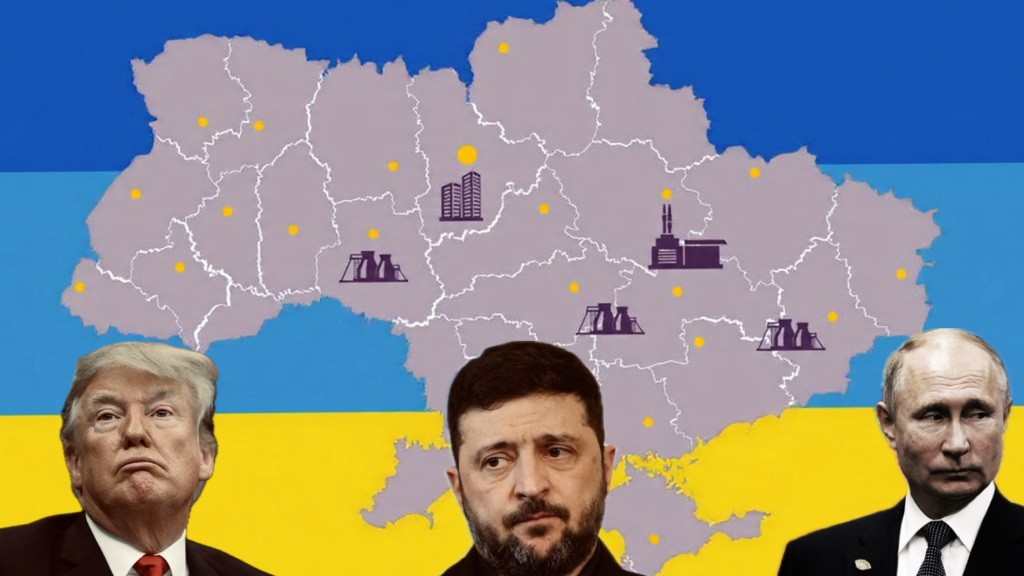
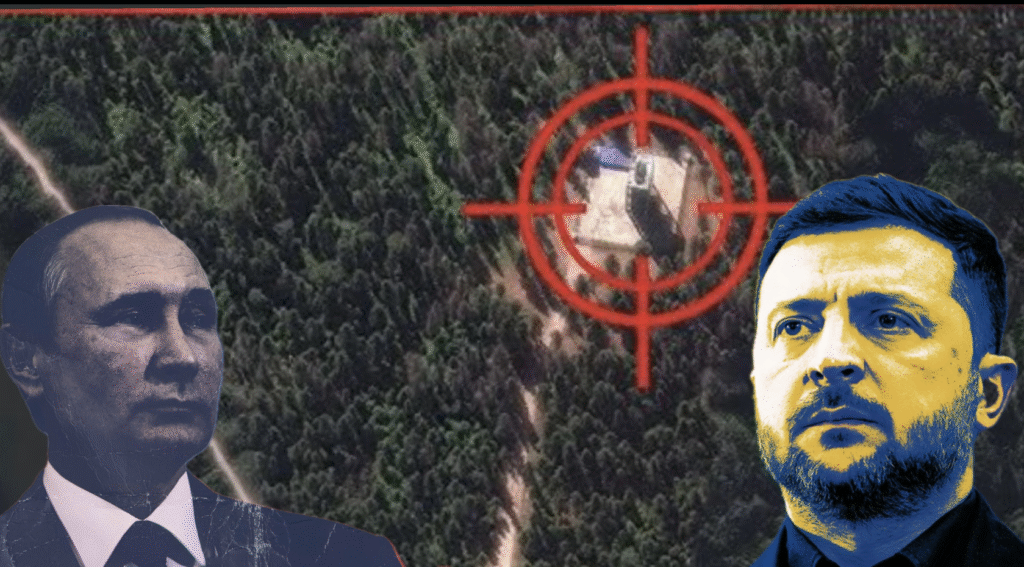
At a moment when back-channel diplomacy is struggling to stay afloat, a dramatic Russian allegation has added fresh volatility to the Ukraine war and drawn an unusually blunt reaction from U.S. President Donald Trump.
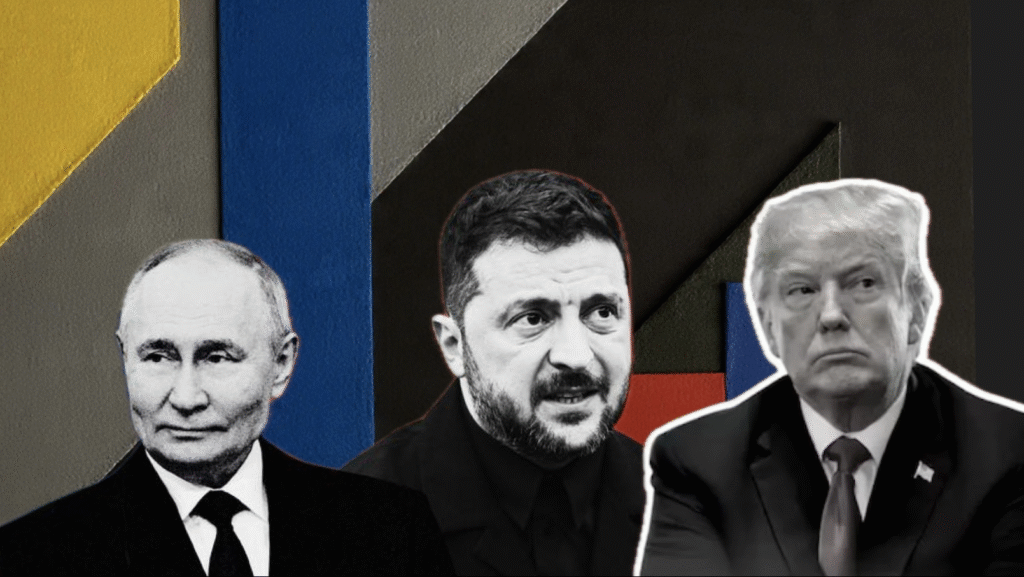
Speaking to reporters in Florida on Monday, Trump said Russian President Vladimir Putin told him that Ukraine had attempted to attack Putin’s residence in northern Russia using dozens of long-range drones. Kyiv has flatly denied the claim, calling it a fabrication designed to sabotage emerging peace efforts.
“I don’t like it. It’s not good,” Trump said, clearly irritated by the allegation. “It’s a delicate period of time. This is not the right time. It’s one thing to be offensive… it’s another thing to attack his house.”
Trump added that he had learned of the alleged incident directly from Putin during what he described as a “very good talk,” though he conceded there was no independent evidence yet. “We’ll find out,” he said when asked if the claim could be verified.
Russia’s Claim: 91 Drones, No Damage
According to Russian Foreign Minister Sergei Lavrov, Ukraine attempted to strike Putin’s residence in the Novgorod region, west of Moscow, on December 28–29 using 91 long-range drones. Lavrov said all drones were intercepted by Russian air defences, resulting in no casualties or damage. He offered no proof to support the claim, and it was unclear whether Putin was present at the location at the time.
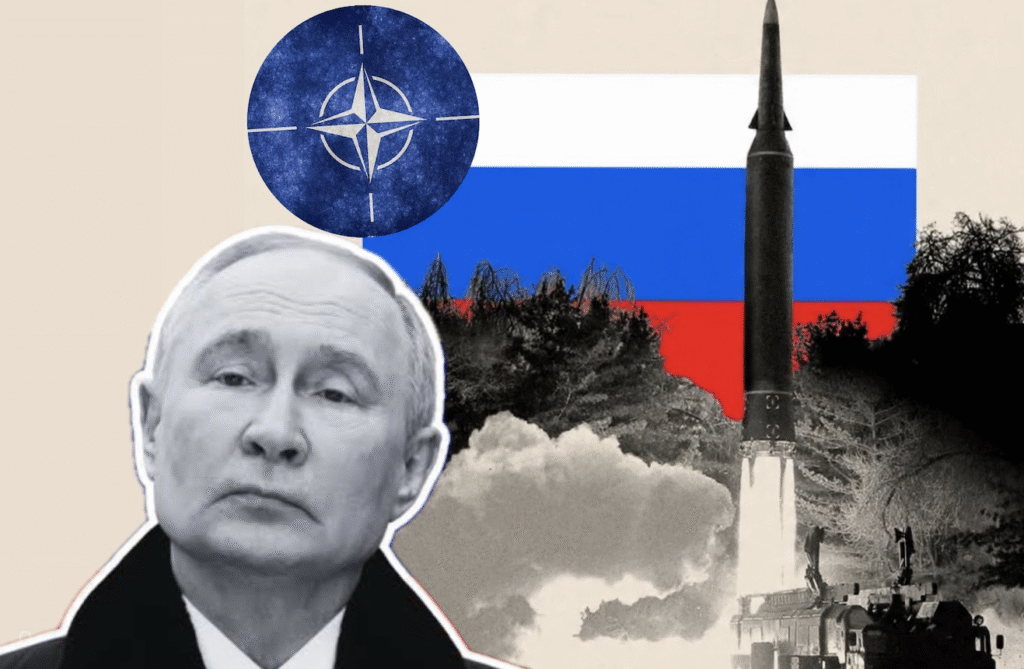
Reuters and other independent observers were unable to verify the allegation. Nonetheless, Moscow treated the episode as a serious escalation. Lavrov described the supposed attack as “state terrorism” and warned that it “will not go unanswered,” adding that retaliatory targets had already been identified.
The Kremlin also said Russia was reviewing its negotiating stance in light of the alleged incident, though Lavrov stressed Moscow would not withdraw from talks entirely.
Kyiv Pushes Back, Warns of Russian Pretext
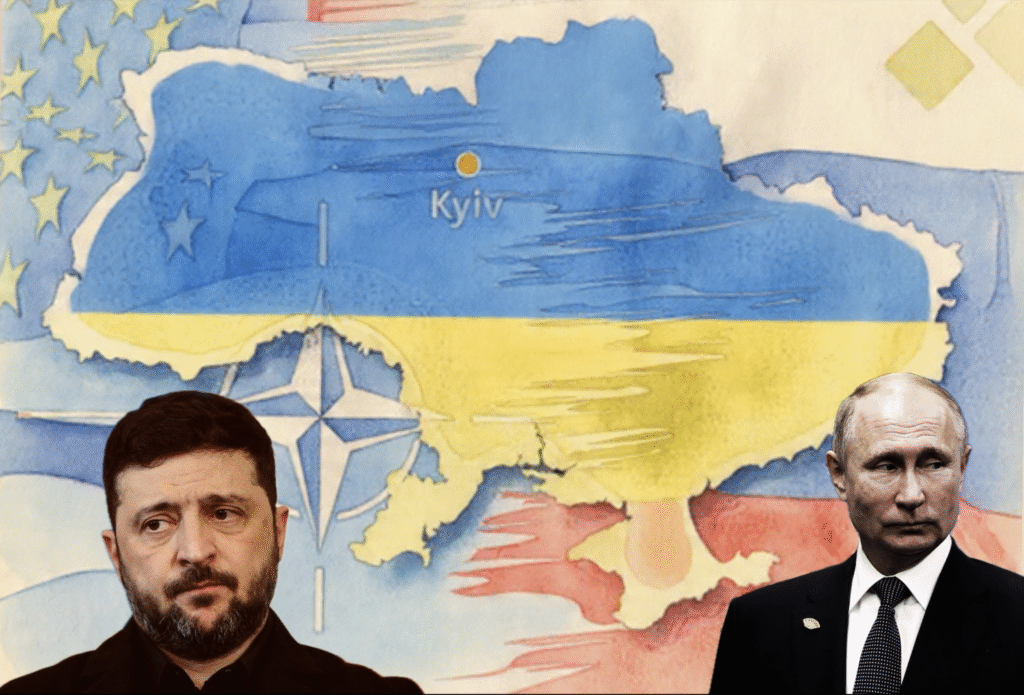
Ukrainian President Volodymyr Zelensky dismissed the accusation as “a complete fabrication,” arguing that Russia was laying the groundwork for new strikes potentially on Kyiv itself.
“It is clear that if there is no scandal between us and America, and we are making progress, for them it is a failure,” Zelensky said, speaking to reporters via WhatsApp. “They do not want to end this war.”
He suggested Moscow was using the allegation to justify future attacks on government buildings in the Ukrainian capital. “They are simply preparing the ground for strikes,” he said.
Zelensky later told Fox News that Ukraine could not prevail without U.S. backing and reiterated his deep mistrust of Putin. “I don’t trust Putin,” he said. “He doesn’t want success for Ukraine.”
Trump Caught Between Diplomacy and Escalation
For Trump, the episode underscores the fragility of his push to broker an end to the conflict. He described his call with Putin as productive but acknowledged that talks remain bogged down by “very thorny issues.”
“We have a couple of issues that we’re going to get resolved, hopefully,” Trump said. “And if we get them resolved, you’re going to have peace.”
Yet Trump was visibly frustrated by the timing of Russia’s allegation, warning that personal targeting, if true, risked derailing negotiations at a sensitive stage. He also said European countries would eventually need to shoulder “a big part” of Ukraine’s security burden, albeit with U.S. backing, a proposal Moscow has already rejected, insisting that any foreign troop deployment would be unacceptable.
The Battlefield Reality
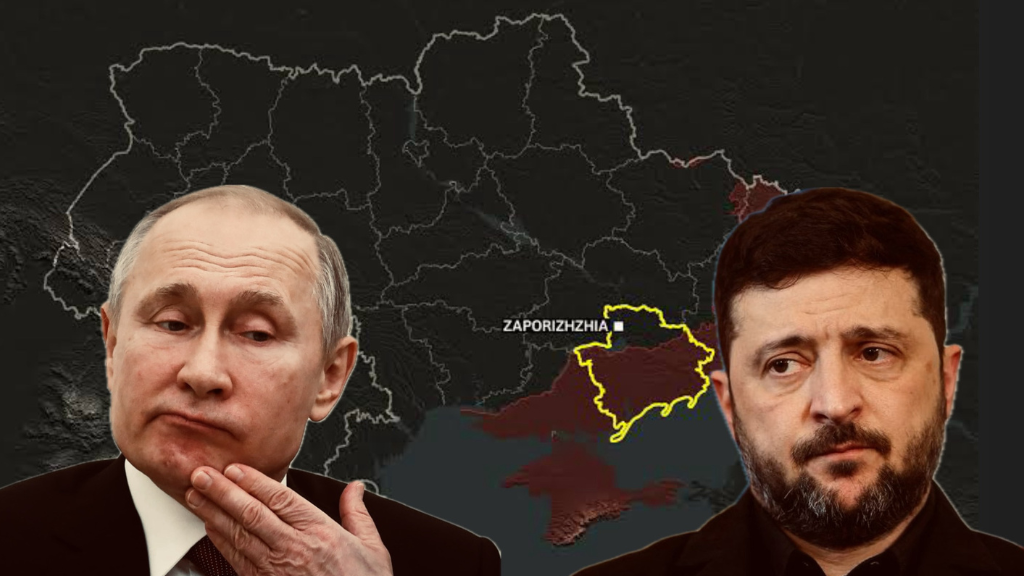
Even as diplomatic contacts continue, Russia has signaled no softening of its military aims. On Monday, Putin instructed his generals to press ahead with operations to secure full control of Ukraine’s Zaporizhzhia region, roughly 75% of which is already under Russian occupation.
Colonel-General Mikhail Teplinsky told Putin that Russian forces are now within 15 kilometers of the city of Zaporizhzhia, the region’s largest urban center. “In the near future, it is necessary to continue the offensive,” Putin replied, reinforcing Moscow’s intent to consolidate territorial gains.
Lavrov echoed this posture in a separate interview, saying Ukraine and its Western backers must accept that Russia “holds the strategic initiative” on the battlefield.
Peace Talks Still Stuck
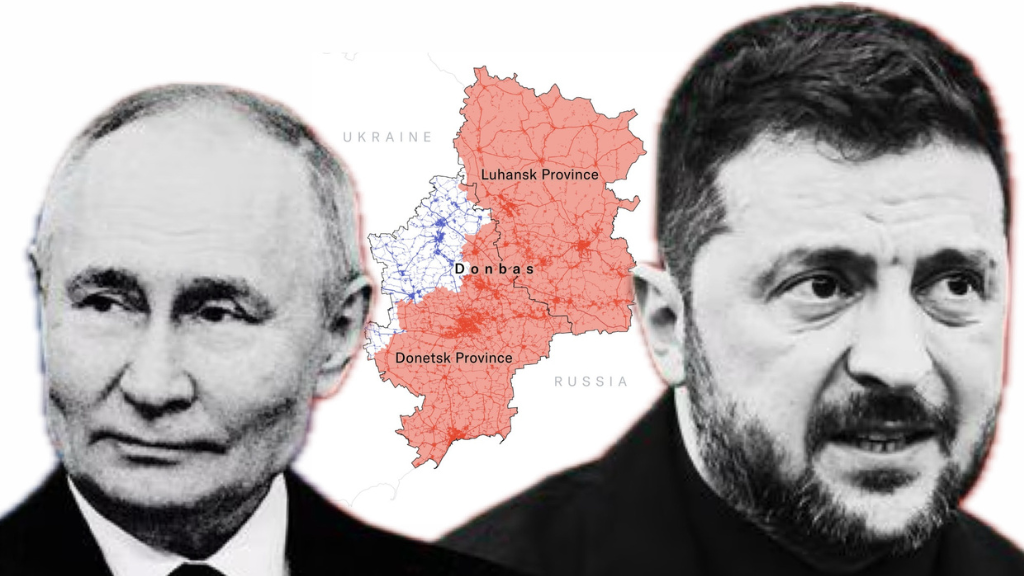
Behind the scenes, negotiations remain stalled over core disputes. Zelensky has said two issues remain unresolved in a 20-point peace framework: control of the Russian-held Zaporizhzhia nuclear power plant and the future of the Donbas region.
Russia currently occupies about one-fifth of Ukraine, including Crimea, annexed in 2014, and claims Donetsk, Luhansk, Zaporizhzhia and Kherson as its own claims rejected internationally. Moscow wants Ukrainian forces to withdraw from parts of Donetsk it has not fully captured, while Kyiv insists any ceasefire must freeze fighting along current front lines. The U.S. has floated the idea of a free economic zone as part of a potential troop withdrawal, a proposal that has yet to gain traction.
Zelensky has also pressed Trump for long-term security guarantees, saying he sought a 50-year arrangement. Trump, by contrast, said any deal was “95% ready,” highlighting lingering gaps between rhetoric and reality.
A Dangerous Narrative Shift
Whether the alleged drone attack occurred may ultimately matter less than its political impact. By invoking an attempted strike on Putin’s residence, Moscow has injected a deeply personal element into an already brutal war, one that risks hardening positions just as tentative diplomatic movement appears possible.
For now, Trump finds himself navigating between competing narratives, mounting mistrust, and an accelerating battlefield. As both sides trade accusations, the space for compromise looks increasingly narro and the margin for miscalculation dangerously thin.