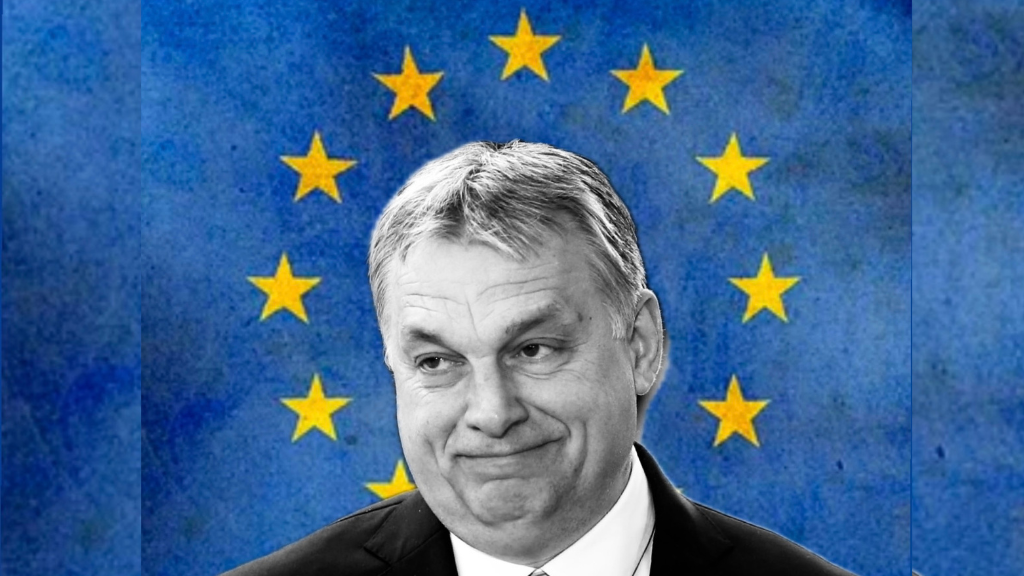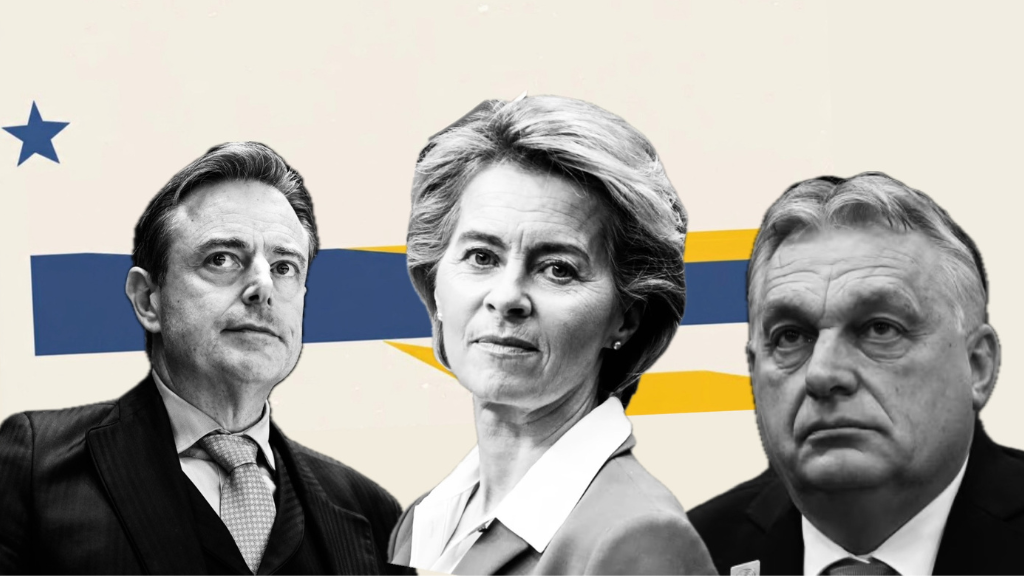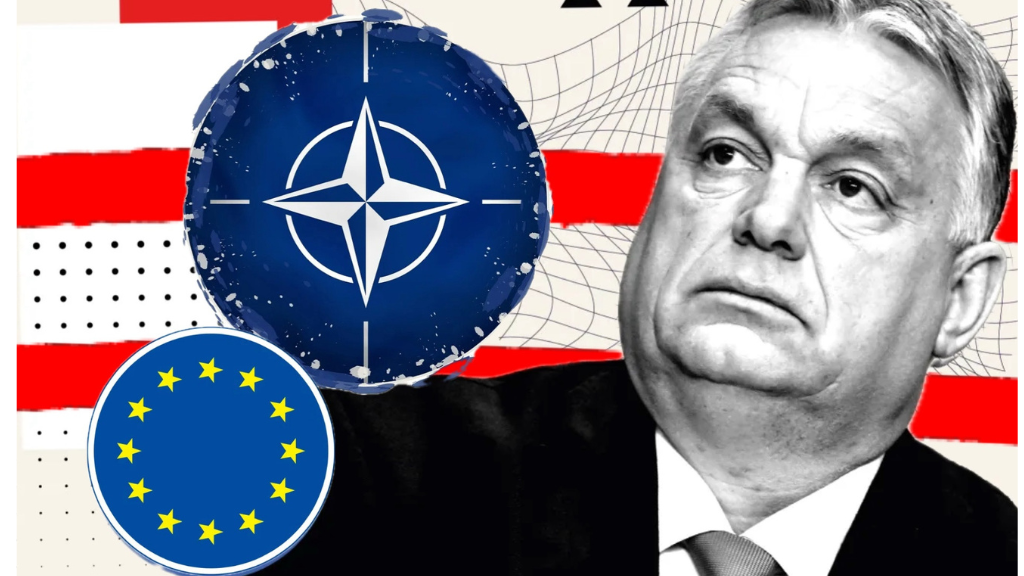
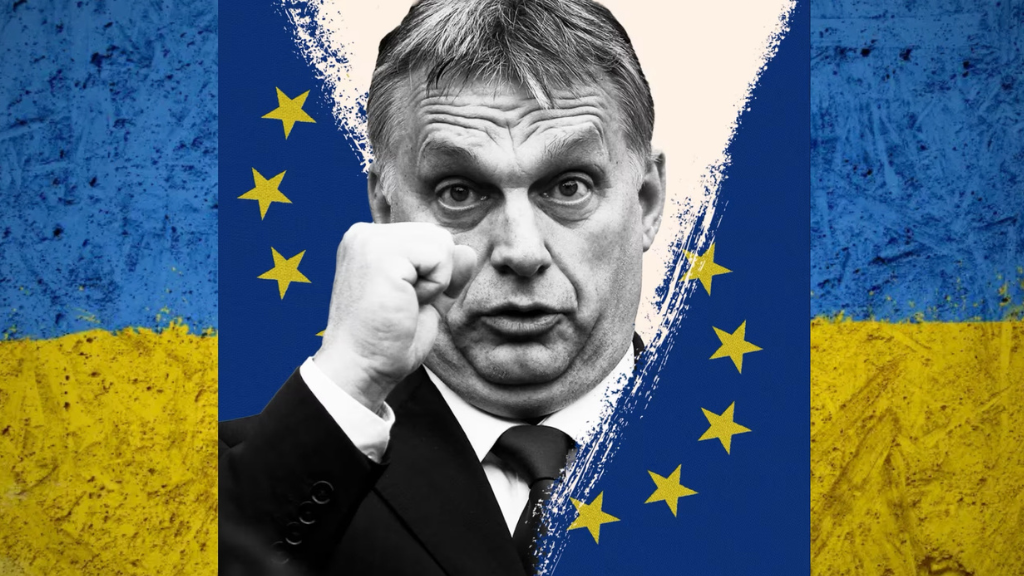
Hungarian Prime Minister Viktor Orbán has stirred fresh controversy in Brussels by warning that the European Union’s long-term financial plans for Ukraine could saddle the bloc with what he called an “economic atomic bomb” worth roughly $1.5 trillion.
Speaking to reporters after a meeting with EU leaders in January 2026, Orbán said he had been briefed on internal policy papers that outline the scale of future commitments to Kyiv. Although he said he could not release the document publicly, he described its contents as financially staggering and politically reckless.
According to Orbán, EU planners are effectively backing Ukraine’s request for around $800 billion in reconstruction funding over the coming decade. That figure, he argued, does not include the parallel costs of military support. When Kyiv’s estimated $700 billion requirement for long-term defense spending is added, the total burden approaches $1.5 trillion.
“This was like being hit in the chest by an atomic blast,” Orbán said, warning that such obligations would fundamentally reshape the EU’s budgetary system and force member states into decades of shared debt.
Reconstruction or Permanent Commitment?
There is broad agreement across Europe that Ukraine’s rebuilding costs will be immense. After years of war, large sections of its housing stock, transport networks, power grid, and industrial base have been badly damaged. Ukrainian officials have repeatedly said the country’s losses exceed its entire pre-war economic output.
Supporters of the proposed reconstruction plan describe it as a growth strategy rather than a bailout. The idea is to use public money to attract private investment and anchor Ukraine more firmly within Western markets.
Orbán disputes that framing. He argues that reconstruction cannot be separated from security spending. Ukraine, he says, will need sustained military financing to deter future attacks and to align its forces with NATO standards. In his view, this transforms aid from a temporary emergency measure into a permanent financial obligation.
The Debt Question
The dispute comes as the EU increasingly relies on joint borrowing to fund major projects. In December 2025, the bloc approved a €90 billion loan package for Ukraine covering 2026 and 2027, to be financed through the EU budget. Hungary, Slovakia, and the Czech Republic declined to participate, citing concerns over national liabilities.
Earlier attempts to use frozen Russian state assets, estimated at roughly €300 billion, stalled after several governments raised legal objections. Belgian officials, among others, warned that confiscation could set dangerous precedents and trigger costly court battles. With that option largely blocked, the European Commission shifted toward debt-backed financing instead.
Orbán has become the loudest critic of this strategy. He says it risks turning the EU into what he calls a “war-debt union,” where countries lose control over their own fiscal policies in exchange for open-ended foreign commitments.
Davos and Diplomatic Tensions
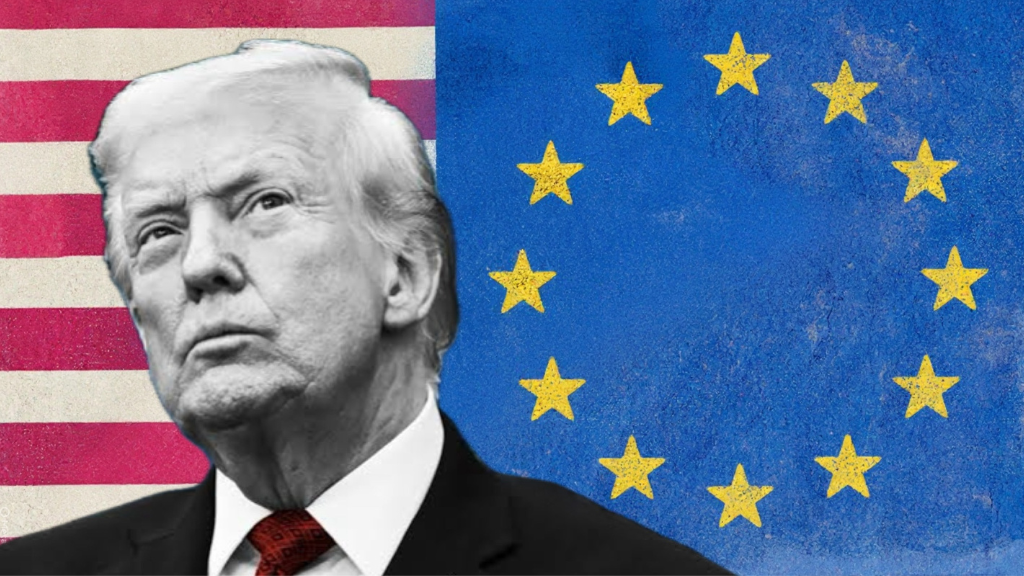
The financial debate intensified at the World Economic Forum in Davos, where an $800 billion reconstruction framework involving the EU, the United States, and Ukraine was expected to be announced. The plan was ultimately postponed, reflecting uncertainty over Washington’s position and President Donald Trump’s renewed push for negotiations rather than indefinite funding.
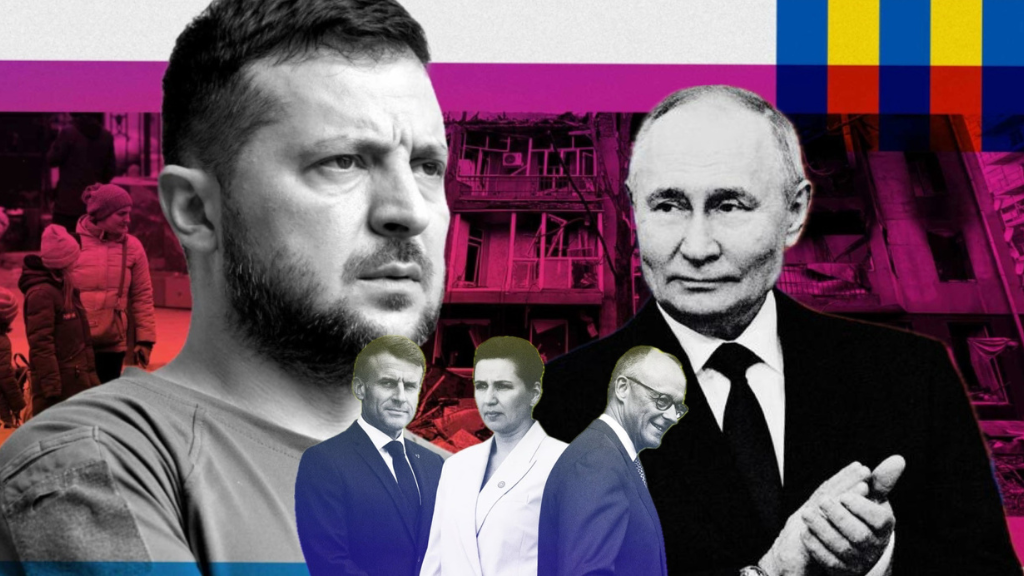
Ukrainian President Volodymyr Zelensky briefly canceled his Davos appearance after the delay before returning to the agenda following Trump’s comments about future talks. Orbán pointed to the episode as proof, in his words, that Europe is committing money without a clear strategy or endpoint.
A Growing Rift
Orbán’s criticism has extended beyond budgets. He has described Zelensky as “a man in a desperate position” and accused Kyiv of seeking financial guarantees instead of compromise. He has also rejected the idea of Ukraine joining the EU by 2027, saying such a move would lock Europe into permanent security and economic responsibilities.
“No Hungarian parliament would approve that in the next hundred years,” he said recently.
His remarks underline a widening split inside the EU. Many governments argue that Ukraine’s survival is vital for European security and that abandoning support would invite further instability. Others counter that Europe is already burdened by slow growth, high public debt, and voter fatigue over foreign spending.
Whether Europe will ever face the full $1.5 trillion bill Orbán warns about remains unclear. What is evident, however, is that the focus of the Ukraine debate is shifting from military aid to long-term financing, from battlefield outcomes to balance sheets.
For Orbán, the danger lies in open-ended promises. Without firm limits, he argues, solidarity could turn into a self-inflicted economic wound, one that Europe may struggle to heal.