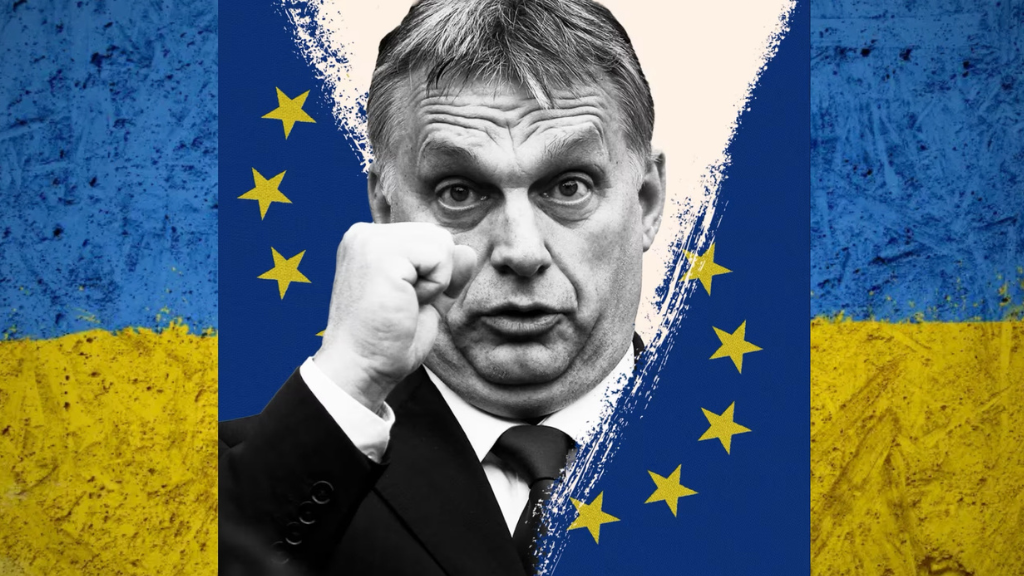
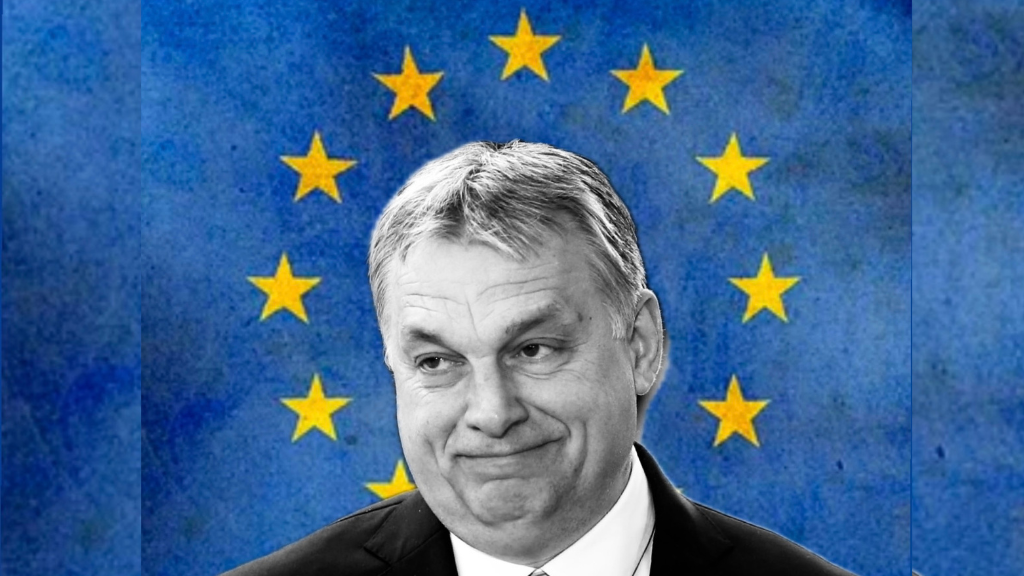
Hungarian Prime Minister Viktor Orbán has once again placed himself at the center of Europe’s security debate, issuing a stark warning that the European Union’s plan to fast-track Ukraine’s membership by 2030 risks pulling the entire bloc into direct conflict with Russia. His message, delivered through statements in Budapest and amplified on X, framed the EU’s emerging strategy as a path toward unavoidable confrontation.
Orbán’s Alarm: “Dark Clouds Are Gathering”
Orbán’s central claim is dramatic: he argues that Brussels is “preparing for war,” pointing to what he describes as a sweeping rearmament program and a timeline that coincides with Ukraine’s planned accession. According to him, the EU’s objective is to ensure the Union is “ready for war by 2030,” the same year targeted for Ukraine’s accelerated entry.
The use of the 2030 benchmark allows Orbán to fuse two separate developments; defense expansion and enlargement policy into a single narrative about Europe’s trajectory. By linking them, he suggests that the EU is not merely supporting Ukraine politically or financially but is positioning itself for a long-term geopolitical confrontation.
Security Implications of Admitting Ukraine
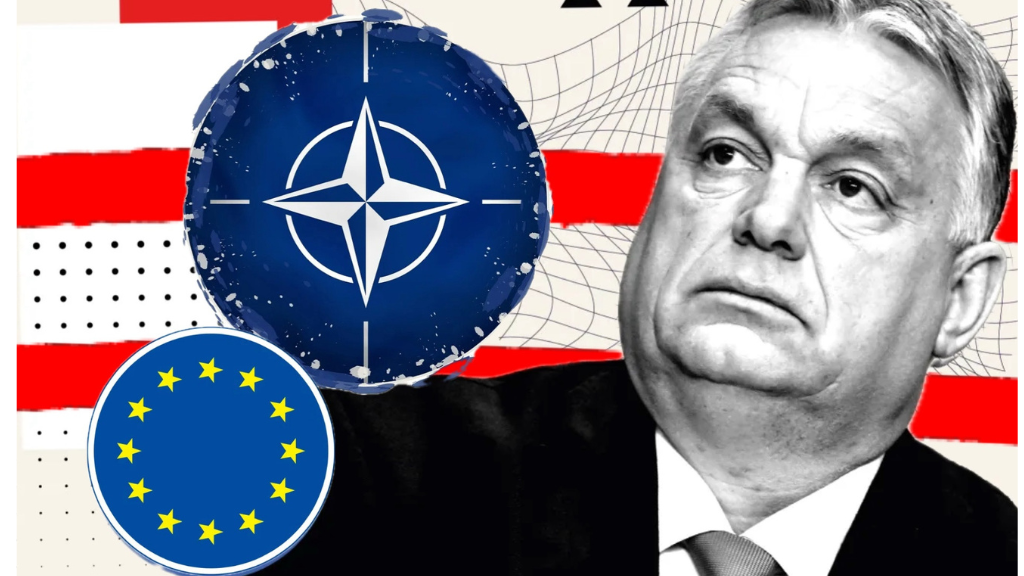
Orbán’s argument hinges on a key point: admitting a country already at war with Russia would trigger obligations under EU treaties, especially the mutual assistance clause. For Budapest, this is not a hypothetical worry but a structural commitment that could compel the bloc and by extension, Hungary to take part in an armed conflict.
In his view, Ukraine’s accession is not just an enlargement issue but a full-blown security decision with far-reaching consequences. Because the treaty provisions bind member states to come to each other’s aid, integrating Ukraine while fighting continues could, he argues, “have immediate security implications for every EU country.”
Orbán Frames 2026 as a Turning Point for Hungary
The Hungarian leader extended his warning to domestic politics, asserting that the 2026 parliamentary elections may be the final opportunity for Hungarian voters to determine whether the country remains, in his words, “pro-peace.” By the time the next election arrives in 2030, he claims it may be “too late to correct” any missteps.
The subtext is clear: Orbán seeks to position his government as the sole guarantor of Hungary staying out of escalation with Russia. This framing is consistent with his long-running message that Brussels and several Western governments are steering Europe toward a militarized future, a trajectory he insists Hungary must resist.
A Challenge to the EU’s Strategic Direction
Orbán’s remarks land at a moment when the EU is recalibrating its defense policies, pushing for more coordination, investing heavily in armaments, and trying to manage the political, economic, and military fallout of the war in Ukraine. For many EU states, increased defense spending is not about preparing for direct conflict but about deterrence and supporting Kyiv’s survival.
But Orbán interprets these moves as evidence of a bloc drifting toward inevitable war. By framing enlargement through a security lens, he also challenges the EU’s political consensus that Ukraine’s long-term integration is central to European stability.
A Broader Strategic Debate
Orbán’s warnings reflect a deeper divide within Europe: one side argues that strengthening Ukraine reduces the risk of future aggression from Moscow; the other fears that deeper integration hardens division lines and heightens the possibility of a continental clash.
His rhetoric from “dark clouds over Europe” to predictions of a decisive decade is designed to influence both domestic voters and EU partners. While many European leaders dismiss his views as alarmist or politically motivated, they nonetheless underscore tensions within the EU about how to approach defense integration, enlargement, and relations with Russia.
Wariness or Political Strategy?
Whether Orbán’s warnings reflect genuine geopolitical assessment or a strategic attempt to shape Hungary’s political future, they reveal how Europe’s decisions on Ukraine remain deeply contested. As Brussels moves ahead with enlargement plans and defense reforms, Orbán is positioning himself as the loudest voice cautioning against what he sees as a march toward confrontation.
For now, his message is unmistakable: bringing Ukraine into the EU by 2030 is not just a bureaucratic milestone in his view, it is a step that could determine whether Europe edges closer to conflict or finds a way to manage its security challenges without sliding into war.