Israel on Friday became the first country to formally recognise the self-declared Republic of Somaliland as an independent and sovereign state, a move that could significantly alter political equations in the Horn of Africa and sharpen tensions with Somalia, which has long rejected Somaliland’s secession.
The announcement marks a rare diplomatic breakthrough for Somaliland, a relatively stable territory that declared independence from Somalia in 1991 but has remained internationally unrecognised for more than three decades. For Israel, the decision reflects a calculated expansion of its diplomatic footprint in a strategically sensitive region bordering the Red Sea and the Gulf of Aden.
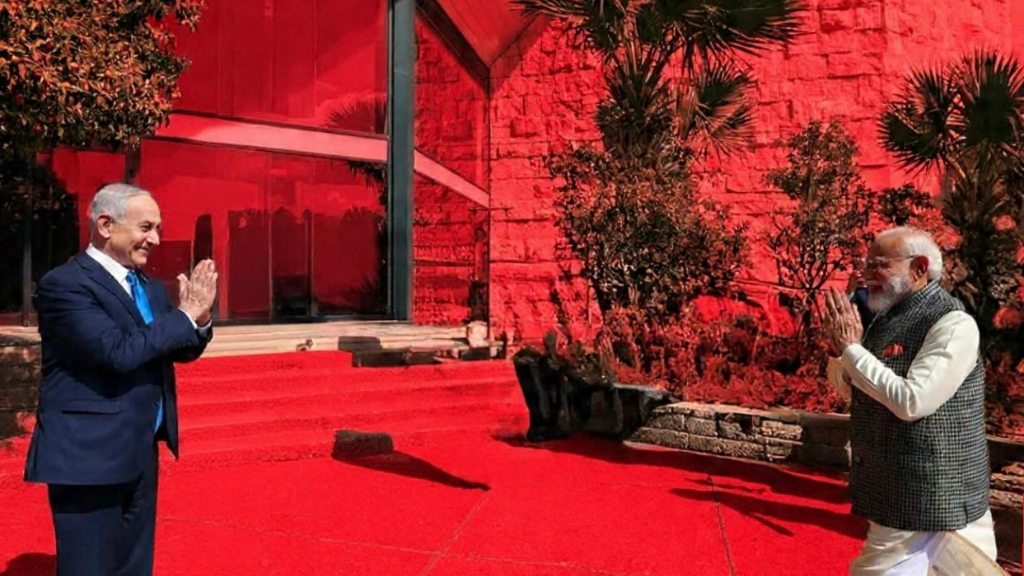
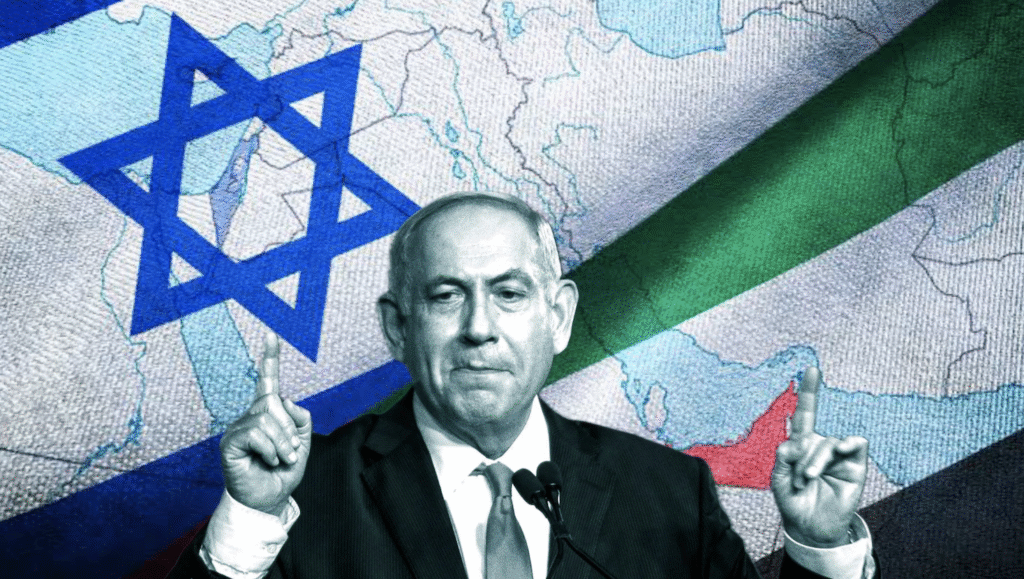
Prime Minister Benjamin Netanyahu confirmed the recognition in a statement that underscored both symbolism and intent. Congratulating Somaliland’s president, Abdirahman Mohamed Abdullahi, Netanyahu praised his leadership and extended an invitation to visit Israel, signalling that the move is meant to open a sustained political and economic relationship rather than remain a symbolic gesture.
From De Facto Statehood to Formal Recognition
Somaliland’s case has long puzzled diplomats. It has its own government, currency, security forces, and regularly conducted elections, features often cited by supporters as evidence of statehood in all but name. Yet international actors have been reluctant to set a precedent that might encourage further fragmentation in Africa.
Israel’s recognition breaks that pattern. While Somaliland has cultivated quiet ties with several countries, including Ethiopia and the United Arab Emirates, none had crossed the threshold of formal recognition. Israel’s move therefore carries weight not only for Somaliland but also for how unresolved sovereignty claims are handled in practice.
For Hargeisa, the capital of Somaliland, recognition by any UN member state represents a validation of its long-standing argument: that stability, governance, and consent of the governed should matter more than inherited borders.
Strategic Calculations Behind Israel’s Decision
Israel’s decision is unlikely to be driven by idealism alone. The Horn of Africa sits astride critical maritime routes linking the Mediterranean to the Indian Ocean, routes that have grown more militarised amid tensions in the Red Sea and Gulf of Aden.
By recognising Somaliland, Israel gains a potential partner near one of the world’s busiest shipping corridors, at a time when maritime security, drone warfare, and regional alignments are increasingly fluid. Somaliland’s long coastline and relative internal stability offer strategic value, particularly as Israel seeks to counter hostile actors and expand its presence beyond traditional alliances.
Netanyahu’s emphasis on immediate cooperation in agriculture, health, technology, and the economy points to a broader agenda: embedding Israel as a development and security partner in regions where state capacity remains uneven.
Somalia’s Likely Response and Regional Repercussions
For Somalia, Israel’s move strikes at the heart of its territorial integrity. Mogadishu has consistently framed Somaliland as an inseparable part of the Somali state, warning foreign governments against any action that could legitimise secession.
Israel’s recognition may therefore provoke a sharp diplomatic backlash, potentially straining Israel’s relations with Somalia and its supporters in the Arab and African worlds. It could also complicate the African Union’s cautious stance, which has traditionally prioritised border stability over claims of effective governance.
At the same time, the decision places pressure on other countries quietly engaging Somaliland to clarify their positions. While few may follow Israel immediately, the diplomatic taboo surrounding recognition has been visibly weakened.
A Test Case for International Recognition
Beyond regional politics, the move raises a larger question: what ultimately determines statehood in the modern international system? Somaliland’s supporters argue that decades of peace, elections, and institutional continuity should outweigh Somalia’s unresolved internal divisions.
Israel’s recognition does not settle that debate but it forces it into the open. If Somaliland can translate this diplomatic breakthrough into broader international engagement, it may gradually shift the calculus of recognition from principle to practice.
For now, Israel has taken a first step that others long avoided. Whether it remains an isolated act or the beginning of a wider realignment will depend on how regional powers and the international community choose to respond.