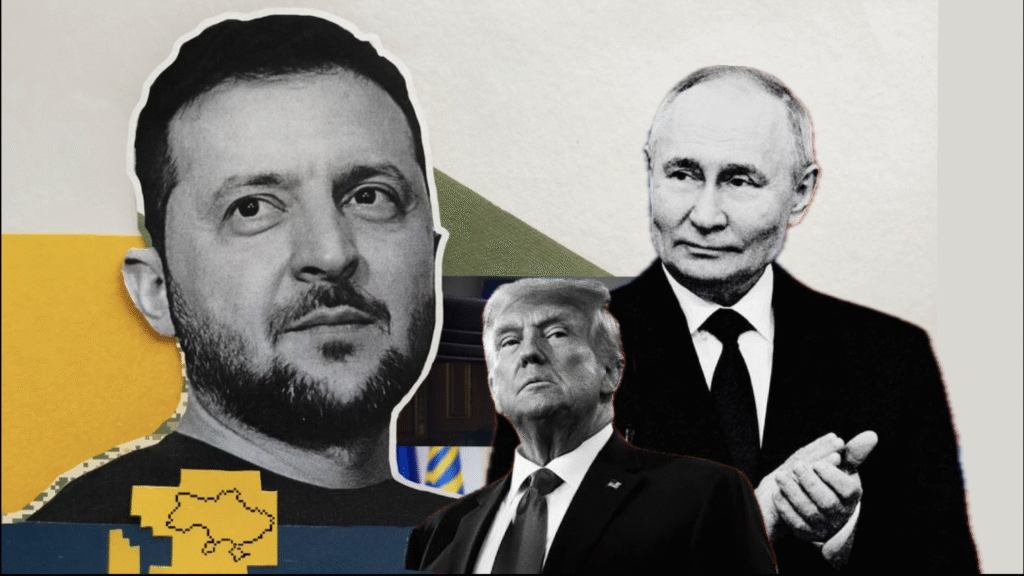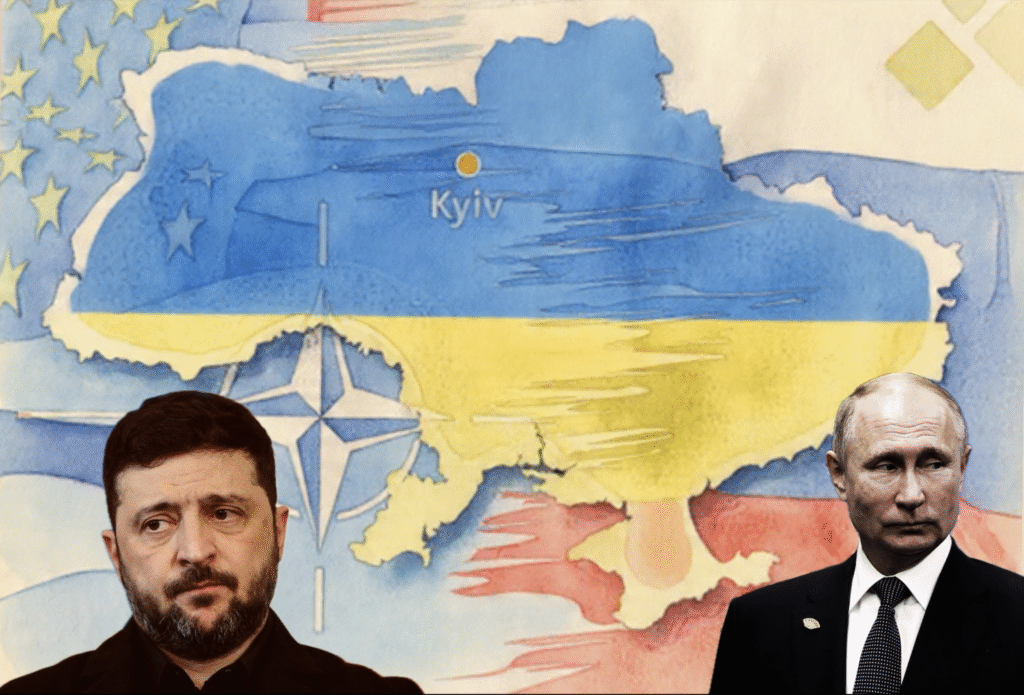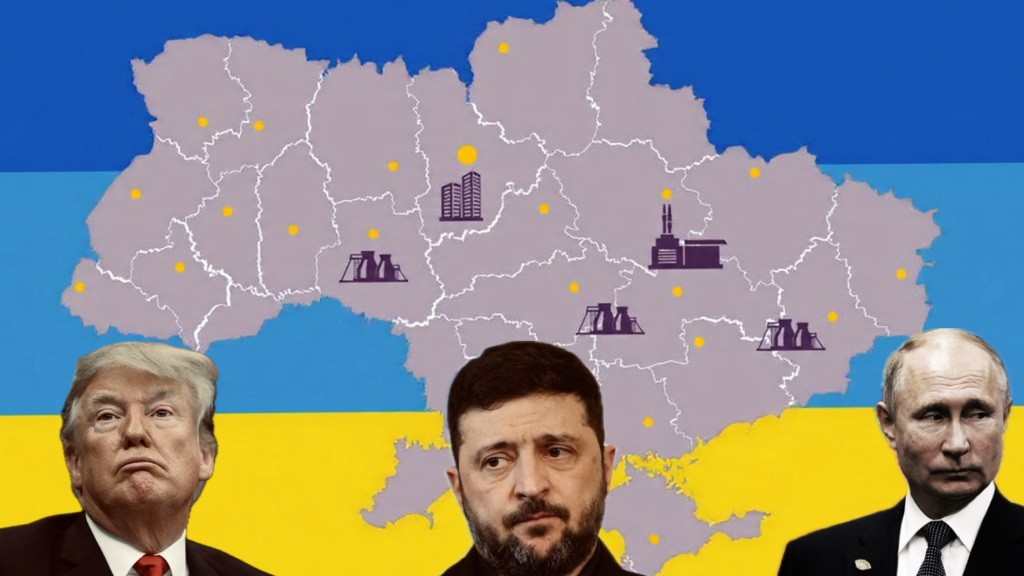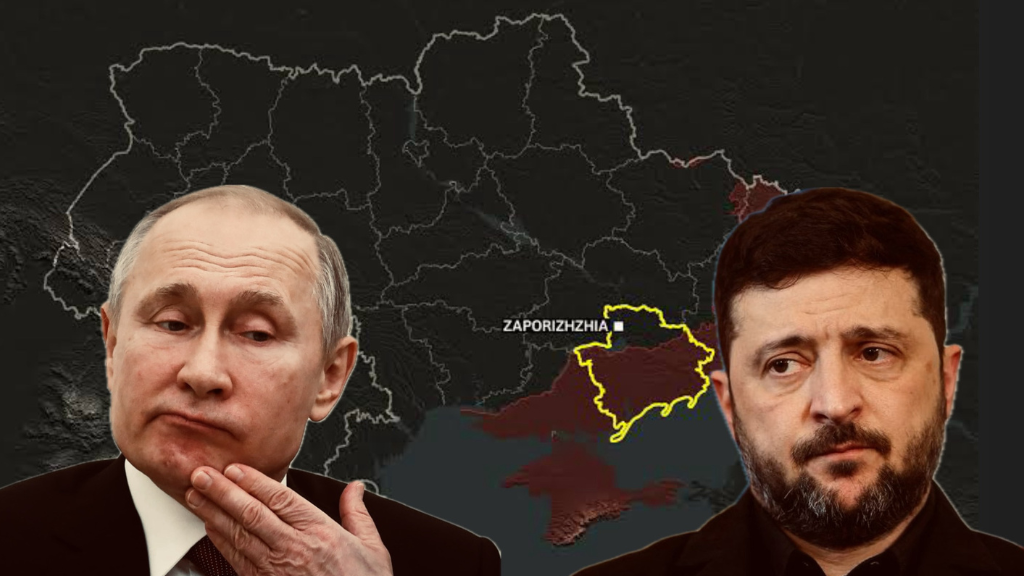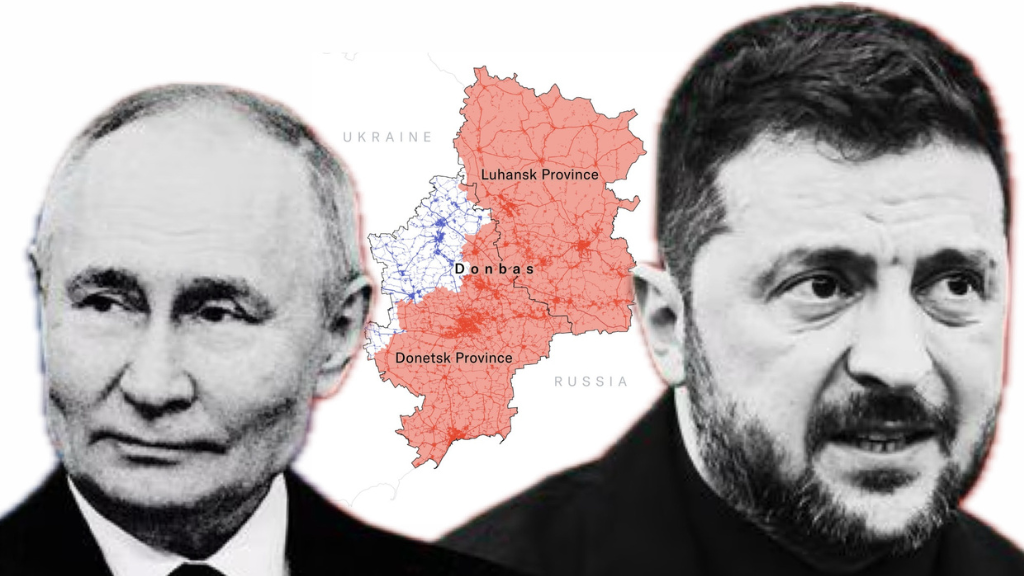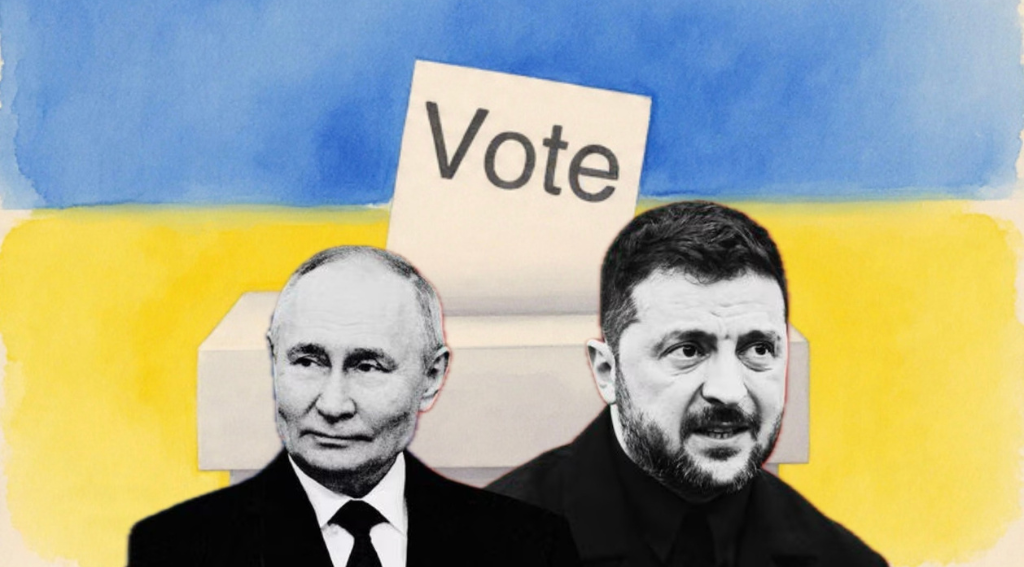
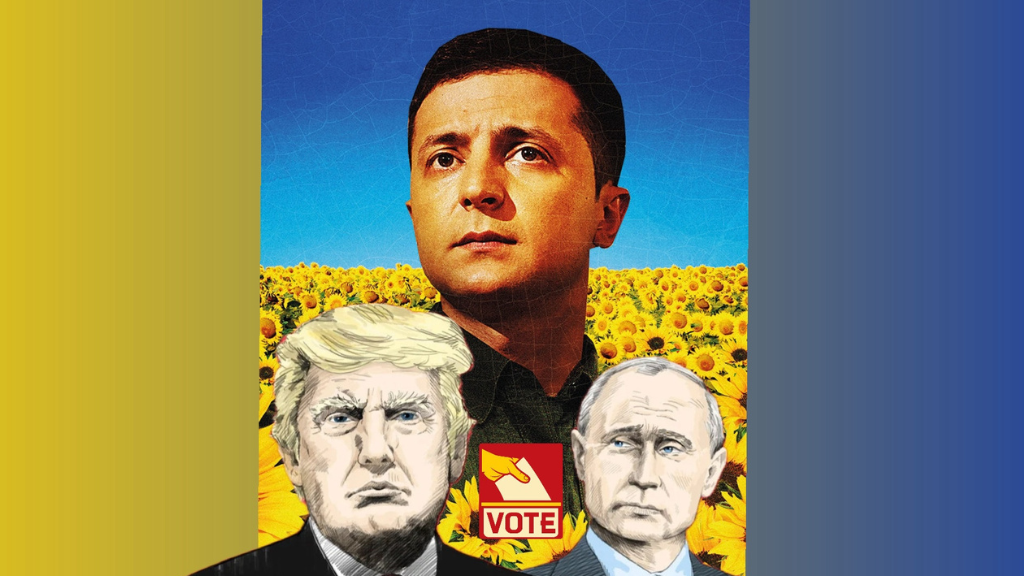
Ever since Donald Trump claimed that Ukraine has been “using the war as an excuse not to hold elections,” the question of a wartime vote has returned to the center of international debate. President Volodymyr Zelenskyy responded quickly. He said he would face the electorate within 90 days, provided Western partners could guarantee security and logistical support.
The issue remains legally complex, politically sensitive, and strategically risky. Yet it raises a central question that both allies and critics continue to ask: if Ukraine held a presidential election today, who would actually win?
Zelenskyy’s Legal Constraint and Political Pressure
Ukrainian law leaves little room for interpretation. The constitution prohibits presidential elections under martial law, a condition that has remained in place since Russia launched its full-scale invasion nearly four years ago. Trump’s accusation introduced an unusual twist. Zelenskyy did not dismiss the claim outright; instead, he urged lawmakers to explore possible legal pathways that could enable voting during wartime.
He also placed responsibility on Ukraine’s partners. If the United States and Europe could help construct a security framework capable of protecting voters, election infrastructure, and territorial access, he argued, Ukraine could organize a vote within 60 to 90 days.
This position created a paradox. Zelenskyy signaled openness to elections, while Ukrainian society itself showed little appetite for one in the middle of an existential war.
Public Opinion: Advantage Without Enthusiasm
Zelenskyy’s political standing has fluctuated sharply since he first entered office. In 2019, he won a historic 73 percent of the vote as a political outsider. By early 2022, frustration with stalled reforms and corruption concerns had pushed his approval down to roughly 37 percent.
The Russian invasion changed the equation overnight. As the country rallied around its leadership, trust in Zelenskyy surged to nearly 90 percent. Over time, that extraordinary unity faded, but it did not collapse. A KIIS poll conducted this autumn places his approval at around 60 percent, an enviable figure for any leader governing during wartime.
Electoral preference, however, tells a more cautious story. According to Info Sapiens polling, only 20.3 percent of respondents say they would vote for Zelenskyy if an election were held today. Even so, he still leads the field. The decline reflects fatigue rather than rejection, and no alternative candidate has managed to consolidate broader support.
The Unwilling Rival: Valerii Zaluzhnyi
General Valerii Zaluzhnyi remains the only figure who rivals Zelenskyy in public confidence. As the former commander-in-chief of Ukraine’s armed forces, he oversaw the defense of Kyiv and the early counteroffensives that reshaped the war’s trajectory. Polls place his support at roughly 19 percent, effectively tying him with the president.
Yet Zaluzhnyi has repeatedly ruled himself out. He opposes holding elections during active hostilities, has not built a political organization, and has dismissed persistent rumors about entering politics. His refusal to run dramatically reshapes the electoral landscape. Without him, Zelenskyy faces no opponent with comparable national stature.
Security Credentials and a Fragmented Field
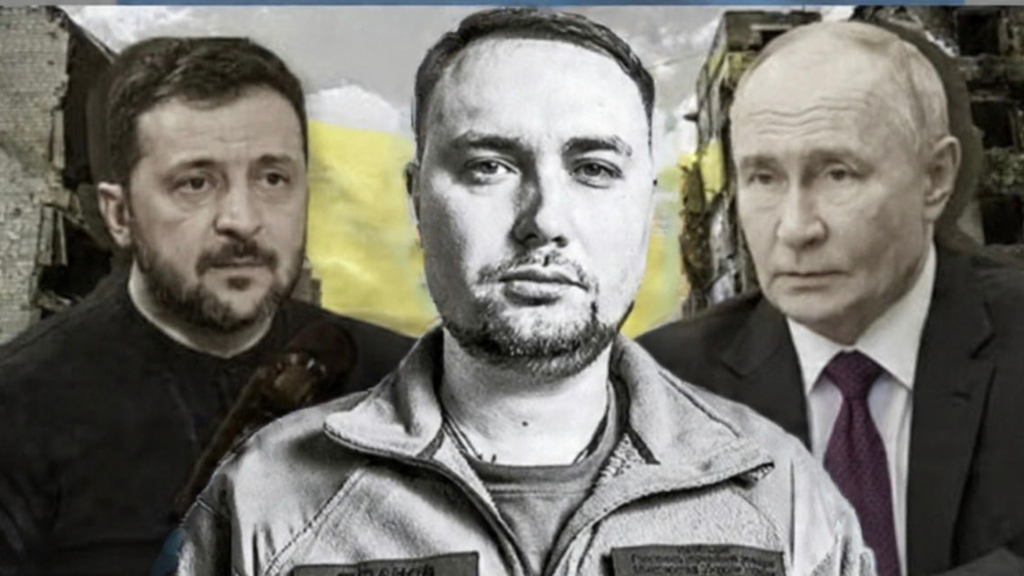
Other figures appear in polling, but with far weaker backing. Kyrylo Budanov, head of Ukraine’s military intelligence, attracts around 5 percent support. He has never expressed political ambitions and remains deeply embedded in operational war planning.
Budanov’s presence in surveys highlights a broader trend. Ukrainian voters increasingly gravitate toward figures associated with battlefield competence and national survival rather than ideology or party politics. The war has narrowed political legitimacy to one core metric: performance under fire.
A Public Reluctant to Vote
Despite international speculation, Ukrainian society remains deeply skeptical of wartime elections. Only 12 percent of respondents support holding a vote while the war continues. Even under a hypothetical ceasefire, just 22 percent favor immediate elections. A clear majority of 63 percent believe the country should wait until the conflict fully ends.
This public caution constrains political maneuvering. Any attempt to force elections too early risks backlash and legitimacy concerns. Zelenskyy himself has acknowledged these limits. He has stated that he does not intend to seek a second term after the war and frames his presidency around a single objective: securing Ukraine’s survival and victory.
So Who Would Actually Win?
If Ukraine somehow held an election today under secure and legally sanctioned conditions, Zelenskyy would almost certainly prevail. His support no longer resembles the landslide of 2019, but his closest potential rival refuses to run, and no other candidate commands national reach.
The deeper reality is that Ukrainian politics remains frozen by war. Citizens are not searching for campaigns or manifestos; they want stability, security, and an end to the conflict. Any election conducted under fire would reflect necessity rather than democratic renewal and would likely emerge from external pressure more than domestic demand.
For now, Zelenskyy remains Ukraine’s most trusted wartime leader and the probable winner of any election that might be forced onto the calendar.