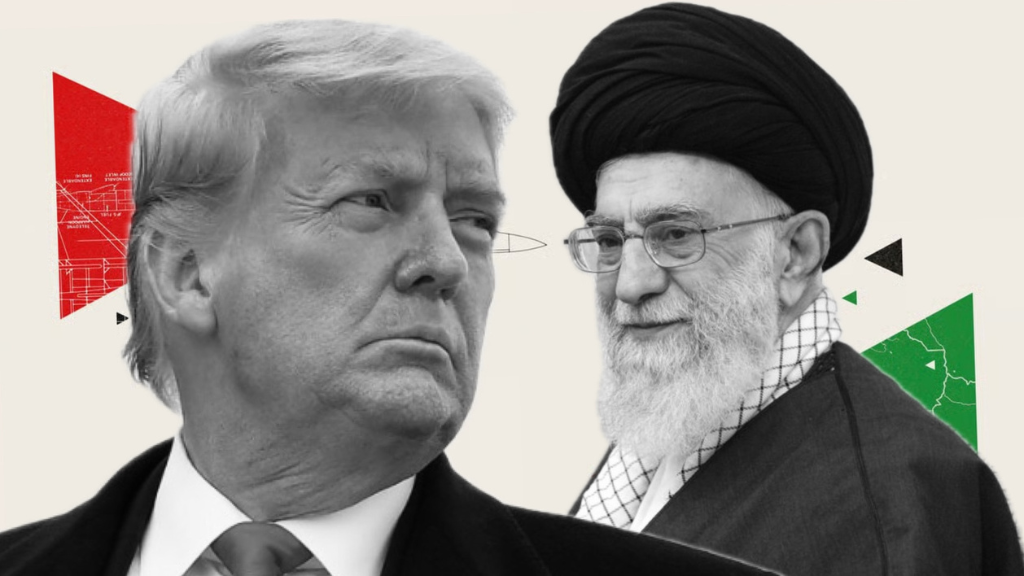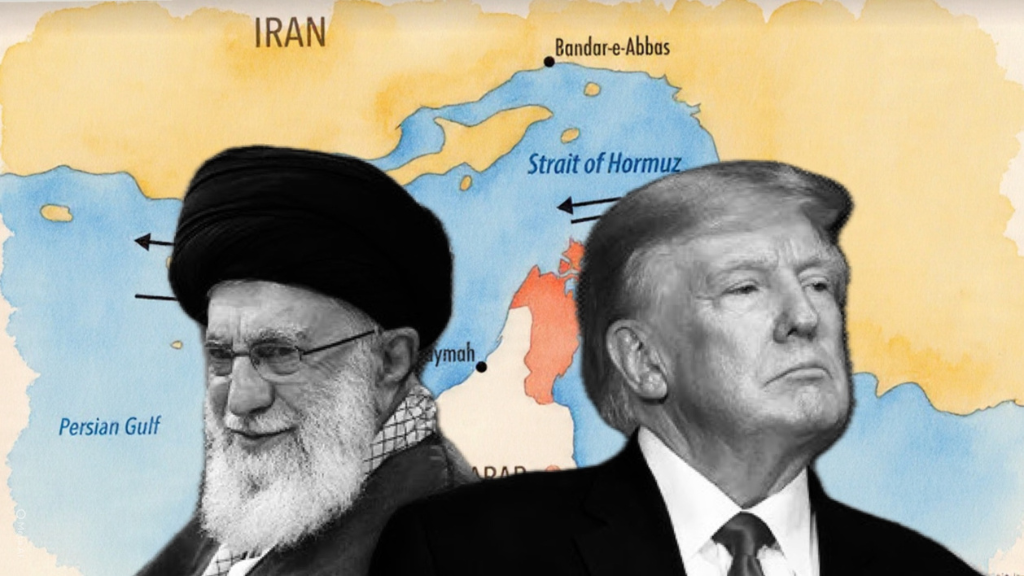
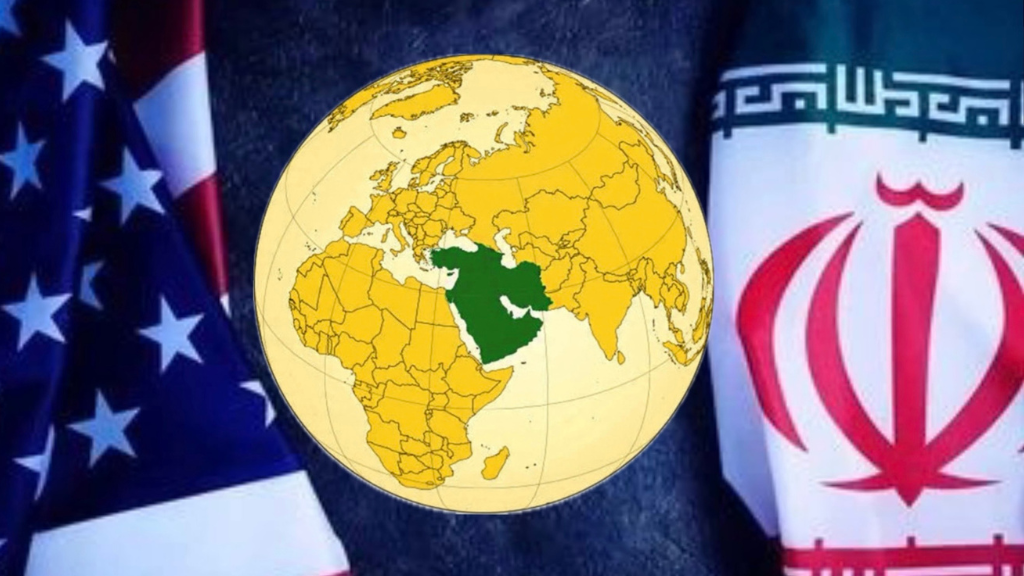
West Asia appears to be entering a volatile phase, with diplomatic signals and military movements suggesting that a direct confrontation between the United States and Iran may no longer be a distant possibility. Western diplomatic sources indicate that Washington is weighing military options, with some officials privately suggesting that action could come sooner rather than later. While no formal announcement has been made, the growing convergence of intelligence leaks, troop movements, and political messaging has heightened fears of escalation.
According to multiple reports, Israeli officials believe the White House has already crossed a decision threshold, even if the scope and timing of any operation remain deliberately ambiguous. These signals emerge against the backdrop of mounting internal unrest in Iran and an increasingly confrontational exchange of warnings between Tehran and Washington.
To understand why the region feels on edge, it is important to trace the sequence of developments now unfolding across West Asia.
American Military Footprint Shifts as Iran Draws Red Lines
In recent days, the United States has quietly adjusted its military posture across the region. Personnel reductions and precautionary relocations have reportedly taken place at several facilities, including major installations in the Gulf. At Qatar’s Al Udeid Air Base, a central hub for US operations, some staff have been advised to leave as a preventive measure, underscoring concerns about potential retaliation.
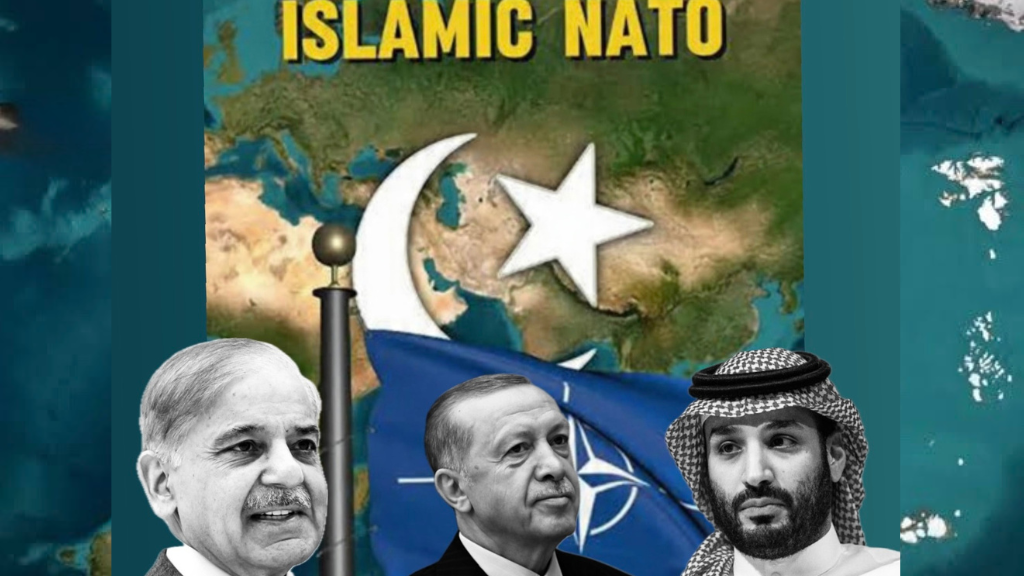
Tehran has responded with unusually direct messaging. Iranian officials have warned that any US strike would trigger immediate consequences, not only for American forces but also for host nations that allow their territory to be used as staging grounds. Countries such as Saudi Arabia, the UAE, and Turkey have been explicitly mentioned in Iranian warnings, signaling that a conflict would not remain contained.
Ali Shamkhani, a senior adviser to Iran’s Supreme Leader, reinforced this stance by pointing to previous missile attacks on US-linked facilities in the region, emphasizing that Iran retains both the capability and the resolve to respond forcefully. His remarks were widely interpreted as a reminder that American bases remain within Iran’s strike range.
At the same time, regional powers have intensified diplomatic outreach. Gulf states, wary of being drawn into a broader war, are reportedly pressing both Washington and Tehran to step back from the brink. Quiet mediation efforts by countries such as Oman and Qatar suggest deep anxiety about the costs of escalation.
Heightened Anxiety Inside Iran as Military Signals Multiply
Within Iran, the atmosphere has grown increasingly tense. Accounts from residents in Tehran describe a city operating under visible strain, with restrictions on movement after nightfall and heightened security presence across key areas. While large-scale unrest has subsided for now, uncertainty and fear remain palpable.
Iran’s military leadership, meanwhile, has adopted a defiant tone. Senior commanders from the Revolutionary Guards have stated that the country is operating at maximum readiness, pointing to expanded missile capabilities and repaired infrastructure following last year’s confrontation with Israel. These statements appear designed both to deter external action and to reassure domestic audiences that Iran is prepared for any scenario.
The sense of urgency is not limited to Iran and its immediate neighbors. Several governments, including those of the United States, Britain, France, Canada, India, and Australia have issued advisories urging their citizens to leave the region or exercise extreme caution, a move that often precedes periods of instability.
A Narrow Window Before the Crisis Breaks
Taken together, the signs are difficult to ignore. Military repositioning, evacuation advisories, hardline rhetoric, and behind-the-scenes diplomacy all point to a region standing at a dangerous crossroads. Whether these moves culminate in open conflict or force a last-minute pullback remains uncertain.
What is clear, however, is that West Asia has entered a critical window. Decisions made or avoided in the coming days could determine whether the current standoff hardens into a wider war or recedes into another uneasy pause in a long-running rivalry.