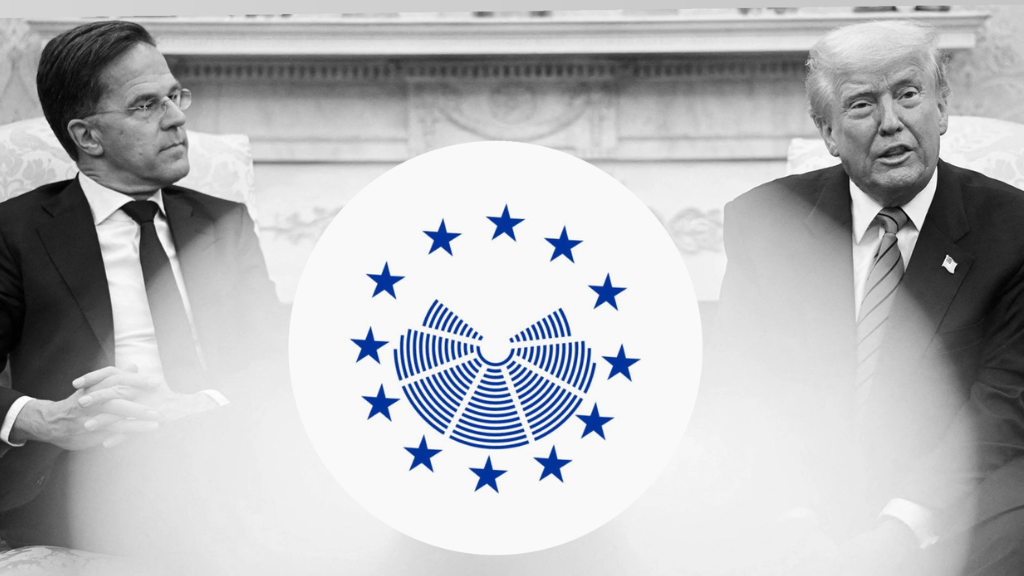
NATO Secretary-General Mark Rutte has issued a stark warning to European leaders: without the United States, Europe does not yet have the means to protect itself. Speaking to lawmakers in Brussels, Rutte poured cold water on the idea that the European Union could soon stand on its own militarily, calling such expectations unrealistic under current conditions.
His remarks come as the EU intensifies discussions about building greater strategic autonomy in defense and reducing dependence on Washington. But Rutte argued that the scale of American military support within NATO cannot be replaced simply by higher European spending or new EU defense initiatives.
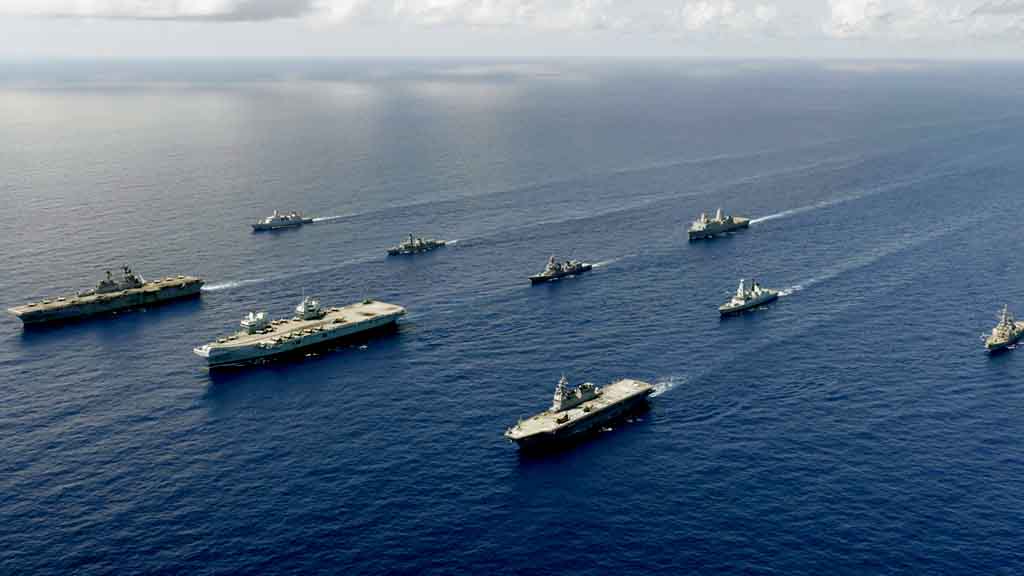
Even if European governments sharply increased their military budgets, he said, they would still struggle to match the breadth of capabilities provided by the U.S., from intelligence and logistics to missile defense, strategic airlift, naval power, and nuclear protection. The gap, he suggested, is not just financial but structural, built into decades of transatlantic integration.
The Price of Independence
According to Rutte, the cost of constructing a fully independent European defense system would be staggering. While EU states have boosted military outlays since Russia’s invasion of Ukraine, their combined forces still rely heavily on American support for high-end operations.
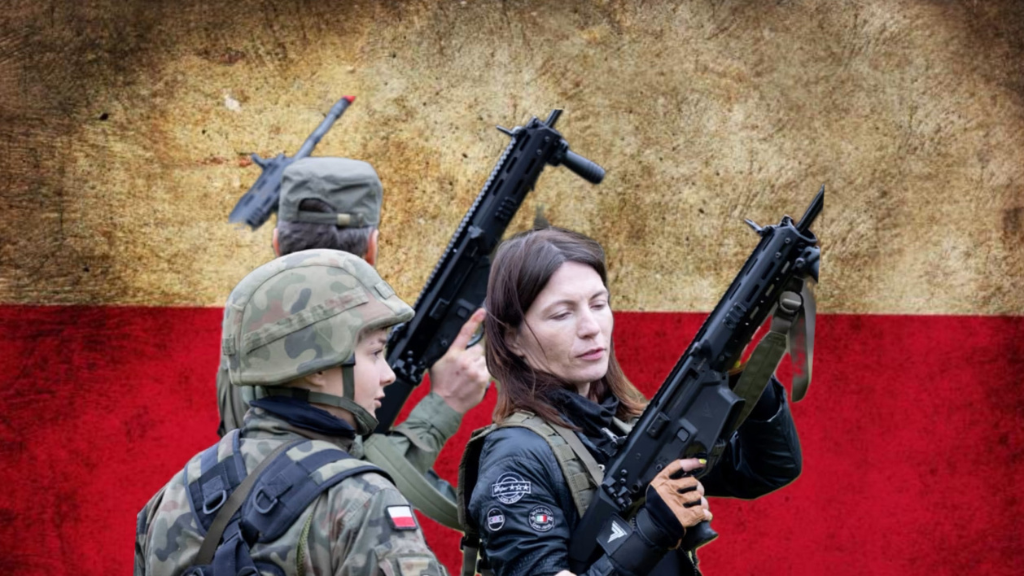
He went so far as to suggest that even spending levels approaching 10 percent of GDP, far beyond what most European societies would accept, might not be enough to replicate U.S. capabilities. Developing autonomous command systems, transport capacity, and advanced weapons platforms would take years, if not decades.
Nuclear deterrence, remains the most sensitive issues. Europe currently depends on the U.S. nuclear umbrella as the ultimate guarantee of its security. Replacing that shield would require either the expansion of existing national arsenals or the creation of a new European framework, both of which would face enormous political, legal, and public resistance.
Rutte stressed that NATO’s current push for higher European defense spending is intended to strengthen the alliance as a whole, not to prepare for a future without American leadership.
Political Ambitions Meet Military Limits
Within the EU, calls for greater military independence have grown louder. Some officials argue that Europe must be prepared for a scenario in which U.S. priorities move decisively toward Asia, leaving the continent more exposed. Proposals have included the creation of a large, permanent European force capable of responding to crises without NATO involvement.
Rutte has cautioned against building what he described as parallel structures that could undermine alliance unity. From his perspective, NATO remains the foundation of European security, and any endeavour to replicate its functions risks wasting resources and weakening collective defense.
He also pointed out that U.S. involvement is not limited to troop deployments. It also includes shared intelligence networks, advanced technologies, integrated command systems, and strategic deterrence, arrangements that have taken generations to develop and cannot be quickly reproduced at the EU level.
Washington’s Shift Raises Anxiety
The debate has gained urgency as American officials increasingly urge Europe to shoulder more of its own defense burden. With growing interest on China and domestic security challenges, Washington has made clear that it expects European allies to contribute more to their own protection.
These signals have disconcerted policymakers in several European capitals, fueling fears that long-standing U.S. commitments could weaken over time. That anxiety has helped drive renewed interest in military self-reliance within the EU. Yet Rutte’s comments suggest that even a stronger Europe would remain dependent on the United States in any serious conflict.
Nuclear Reality Check
One of the biggest obstacles to genuine strategic autonomy is the absence of a unified European nuclear force. France maintains its own arsenal, and the United Kingdom does the same outside the EU framework, but there is no shared European deterrent comparable to that of the United States.
Creating such a system would involve not only vast expense but also thorny political questions about control, sovereignty, and public consent. In many EU countries, nuclear weapons remain deeply unpopular, making any move toward a collective deterrent highly controversial.
Without that capability, Europe would struggle to match the level of protection currently provided by NATO’s U.S.-led nuclear umbrella.
A Choice Between Integration and Illusion
Rutte’s message was not a call for complacency. On the contrary, he urged European members of NATO to modernize their forces, increase readiness, and invest more in defense. But he made clear that these efforts should reinforce the alliance rather than aim to replace it.
The broader question confronting European leaders is whether to double down on NATO or attempt to construct a separate military identity. Rutte left little doubt where he stands: Europe’s security, for the foreseeable future, remains bound to that of the United States.
As global tensions intensify and power balances continue to shift, the strength of the transatlantic partnership is once again under scrutiny. Whether Europe opts for strategic ambition or strategic realism may shape its security for generations to come.