Iran is witnessing its most sustained wave of public unrest in nearly three years. In cities across the country, protesters have taken to the streets chanting slogans that go beyond economic frustration and directly challenge the foundations of the Islamic Republic. Calls of “mullahs must leave” and “death to the dictator” signal not just anger at rising prices, but a deeper erosion of political legitimacy.
These protests did not emerge overnight. They are the product of long-term structural pressures that have accumulated across Iran’s economy, political system, and social fabric. What is unfolding now is less a sudden explosion than the release of tensions that have been steadily intensifying for years.
An Economy That No Longer Absorbs Shock
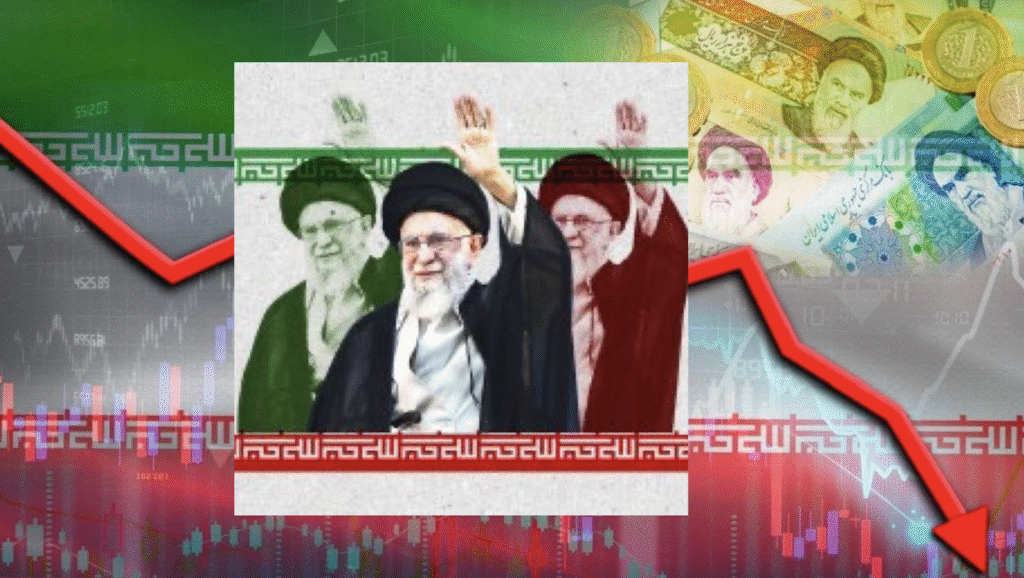
At the center of the current unrest lies an economy that has lost its capacity to cushion ordinary citizens from hardship. The Iranian rial has experienced repeated collapses in value, wiping out savings and sharply reducing purchasing power. Inflation has remained persistently high, with food prices rising faster than official averages. For many households, the issue is no longer declining living standards but basic affordability.
Disposable incomes have shrunk dramatically. Essentials such as dairy products, cooking oil, and meat are increasingly out of reach for large segments of the population. Youth unemployment officially hovers around 11–12 percent, but this figure masks widespread underemployment and the expansion of informal, insecure work. Among younger Iranians, many of whom are highly educated, the gap between expectations and reality has become particularly stark.
While sanctions have intensified these pressures, they are not the sole cause. Years of economic mismanagement, weak fiscal discipline, and the prioritisation of ideological commitments over domestic reform have hollowed out resilience within the system. External pressure has magnified vulnerabilities that were already present.
From Economic Protest to Political Defiance
What distinguishes this moment from earlier episodes of unrest is the clarity of its political language. Previous protests often focused on prices, subsidies, or local grievances. Today, slogans directly target the clerical establishment and the supreme leader himself, an act that crosses long-standing political taboos.
This shift reflects a growing perception among protesters that economic relief cannot be separated from political change. The belief that reforms can be achieved within existing structures has weakened, particularly among younger Iranians who have little memory of the relative openness of earlier reformist periods. For them, the political system appears closed, unresponsive, and increasingly disconnected from daily realities.
Iran’s demographic profile amplifies this tension. With a median age in the early thirties, the country is young, urban, and digitally connected. Exposure to global narratives of governance, accountability, and opportunity has sharpened dissatisfaction with domestic constraints, especially as prospects at home continue to narrow.
The Role of External Pressure
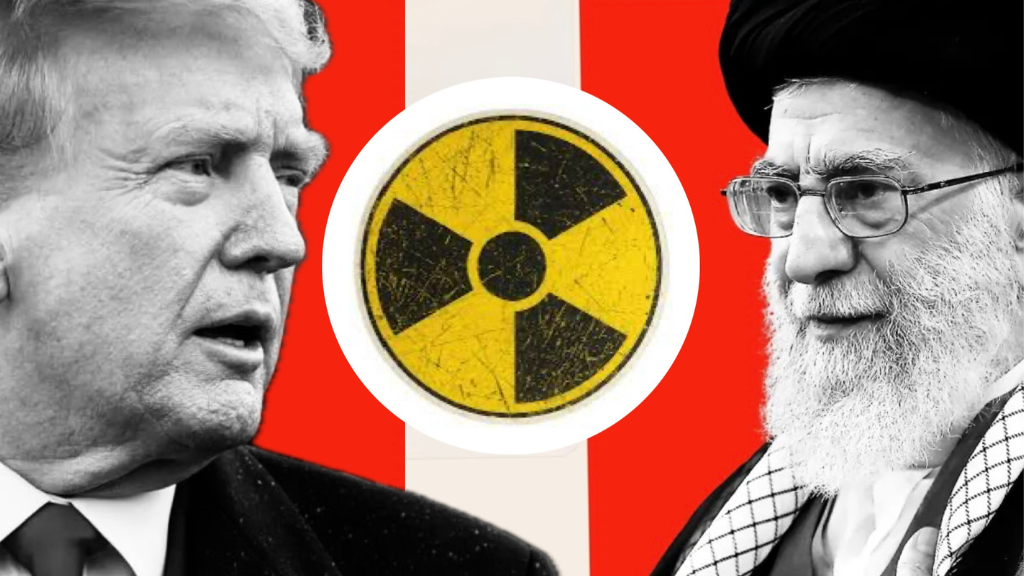
The current unrest also coincides with renewed American pressure under President Donald Trump. Sanctions targeting Iran’s financial system, energy sector, and foreign investment channels have further constrained state revenues and limited economic recovery. Oil exports, once the backbone of government income, remain well below historical levels despite partial adaptation to sanctions.
The Iranian leadership continues to frame unrest as the result of foreign interference. Yet the protests suggest a more complex reality. While sanctions have deepened hardship, many demonstrators view the crisis as fundamentally self-inflicted, rooted in governance failures, corruption, and strategic isolation.
This divergence in narratives matters. When external pressure aligns with internal discontent, it becomes harder for the state to rally public opinion around resistance alone.
State Response and Its Limits
The regime’s response has followed a familiar pattern. Security forces have moved quickly to disperse demonstrations, restrict movement, and limit information flows. Arrests and intimidation remain central tools of control. For now, the state retains the capacity to suppress unrest.
However, repetition itself is revealing. Iran has experienced significant protest waves in 2019, 2022, and now again. Each cycle leaves behind deeper mistrust and lowers the threshold for future mobilization. Repression may contain symptoms, but it does not address the structural drivers that keep re-emerging.
The result is a form of political stasis: the system does not collapse, but it also fails to renew itself.
Why This Moment Matters
Iran’s internal stability has implications far beyond its borders. As a major energy producer and a central actor in West Asian geopolitics, domestic turbulence affects regional calculations, diplomatic alignments, and market expectations. Internal unrest constrains Iran’s strategic flexibility even as regional tensions remain high.
More importantly, these protests raise fundamental questions about governance and consent within the Islamic Republic. When economic hardship converges with open political defiance, legitimacy becomes harder to restore through force alone.
Iran is not on the verge of immediate systemic collapse. The state remains intact, and its coercive institutions are strong. Yet the current unrest reflects a society under sustained strain, where economic decline, political exclusion, and external pressure intersect.
What is unfolding is not merely another protest cycle, but a signal of narrowing margins. Each wave of unrest chips away at the assumption that stability can be maintained without meaningful adaptation. Whether Iran’s leadership chooses reform, continued repression, or a careful balance of both will shape not only its domestic future, but its role in an increasingly unstable region.
The streets are sending a message. How it is interpreted may prove decisive.