Donald Trump has opened a new and volatile chapter in transatlantic relations, linking his long-running grievance over the Nobel Peace Prize to an aggressive push for American control of Greenland. In a blunt message sent directly to Norwegian Prime Minister Jonas Gahr Støre, the US president argued that being denied the award released him from any responsibility to pursue peace-first diplomacy, a claim that has unsettled European capitals and raised alarms across NATO.
The exchange, first confirmed by Norwegian officials and later reported by PBS, followed an appeal from Støre urging restraint. The Norwegian leader had sought dialogue to cool tensions surrounding Greenland and Washington’s latest tariff threats against European allies. Instead, Trump’s reply tied US foreign policy to personal recognition, reviving fears that Arctic security is becoming hostage to political grievance.
“No Obligation to Think Purely of Peace”
In his message, Trump suggested that Norway’s failure to award him the Nobel Peace Prize marked a turning point in how he approaches global affairs.
“Given that your country chose not to give me the Nobel Peace Prize for stopping eight wars and more, I no longer feel bound to think only about peace,” Trump wrote. “I can now focus on what is right and proper for the United States of America.”
He then turned to Greenland, questioning Denmark’s claim to the island and dismissing its historical basis as flimsy.
“There are no written documents,” the message said. “Just a boat landing there hundreds of years ago. We had boats landing there too.”
Trump ended with his most sweeping assertion yet, framing American control of Greenland as a global security imperative: “The world is not safe unless the United States has complete and total control of Greenland.”
Greenland and the Arctic Power Struggle
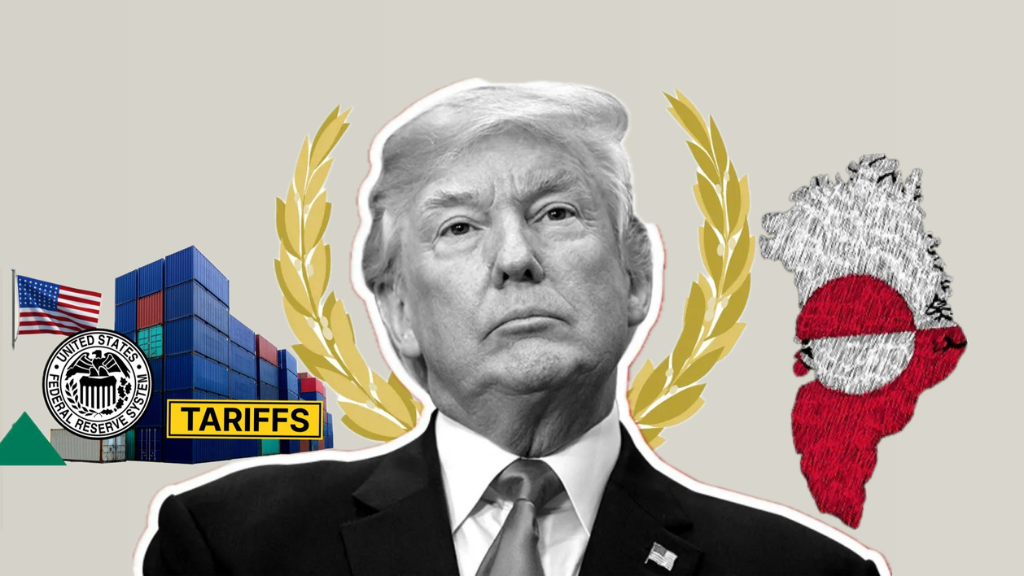
Greenland, the largest island on Earth, has been part of the Danish kingdom for more than three centuries. While it enjoys extensive self-rule, Copenhagen remains responsible for defense and foreign policy. The United States already operates key military infrastructure there, including the Pituffik Space Base, a cornerstone of Arctic and missile-tracking operations.
What Trump is now proposing, however, goes far beyond strategic cooperation. His repeated calls for outright US control or ownership have been firmly rejected by both Denmark and Greenland’s elected leadership.
European officials also point out that Washington itself has long recognized Danish sovereignty over Greenland through binding treaties signed decades ago. From their perspective, Trump’s claims collide directly with established international law and America’s own legal commitments.
Norway Pushes Back on Nobel Claims
Prime Minister Støre responded cautiously but forcefully, underscoring a basic point Trump has often brushed aside: Norway’s government does not award the Nobel Peace Prize.
“I have repeatedly explained to President Trump what is widely understood,” Støre said in a statement. “The prize is decided by an independent Nobel Committee, not by the Norwegian government.”
The dispute intensified after Venezuelan opposition figure Maria Corina Machado, the most recent Nobel Peace Prize laureate, symbolically handed Trump her medal during a White House visit last week. The Nobel Foundation quickly issued a clarification, stressing that Nobel Prizes cannot be transferred, shared, or reassigned under any circumstances.
NATO Pressure and Trade as Leverage
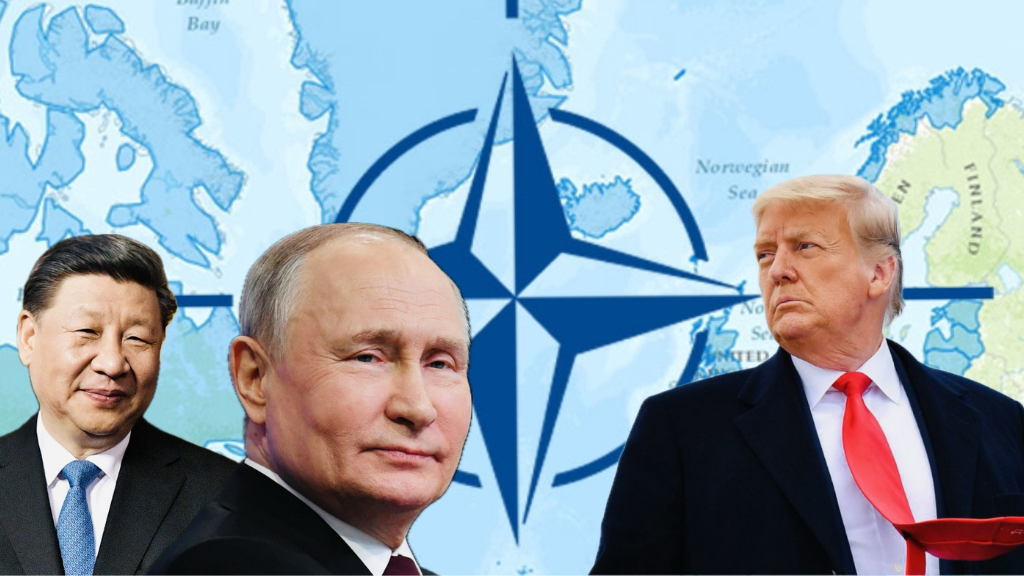
Trump’s message also broadened the confrontation by invoking NATO. He argued that his administration had done more for the alliance than any previous US leader and suggested it was time for NATO to “do something for America” specifically by supporting Washington’s Greenland ambitions.
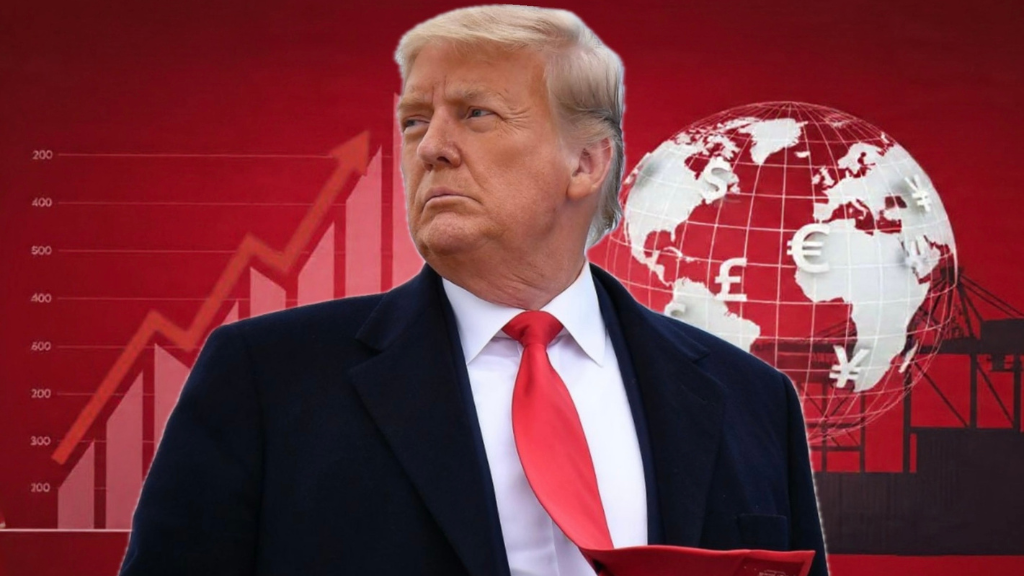
At the same time, economic pressure has become a key instrument. Last week, the US imposed a 10 percent tariff on Denmark and seven other European countries opposing Trump’s Greenland stance. The White House has warned that tariffs could rise to 25 percent by June if no progress is made.
Brussels has not stood still. EU ambassadors have already held emergency consultations, reviving plans for retaliatory duties on roughly €93 billion ($108 billion) worth of US exports. A special EU summit is scheduled later this week.
Markets Jolt, Allies Close Ranks
Financial markets reacted swiftly. European equities slipped, the dollar softened, and volatility ticked higher as investors priced in the risk of a widening US-EU trade clash.
Beyond economics, European governments see a deeper danger. Linking personal resentment over an international award to territorial demands against an ally, they argue, sets a troubling precedent.
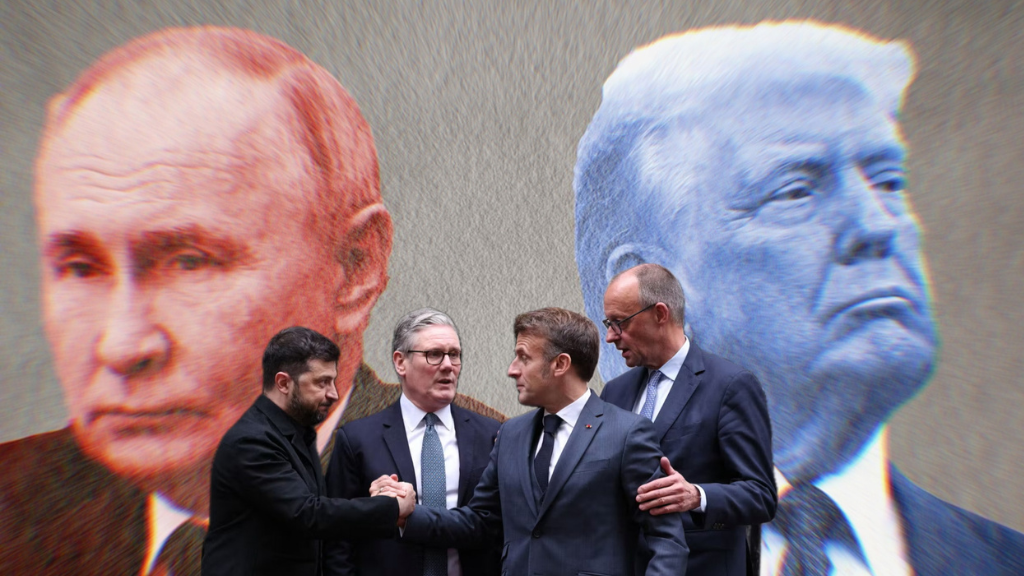
In a joint statement, Denmark, Norway, Finland, France, Germany, the Netherlands, Sweden, and the United Kingdom reaffirmed their backing for Denmark and Greenland. They warned that annexation rhetoric combined with tariff threats could trigger “a dangerous downward spiral” in transatlantic relations.
A Defining Moment for Arctic Politics
What was once dismissed as provocative talk has now hardened into explicit demands. By tying peace, personal validation, and territorial control into a single argument, Trump has injected new uncertainty into Arctic geopolitics.
Whether this episode ends in negotiation, confrontation, or a deeper fracture within NATO may depend on how Europe and the United States’ own political institutions respond to a president who insists that global security hinges on American dominance of Greenland.