The Trump administration’s 2025 National Security Strategy (NSS) alters the American grand strategy. The liberal hegemony paradigm of the post-World War II era has been supplanted by transactional retrenchment. NATO has become ‘dormant’ as the U.S. government has transformed it into a conditional financial arrangement and sought to enhance relations with Russia at the expense of Ukraine’s sovereignty. This strategy alters the allocation of responsibilities and converts international relations into bilateral commercial agreements. This will irrevocably fragment Western geopolitics and render Europe isolated from an escalating continental threat.
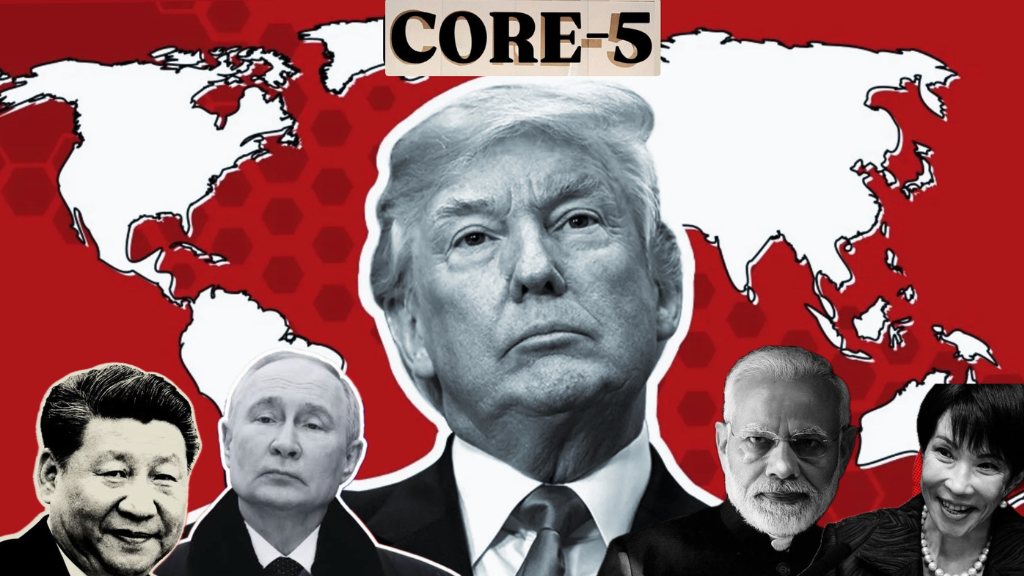
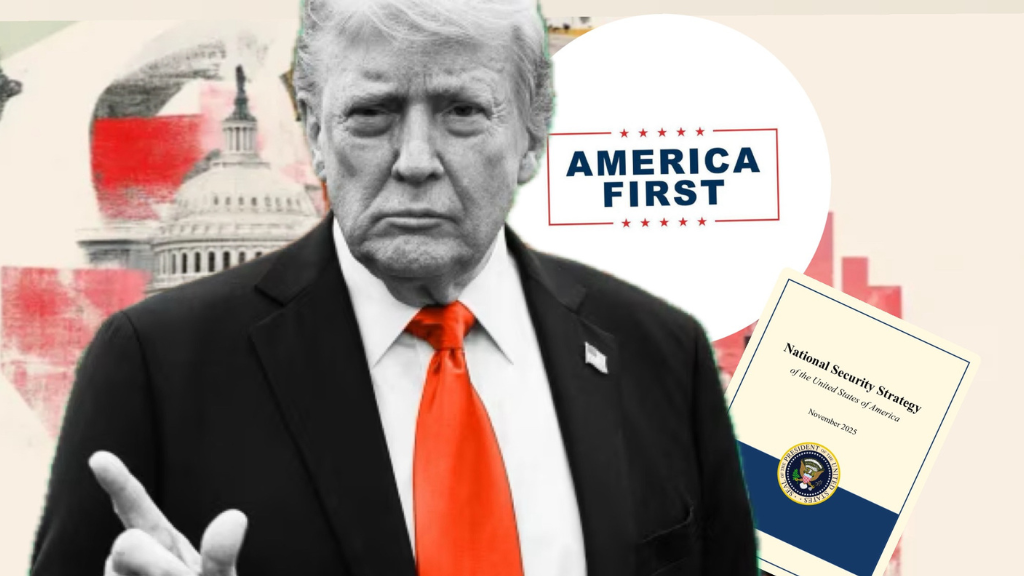
The US National Security Strategy, published on December 4, 2025, institutionalizes ‘America First’ as a policy. The NSS 2025 indicates a trend towards increased focus towards U.S benefits, in contrast to the NSS 2017, which gave equal importance to the national and international security. The document repudiates the myth of the liberal international order and substitutes multilateral accords with transactional arrangements.
The document characterized NATO as dormant, forecasting that the 2025 National Security Strategy will perceive friends as liabilities that as “entangle the American populace in distant conflicts unrelated to vital national interests”. This article examines the potential abandonment of NATO, the normalization of Russian expansionism, and the shift of geopolitics towards commercial mercantilism.
Re-examining NATO provisions: The NSS 2025 perceives international politics as a series of bilateral agreements rather than as institutional obligations. The permanent US garrisons in Germany and Poland have been retracted, with resources relocated to the Indo-Pacific or the US mainland. European towns must either swiftly remilitarize, provoking public unrest, or engage in negotiations with Moscow due to this radical retrenchment. The NSS asserts that Europe must emphasize territorial integrity.
Russia Reset as the Concession Regarding Deterrence
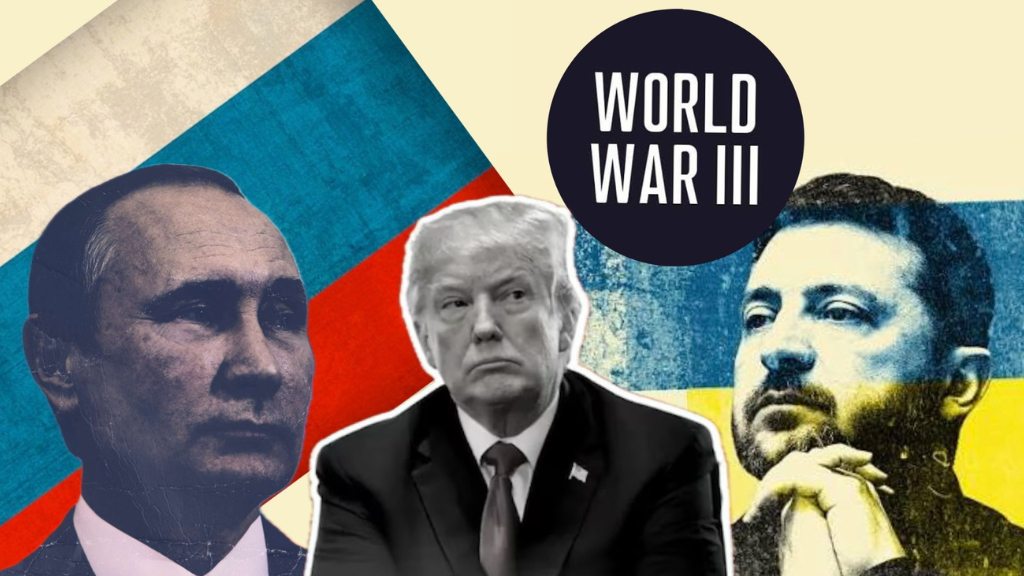
The 2025 NSS represents a significant alteration in policy toward the Russo-Ukrainian War. The concept asserts that the US should not strategically defeat Russia. It stresses crisis resolution by initiating negotiations swiftly and reinstating global oil markets over local sovereignty. The document advocates for a civilizational realignment and asserts that compelling Russia to ally with China constitutes a more significant geopolitical risk than Russia’s aggression in Eastern Europe.
The U.S. government somehow has ceased the provision of lethal weaponry to Kyiv and is urging Ukraine to acknowledge the current realities on the ground, implying that the Donbas and Crimea will not be reclaimed. This treachery against Ukraine is perceived as rectifying liberal excess. The NSS 2025 advocates for the normalization of US-Russia trade in return for favorable energy tariffs and collaboration on counterterrorism, implicitly acknowledging a Russian sphere of influence in the post-Soviet world.
International Relations and Economics
The 2025 NSS posits that high politics (security) and low politics (economics) should be congruent. An increasing number of individuals are exchanging security for financial gain. This suggests that the US will provide assistance to trade surplus nations in a condition if they implement improved trade agreements. This mercantile realism undermines Western diplomacy.
European allies initially function as economic rivals but evolve into security collaborators. Universal tariffs and security withdrawals have rendered the EU diplomatically impotent. This strategy does not effectively address the decline but instead exacerbates it by distancing itself from the US alliance network.
The ‘Allied or Alone dichotomy in the 2025 National Security Strategy has enduring implications. Such as:
European Proliferation: If the US forsake its allies, Poland and Germany might develop nuclear armaments, endangering the NPT.
Russian influence of Europe: In the absence of US influence, Western European countries may pursue rapprochement with Russia, undermining EU political unity and enabling Moscow to obstruct European security efforts.
Global Signal: The U.S. withdrawal from Ukraine indicates to revisionist powers, notably China concerning Taiwan, that US security commitments may fluctuate depending on domestic circumstances.
The 2025 National Security Strategy repudiates the existing Republican foreign policy. This represents the final victory of the domestic economics and aversion to international involvement. The United States asserts that its economic framework and geographic seclusion will safeguard it against worldwide calamities. The assumptions to destabilize NATO and partition Ukraine into two regions indicates that the US will confront the forthcoming significant power struggle without its longstanding allies.
Dr. Niraj Kumar Das holds a PhD from Jawaharlal Nehru University. His expertise lies in nuclear governance and strategic competition involving nuclear technologies. His research interests focus on the intersection of International Relations, Nuclear Diplomacy, and Security Studies, with a specialization in U.S.–North Korea nuclear diplomacy, East Asian security, and geopolitics.