A Quiet Diplomatic Shift
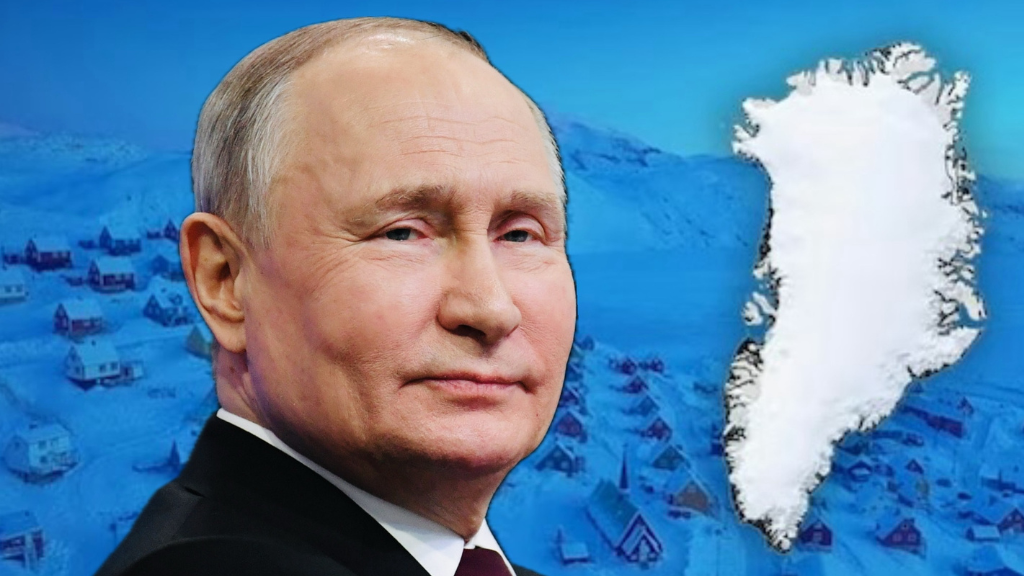
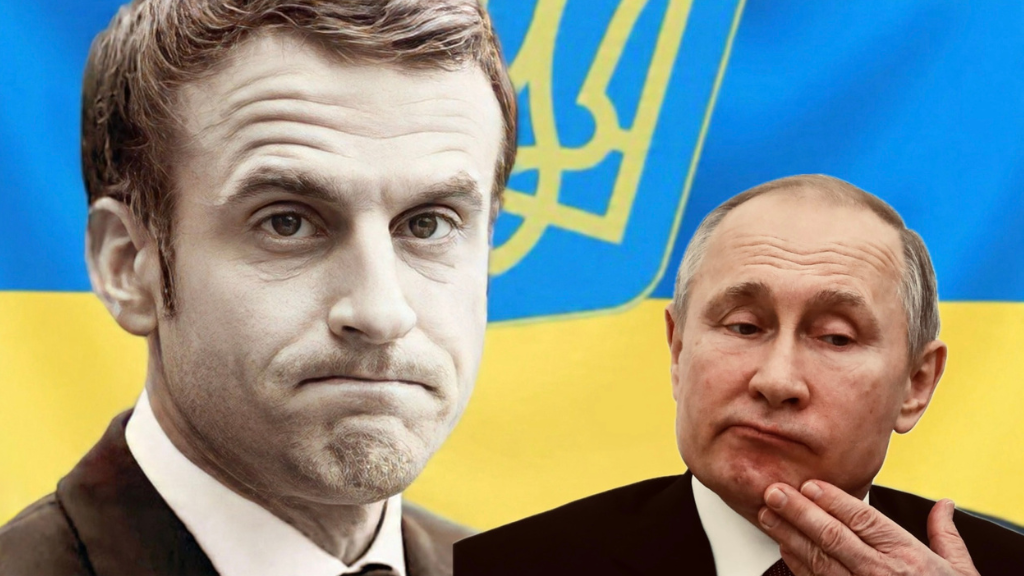
A quiet diplomatic adjustment is taking shape in Europe. After years of near-total freeze, Russia and France have reopened technical-level communication, signaling a cautious shift in how parts of the continent may be preparing for the long-term trajectory of the Ukraine war.
The Kremlin confirmed that working-level exchanges between Russian and French officials have restarted. At the same time, Moscow was careful to lower expectations, stressing that there are no plans for talks between President Vladimir Putin and President Emmanuel Macron. In other words, the channel is functional, but political dialogue remains distant.
The Limits of Isolation
Even so, the move itself carries weight. Since Russia’s invasion of Ukraine, European governments have relied heavily on diplomatic isolation as a tool of pressure. Direct engagement was reduced to emergency or procedural contacts, while political dialogue largely disappeared. The return of routine exchanges suggests that some capitals are beginning to question whether permanent disengagement can serve Europe’s long-term interests.
France’s Strategic Calculation
From Paris’s perspective, the logic appears increasingly strategic. French officials have argued in recent months that Europe should not be relegated to a secondary role in shaping the eventual outcome of the conflict. Allowing Washington alone to define the terms of any settlement risks leaving European security dependent on decisions made elsewhere. Reopening communication with Moscow is therefore less about reconciliation and more about retaining influence.
French diplomats have been careful to frame the shift as practical rather than political. Engagement, they argue, does not imply acceptance of Russian actions. Instead, it reflects a belief that diplomacy must exist alongside military and economic pressure, particularly as discussions about ceasefire scenarios and future security arrangements gain traction.
Moscow’s Cautious Response
Moscow’s reaction has been restrained. Russian officials have welcomed the resumption of contact but appear unwilling to accelerate toward high-level talks. This caution may reflect skepticism over Europe’s ability to diverge from U.S. policy, or uncertainty about whether renewed dialogue will translate into concrete changes such as revised negotiation frameworks or softer diplomatic language.
Ukraine’s Place in Europe’s Future
The timing of this recalibration also coincides with broader debates inside the European Union about Ukraine’s long-term status. Kyiv continues to press for rapid accession to Western institutions, including EU membership. Yet some European policymakers are quietly considering alternative pathways, models that would deepen integration without immediately extending full membership, which carries heavy political and financial consequences.
Strategic Autonomy and European Power
These conversations point to a larger question: how Europe defines its own strategic autonomy. Supporting Ukraine, maintaining unity within the bloc, managing relations with Washington, and eventually stabilizing relations with Russia are all part of the same equation. The revival of Franco-Russian contacts suggests that planning for the “after” phase of the war has already begun, even if publicly leaders remain focused on the present conflict.
Obstacles to Real Diplomacy
Major barriers remain in place. Sanctions continue, military assistance to Ukraine shows no sign of slowing, and trust between Moscow and European capitals is minimal. Any serious diplomatic breakthrough will depend on battlefield developments and whether both Russia and Ukraine are willing to entertain compromises that currently appear politically risky.
Domestic Pressures and Political Risk
Domestic pressures further complicate the picture. European leaders must defend engagement with Russia to electorates that overwhelmingly view Moscow as responsible for the war. At the same time, rising energy costs, economic strain, and long-term security anxieties are fueling arguments for a more pragmatic approach to diplomacy.
Preparation, Not a Breakthrough
For now, the reopening of technical contacts is better understood as preparation rather than progress. It reduces the risk of miscalculation and keeps procedural lines open should circumstances change quickly. History suggests that major negotiations rarely begin with dramatic announcements; they tend to start with modest exchanges that test intentions and establish mechanisms for dialogue.
Europe Positions for the Endgame
Whether this tentative thaw develops into meaningful political talks remains uncertain. What is clear, however, is that Europe’s major powers do not intend to be spectators when discussions about Ukraine’s future eventually begin. And that, inevitably, means finding a way, however limited ato talk to Moscow again.