At this year’s Munich Security Conference, European leaders delivered a strikingly unified message: Europe can no longer depend entirely on others to guarantee its security and prosperity. Faced with war on its borders, economic pressure from rival powers, and uncertainty in relations with traditional allies, the idea of “strategic autonomy” has moved from abstract theory to political urgency.
Across speeches and closed-door discussions, leaders spoke of a world that feels less predictable and more hostile. Their language reflected concern that the international system built on rules and cooperation is weakening, replaced by competition between major powers. In this climate, many argued, Europe must be able to defend itself, supply itself, and make decisions without being overly reliant on outside actors.
A Union Under External Pressure
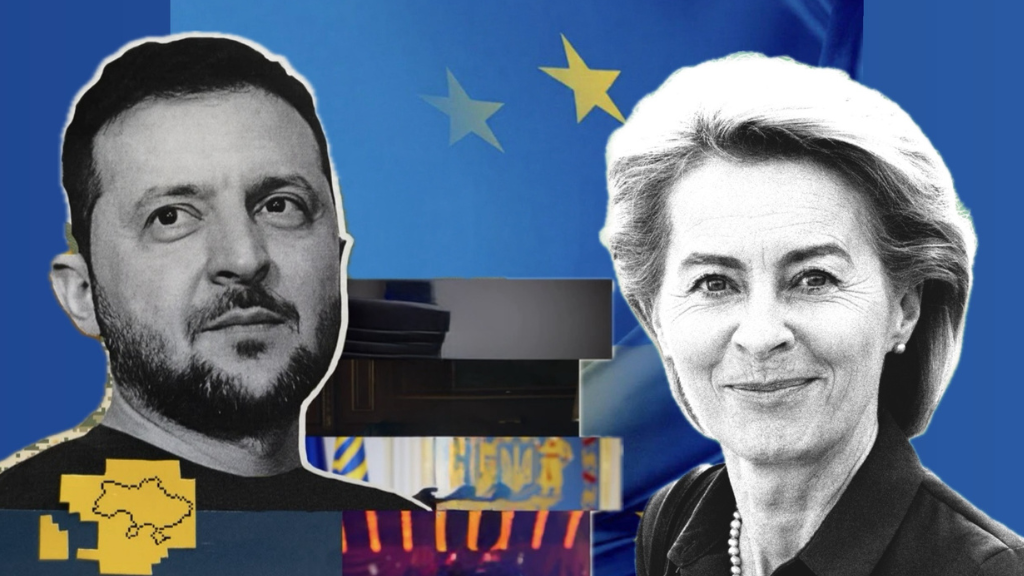
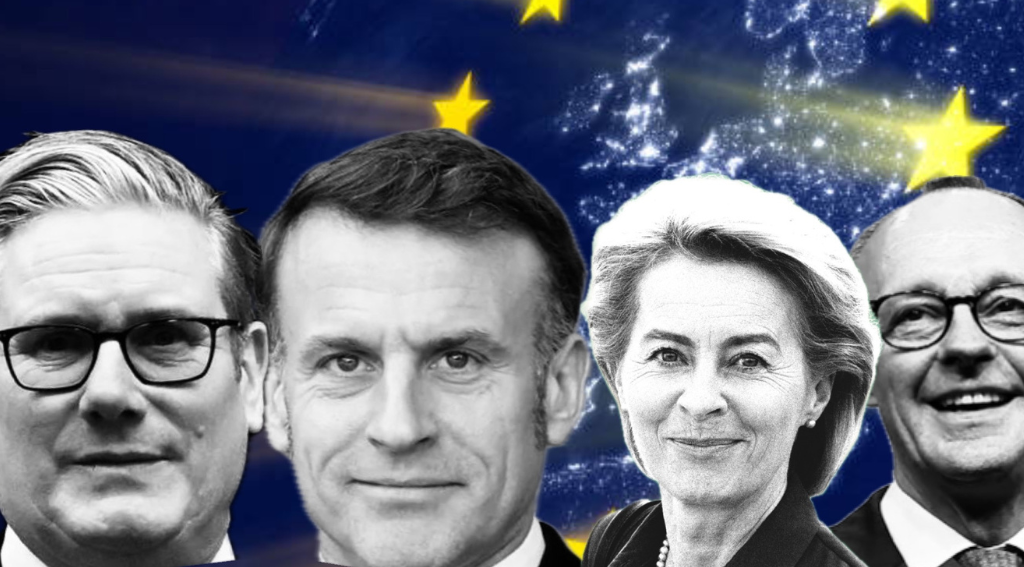
European Commission President Ursula von der Leyen warned that Europe is facing pressure from forces seeking to undermine unity both from outside and within. She described a climate of economic coercion, cyber interference, and political manipulation aimed at weakening European cohesion.
According to her, the European Union has reached a moment where self-reliance is no longer optional. She pointed to areas such as defense, energy supply, critical raw materials, digital infrastructure, and industrial capacity as fields where Europe must reduce vulnerabilities.
Recent crises have reinforced this argument. The pandemic revealed how fragile global supply chains could be. Russia’s war in Ukraine exposed Europe’s heavy dependence on external energy suppliers. These experiences, von der Leyen argued, should serve as lessons for the future. Strategic autonomy, in this sense, does not mean isolation, but the ability to act when others cannot or will not.
Britain’s Case for Military Strength
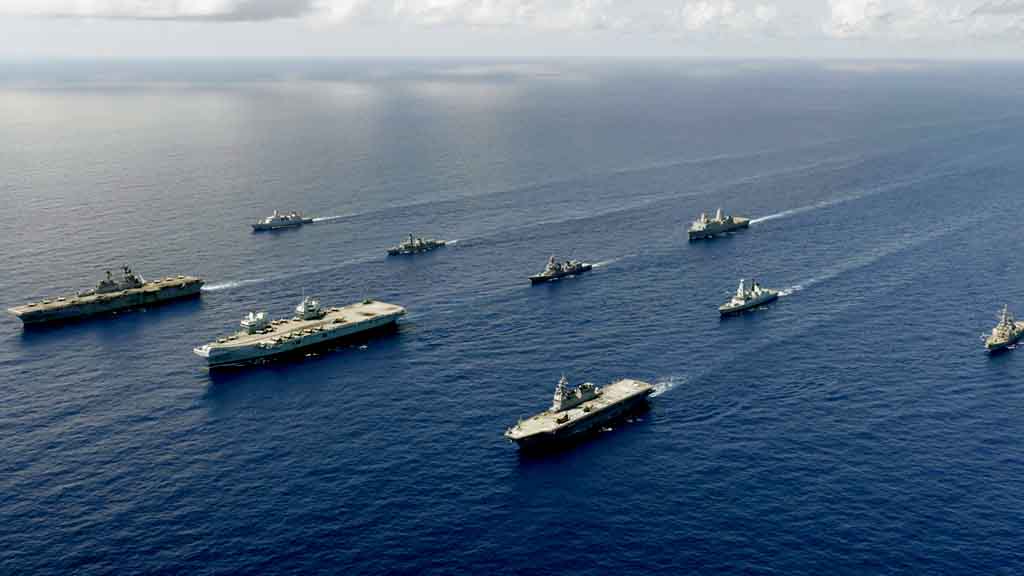
British Prime Minister Keir Starmer focused on the military dimension of Europe’s challenges. He described hard power as the defining feature of the current era and said Europe must invest more seriously in its own defense if it wants to deter aggression.
Starmer called for closer integration among European armed forces, including joint procurement and coordinated spending. He also supported the idea of a stronger European role within NATO, arguing that Europe should carry more of the burden instead of relying disproportionately on the United States.
His remarks reflected a wider shift in thinking across the continent. For years, European defense cooperation struggled to move beyond statements of intent. Now, war and geopolitical rivalry are forcing governments to reconsider old assumptions. Standing on one’s own feet, Starmer suggested, does not mean abandoning alliances but strengthening them through greater European capability.
Germany’s Warning on a New Power Era
German Chancellor Friedrich Merz offered one of the starkest assessments of the global situation. He argued that the international order based on shared rules and institutions is eroding and that the world is entering an age defined by power politics.
Merz also spoke openly about strains in the transatlantic relationship. He said the idea of automatic American leadership can no longer be taken for granted. In his view, Europe must prepare for scenarios in which it has to defend its interests with less external support.
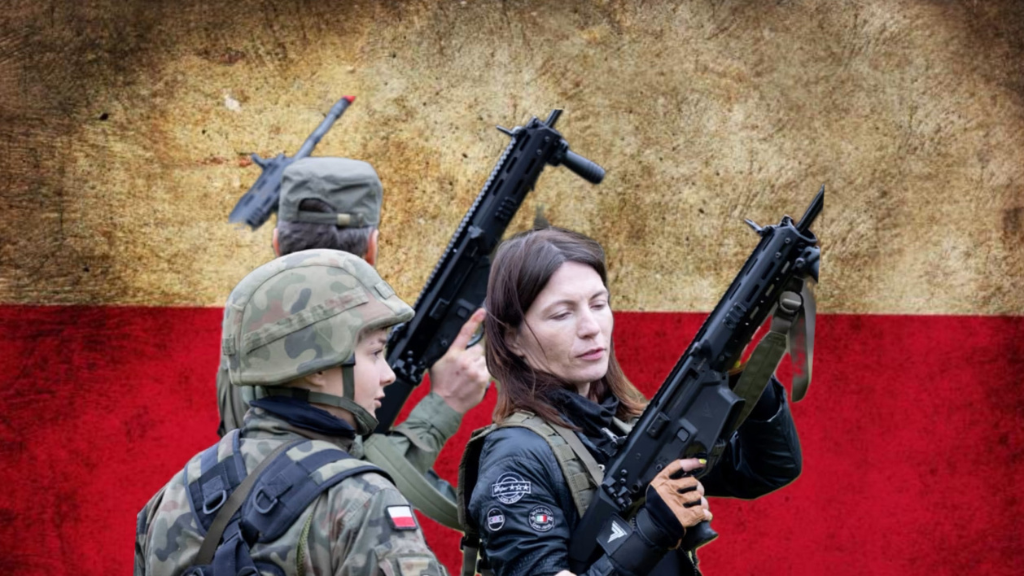
For Germany, such language marks a significant shift. Long cautious about military leadership because of its history, Berlin is now presenting itself as a central pillar of European security. Merz’s comments suggested that dependence has become a strategic risk and that self-confidence in defense matters is becoming unavoidable.
France’s Push for Geopolitical Influence
French President Emmanuel Macron echoed the call for autonomy but framed it in economic and strategic terms. He argued that Europe must become a genuine geopolitical actor rather than simply a market or a regulatory power.
Macron promoted the idea of reducing dependence across entire supply chains, from energy and technology to industrial components. He also repeated his call for a “European preference” in key sectors, meaning that European countries should prioritize domestic or regional producers when possible.
In his view, strategic autonomy is about reducing overexposure to external shocks. This includes not only military risks but also trade disruptions and political pressure from powerful states. Europe, he said, must learn to protect itself economically as well as militarily.
Between Independence and Alliance
Despite the strong rhetoric, none of the leaders suggested breaking ties with the United States. Instead, they framed autonomy as a way of rebalancing the relationship. A more capable Europe, they argued, would be a stronger partner rather than a dependent one.
Still, the emphasis on autonomy reveals underlying anxiety. Political shifts in Washington, combined with growing security challenges in Europe’s neighborhood, have made long-term reliance on American protection feel uncertain. This has encouraged European leaders to think in terms of contingency and preparedness.
There are also internal concerns. Smaller European states worry that autonomy could concentrate power in the hands of the largest countries unless carefully managed. Building common defense industries and coordinated policies will require trust, funding, and compromise.
A Turning Point for Europe
What made this year’s conference notable was not only what was said but how urgently it was said. Strategic autonomy was once discussed as a distant ambition. Now it is framed as a practical necessity shaped by conflict, competition, and instability.
European leaders appear to agree that the continent must strengthen its own capabilities if it wants to preserve security and political independence. Whether this vision becomes reality will depend on budgets, industrial investment, and political will.
For now, the message is clear. Europe sees itself entering a harsher world, one in which protection cannot be outsourced and stability cannot be assumed. Strategic autonomy is no longer just a slogan. It is increasingly being treated as the blueprint for how Europe intends to navigate an unpredictable global order.