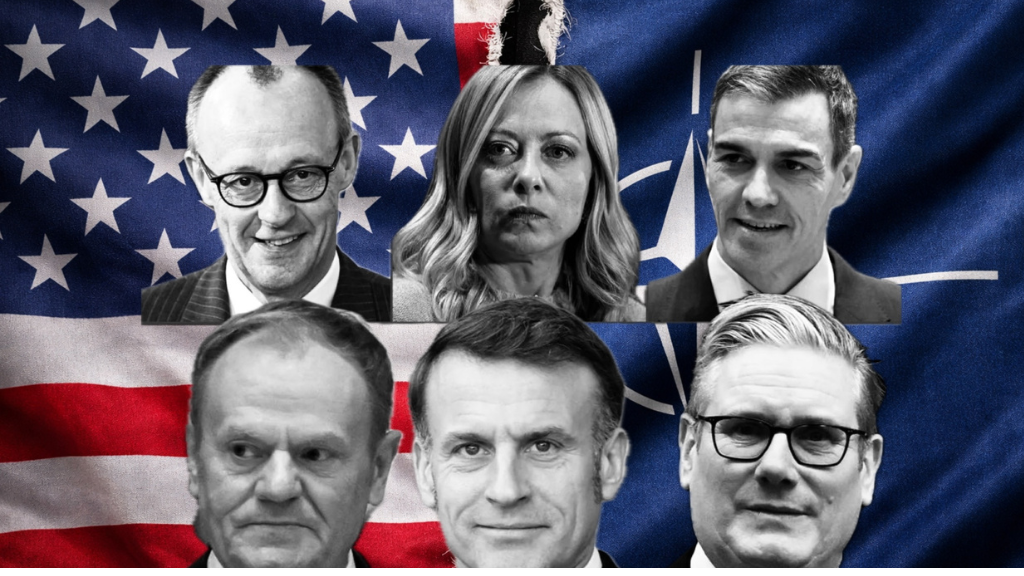
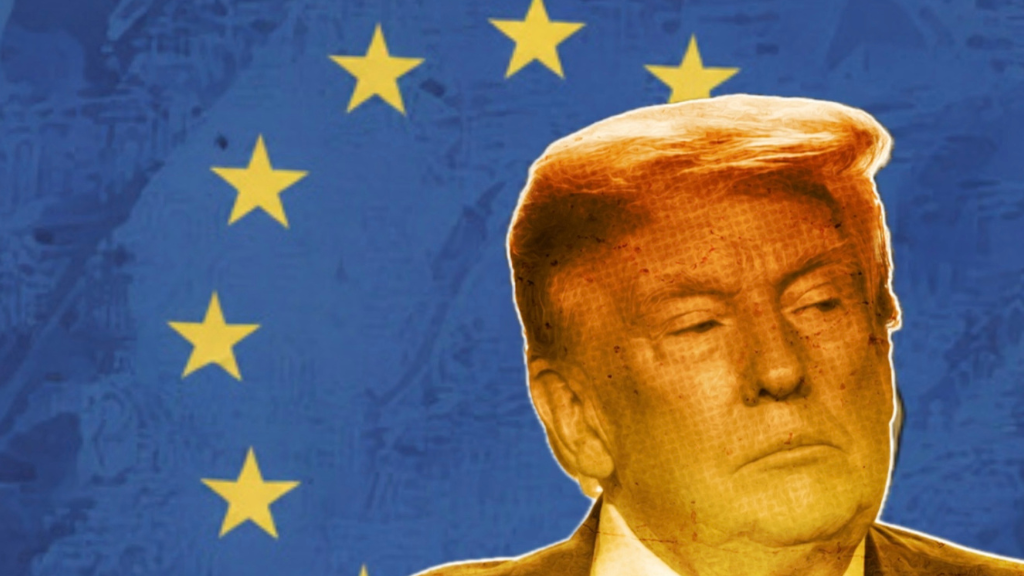
At Davos, bluntness came easily.
“If you’re going to depend on someone,” US Trade Secretary Howard Lutnick said from the World Economic Forum stage, “it better be your closest allies.” The remark landed less as reassurance and more as a warning. Globalization was dismissed. Europe was criticized. Even Davos itself was not spared.
Across European capitals, the subtext was impossible to miss.
For months now, Europe has been weighing a question it once considered settled: how much of its security, prosperity, and political stability still hinges on Washington and whether that dependence has quietly become a liability.
Donald Trump’s renewed fixation on Greenland, a Danish territory, has sharpened that debate. The issue is not the island itself. It is what the demand represents: leverage wielded openly, and the suggestion that American protection now comes with explicit conditions.
From energy supplies to battlefield intelligence, from trade access to nuclear deterrence, Europe remains deeply entangled with the United States. Yet the turbulence emanating from the White House has pushed European leaders into uncomfortable territory, contemplating strategic autonomy while knowing they are not ready for it.
As one European diplomat put it privately, the message from Washington increasingly sounds transactional: support for Ukraine, NATO credibility, and economic cooperation are no longer givens. They are bargaining chips.
Ukraine, at the worst possible moment
For Ukraine, the timing could scarcely be worse.
After months of delicate negotiations, Kyiv and Washington were edging toward an agreement on postwar security guarantees and a broader economic recovery framework. Then Greenland entered the frame, diverting attention from the largest land war Europe has seen since 1945.
Rather than rushing to Davos, President Volodymyr Zelensky stayed in Kyiv to manage an escalating energy crisis. Russian strikes had left much of the capital without power. Meanwhile, Trump doubled down on his Greenland demands.
The episode underscored Europe’s dilemma. Even marginal delays in American military support can have devastating consequences. Zelensky warned this week that had deliveries of Patriot interceptor missiles slipped by even a day, the impact of recent Russian attacks would have been far worse.
Europe has tried to adjust. Intelligence-sharing has expanded. France now claims to provide roughly two-thirds of Ukraine’s intelligence needs. Direct US weapons transfers have slowed, with European NATO members purchasing American systems instead.
Still, the limits are obvious. European leaders know that without Washington, there can be no credible security guarantees for Ukraine once the war ends. Kyiv continues to hope that US pressure on Moscow will eventually matter because no other actor can exert it at the same scale.
The fading nuclear umbrella
For decades, Europe lived under an unspoken assumption: the American nuclear deterrent was absolute.
That certainty has eroded.
Some European security officials now question whether Moscow still believes Washington would risk nuclear escalation on Europe’s behalf. Others worry that political alignment matters more than treaty language.
France and the United Kingdom both possess nuclear weapons, but only France’s arsenal is fully independent. Britain’s Trident system relies heavily on US infrastructure, a constraint that limits London’s freedom of maneuver.
The shift is already visible. Poland and Germany have floated the idea of falling under a French nuclear umbrella. In Sweden, a newly minted NATO member, public debate has reopened over whether abandoning nuclear weapons decades ago was a mistake.
The logic, for advocates, is simple: European capitals feel closer to Paris than to Washington. Decisions made in Europe may carry greater urgency for Europeans than for an administration across the Atlantic.
An American military continent
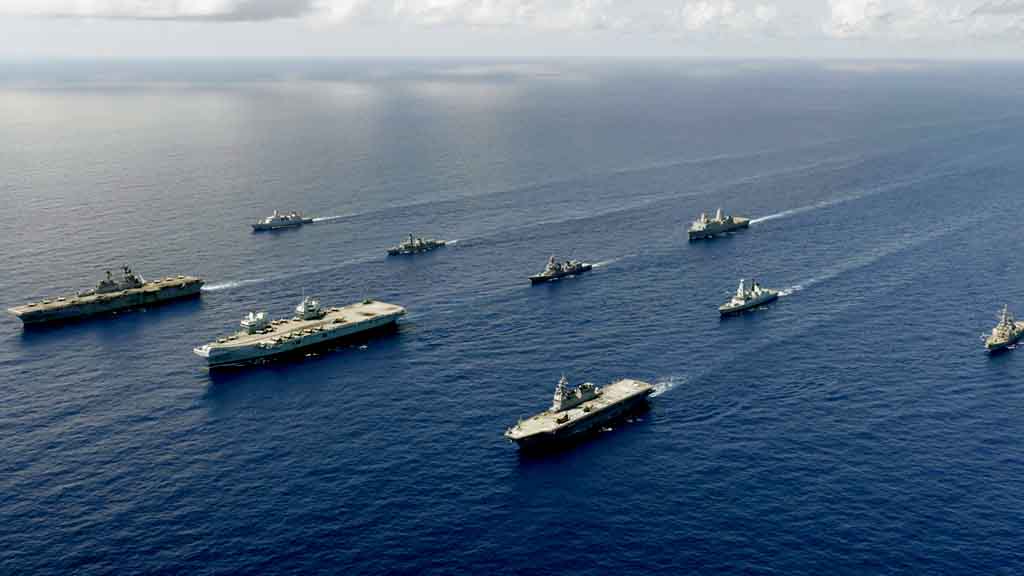
Despite all the talk of autonomy, Europe’s hard power remains overwhelmingly American.
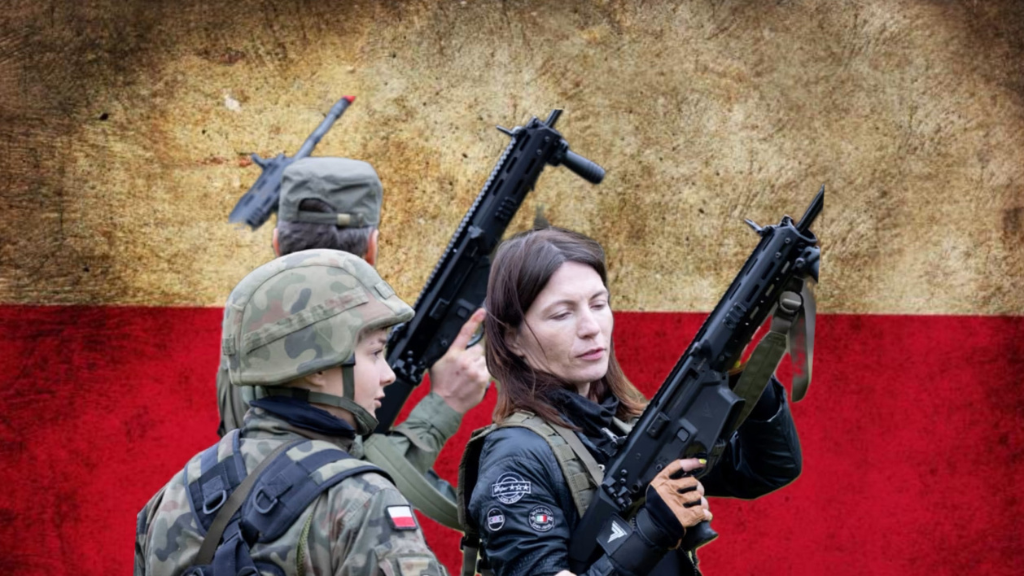
US troops, aircraft, submarines, and logistics hubs form the backbone of NATO’s deterrence posture. European militaries, downsized after the Cold War, struggle to operate independently at scale. A former EU official once described them as “bonsai armies” carefully maintained, but limited in reach.
The imbalance shows in the numbers. The United States accounts for roughly two-thirds of NATO’s defense spending. Europe covers the rest.
Efforts to reverse this trend are underway. The EU has launched new defense funding programs. France has pushed aggressively for European procurement, arguing that buying American hardware entrenches dependence.
Yet reality intrudes. Thirteen European countries fly the US-made F-35. Key air defense and artillery systems from Patriot to HIMARS have no immediate European substitutes. Software, spare parts, and ammunition remain tied to American supply chains.
Even leaders confident in Europe’s long-term potential concede the short-term limits. Autonomy is a project measured in decades, not election cycles.
Energy as leverage
Europe’s energy transition tells a similar story.
When Russian gas was cut off after the 2022 invasion of Ukraine, American liquefied natural gas filled the gap. By 2025, nearly 60 percent of the EU’s LNG imports came from the United States up sharply from prewar levels.
The shift kept factories running and homes heated, but it created a new dependency. Gas flows are harder to weaponize than pipelines, yet pricing, contracts, and supply volumes still offer leverage.
European leaders remember the pain of the winter of 2022. Few are eager to test another energy shock especially one tied to political confrontation with Washington.
Why Europe still holds back
In theory, Europe is not powerless.
Collectively, European states hold trillions of dollars in US bonds and equities. Some economists have noted that, at least on paper, Europe could pressure the dollar or financial markets in response to tariffs or coercion.
In practice, restraint prevails.
The risks are simply too high. Retaliation could fracture financial stability, weaken transatlantic trust further, and most critically undermine support for Ukraine.
As one diplomat explained, past trade disputes were manageable. Today’s stakes are existential. This is no longer about tariffs or trade balances, but about the structure of the international order itself.
That reality explains Europe’s caution. Confrontation carries costs Europe is not yet prepared to absorb. Dependence, however uncomfortable, still feels safer than rupture.
By the time leaders left Davos, the mood was unmistakably darker. Certainty had given way to unease. Strategic assumptions once taken for granted were openly questioned.
As one European leader put it quietly, no one is laughing anymore because no one knows what comes next.