Europe Rethinks Its Naval Strategy Amid Ukraine War
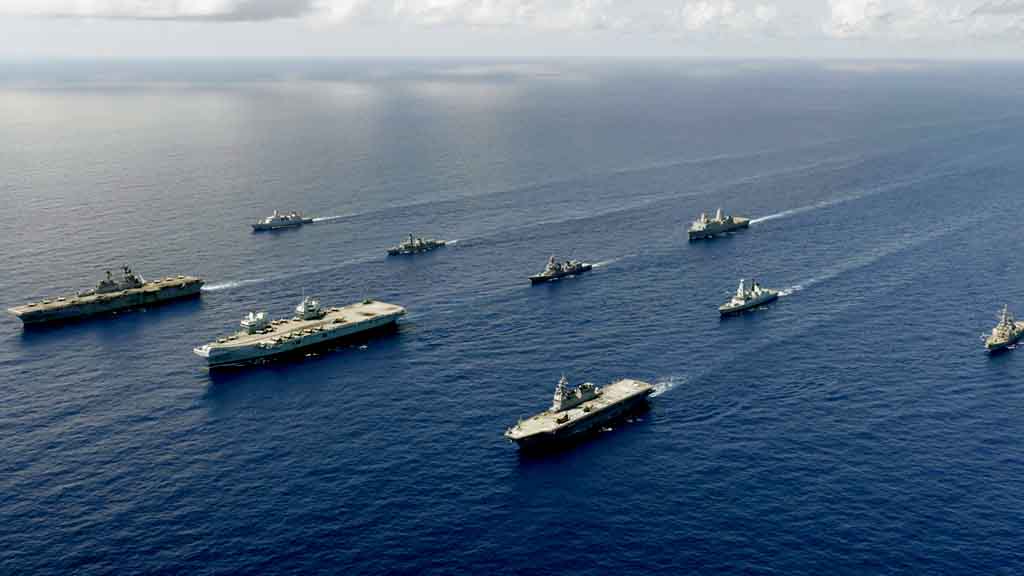
Russia’s invasion of Ukraine has shaken Europe’s approach to maritime security. The conflict didn’t just play out on land, it revealed glaring weaknesses at sea. Traditional doctrines, which emphasized large vessels and conventional tactics, no longer guarantee dominance. European governments now face hard questions about fleets, missile defense, and uncrewed systems that were largely ignored after the Cold War.
Lessons from the Black Sea
The sinking of Russia’s Moskva in 2022 stunned military experts. A single missile strike disabled a ship once thought untouchable. Meanwhile, Ukraine’s clever use of naval drones has shown that small, agile systems can outmaneuver much larger fleets. For navies accustomed to peacekeeping or anti-piracy missions, these events were a wake-up call. They highlighted how even modest actors can exert significant influence in modern maritime warfare.
Rebuilding Domestic Shipbuilding
European nations are reacting fast. Germany is pumping funds into shipyards, France and Italy are designing new frigates together, and the UK is pushing its Future Fleet program. The goal is clear: build fleets that can respond quickly, coordinate seamlessly, and reduce dependence on foreign suppliers. Naval officers note that these moves aren’t just about hardware, they signal a long-term commitment to operational independence.
Upgrading Air, Uncrewed, and Undersea Capabilities
Three areas now dominate Europe’s naval priorities:
- Air and missile defense: Russian missile strikes and attacks on naval vessels exposed gaps in radar coverage and vertical launch readiness.
- Uncrewed systems: Drones have proven themselves in surveillance, mine clearance, and coastal defense. Europe is now integrating these into exercises and operations.
- Undersea infrastructure: The sabotage of Nord Stream pipelines underscored Europe’s vulnerability beneath the waves. New investments in seabed monitoring and autonomous vehicles aim to secure critical energy and data networks.
NATO’s Growing Role
The war has reinforced NATO’s importance. Joint exercises have increased, patrols have become multinational, and coordination has tightened in the Baltic and Mediterranean. Finland and Sweden’s entry into the alliance has transformed northern waters, giving NATO access to new submarine and surveillance capabilities. Observers say this integration shows that no single navy can face modern threats alone.
A Faster, Unpredictable Future
Europe’s naval rearmament is one of the most significant strategic shifts in decades. The Ukraine conflict demonstrates that maritime security is no longer a given. Naval warfare is evolving faster, more unpredictable, and technologically complex. By learning from the Black Sea and investing in flexible, modern fleets, Europe hopes to create a safer, more resilient maritime environment in the years ahead.