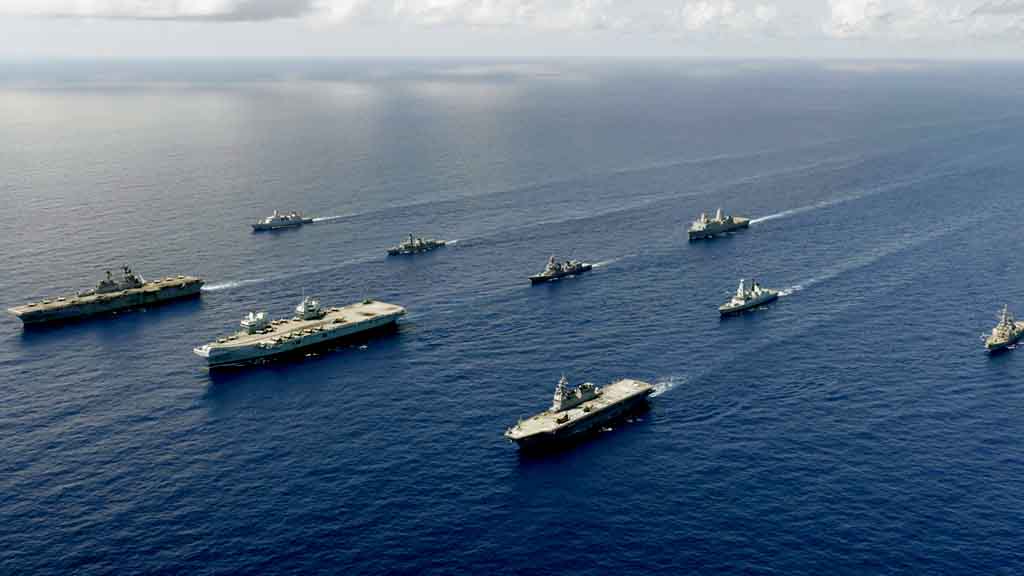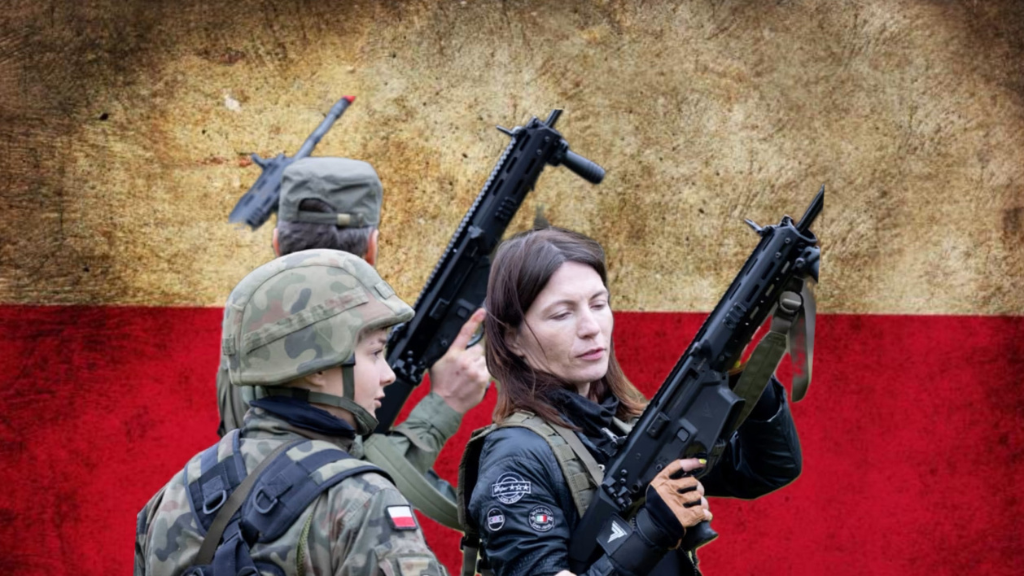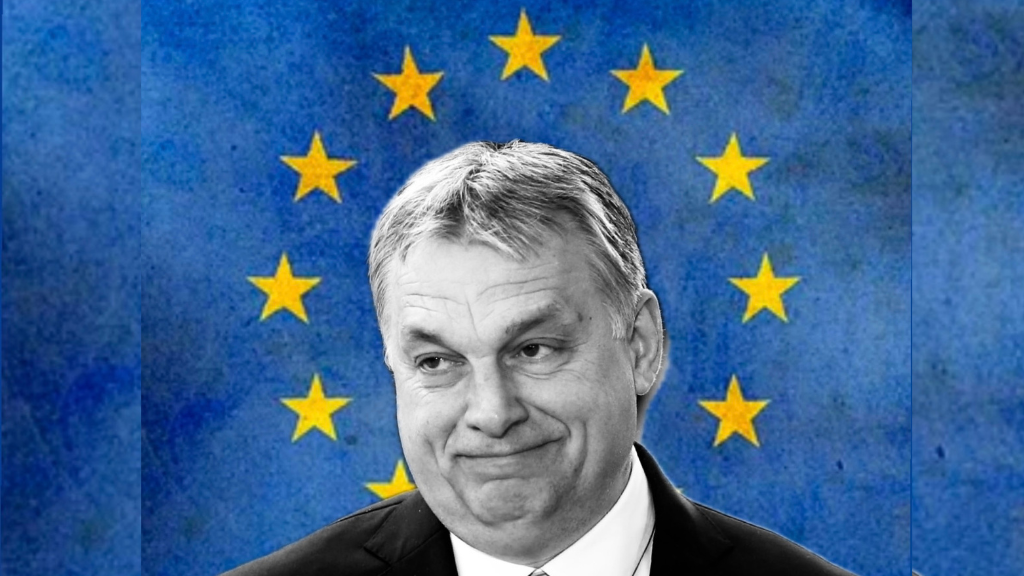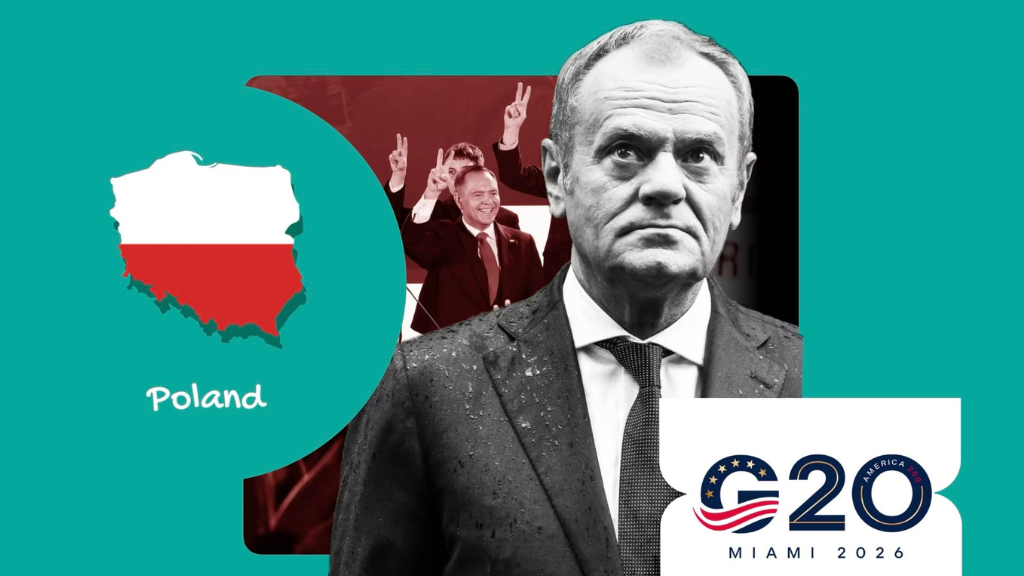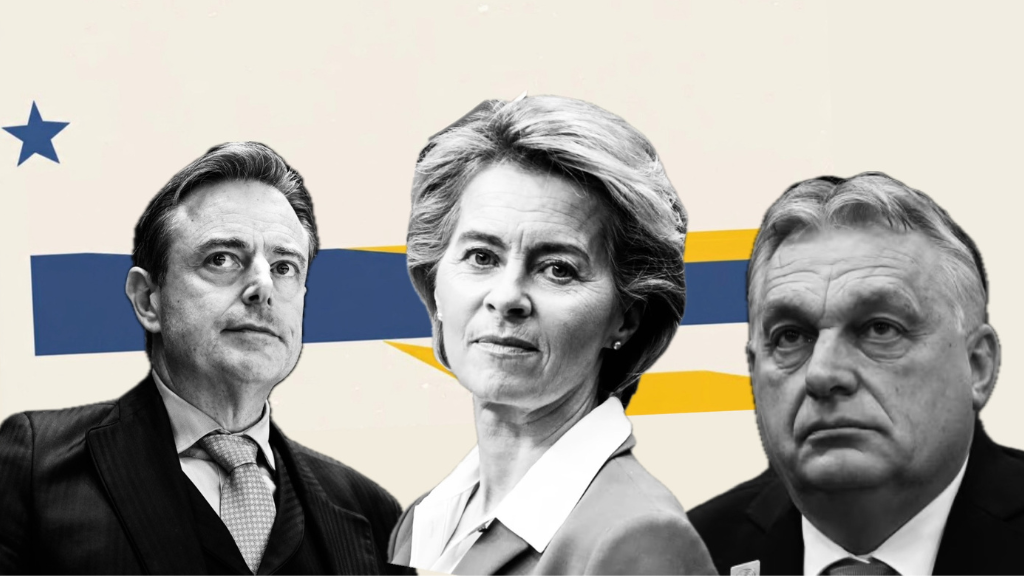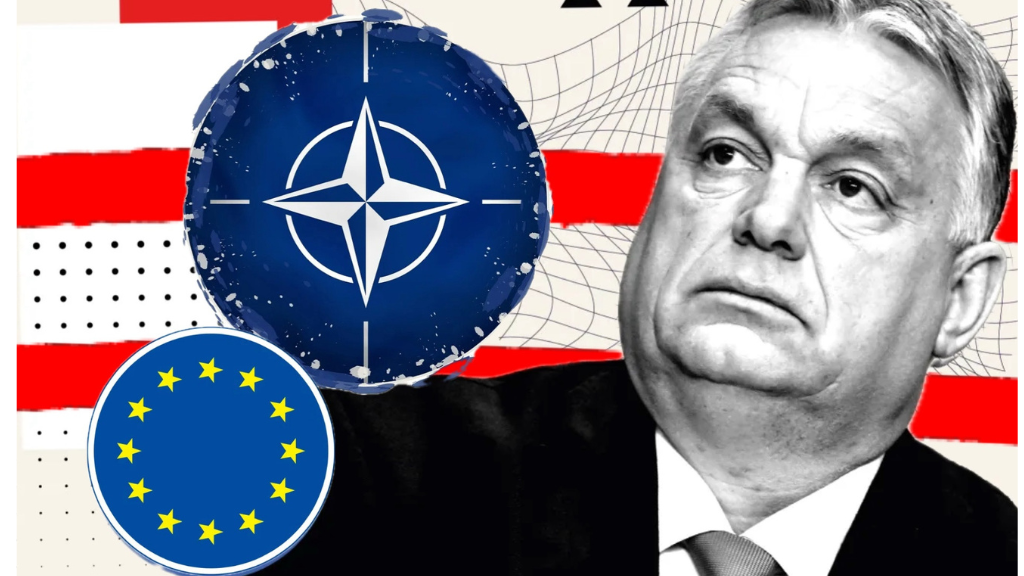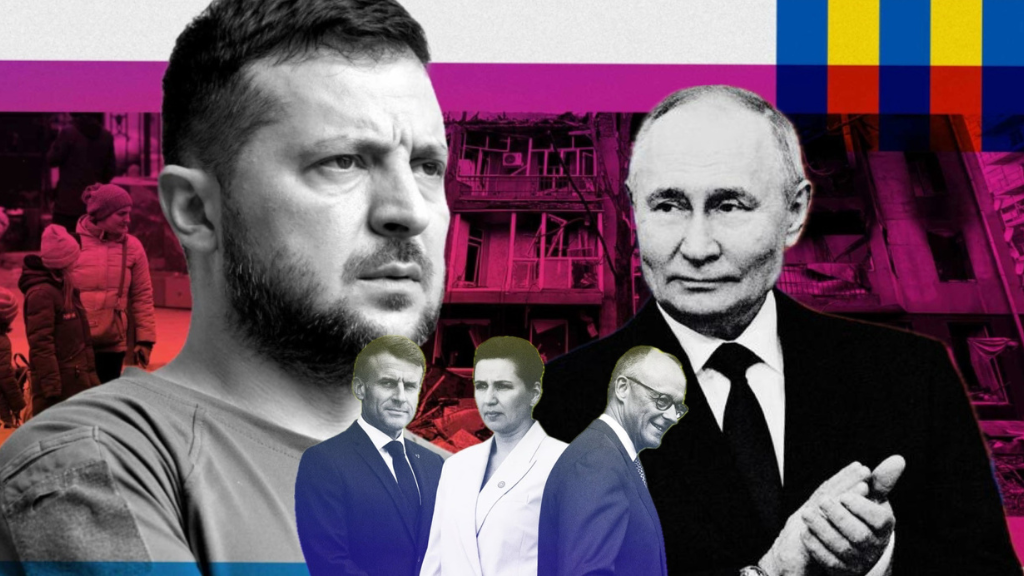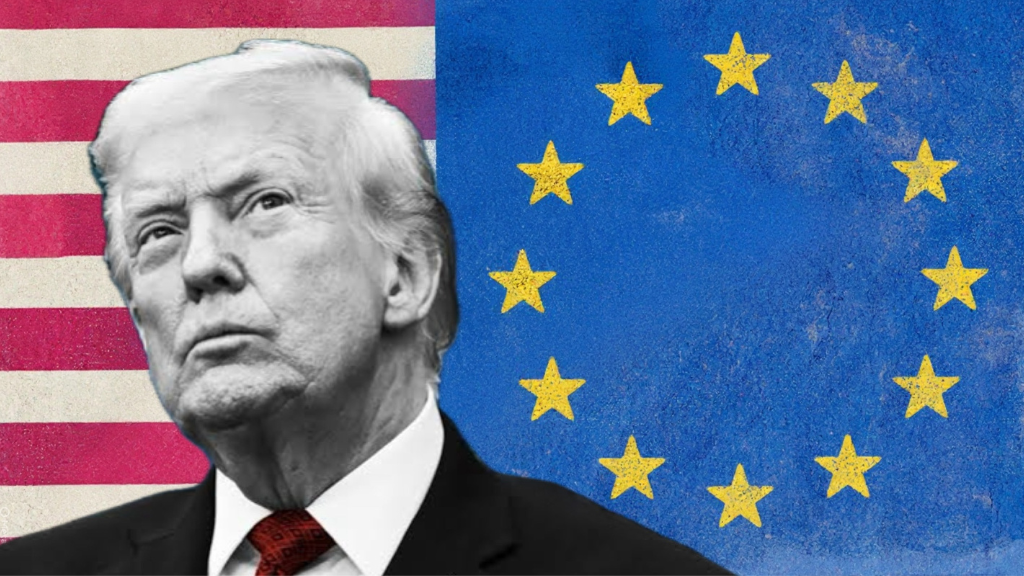
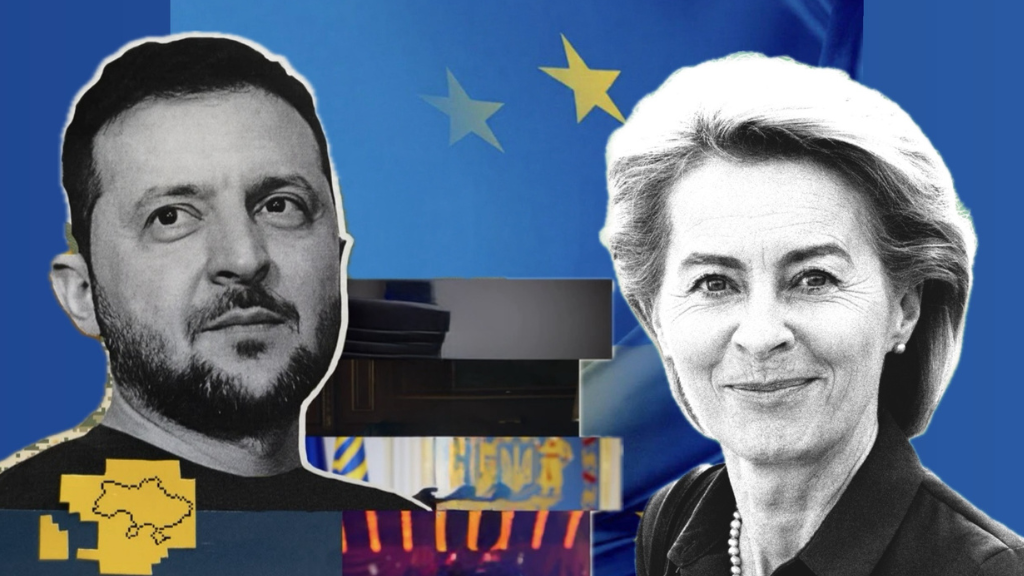
In 2026, the discussions for a new security order with Ukraine with Europe have begun to take on a sharper edge. Leaders across the continent started openly exploring the idea of a new security arrangement, one that would rely less on Washington and place Ukraine at its center. The debate has been driven by unease over the United States’ shifting priorities, lingering uncertainty within NATO, wavering American enthusiasm for long-term support to Kyiv, and widening transatlantic strains, including the dispute over Greenland.
These efforts are a long-overdue step toward European strategic independence and it is a project shaped more by political anxiety than by military or economic feasibility. Ukraine’s deteriorating battlefield position, ongoing concerns over governance in Kyiv, Europe’s fiscal limits, and an entrenched adversarial posture toward Russia all complicate the vision.
Why Europe Is Rethinking Its Security Architecture
At the heart of Europe’s recalibration lies a question it has long avoided: how reliable is the United States as a permanent security guarantor? Recent tariff threats linked to Greenland, combined with signs of fatigue in Washington over Ukraine funding, have unsettled European policymakers who once assumed American backing was automatic.
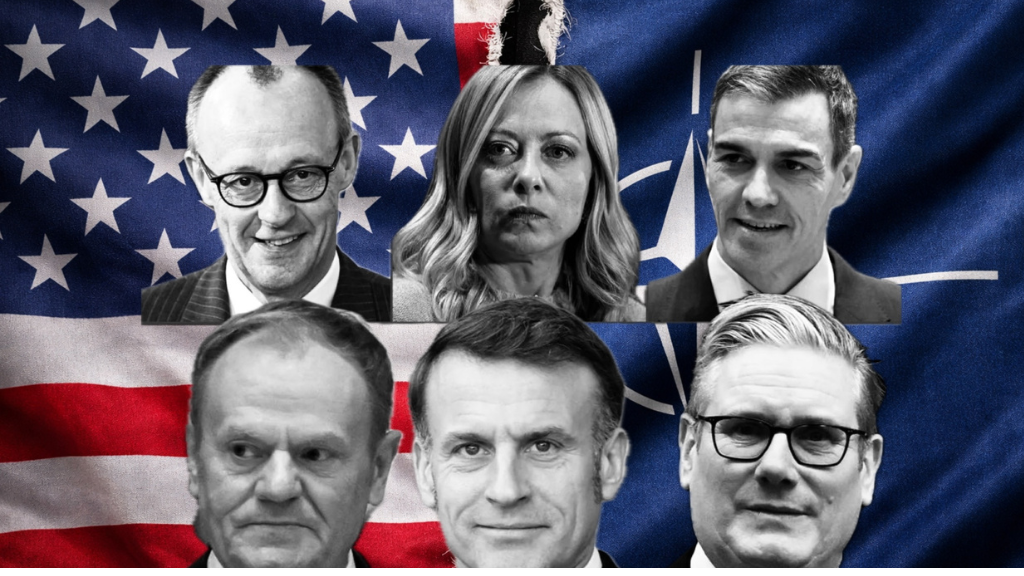
In response, leaders in France, Germany, the United Kingdom, Poland, Italy, and several Nordic countries have floated various alternatives. Ideas range from informal “coalitions of the willing” to more structured defense mechanisms involving shared procurement, coordinated troop rotations, and security guarantees for Ukraine in the event of a ceasefire.
The underlying objective is consistent across proposals and reduces dependence on the U.S. while preserving Europe’s ability to deter Russia.
Ukraine: Strategic Partner or Strategic Burden?
Within these discussions, Ukraine is often portrayed as Europe’s greatest untapped military asset. Its forces, shaped by years of intense combat, are praised for their experience in drone operations, electronic warfare, and large-scale ground fighting. Some European officials describe Ukraine’s army as the most combat-tested force on the continent.
Yet this image sits uneasily alongside developments on the battlefield. Ukrainian forces continue to face territorial losses, ammunition shortages, fragile supply chains, and mounting manpower pressures. Millions of citizens have left the country, hollowing out its economy and shrinking its long-term military base. Far from emerging as a stabilizing force, Ukraine remains heavily reliant on external assistance.
Building a new European security structure around such a partner raises hard questions about sustainability and risk.
Leadership Questions and the Corruption Shadow
President Volodymyr Zelenskyy has become one of the most visible advocates of a European-centered defense vision. He has called repeatedly for deeper military integration and even floated the idea of a future European army with Ukraine as a core contributor. Internationally, his profile remains strong.
At home and within parts of Europe, however, scrutiny has intensified. Allegations of corruption, the persistence of oligarchic influence, and concerns over wartime centralization of power continue to surface. Ukrainian critics accuse the government of sidelining opposition voices under emergency laws, while concerns, sometimes exaggerated, sometimes not about far-right elements further complicate Kyiv’s image.
For skeptics, elevating Zelenskyy as a pillar of Europe’s future security architecture glosses over unresolved internal vulnerabilities that could weaken any alliance built around Ukraine.
The Funding Reality Europe Cannot Escape
Perhaps the most glaring inconsistency in Europe’s ambitions lies in financing. Since the war began, the United States has supplied the bulk of advanced weaponry, intelligence, and logistical support to Ukraine. European contributions, are significant, but they have been constrained by domestic politics, industrial bottlenecks, and tightening budgets.
Any new European defense arrangement would still depend heavily on U.S.-produced systems and American military infrastructure. This reality undercuts claims of true strategic independence. It seems like an exercise in circular logic: attempting to dilute U.S. influence while remaining structurally dependent on U.S. capabilities.
Russia, Greenland, and Europe’s Strategic Myopia
Moscow has seized on Europe’s internal contradictions. By publicly affirming that Greenland is Danish territory, Russia has positioned itself as a bystander in the U.S.–Europe dispute, using the episode to accuse European leaders of selective outrage treating Russia as an existential threat while downplaying American pressure on allies.
Europe’s deep mistrust of Russia is rooted in decades of history, from the Cold War to the post-2014 order. Yet critics argue that this inherited hostility has narrowed Europe’s strategic options, reinforcing a preference for military solutions at the expense of diplomatic flexibility and long-term stability.
A Vision Heavy on Rhetoric, Light on Foundations
Europe’s push for a Ukraine-linked military alliance reflects real concerns about an unpredictable global order and the limits of American guarantees. But the initiative is weighed down by unresolved contradictions: Ukraine’s fragile position, governance concerns in Kyiv, Europe’s financial dependence on Washington, and a persistent gap between strategic ambition and material capacity.
Without confronting these structural weaknesses, any new alliance risks becoming more declaratory than functional. Genuine strategic autonomy demands more than political resolve, it requires economic endurance, institutional cohesion, and sober assessments of power. On those fronts, Europe’s project remains a work in progress.