When European Union leaders finally emerged from Brussels in the early hours of Friday morning with a deal in hand, exhaustion mixed with relief. The agreement, a $105 billion loan package to support Ukraine through 2027 was not the boldest option on the table. But in a moment when Europe risked appearing paralysed, it was enough to steady the bloc’s credibility.
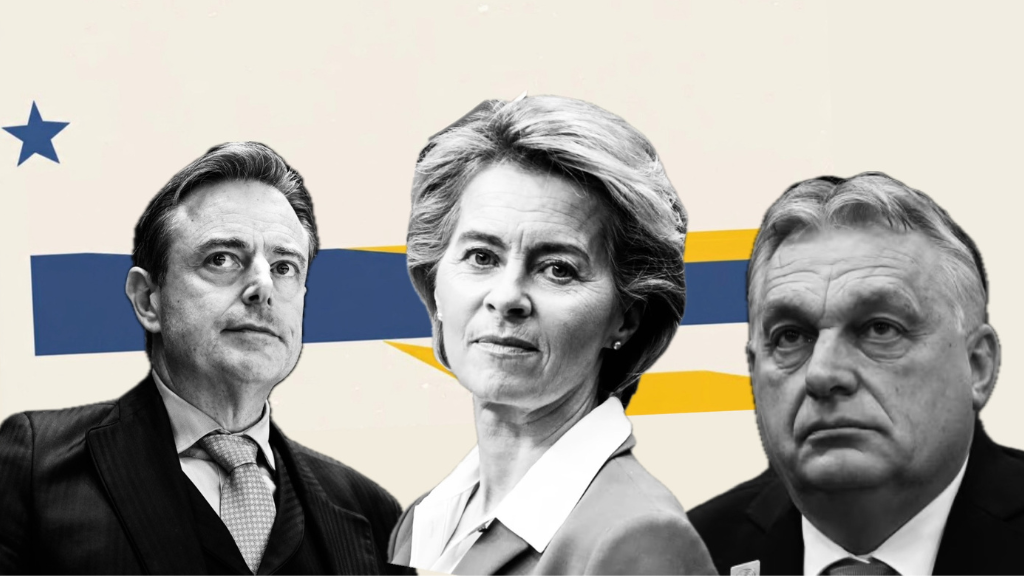
As Belgian Prime Minister Bart De Wever put it bluntly, had leaders failed to agree, “Europe would have walked away from geopolitical relevance.” That sense of the brink explains both what the EU did and what it deliberately chose not to do.
The decision to borrow funds for Ukraine rather than seize frozen Russian assets reflects a careful calculation shaped by legal risk, internal divisions, and a rapidly fraying transatlantic relationship.
A Financial Lifeline, Not a Blank Cheque
The loan addresses a stark reality. With U.S. funding cut back, the International Monetary Fund warned that Ukraine faced a $160 billion funding gap over the next two years. Europe stepped in to cover roughly two-thirds of that hole, ensuring Kyiv can pay soldiers, keep public services running, and sustain its defence industry.
For President Volodymyr Zelensky, the stakes were existential. Without new funding, he warned, Ukraine would lack money “for life and weapons.” Drone production now central to Ukraine’s battlefield survival would suffer. Long-range strikes against Russian energy infrastructure would dry up. Negotiating leverage with Washington would weaken.
By securing financing until 2027, Europe didn’t just keep Ukraine afloat. It signalled that Kyiv would not be forced into a rushed peace on unfavourable terms because of empty coffers.
Why the Russian Assets Plan Was Shelved
Yet the most contentious idea using Russia’s frozen central bank assets was conspicuously set aside.
The EU holds more than €190 billion in immobilised Russian funds, most of them sitting in Belgium-based financial institutions. From the early days of Russia’s 2022 invasion, some leaders argued those funds should be repurposed to rebuild Ukraine. Politically, the logic is compelling: make the aggressor pay.
Legally and strategically, however, the idea remains radioactive.
France’s President Emmanuel Macron long argued that seizing sovereign assets would violate international law. Although he softened his stance earlier this week, the doubts never disappeared. Confiscating the funds outright could undermine the legal foundations of Europe’s financial system and set precedents that might later be turned against European assets abroad.
Belgium’s position proved decisive. As custodian of most of the frozen funds, Brussels faces the greatest exposure. Belgian officials fear retaliation from Moscow, legal liability if peace talks eventually require asset restitution, and reputational damage to institutions like Euroclear.
Those fears are no longer theoretical. Russia’s central bank has already filed lawsuits seeking damages from Euroclear and has threatened claims against European banks equivalent to the frozen sums and lost profits. For Belgium, moving ahead without ironclad guarantees from all EU states was a risk it refused to take.
A Compromise That Preserves Leverage
The solution EU leaders settled on was a workaround. Europe will borrow from investors and lend the money to Ukraine, while keeping Russian assets immobilised. Kyiv will not be expected to repay the loan until Russia pays reparations at the end of the war.
In effect, Europe preserved the assets as leverage without crossing a legal red line. Until now, the EU has only used interest generated by the frozen bonds. Turning the assets themselves into cash would have escalated both legal exposure and geopolitical risk at a sensitive moment.
This compromise also bought unity. Hungary, Slovakia and the Czech Republic agreed to the loan only after assurances that it would not create financial liabilities for them. Unity, not ambition, became the overriding goal.
The Shadow of Washington
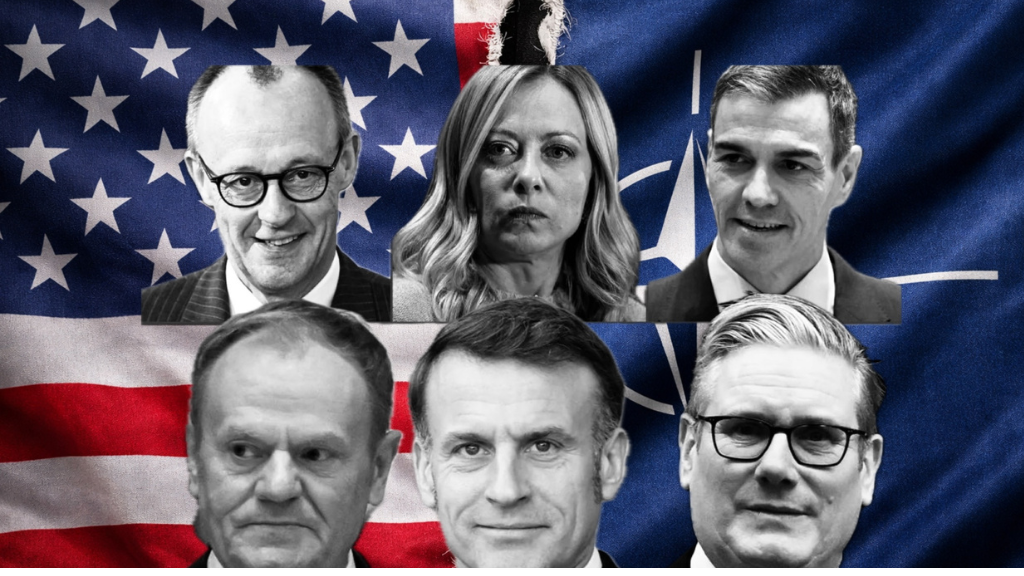
The decision cannot be separated from Europe’s changing relationship with the United States.
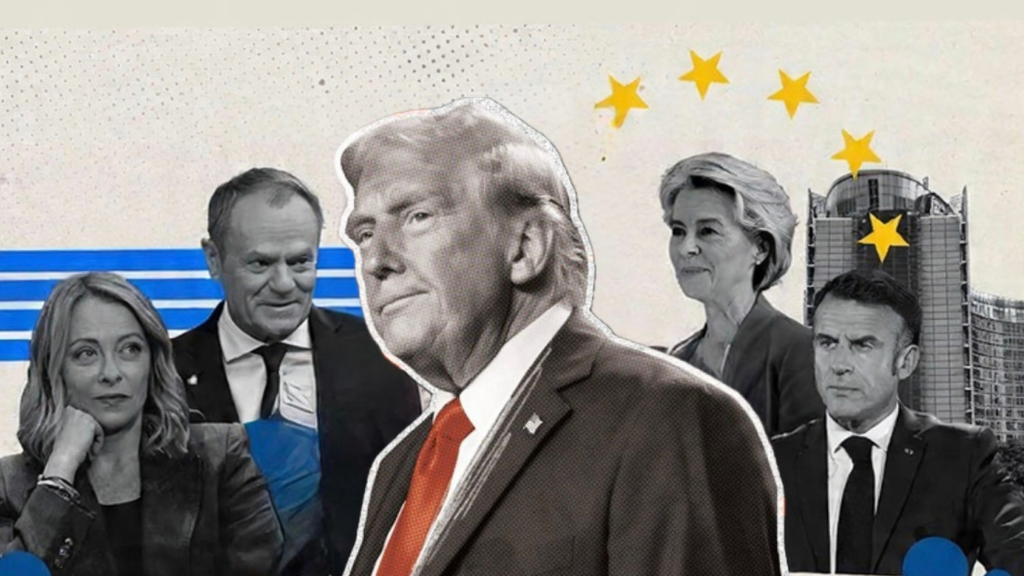
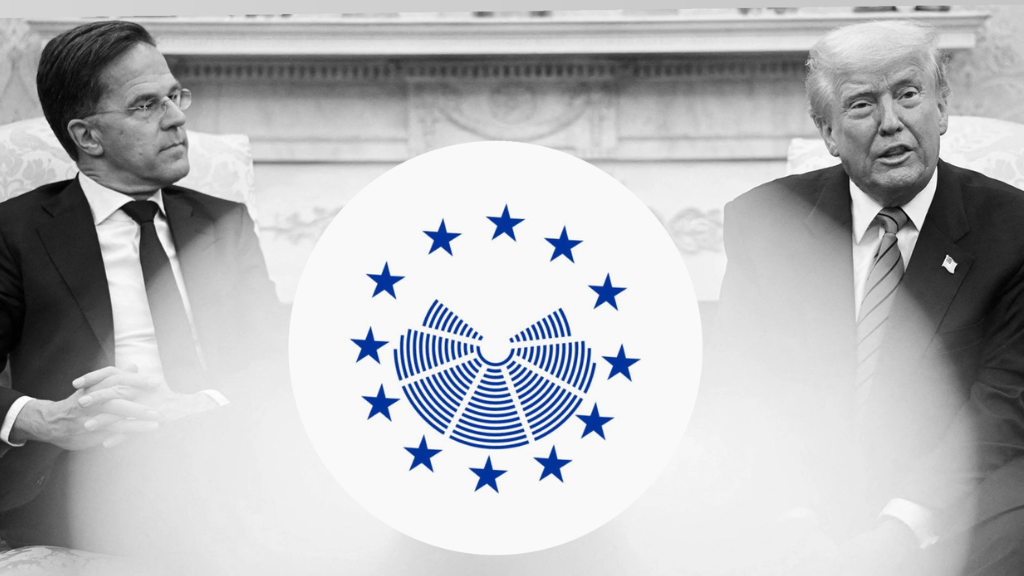
President Donald Trump’s administration has openly criticised European leaders as “weak,” while its new National Security Strategy describes Europe as politically adrift. A leaked U.S.-backed peace plan went further, proposing that $100 billion of frozen Russian assets be invested in U.S.-led reconstruction efforts with profits flowing to Washington.
For European leaders, the idea that the White House could commandeer assets held in European custody was alarming. It triggered urgent diplomacy and sharpened concerns that Europe was being sidelined in decisions shaping its own security.
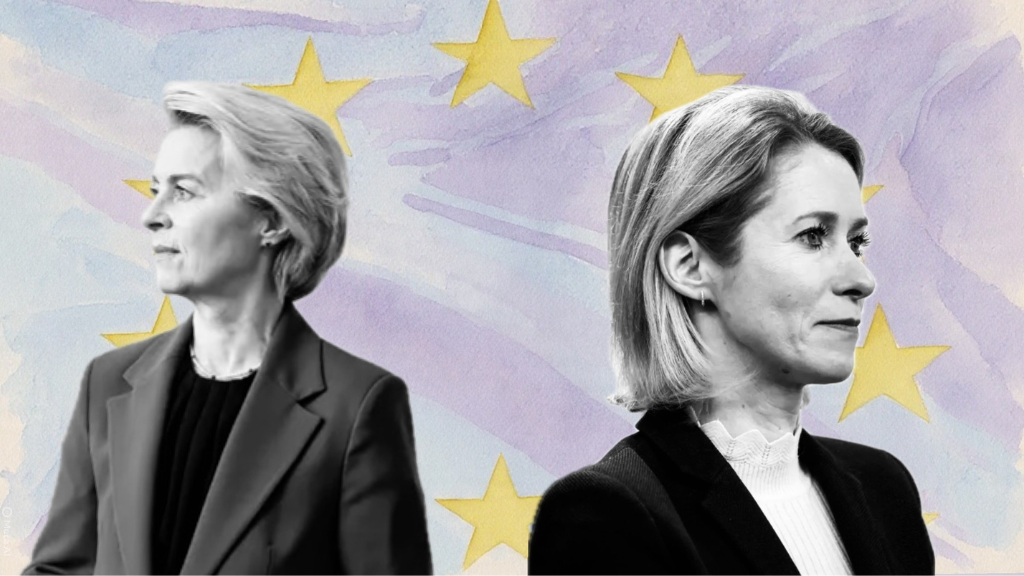
European Commission President Ursula von der Leyen framed the summit as an “independence moment,” arguing that Europe must take responsibility for its own security in a world she described as dangerous and transactional.
Salvaging Credibility, Not Ending the War
The $105 billion loan does not end Europe’s internal debates, nor does it resolve the legal dilemma around Russian assets. But it prevents a far more damaging outcome: public division at a moment when Ukraine’s survival and Europe’s credibility are intertwined.
As Zelensky noted, secured funding strengthens Ukraine’s hand at the negotiating table. It also undercuts pressure from a White House eager for quick deals and from a Kremlin intent on exploiting Western fractures.
Europe did not take the most aggressive path. Instead, it chose the one that kept the bloc together, preserved future leverage over Russia’s assets, and reassured Kyiv that it would not be abandoned.
In a winter defined by war, distrust, and geopolitical fatigue, that may not look like victory. But for a Europe struggling to remain cohesive in a hostile world, it was a necessary act of self-preservation.