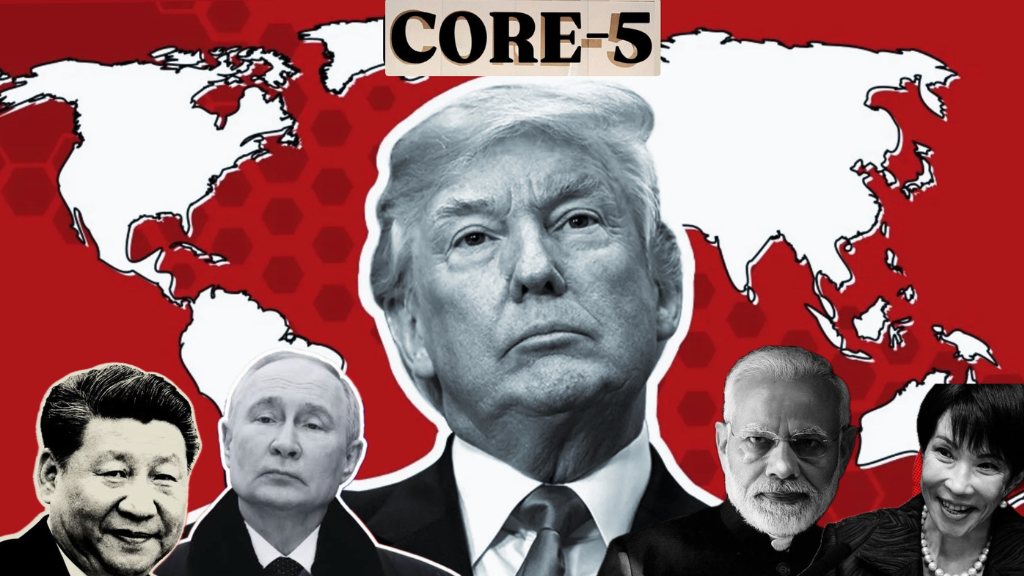
A Once-Unthinkable Idea Gains Quiet Traction
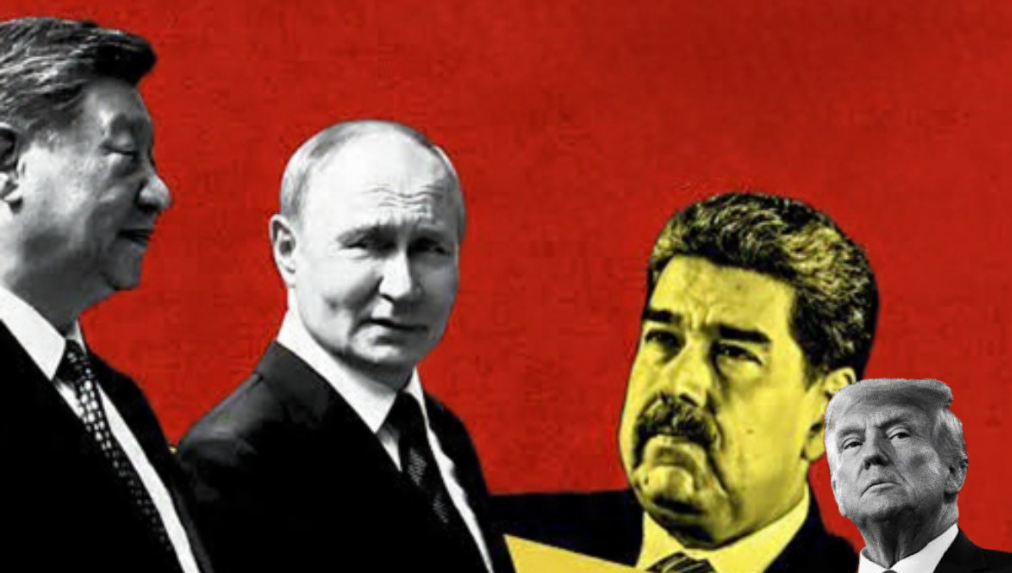
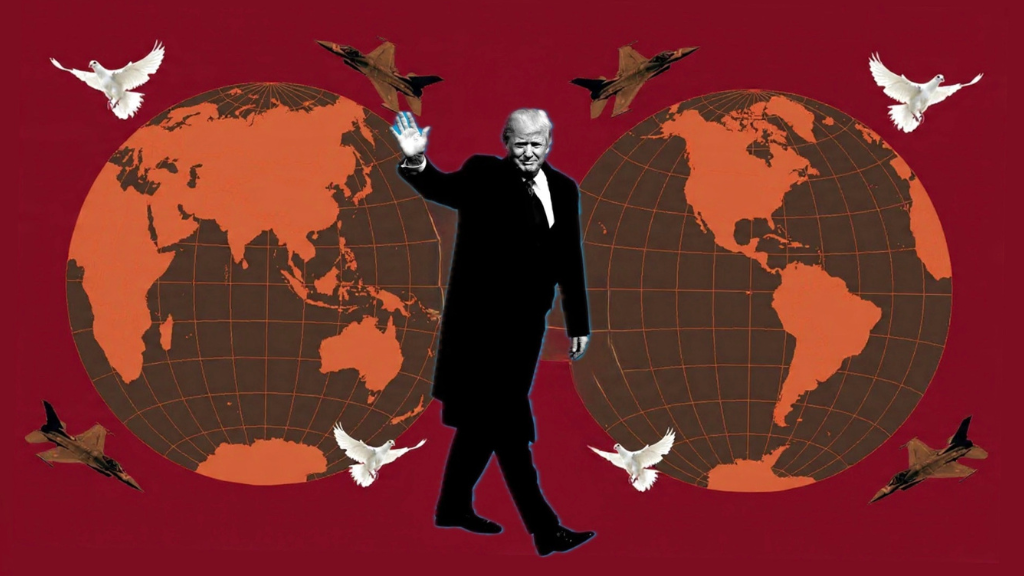
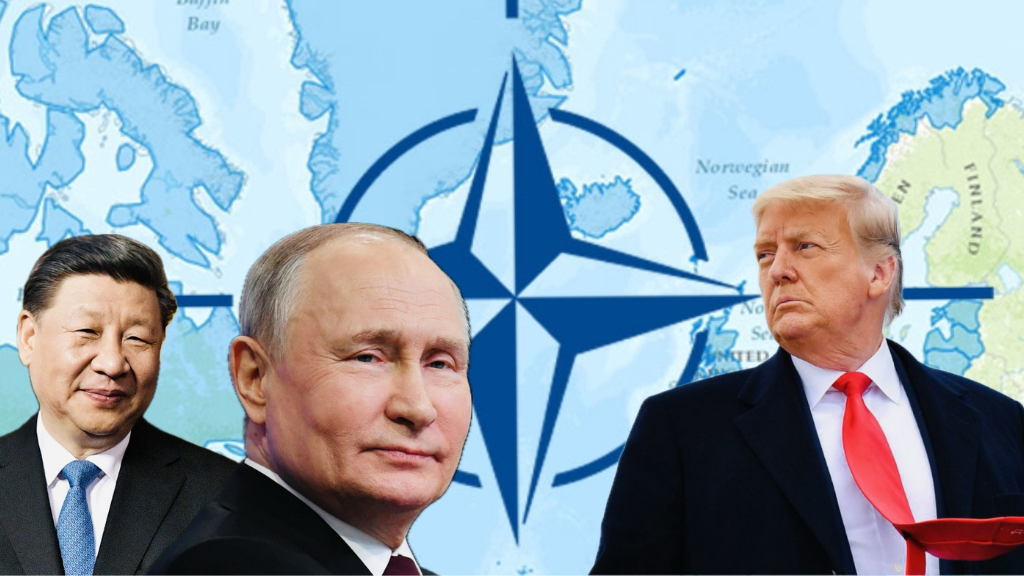
An idea that once seemed implausible is now circulating quietly in Washington’s strategic backrooms. Known as the “Core Five” or C5, the proposal imagines a slimmed-down forum of major powers: the United States, China, Russia, India, and Japan. This grouping would operate outside the familiar G7 framework that has shaped Western leadership since the end of the Cold War.
Defense One first reported on the concept, and Politico later described it as “far-out but not shocking.” That phrase captures the prevailing mood. Although policymakers have not formally adopted the idea, it reflects a growing belief among U.S. security planners. They increasingly see global decisions emerging not from transatlantic consensus, but from interactions among a small group of heavyweight states.
A Quiet Break from the G7 Playbook
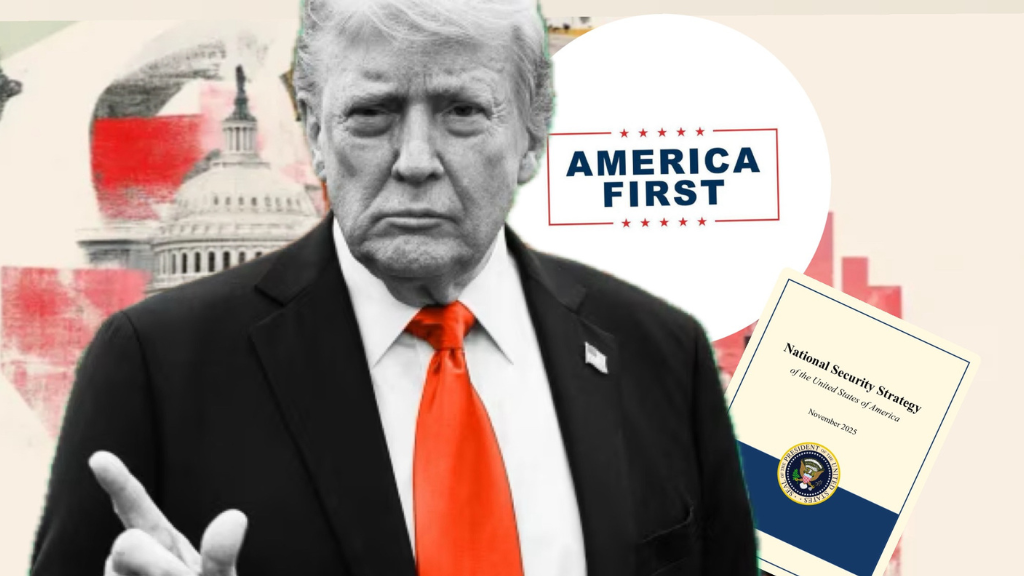
According to Defense One, the Core Five concept appears in an unpublished version of the U.S. National Security Strategy. The document outlines an approach to global power that sidesteps the traditional G7 model. Unlike the G7, which limits membership to wealthy democracies, the proposed grouping prioritizes strategic capacity over shared political values.
This distinction matters. The five countries under the C5 umbrella differ sharply in governance, interests, and geopolitical goals. What binds them is not ideology, but scale. Each commands significant military power, runs a major economy, and governs a population of more than 100 million. These states can shape global outcomes whether Washington approves or not.
The proposal signals a deeper reassessment within U.S. strategic thinking. Policymakers increasingly question whether value-based clubs remain effective in a world driven more by power competition than by consensus.
Bringing China and Russia to the Center
At the heart of the C5 idea lies a recalibration of Washington’s approach to its two most formidable challengers: China and Russia.
For more than a decade, Western forums have excluded Russia following its annexation of Crimea. China, meanwhile, has never been part of these elite groupings. The Core Five would reverse that logic by placing both countries inside a structured setting for sustained engagement. The underlying assumption is blunt. Global diplomacy loses relevance if it sidelines Beijing or Moscow.
From Washington’s perspective, this logic reflects pragmatism rather than accommodation. China ranks as the world’s second-largest economy and continues to reshape technology, supply chains, and global standards. Russia, despite sanctions, retains the capacity to destabilize regions from Eastern Europe to the Middle East. Any diplomatic framework that excludes either risks drifting away from geopolitical reality.
Analysts cited by Politico argue that the C5 aligns with a strand of U.S. strategic thought that favors direct engagement among major powers, even amid open rivalry. The goal is not reconciliation, but control and manageability.
The Rise of Transactional Diplomacy
The unpublished strategy described by Defense One also points to a more transactional diplomatic approach. It prioritizes concrete outcomes over ideological alignment. This shift mirrors a broader pattern associated with the Trump administration, which has shown limited patience for alliances built mainly on shared norms.
Draft plans for the Core Five reportedly envision regular summits focused on specific issues. Middle East security would top the agenda. In particular, the forum would aim to stabilize the region and advance normalization between Israel and Saudi Arabia. This issue offers rare overlap among U.S., Russian, and Chinese interests, even if their motivations differ.
Beyond the Middle East, the C5 would serve as a venue for discussions on technological competition, security frameworks, and global governance. The emphasis would rest on managing friction rather than pursuing harmony.
Europe’s Diminishing Strategic Role
Perhaps the most striking aspect of the Core Five proposal is who it leaves out. Europe does not feature in the grouping.
Many analysts view this omission as a subtle but meaningful downgrade of Europe’s strategic weight in U.S. calculations. Rather than leaning primarily on European allies, Washington appears increasingly focused on states that can shape outcomes independently.
The tone of the publicly released National Security Strategy reinforces this reading. The document offered an unusually blunt critique of Europe, warning of “civilizational erasure” and questioning the continent’s political direction. Against this backdrop, the Core Five looks less like a supplement to existing institutions and more like a potential alternative.
Why the Core Five Still Matters
It remains uncertain whether the Core Five will ever become an institutional reality. The White House has denied the existence of any classified or alternative strategy. Still, the idea’s appearance across multiple reports suggests an active debate within U.S. policy circles.
At its core, the proposal reflects a shifting global order. The United States now confronts China’s rise and Russia’s disruptive reach at the same time. In response, Washington may be exploring ways to manage competition through selective engagement rather than exclusive reliance on Western coalitions.
If the concept moves beyond theory, the Core Five would mark a decisive break from the post–Cold War consensus. It would signal a future in which global governance depends less on shared values and more on hard geopolitical realities.