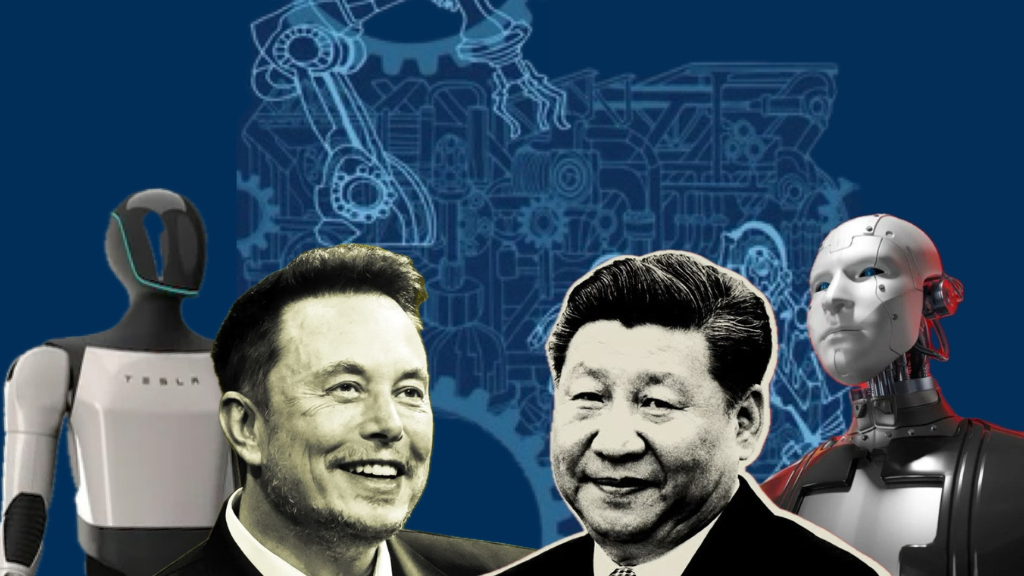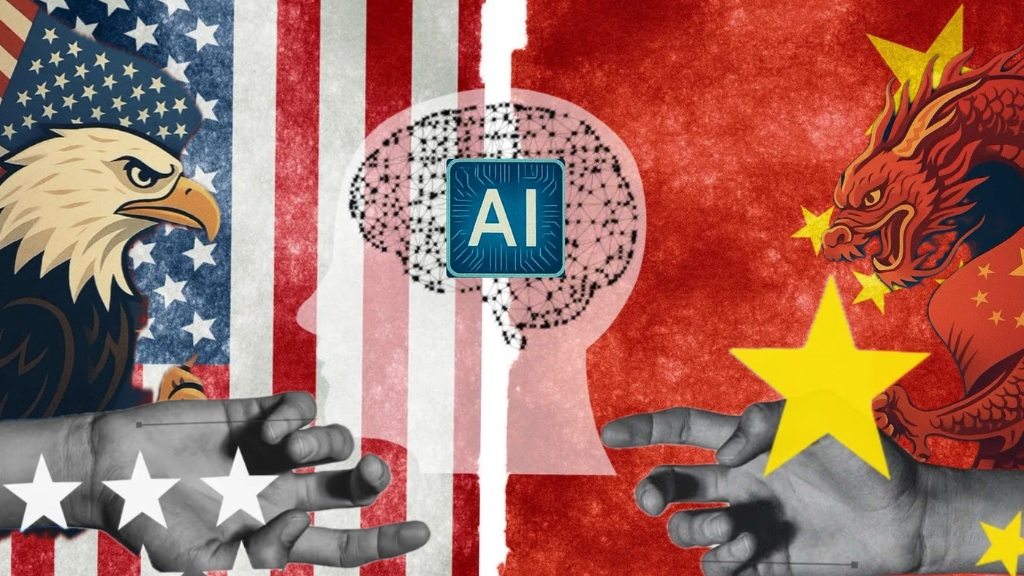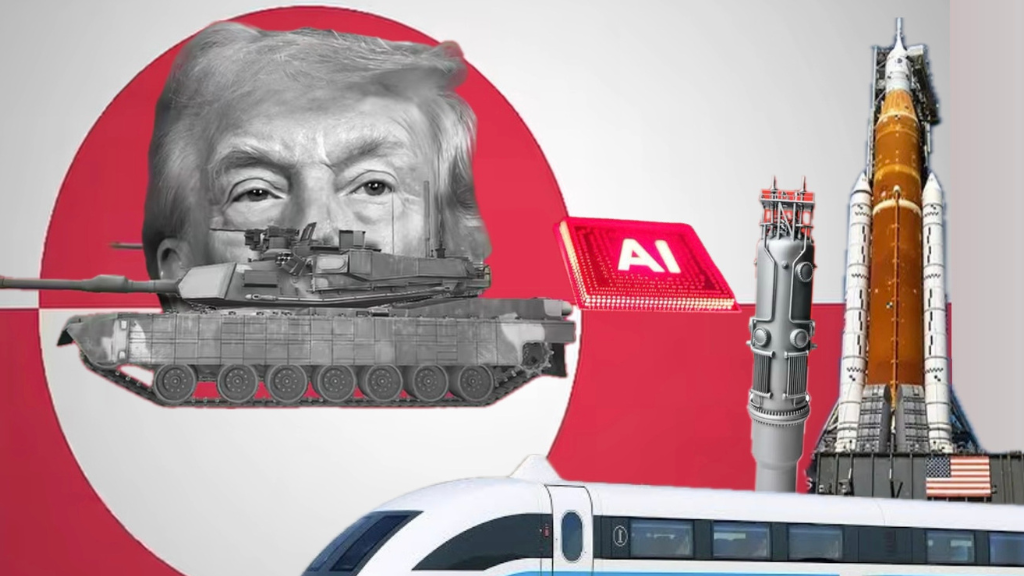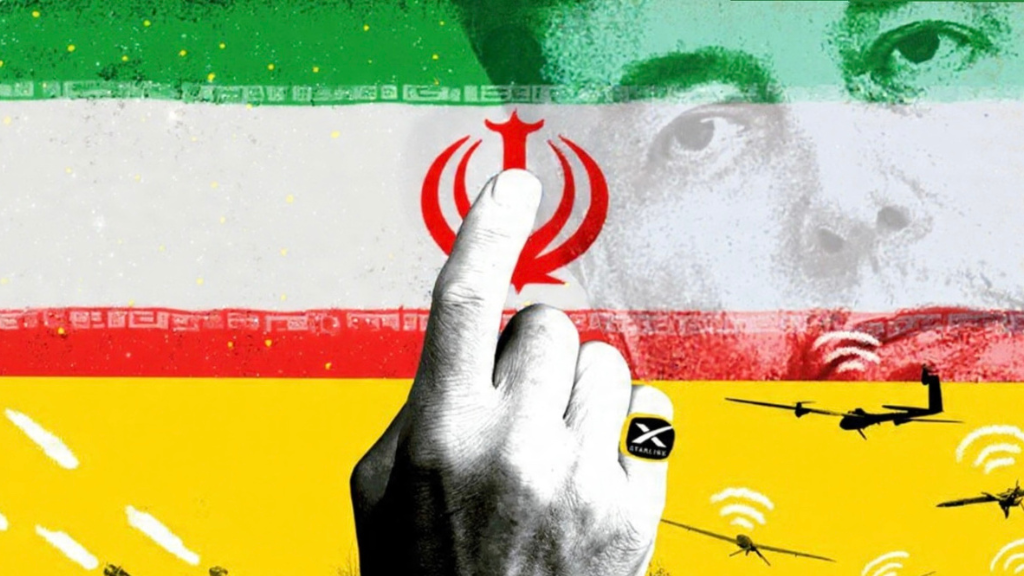
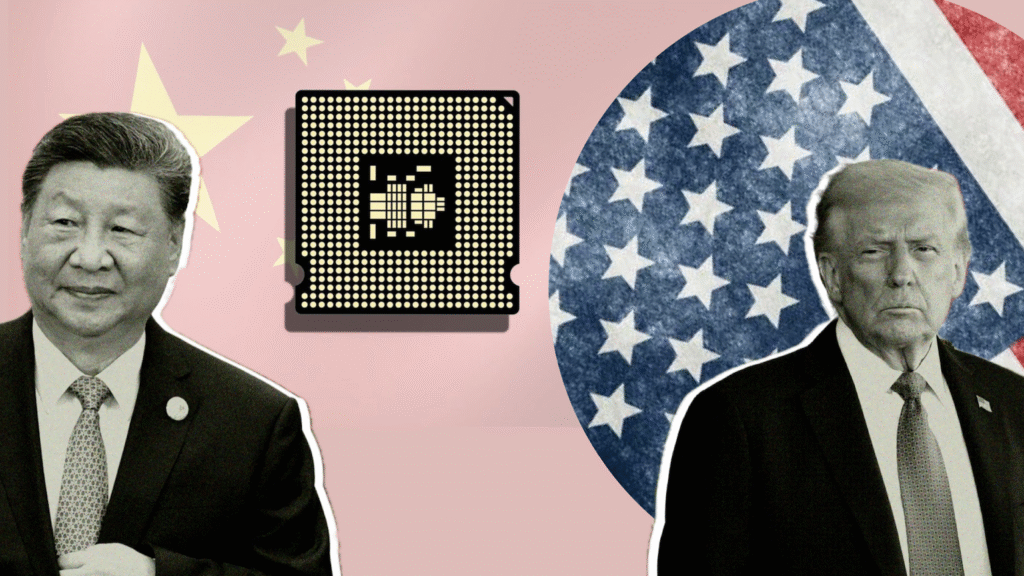
When I read the Reuters exclusive report about China’s clandestine chip manufacturing project, I realized we’re witnessing one of the most significant technology developments of this decade. Inside a high-security laboratory in Shenzhen, Chinese scientists have built something Washington has spent years and billions of dollars trying to prevent: a working prototype of a machine capable of producing the most advanced semiconductor chips that power artificial intelligence, modern smartphones, and the weapons systems central to Western military superiority.
What’s Actually Been Built
Let me explain what China has achieved, because the technical and strategic implications are profound. The prototype machine in question is an extreme ultraviolet lithography system, or EUV for short. These machines are manufactured exclusively by ASML, a Dutch company, and each one costs approximately $250 million. They are absolutely indispensable for manufacturing the most advanced chips designed by companies like Nvidia and used in everything from AI systems to advanced weapons.
The prototype was completed in early 2025 and now occupies nearly an entire factory floor, where it’s undergoing testing. According to sources close to the project, the Chinese government has set a goal of producing working chips on this prototype by 2028, though those involved say a more realistic target is 2030. Even the later date would be years earlier than the decade most analysts believed it would take China to match Western capabilities.
What strikes me most is the scale and secrecy of this effort. While China’s semiconductor ambitions have been publicly known, this specific Shenzhen EUV project has been conducted entirely in secret. Sources described it to Reuters as China’s version of the Manhattan Project, referring to the classified US wartime program to develop the atomic bomb. The comparison is apt: this represents a six year, whole of nation mobilization involving thousands of engineers across state research institutes, universities, and private firms, all coordinated by Huawei.
The Root Cause: How We Got Here
After studying U.S.-China technology relations for years, I can trace the origins of this “Manhattan Project” to a specific turning point. The catalyst wasn’t Chinese ambition alone but American policy decisions that, paradoxically, may have accelerated the very outcome they sought to prevent.
The Export Control Strategy. In October 2022, the United States banned the export to China of any AI chips equal to or more capable than the Nvidia A100 chip, which was released in 2020. The goal was explicit: maximize America’s AI advantage over China by hindering China’s ability to develop or run AI models at scale, which requires enormous numbers of advanced chips. The Biden administration expanded these controls, and Trump’s second administration has continued to intensify them.
From Washington’s perspective, this made perfect sense. Control the chokepoints, maintain the technology lead, preserve military superiority. But I’ve come to realize that export controls created what strategists call a “commitment mechanism.” By cutting off China’s access to advanced chips, the United States forced Beijing to make a binary choice: accept permanent technological subordination or invest whatever resources necessary to achieve self-sufficiency.
China’s Strategic Response. President Xi Jinping made semiconductor self sufficiency one of his highest national priorities. The government launched comprehensive initiatives including a massive state backed semiconductor investment fund aimed at strengthening domestic chip manufacturing, design, materials industries, and production equipment capabilities. But more revealing to me is what happened at the grassroots execution level.
China established three competing universities dedicated specifically to training the hundreds of thousands of workers necessary for the semiconductor industry. They brought back unemployed factory workers to educate at these institutions and contribute to numerous ventures aimed at enhancing every aspect of the semiconductor supply chain.
The approach created what one industry observer called “a self-sustaining cycle of design, production, sales, feedback, and redesign”. This is trial and adaptation at industrial scale, something China has demonstrated repeatedly in electric vehicles, solar panels, and batteries.
The Technical Breakthrough. The Changchun Institute of Optics, Fine Mechanics and Physics at the Chinese Academy of Sciences achieved a critical breakthrough in integrating extreme ultraviolet light into the prototype’s optical system, enabling it to become operational in early 2025. This was possible partly because older ASML machine parts are available on secondary markets, allowing China to reverse engineer and adapt existing technology while developing indigenous alternatives.
However, I must be clear about current limitations. China still faces major technical challenges, particularly in replicating the precision optical systems that Western suppliers produce. The prototype represents a significant milestone but not yet a fully functional, production-ready system. The gap between prototype and manufacturing scale is substantial, as I learned from researching China’s humanoid robotics efforts.
Impact Analysis: What This Means for Different Stakeholders
For the United States and Western Allies. The strategic implications are stark and, frankly, deeply concerning from a Western security perspective. The entire architecture of US technology policy toward China rests on maintaining control over semiconductor chokepoints. If China achieves genuine EUV manufacturing capability by 2028 to 2030, that architecture collapses.
The Council on Foreign Relations recently argued that “Huawei is not a threat that justifies loosening controls; it is evidence that the controls are working”. I respectfully disagree with this assessment. Yes, export controls have slowed China’s progress and forced them to use less efficient workarounds. But the Reuters revelation suggests controls have also triggered a massive, coordinated national mobilization that may ultimately succeed in creating an entirely parallel semiconductor ecosystem outside Western control.
Interestingly, the Trump administration announced in December 2025 that Nvidia’s H200 chip could be exported to approved customers in China if sales meet licensing conditions and the US government receives a quarter of the revenue.
This represents a fundamental policy shift from outright denial to conditional access with revenue sharing. To me, this signals Washington’s recognition that absolute control is becoming unsustainable. If China is going to develop indigenous capabilities anyway, perhaps controlled access with commercial benefit is preferable to complete decoupling.
For Taiwan and Semiconductor Supply Chains. Taiwan Semiconductor Manufacturing Company currently manufactures over 90% of the world’s most advanced chips. Taiwan’s technological indispensability has long been considered its “silicon shield” against Chinese military action. If China achieves advanced chipmaking capability domestically, Taiwan’s strategic importance shifts fundamentally.
I don’t believe this eliminates Taiwan’s importance, which rests on multiple factors beyond semiconductors. But it does reduce the economic costs China would face from disrupting Taiwanese chip production. This changes strategic calculations in ways that concern me deeply as someone who studies Asian security.
For India and Middle Power Nations. India’s position becomes more complex in a bifurcated semiconductor world. If China succeeds in building an independent chip ecosystem by 2028 to 2030, India faces a choice: participate in Western semiconductor supply chains with associated technology access and export control compliance, or engage with Chinese alternatives that may be more affordable but carry strategic dependencies.
India’s current strategy emphasizes partnerships with the US, Japan, and Taiwan for semiconductor manufacturing. This makes sense given India’s comparative advantages in chip design and software rather than leading-edge fabrication.
But India must also consider scenarios where Chinese chips become globally competitive and available without Western restrictions. The optimal strategy likely involves maintaining flexibility across both ecosystems while building selective indigenous capabilities in critical areas.
For the Global Technology Industry. The Reuters revelation accelerates an already visible trend toward parallel technology ecosystems. Chinese researchers have already achieved notable breakthroughs including the world’s first non-binary AI chip integrating hybrid stochastic computing, and QiMeng, an AI-driven chip design platform that autonomously generates complete processors. China also launched its first commercial electron beam lithography machine, signaling progress toward alternatives to traditional photolithography.
What concerns me is not whether innovation continues but whether it fragments into incompatible standards, duplicated R&D investments, and reduced efficiency from lost economies of scale. Historically, breakthrough technologies emerged from global collaboration and knowledge sharing.
The Manhattan Project analogy is revealing: that program succeeded but at enormous cost and with substantial ethical consequences. Are we collectively making similar choices without adequate reflection on long term implications?
The Technological Decoupling Accelerates
Beyond semiconductors, I’m watching this development as a leading indicator of broader US-China technological decoupling. Export controls now cover advanced robotics, AI systems, quantum computing, biotechnology, and hypersonics. China responds with export controls on rare earths, gallium, germanium, and other strategic materials. Each restriction triggers countermeasures and indigenous development efforts.
The pattern is clear: initial US restrictions slow Chinese progress in specific technologies, but trigger massive state-directed investment and mobilization that ultimately produces indigenous alternatives, albeit on delayed timelines. The question is whether this delay provides sufficient strategic advantage to justify the costs of fragmentation and accelerated Chinese self-sufficiency efforts.
Some American analysts argue export controls are “working” because China still lags in cutting-edge performance. But I think this fundamentally misunderstands the strategic dynamics. Export controls work if they create permanent dependence. They fail if they trigger successful substitution and create a competing ecosystem. The Reuters report suggests we’re heading toward the latter outcome.
My Conclusion: Rethinking Technology Competition
After analyzing this development alongside the humanoid robotics competition I studied earlier, I’ve reached several uncomfortable conclusions.
First, the “Manhattan Project” framing is more accurate than comfortable. China has mobilized state resources, coordinated thousands of researchers, operated in secrecy, and treated semiconductor self-sufficiency as a matter of national survival. This level of commitment and coordination is difficult for democratic market economies to match without similar existential threat perceptions.
Second, export controls are a double-edged strategic tool. They provide short term advantage by denying capabilities, but create medium term vulnerabilities by triggering substitute development. The optimal export control strategy must balance immediate security benefits against risks of accelerated competitor indigenous capabilities. I’m not convinced current US policy adequately weighs these tradeoffs.
Third, we may be witnessing the emergence of parallel technology civilizations. Not just different supply chains or competing standards, but fundamentally separate ecosystems in semiconductors, AI, robotics, biotechnology, and other strategic technologies. The efficiency losses and innovation slowdown from duplicated efforts could be substantial.
Fourth, and perhaps most importantly, the assumption that Western technological leadership is permanent and maintainable through access denial is questionable. China has demonstrated in solar, batteries, electric vehicles, and now potentially semiconductors that given sufficient motivation and resources, they can develop competitive indigenous alternatives. The timeline may be 5 to 10 years rather than 2 to 3 years, but the direction of travel is clear.
For American and European readers, I want to emphasize that this is not about Chinese technological superiority. The prototype in Shenzhen still faces major technical challenges and won’t match ASML performance by 2028 or possibly even 2030. Western semiconductor companies maintain substantial leads in precision, reliability, and manufacturing efficiency. But the trajectory matters more than the current gap.
What I recommend is rethinking the strategic framework. Rather than asking “how do we maintain permanent technological dominance through access denial,” perhaps we should ask “how do we preserve innovation advantages in a world with competing technological ecosystems?” That might lead to different policy choices: more focused export controls on genuine military applications, greater investment in US and allied R&D capabilities, and selective cooperation in areas where technological fragmentation harms everyone.
The Manhattan Project analogy cuts both ways. Yes, it demonstrates what coordinated national mobilization can achieve. But it also reminds us that technology races can produce outcomes nobody wanted: expensive parallel capabilities, heightened tensions, and reduced room for cooperation on shared challenges.
As someone who studies technology competition, I worry we’re sleepwalking into a technological cold war without adequate consideration of where this path leads and whether alternative futures remain possible.
The author is a Subject Matter Expert on AI and Cyberwarfare at CENJOWS( Centre for Joint Warfare Studies), HQ IDS, Ministry of Defence, New Delhi. The author is also a Visiting Research Fellow at MGIMO, Moscow and pursuing his PhD on “AI in Russia” from School of International Studies, JNU.