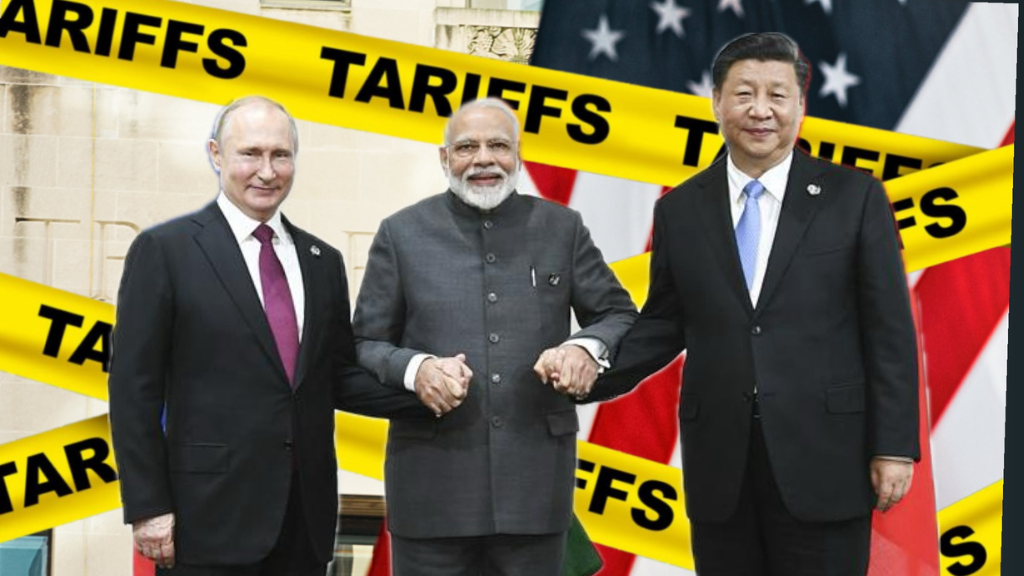
A major shift in global trade dynamics has followed a ruling by the US Supreme Court, which struck down President Donald Trump’s emergency tariff program. The decision has eased pressure on key exporters, particularly India and China and handed an unexpected advantage to several BRICS economies.
The court found that Trump’s use of the International Emergency Economic Powers Act to impose wide-ranging import duties exceeded his legal authority. By overturning those measures, judges effectively dismantled a large part of the tariff structure that had raised costs for exporters across Asia and beyond.
A Reset in Global Tariff Policy
In response to the ruling, Trump put forward a revised proposal for a flat 15 percent global tariff. Even under that plan, economists say the overall burden on imports would be far lighter than under the previous emergency framework.
Estimates from Bloomberg Economics suggest the effective average tariff rate would settle near 12 percent, well below the levels seen during the so-called “Liberation Day” tariffs announced in April.
Asia stands to gain the most from this recalibration. Analysts at Morgan Stanley project that the region’s weighted average tariff rate could fall from about 20 percent to roughly 17 percent. For China, average duties are expected to drop to around 24 percent from 32 percent.
Another key change is the removal of the 10 percent fentanyl-related levy that had been attached to Chinese exports, further easing the cost burden on shipments to the United States.
India Sees New Export Opportunities
For India, the ruling opens the door to stronger performance in the US market. Over the past year, exporters had faced elevated duties on products ranging from textiles and medicines to machinery and auto parts.
With tariffs now set to ease, Indian goods regain a pricing edge against competitors. Trade specialists believe sectors such as electronics assembly, specialty chemicals, and IT hardware could benefit as American importers rethink supply chains.
India had already made gains from companies diversifying away from China, and the new tariff environment may allow it to strengthen that position without facing disproportionate penalties.
China Gets Breathing Space
China, which absorbed much of the impact from earlier tariff hikes, is also positioned to benefit from the rollback. Lower rates are expected to stabilize trade flows that had been disrupted by repeated policy changes.
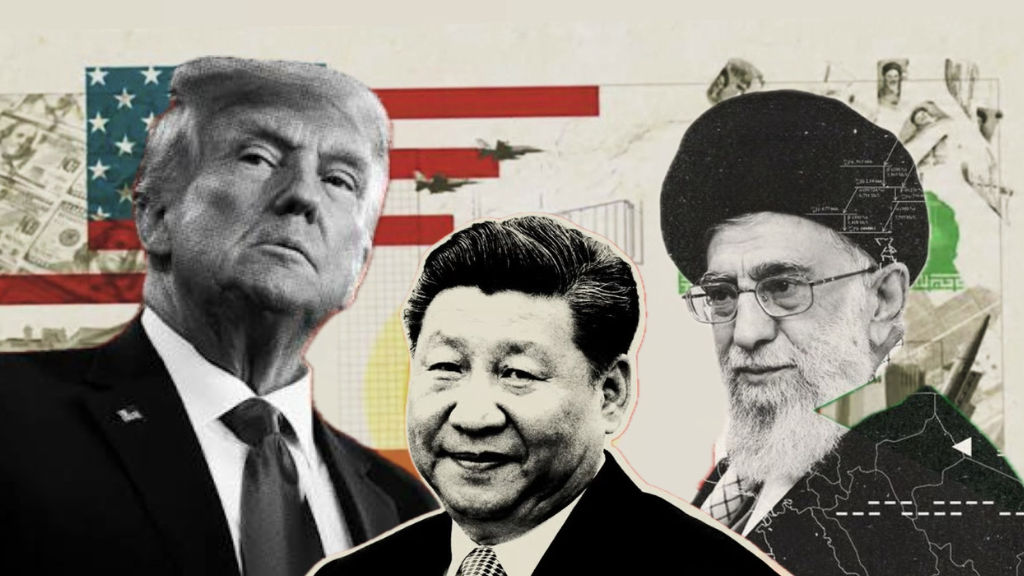
US officials have indicated they want to preserve the current one-year trade truce with Beijing. Trump is also said to be preparing for talks with Chinese President Xi Jinping, pointing to a possible diplomatic reset alongside economic adjustments.
While Beijing has not issued a formal response, analysts say the court’s decision reduces near-term risks to China’s export sector, a vital engine of its growth.
Who Loses Out?
Not every trading partner gains from the shift. Countries that had secured relatively low rates under the earlier reciprocal tariff structure now face tougher conditions.
The United Kingdom and Australia, for example, had operated under 10 percent duties and could now see that rise to 15 percent. Japan, which previously held a competitive 15 percent rate, also loses its relative advantage under the new baseline.
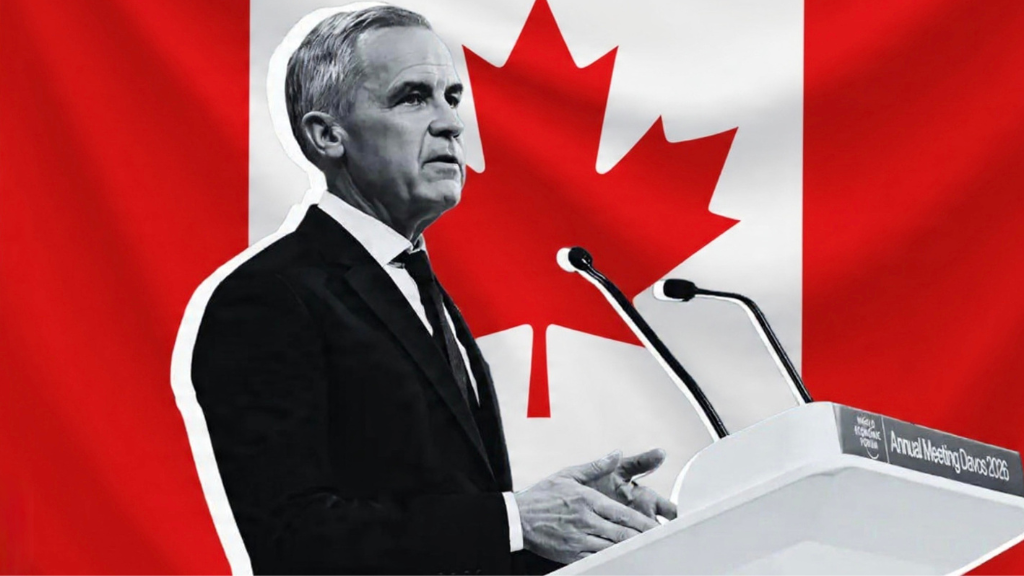
Canada and Mexico, by contrast, may benefit if exemptions tied to the US-Mexico-Canada Agreement remain in place. The removal of fentanyl-linked duties further improves their outlook.
Has the Trade Storm Passed?
Despite the legal defeat, Trump’s allies have hinted that new sector-specific or country-specific tariffs could still be introduced. That suggests the era of tariff politics is far from over.
Even so, many economists believe the worst of the uncertainty has eased. Researchers at Goldman Sachs estimate that the rise in effective US tariff rates since early 2025 will now be trimmed slightly, from just over 10 percentage points to about 9 points — after the court ruling and subsequent policy changes.
They also expect imports from countries enjoying lower tariffs to rebound in the months ahead, while any drag on US economic growth should remain limited due to inventory build-ups and shifting consumer demand.
A Pause, Not a Conclusion
The Supreme Court’s intervention marks a rare moment when judicial authority directly reshaped American trade policy. It also highlights the limits of presidential power when invoking emergency laws to impose sweeping economic measures.
For India and China, the verdict delivers short-term relief and renewed competitiveness. Yet with Washington still exploring new tariff tools, the broader trade system remains unsettled.
For now, however, the balance has tilted in favor of Asia’s largest exporters and the latest chapter of global trade realignment has produced clear winners.