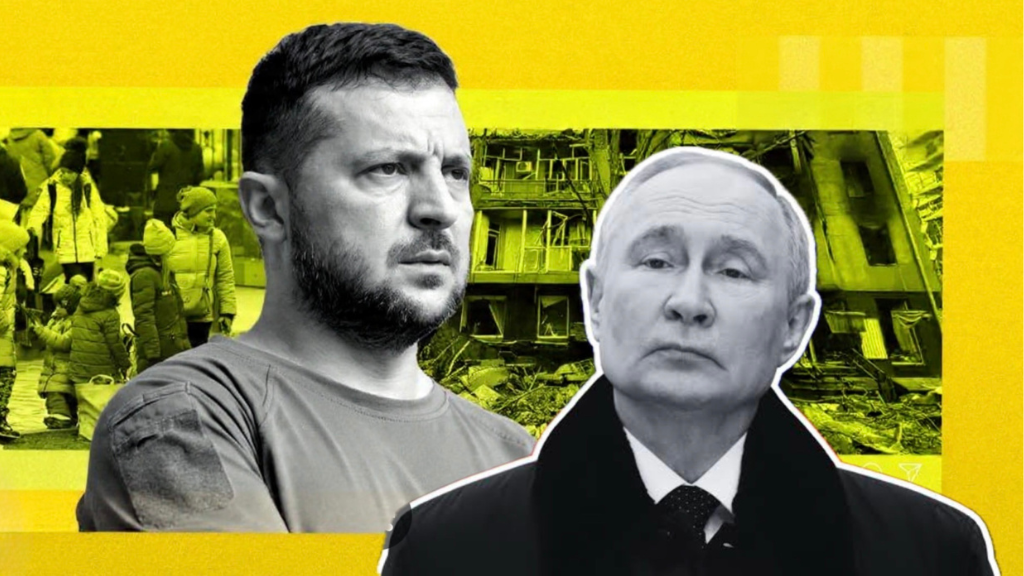
The conflict between Russia and Ukraine, which began in February 2022, has now crossed into its fifth year, making it the most lethal war fought on European soil since the Second World War. What was initially framed as a limited military operation has evolved into a prolonged and destructive struggle with far-reaching consequences for regional security and global politics.
The scale of human loss is staggering. Military casualties on both sides including soldiers killed, wounded, or missing are estimated to be approaching 1.8 million. Civilian suffering has also been severe, with more than 15,000 confirmed deaths and millions forced to leave their homes, triggering the largest population displacement in Europe in decades.
Russian official figures claim Ukrainian troop losses have surpassed 1.5 million since the war began. By the end of 2025, those numbers were already above that mark, with an additional 65,000 fatalities reported since early 2026, according to statements from Moscow’s defense authorities.
Beyond personnel, the destruction of military equipment has been extensive. Russian assessments state that Ukraine has lost approximately 670 combat aircraft, 283 helicopters, and more than 116,800 drones. The list also includes 650 air-defense systems, nearly 27,835 tanks and armored vehicles, and 1,671 multiple-launch rocket systems destroyed during the fighting.
The First Shock: February 2022
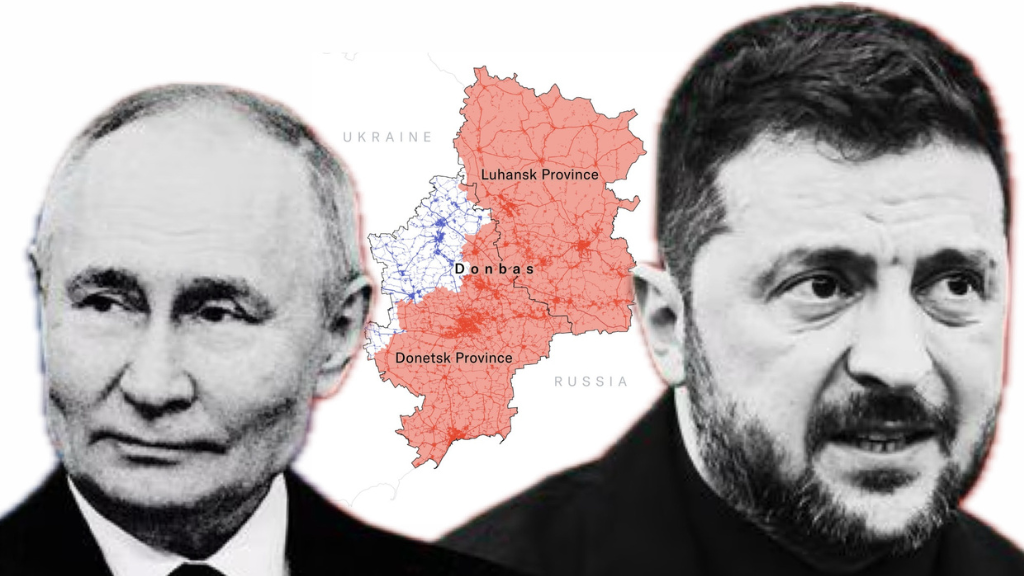
On February 21, 2022, Russian President Vladimir Putin formally recognized the separatist administrations in Donetsk and Lugansk, territories that had seen low-intensity warfare since 2014.
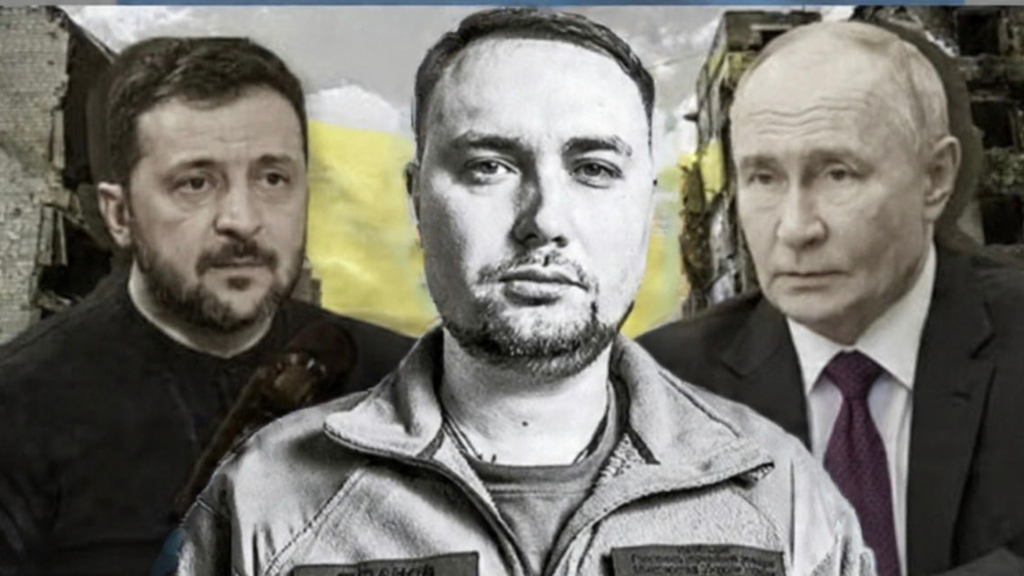
Three days later, Russian troops advanced into Ukraine from several directions. The Kremlin described the action as a mission to neutralize Ukraine’s military capabilities and eliminate extremist influences. Early advances brought Russian forces close to Kyiv, but the capital held out under the leadership of Ukrainian President Volodymyr Zelensky, who refused to flee and became the public face of national resistance.
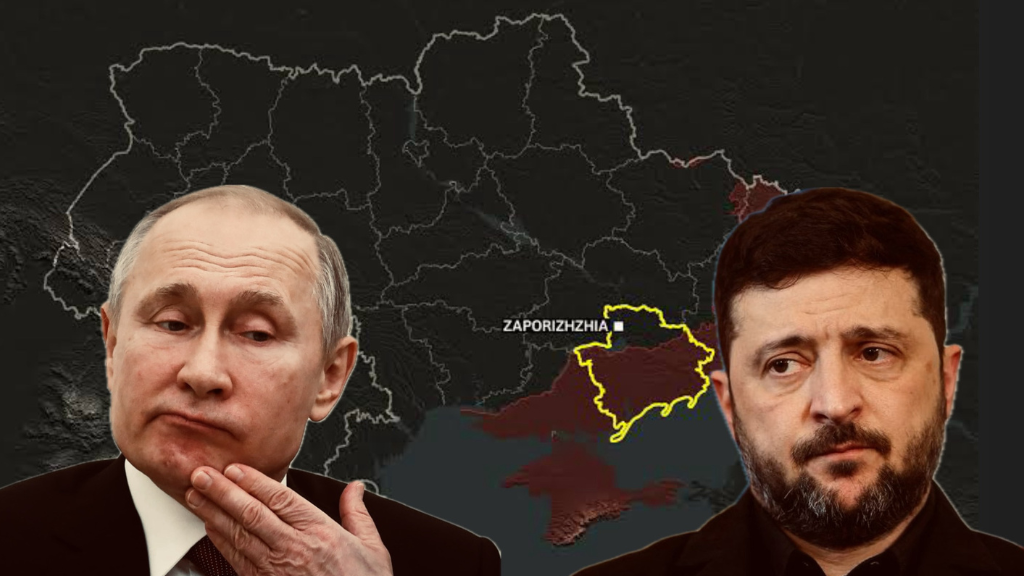
In the south, Mariupol endured months of bombardment before falling, leaving much of the city reduced to ruins. Initial peace talks held in Belarus and later in Turkey failed to stop the fighting.
Bucha and the Turning of Global Opinion
When Russian units pulled back from areas near Kyiv in the spring of 2022, investigators uncovered mass graves and bodies of civilians in Bucha and nearby towns. Ukrainian officials accused Russian soldiers of carrying out executions. Russian authorities rejected the allegations.
The discoveries fueled worldwide outrage and set off international legal proceedings. In March 2023, the International Criminal Court issued an arrest warrant for Putin, accusing him of unlawfully transferring Ukrainian children from occupied regions into Russian territory.
Ukraine’s Pushback: 2022–2023
With military aid arriving from Western allies, Ukrainian forces launched counteroffensives in mid-2022. Large parts of the Kharkiv region were retaken, followed by the recapture of Kherson in the south.
The eastern city of Bakhmut became the scene of some of the bloodiest fighting of the war. After months of combat, much of the city was destroyed, with heavy losses reported on both sides.
Russia also faced internal instability in June 2023, when the Wagner mercenary group staged a brief revolt and moved toward Moscow before standing down. Its leader, Yevgeny Prigozhin, died two months later in a plane crash that remains unexplained.
A renewed Ukrainian offensive later in 2023 failed to break through Russian defensive lines, and the conflict slipped into a stalemate along much of the front.
Momentum Shifts in 2024
By early 2024, Russian forces began to gain ground again, advancing gradually in eastern Ukraine. Ukrainian units, short of ammunition and manpower, struggled to hold some key positions.
In August 2024, Ukrainian troops crossed into Russia’s Kursk region and captured several hundred square kilometers of territory. They were pushed back by March 2025 after heavy fighting, during which Russian forces were reportedly supported by North Korean personnel.
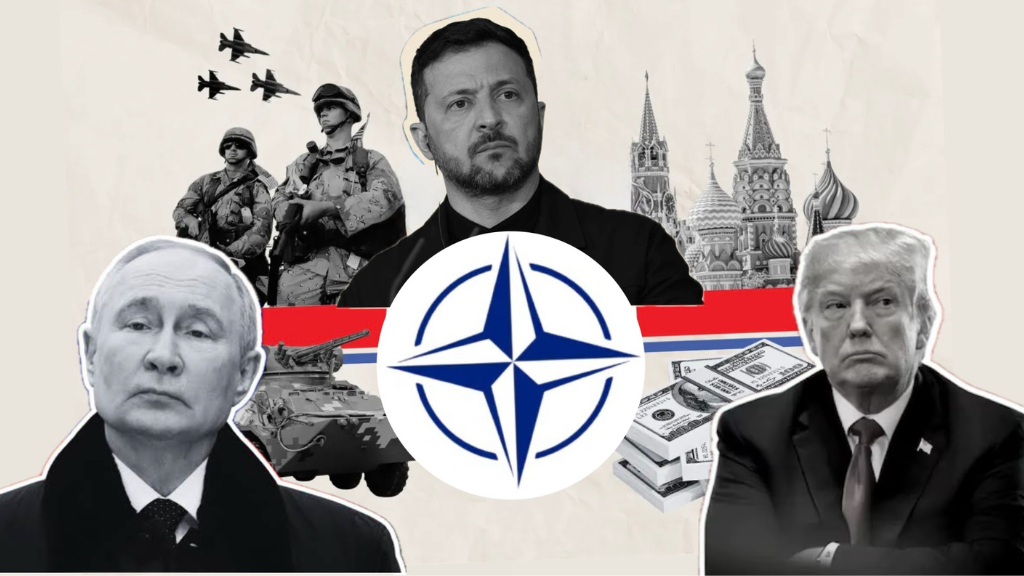
Long-range attacks also intensified. Russia launched repeated drone and missile strikes on Ukrainian cities and infrastructure. Even with Patriot missile systems and F-16 fighter jets supplied by the United States, Ukraine was unable to fully prevent the damage.
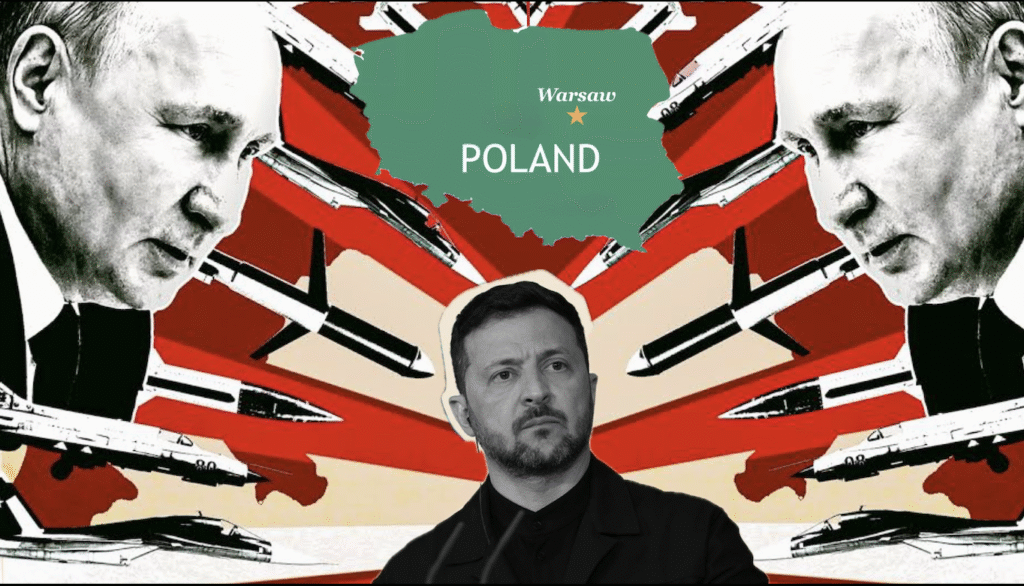
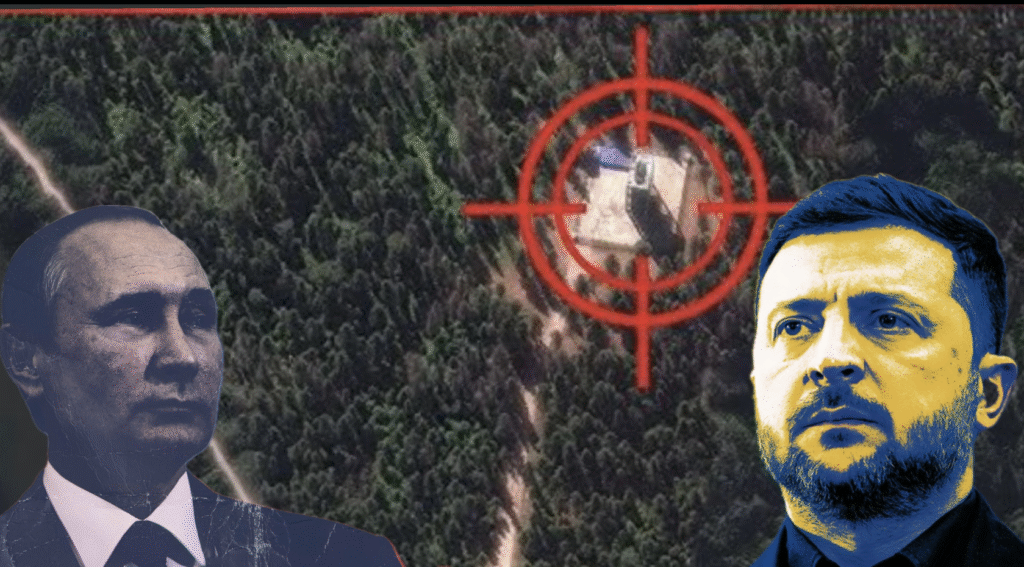
On November 21, 2024, Russia deployed a new nuclear-capable intermediate-range missile known as Oreshnik against a Ukrainian military factory. The weapon was reportedly used again in January 2026 on an aircraft manufacturing facility.
Diplomatic Overtures Under Trump: 2025–2026
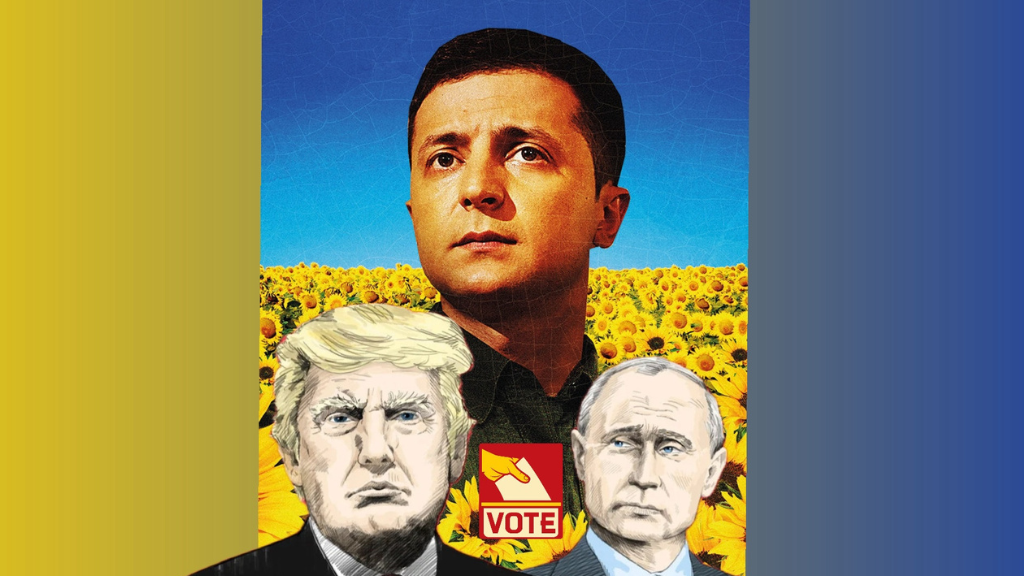
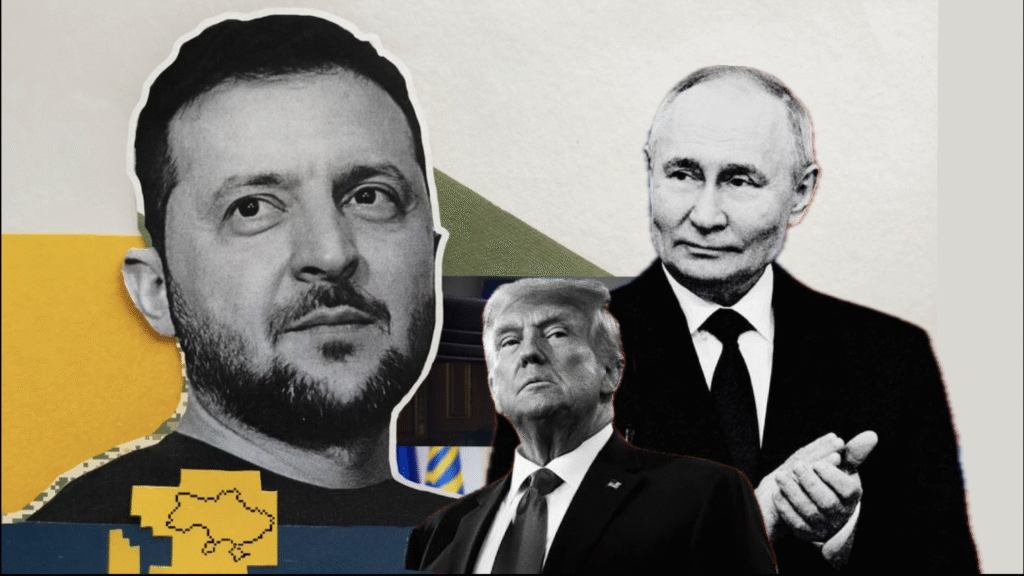
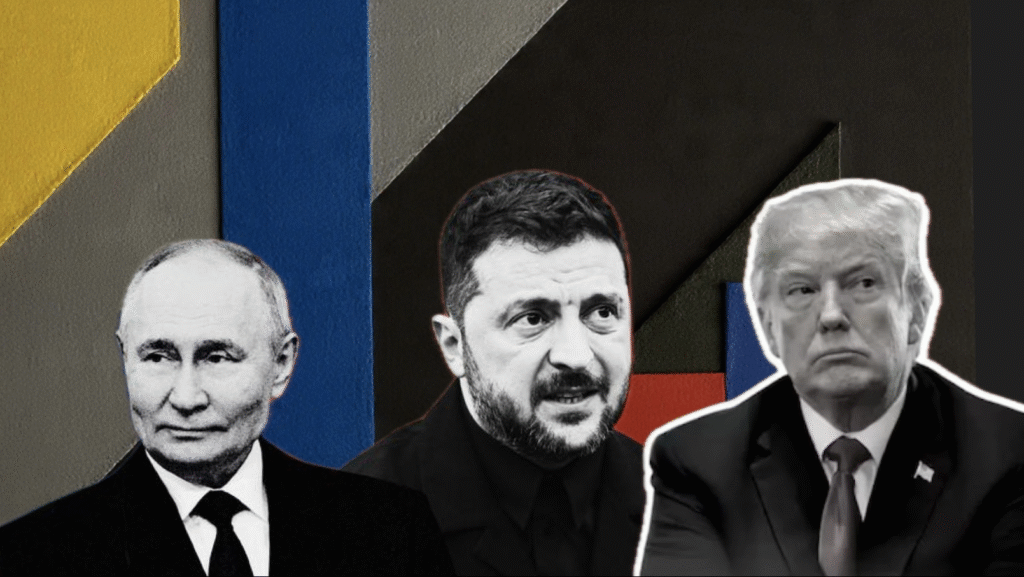
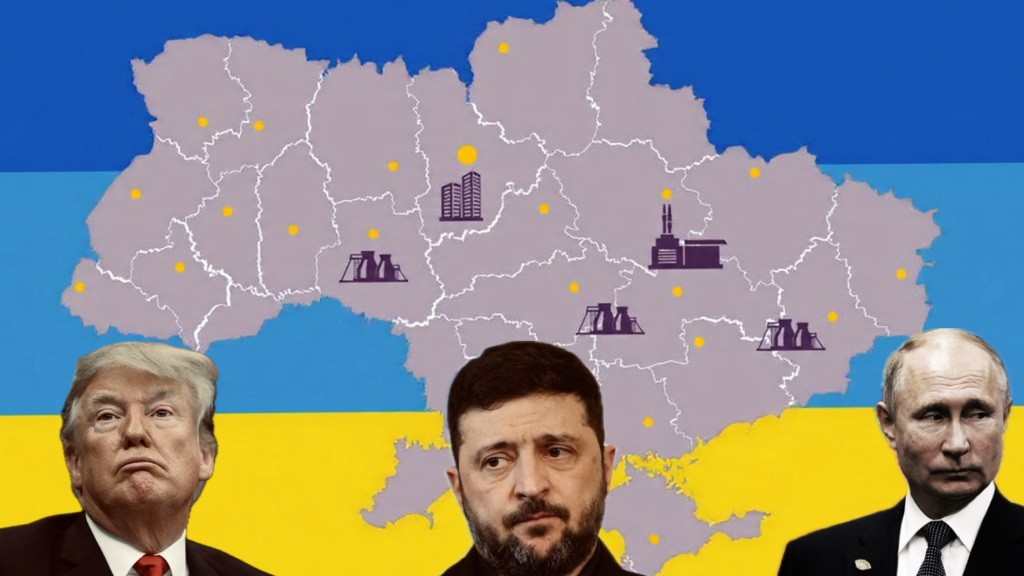
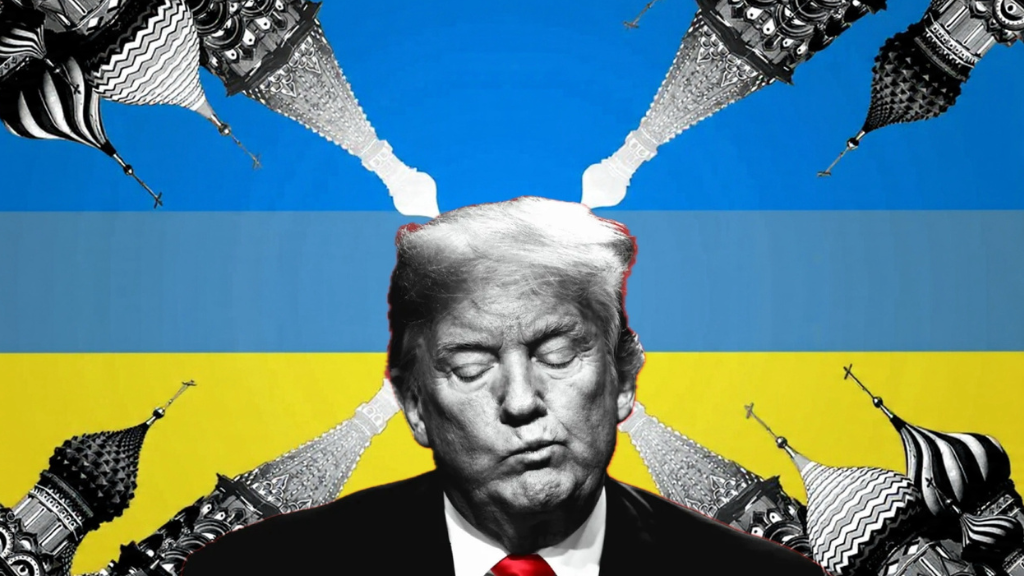
After returning to office for a second term, U.S. President Donald Trump announced that Washington and Moscow had agreed to open direct negotiations, surprising both allies and adversaries.
A tense meeting between Trump and Zelensky in February 2026 saw the U.S. leader warn that American military assistance could be reduced. Later that year, Trump presented a draft proposal reportedly calling for Ukraine to surrender certain territories in return for security guarantees.
As talks continued, Russia sought to increase pressure through strikes on Ukraine’s power grid, leaving large parts of the country without electricity during winter. Ukraine retaliated by targeting Russian oil facilities.
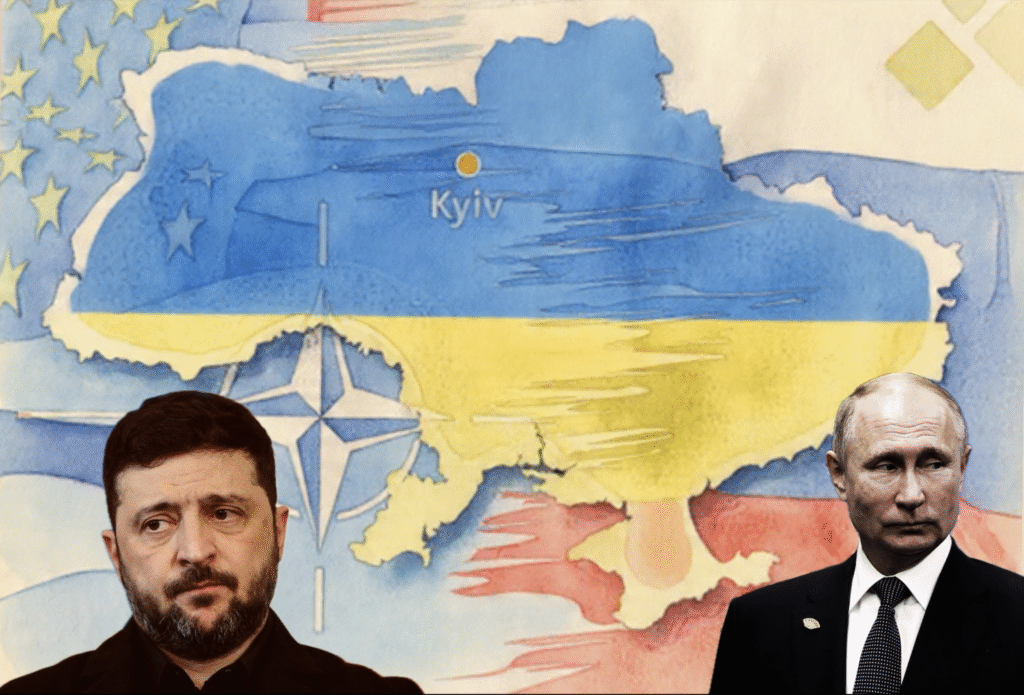
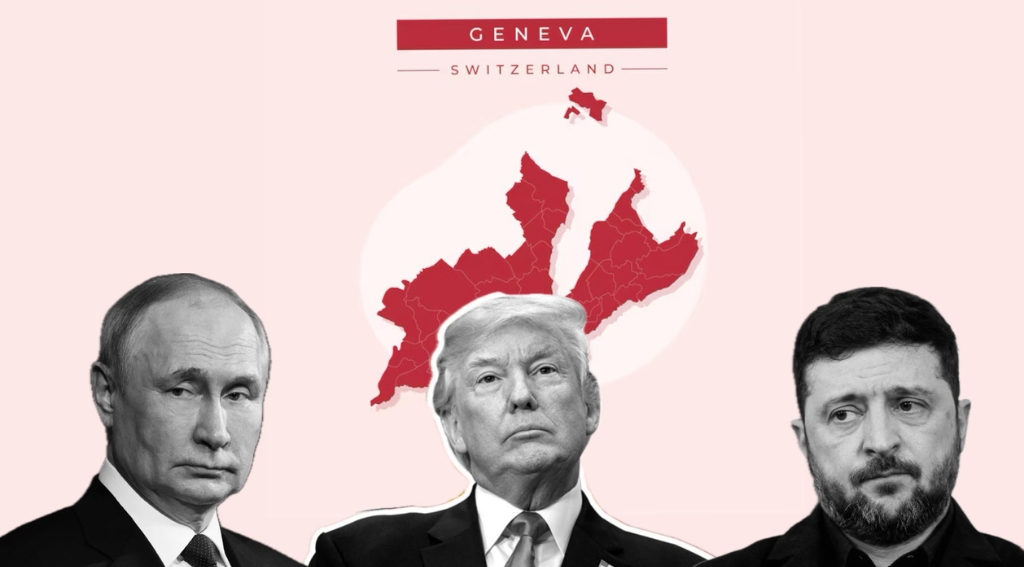
Negotiations involving Russian, Ukrainian, and U.S. officials were held in Abu Dhabi and later in Geneva in early 2026. Despite these efforts, Moscow’s demand that Ukraine fully withdraw from the Donbas region remains a central obstacle to any settlement.
A Conflict That Redrew Europe’s Map
After more than four years of continuous warfare, the conflict has reshaped borders, alliances, and military doctrines across the continent. Entire cities lie in ruins, and both armies have suffered unprecedented losses in men and equipment.
What began as a rapid invasion has hardened into a war of endurance, with no clear end in sight. Whether ongoing diplomacy can halt the fighting or whether Europe will face another year of bloodshed remains one of the most urgent questions of the decade.