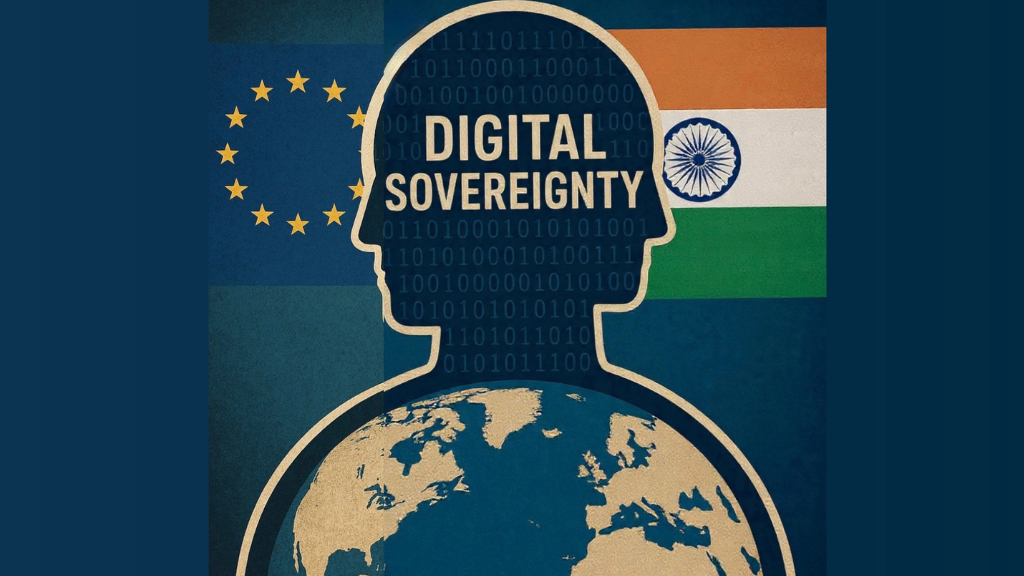
With immense show and pomp, last month India concluded the fourth segment of the AI summit, called the AI Impact Summit. Unlike previous AI summits, the gathering in India showcased a different energy. India vouched for a practical, urgent, and deeply humane vision of AI. India was not asking whether AI might one day become smarter than humans. India was asking whether AI could save a mother’s life during childbirth in a district with no human specialists. In this sense, India’s AI summit can be a turning point in AI conversations. While India foregrounded AI as a developmental instrument for the Global South, it missed theorising how AI itself carries different meanings, risks, and priorities for the developed and the developing countries.
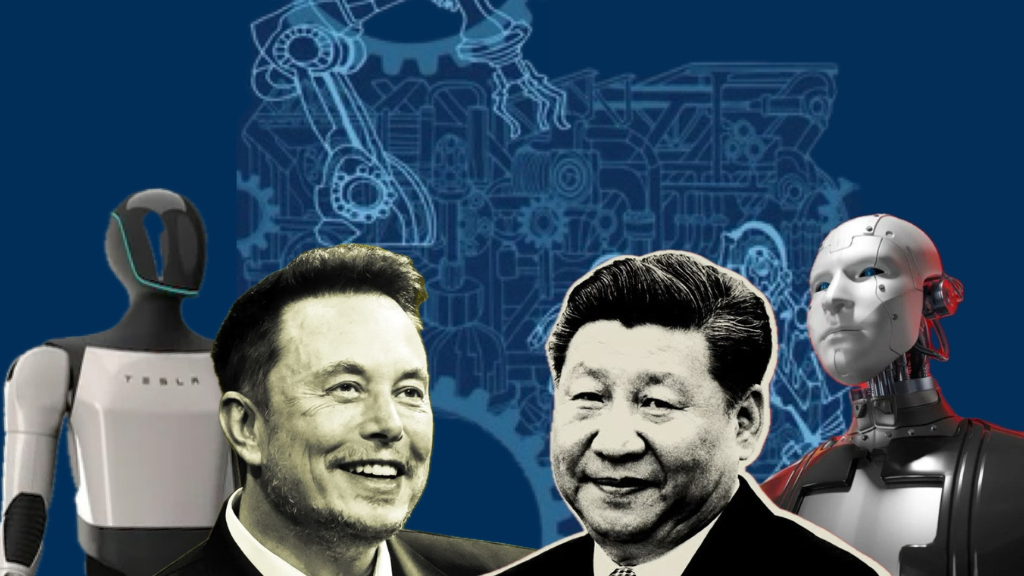
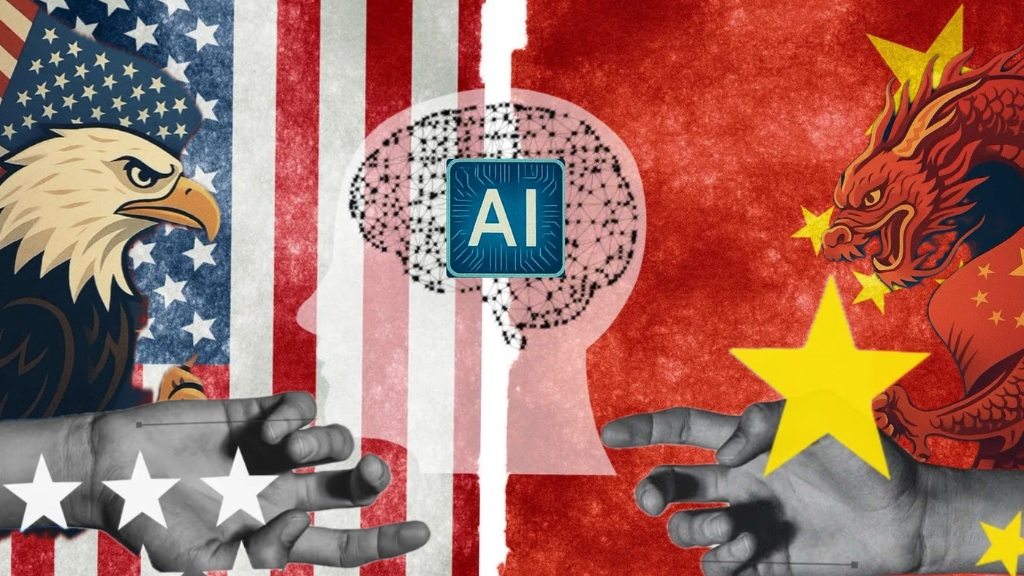
India’s vision has key contradictions with the dominant concerns raised by Western nations in AI conversations so far. On one side of the table sit the United States, the United Kingdom, and the European Union, all deeply worried about what happens when AI becomes too capable and too autonomous for humans to manage. They want strict rules, safety tests, and clear red lines around the most powerful systems. The 2023 Safety Summit at Bletchley Park deliberated on such concerns. On the other side of the table sit India, Brazil, South Africa, and many others who are focused on a different problem entirely. Their citizens need healthcare that works, schools that actually teach, and transport systems that do not kill. Both sides are too focused on their own half of the problem. The result is a global AI conversation that is growing louder, more fractured, and less useful with each passing summit.
Such fundamentally contrasting necessities also build key divergences in governance approaches. One of the first divergences lies in the asymmetric powers in shaping norms. The loudest voices in any room tend to shape the rules, and the loudest voices in AI governance right now belong to countries that are already ahead. The AI safety conversation as it exists today is shaped almost entirely by the concerns of wealthy nations.
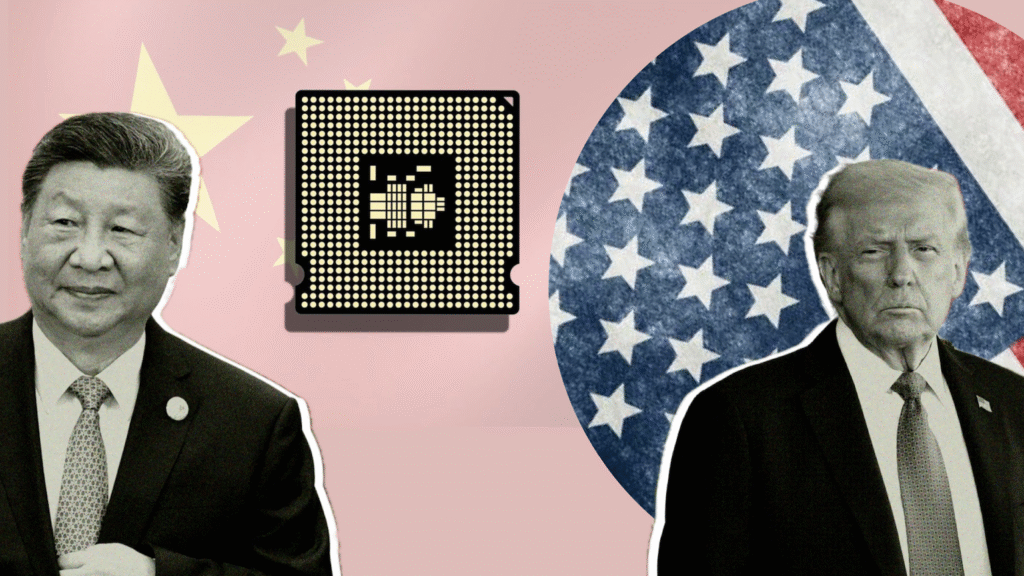
Consequently, it leads to a lack of interoperability of standards. Standards, which are primarily shaped by the developed world, are far from being neutral. When powerful governments write rules that require enormous compliance budgets, legal teams, and technical infrastructure, they are quietly designing a system that only their own companies can operate in. Everyone else gets left behind. When those rules say that AI systems must undergo months of expensive safety evaluations before deployment, the cost falls unevenly. A well-funded American startup can absorb that. A health tech company building in a low-income country often cannot. The greater danger is that this dynamic slows the deployment of AI in exactly the places where it is needed most, while doing very little to slow down the large companies that safety advocates are actually most worried about. Poorly designed safety regulations end up protecting market incumbents far more than they protect people. This is a classic gatekeeping problem that developing countries have already started to face. India’s AI summit highlights such issues surrounding the AI haves and AI have-nots, pitching AI as a shared global good in its New Delhi Declaration.
However, fixing this requires a fundamental rethink of how global AI governance is structured. The first step is acknowledging that there is no single AI risk profile that applies equally to every country. The risks of deploying AI for crop insurance are very different from the risks of deploying AI for military decisions. Rules written for one context should not be imposed on the other. India, which is running AI diagnostics in public hospitals, does not need to comply with standards written for a consumer chatbot company in California.
The most promising path forward involves tiered global governance. At the highest level, a small number of truly dangerous applications should be globally prohibited with genuine enforcement. For instance, AI tools that assist in designing biological weapons, AI systems used for autonomous lethal military operations, and AI capable of systematically undermining democratic institutions at scale. These are areas where every nation shares an interest in prevention. Below that, the model should shift from control to cooperation. Rich countries should share safety evaluation tools as open public goods. They should fund regulatory capacity building in countries that currently lack it. And developing countries should be full participants in shaping global rules, not consultees brought in after the real decisions have already been made.
As India has already sought leadership in ensuring “AI for All”, it is imperative that India should also ensure the space to govern its own context for AI research, development and deployment. Such a realisation demands more urgency as the US sharply declines its involvement in global AI governance. Hosting an AI summit in India was the first step in a long fight, and as it gets over, India must not forget its obligations towards the Global South. The resolution also lies in realising that both sides are fighting for the same world, which needs real solutions in the most urgent sense. The concern remains whether they figure that out before technology races so far ahead that the window for effective governance closes.
About the Authors:
Sudhanshu Kumar is a PhD Research Scholar at the School of International Studies, Jawaharlal Nehru University, New Delhi.
Dr. Megha Shrivastava is an Assistant Professor at PES University, Bengaluru, India. She has also been a 2025 US-India AI Fellow with the Observer Research Foundation America.