From Tehran To Dubai: Drone Lessons For Delhi
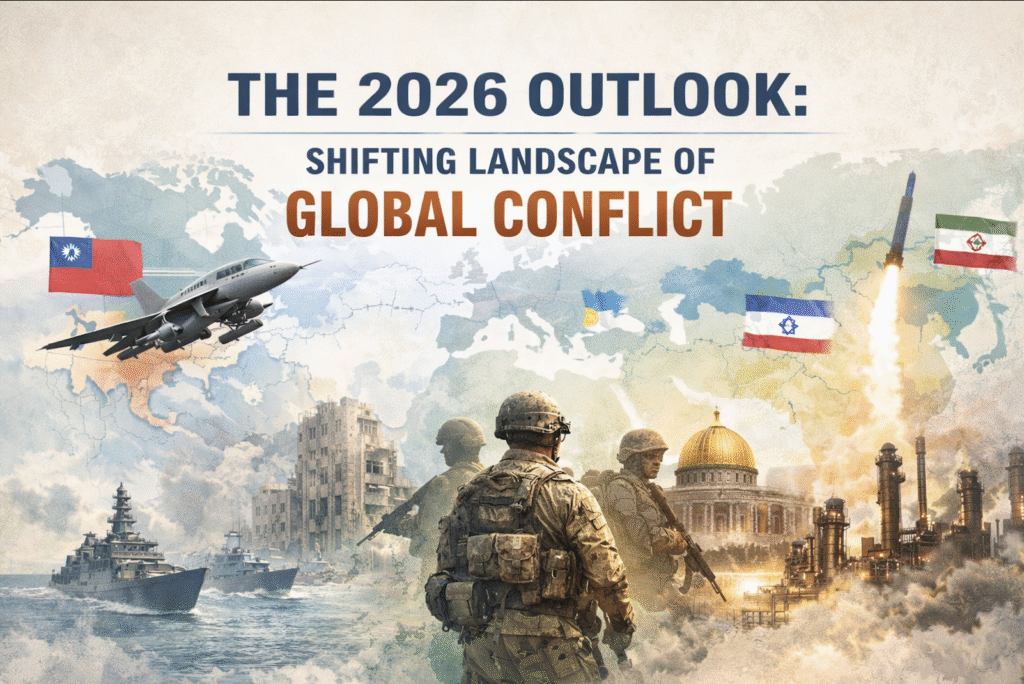
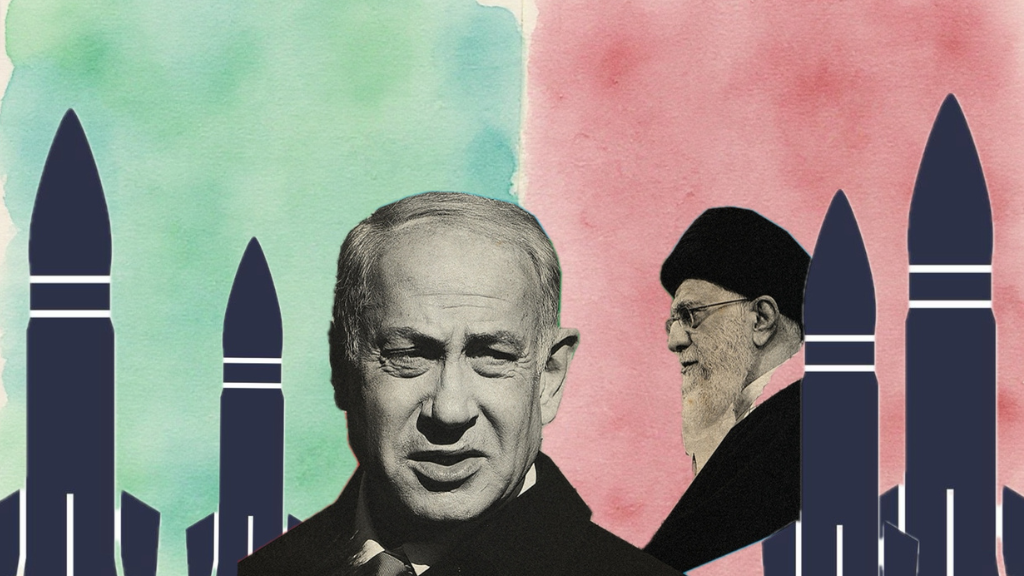
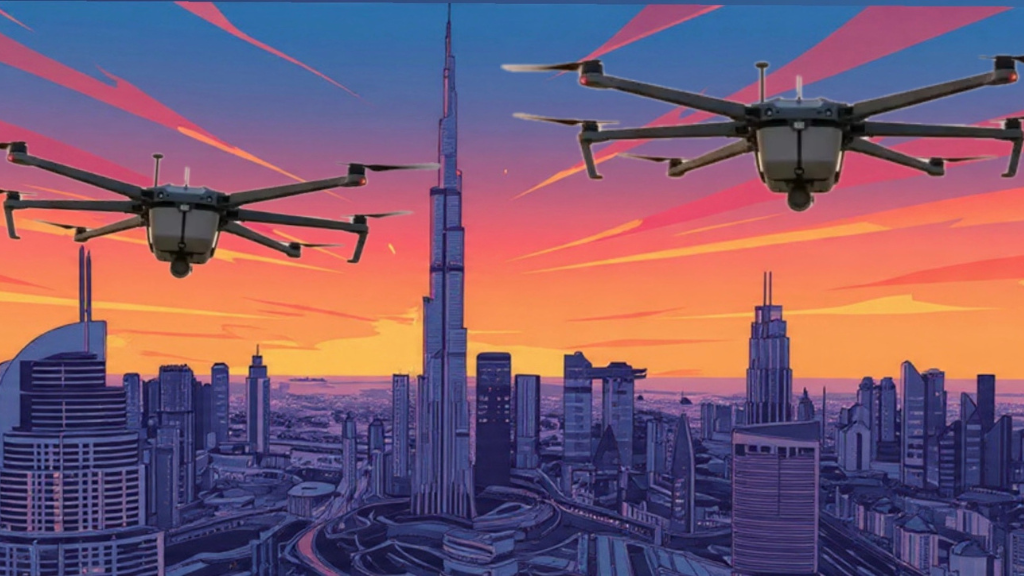
The war that broke out in late February 2026 has turned the skies over West Asia into a crowded arena. Iran has sent repeated waves of drones and missiles at Israel, US facilities and Gulf cities, trying to use volume and surprise to punch through defences. The UAE’s defence ministry says its systems have detected 1,422 Iranian drones, 238 ballistic missiles and 8 cruise missiles in this phase, shooting down most but still seeing 80 drones hit its territory and cause casualties.
American and Israeli forces have replied with thousands of strikes that rely heavily on precision missiles, stealth platforms and low-cost suicide drones, guided in part by AI-enabled targeting. The conflict is no longer about who has more tanks. It is about who can see, process and hit faster and cheaper across long distances. China’s military thinkers are openly drawing lessons from these operations and stressing self reliance in sensors, missiles and drones. Pakistan, which already imports Chinese and Turkish drones, will closely study how Iran uses cheap systems to cause expensive headaches. India needs to see this war as a lesson about its own vulnerability.
India’s Current Efforts To Adapt
India has already begun to retool its forces for this kind of conflict. It has inducted S 400 systems for long range air defence and continues to develop indigenous interceptor missiles to tackle ballistic threats. Through Mission Sudarshan Chakra, New Delhi has set a ten year goal of building a layered air and missile defence that integrates radars, interceptors, counter drone systems and civil protection measures around strategic and urban centres. India’s defence tech ecosystem has also grown quickly, with more than 200 startups in drones and related technologies and hundreds of millions of dollars in funding.
The 2026-27 defence budget increased capital spending by around 22 percent and highlighted UAVs and high technology systems as key priorities. The services have started to use loitering munitions and surveillance drones on the northern and western fronts, and to experiment with AI assisted targeting in exercises. These are steps in the right direction. The issue is whether they are big and fast enough for a world where 1,400 drones can appear over one country in a matter of days.
Pakistan And China: The Twin Drone Pressure
India’s specific problem is that it must think about drones in a twin adversary context. China is far ahead in drone manufacturing and AI. Its military is reported to have ordered over a million drones, including swarming systems and stealth unmanned aircraft designed to slip through complex defences. These drones can work with Chinese fighters, bombers and missiles to threaten Indian bases, supply lines and key infrastructure along the Himalayas and deep inside the country.
Pakistan, meanwhile, has turned to Turkey and China for its unmanned arsenal, building a sizeable fleet of Bayraktar type drones, CH 4, Wing Loong and others, plus local variants. During Operation Sindoor in 2025, Pakistan used 300 to 400 drones in a bid to overwhelm Indian defences, though Indian systems and even retrofitted guns shot many down and blunted the offensive. Analysts warn that the next round may see better coordinated use, including high altitude swarm drones from a Sino Pak axis designed to force India to waste expensive interceptors before a second wave of heavier strikes. This is the practical meaning of the China-Pakistan threat in the drone age.
Steps India Can Take To Stay Ahead
Staying ahead will require clear choices and timelines. India should push hard to turn promising drone and loitering munition projects into mass-produced families of systems that can be fielded in large numbers across services. On the defensive side, concepts like the DRDO Adani vehicle mounted counter drone platform that combines radar, electronic warfare and laser must move from showcases to large scale deployment around vulnerable corridors and cities. Mission Sudarshan Chakra should be broken into phases, with early deployment of integrated air and drone defence in critical regions by 2028 or 2029, rather than waiting for a perfect all-India system in 2035.
India also needs to scale AI-based command and control that can help officers make sense of large numbers of aerial tracks and recommend engagement options without delay. Finally, civil defence plans must include detailed playbooks for sustained drone and missile harassment, involving state governments, police, utilities and hospitals in joint drills. This will turn paper capability into lived readiness.
The Benefits Of A Prepared India
If India succeeds in these reforms, the payoff will be visible in war and peace. In a crisis, strong multi-layered air and drone defences, backed by offensive drones and missiles, would make it much harder for Pakistan or China to hope that a sudden strike could cripple key nodes or shock Indian society. Economy wise, protecting refineries, ports, data hubs and transport networks would limit the damage from any attack and shorten recovery time.
A robust domestic sector in drones, AI and counter drone tools would reduce dependence on imports and create new export lines to other countries wrestling with the same challenges. Politically, clear doctrine and rehearsed responses would lower the risk of miscalculation in tense times. West Asia’s 2026 conflict is a harsh preview of where warfare is heading. India cannot control that trend, but it can control how ready it is when drones and missiles become part of its own crisis headlines.
Sudhanshu Kumar is a researcher and Subject Matter Expert at CENJOWS, New Delhi. He specialises in AI geopolitics and cyberwarfare. His recent paper, “Artificial Intelligence and the Nuclear Deterrence Paradox: Rethinking Deterrence in South Asia and the Middle East”, was published in the Journal of World Affairs (SAGE Publications).