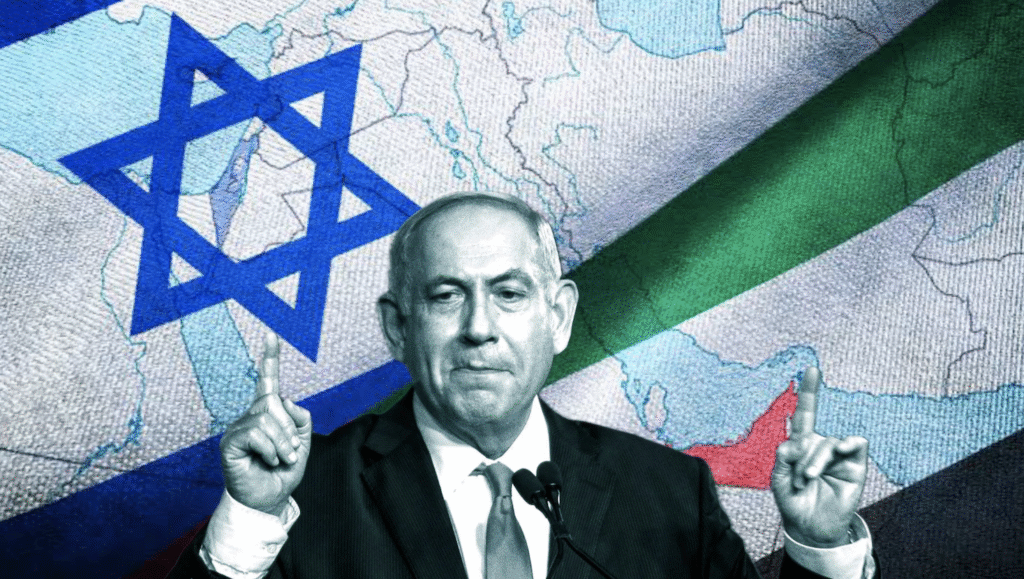
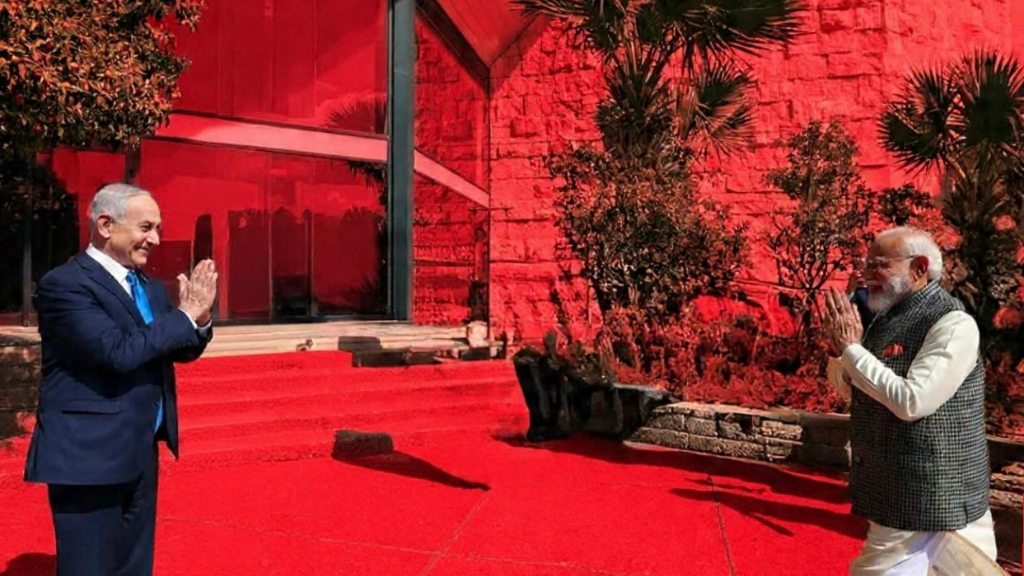
As Prime Minister Narendra Modi travels to Israel this week, Israeli Prime Minister Benjamin Netanyahu has put forward an ambitious idea that could reshape regional alignments, a proposed “hexagon” of strategic partnerships with India at its centre.
Modi arrived in Israel on February 25 for his second official visit. India’s Ministry of External Affairs has said the talks will cover regional and global issues of shared concern. Netanyahu’s new proposal is now expected to feature prominently in those discussions.
A New Strategic Design
Addressing his cabinet, Netanyahu described what he called a “complete system” of partnerships taking shape across and around West Asia. He used the term “hexagon” to describe a network of states linked by common security and strategic interests.
At its core, he named four countries:
India
Israel
Greece
Cyprus
Netanyahu added that other partners from Arab, African and Asian regions could later be brought into the framework, though he stopped short of naming specific candidates.
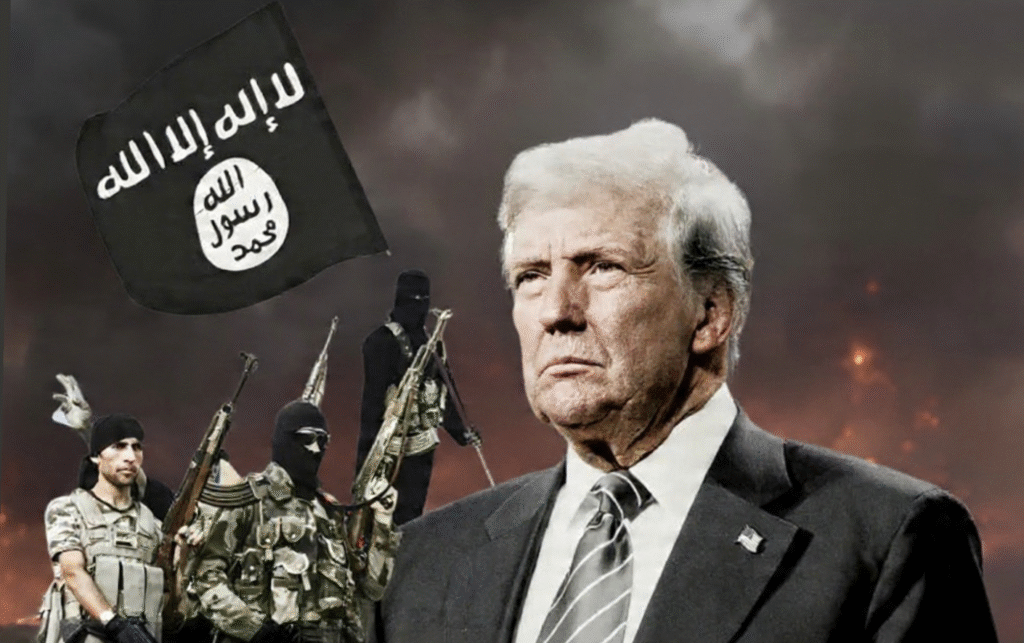
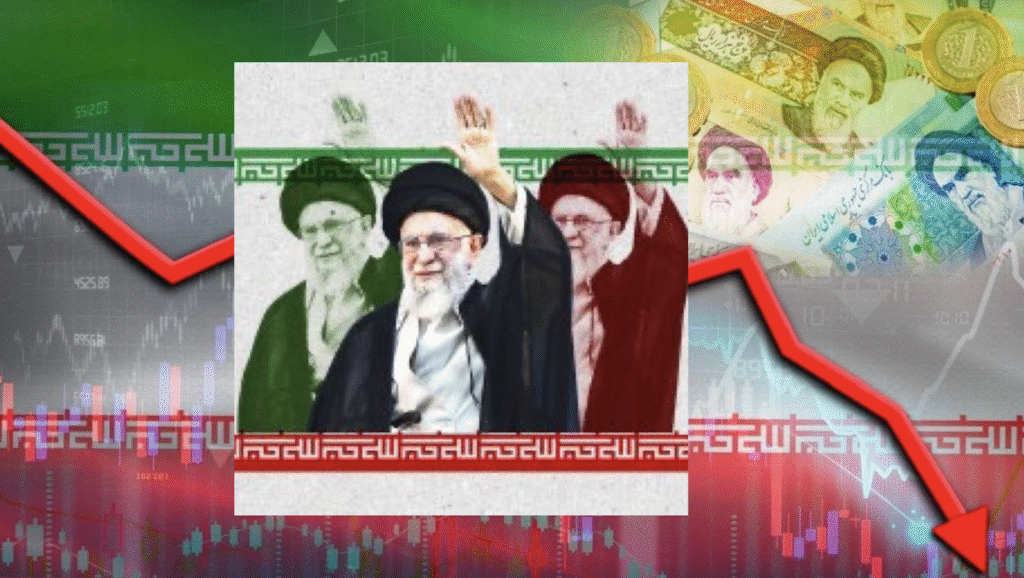
He presented the idea as a counterbalance to hostile blocs operating in the region. One, he said, was a Shia-led axis anchored by Iran and supported by militant groups such as Hamas, Hezbollah and the Houthis. The other, he argued, consisted of evolving Sunni extremist networks.
In his view, countries facing similar threats would benefit from structured coordination in areas such as intelligence sharing, military cooperation and crisis response planning.
Why Now?
The proposal comes at a moment of rising tension across West Asia. The war in Gaza, instability in the Red Sea, and Iran’s growing regional reach have all altered the security picture. At the same time, shifting diplomatic patterns are producing new defence arrangements.
Last year, Pakistan and Saudi Arabia signed a Strategic Mutual Defence Agreement. Some observers have dubbed that emerging framework an “Islamic NATO”, with Turkey reportedly showing interest.
Israel’s “hexagon” appears to be a response to these parallel alignments, an attempt to formalise cooperation among countries that share concerns over maritime security, energy routes and Iran’s influence.
India’s Expanding Role
India’s inclusion as a founding pillar highlights how central New Delhi has become to regional calculations. Over the past decade, India has strengthened defence and technology ties with Israel while also expanding political and economic links with Gulf states.
New Delhi is already part of groupings such as I2U2, involving India, Israel, the UAE and the United States, which focuses on economic and strategic coordination. The Abraham Accords have also opened space for broader Israel–Arab cooperation, indirectly widening India’s room for manoeuvre.
Netanyahu’s concept, however, points to something more formal than these arrangements. It suggests a security-oriented structure rather than loose cooperation.
For India, the balance will not be simple. New Delhi maintains working relations with Israel, Iran and Arab nations alike. Any alliance seen as explicitly aimed at Tehran could complicate that diplomatic balancing act.
The Mediterranean Connection
Greece and Cyprus bring an important Mediterranean dimension to the plan. Both have deepened defence cooperation with Israel in recent years, especially in maritime security and energy projects.
The eastern Mediterranean has grown in strategic importance as a corridor linking European markets with Asian supply chains. By connecting India to partners in this zone, Israel may be envisioning a security arc stretching from the Indo-Pacific to southern Europe.
A Concept, Not a Treaty — Yet
For now, the “hexagon” remains an idea rather than a signed pact. Still, its public announcement is notable. Israel has rarely outlined such an explicit regional alliance model in these terms.
Much will depend on how Modi’s visit unfolds and whether other governments show interest in turning the concept into something tangible. What is clear is that West Asia is entering a phase marked by competing defence blocs and strategic groupings.
Netanyahu’s proposal reflects that reality: alliances are no longer informal or temporary. They are becoming the architecture through which power is organised in the region.