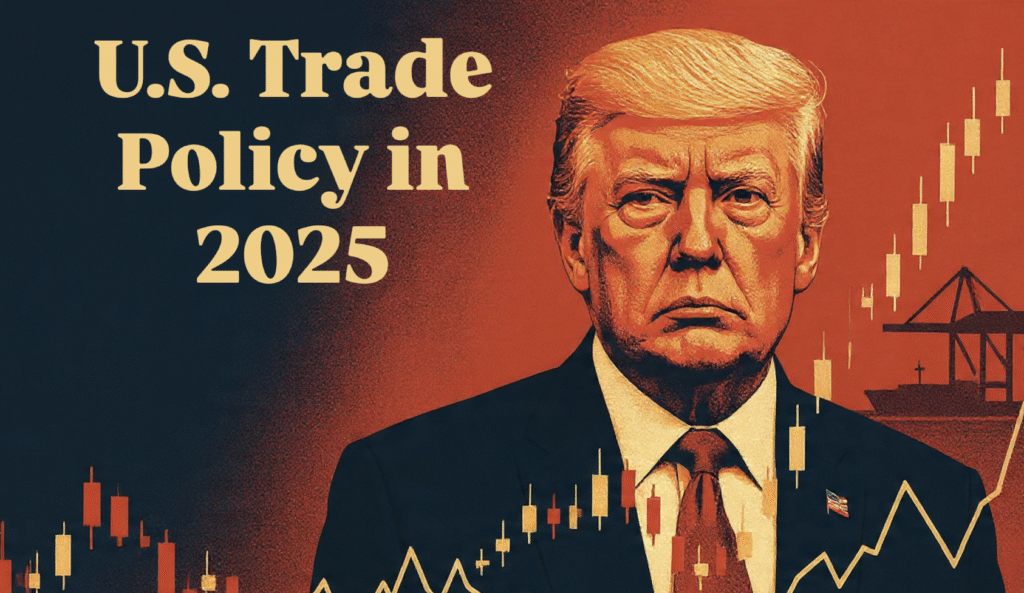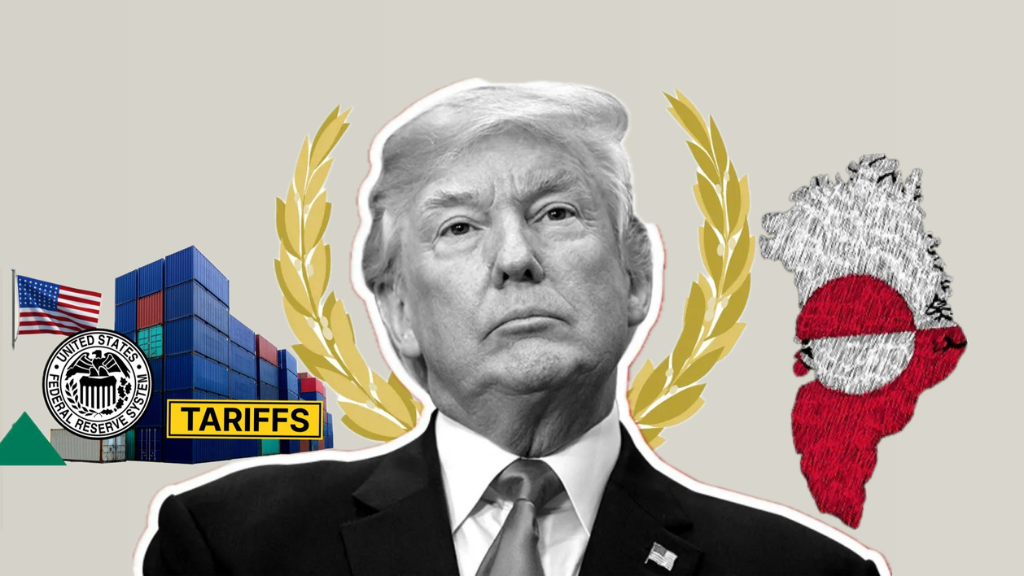
The Supreme Court’s decision to strike down President Donald Trump’s global tariff policy has brought short-term relief to importers and consumers, but it has not delivered stability to U.S. trade policy. Instead, it marks the beginning of a prolonged legal and political struggle over tariffs, refunds, and the future direction of American trade strategy.
While the ruling removes one of the administration’s most powerful economic tools, it also creates fresh uncertainty for businesses and foreign governments that must now adjust to a shifting policy landscape.
A Long and Complicated Fight Over Refunds
One of the most immediate consequences of the ruling concerns the question of refunds. Tariffs collected between January 2025 and mid-December are estimated to total about 133.5 billion dollars.
The Supreme Court did not rule on whether these funds should be returned, leaving the issue to lower courts. Legal experts expect the U.S. Court of International Trade to take the lead in managing these cases.
Refunds will not be issued automatically. Companies seeking repayment must file individual lawsuits, a requirement that could drag the process out for years. More than one thousand firms have already joined legal challenges linked to the tariffs.
Trump has acknowledged that the issue is far from settled, predicting that disputes over refunds could keep the administration tied up in court for as long as five years.
Temporary Tariffs and Rising Volatility
Within hours of the court’s decision, Trump announced plans to introduce a new 10 percent tariff using an alternative legal authority. The move is widely viewed as a short-term fix designed to preserve leverage while the administration looks for a more durable path.
Under the law being used, such tariffs can only remain in place for 150 days unless Congress grants an extension. Officials have also indicated that new trade investigations could follow, potentially laying the groundwork for longer-lasting duties.
Economists say the ruling does not end the tariff strategy but forces it onto a more uncertain and legally complex path. Businesses are likely to face renewed price swings, supply chain disruptions, and unpredictable policy shifts in the months ahead.
A Slower and Less Direct Strategy
The decision removes what had been the administration’s fastest method for imposing sweeping tariffs. Emergency powers had allowed quick action and immediate pressure on trading partners without lengthy investigations.
Government officials argue they can still reach similar tariff levels, but only through more complicated legal channels. That means formal investigations, extended consultations, and time-consuming regulatory steps.
This shift reduces the speed of decision-making and increases the risk of political and legal challenges, weakening the administration’s ability to act unilaterally.
Trade Deals Enter Uncertain Territory
Because many recent trade negotiations were built around the now-invalid tariff framework, some partners may attempt to revisit their commitments.
Countries that have already concluded agreements are expected to maintain them to avoid damaging relations with Washington. However, nations still negotiating may see an opportunity to seek better terms or delay final decisions until U.S. policy becomes clearer.
The ruling has altered the balance of power in talks, reducing Washington’s leverage while increasing uncertainty for its counterparts.
Will Tariff Levels Fall?
Despite the court’s decision, tariffs remain historically high. Consumers now face an average effective tariff rate of about 9.1 percent, down from nearly 17 percent earlier in the year but still among the highest levels seen since the mid-20th century.
Some economists believe the ruling could force a reset in trade policy. With fewer shortcuts available, future tariffs are likely to be introduced more cautiously and through formal legal processes, which could eventually lower overall rates.
Others warn that the administration’s determination to preserve its tariff strategy may keep trade tensions elevated even as the legal framework changes.
An Unsettled Future for U.S. Trade Policy
The Supreme Court’s ruling has closed one chapter in the tariff battle but opened several new ones. Businesses now face years of legal disputes over refunds, while foreign governments must reconsider how they negotiate with Washington.
Rather than ending the tariff campaign, the decision has transformed it into a slower and more complicated struggle, one that keeps U.S. trade policy in flux and global markets on edge.