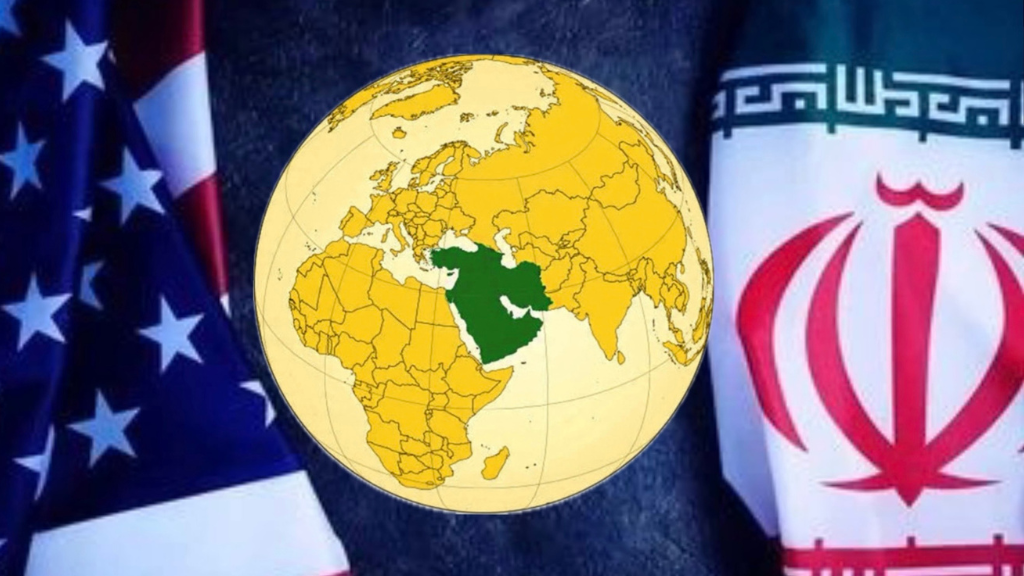
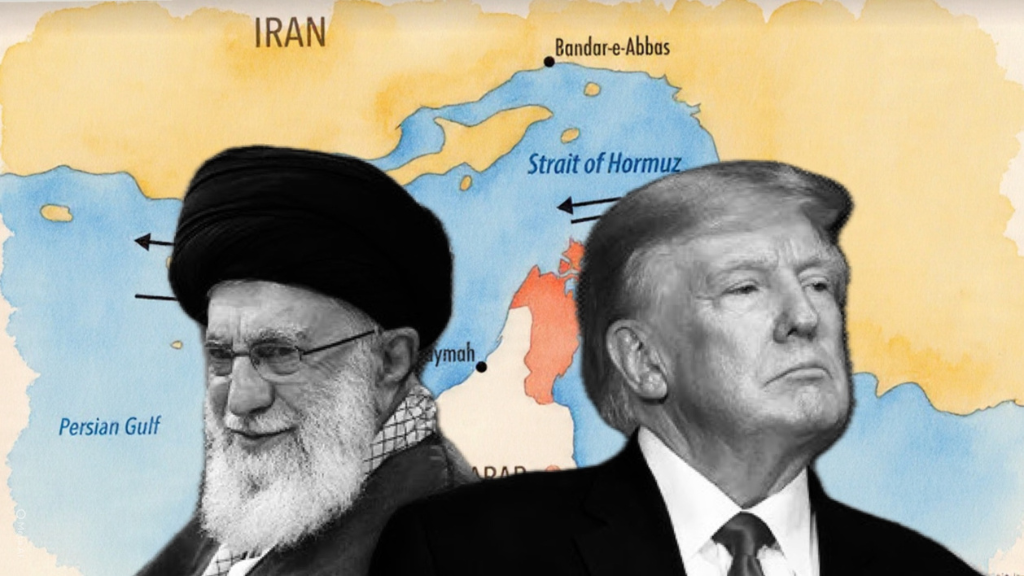
Iran’s decision to briefly restrict shipping in parts of the Strait of Hormuz during a live-fire naval exercise has once again placed the world’s most sensitive energy corridor under the spotlight. Tehran described the move as a short-term safety measure linked to military training, but the broader message was unmistakable: any disruption in this narrow passage can rattle global energy markets within hours.
The timing added to the unease. The drill unfolded as indirect nuclear negotiations were resuming in Geneva and as American warships increased their presence in nearby waters. Together, these developments highlighted how tightly military signaling and diplomacy are now intertwined in the Gulf.
Why Iran Moved to Restrict Shipping
Iran imposed temporary limits on vessel movement as part of an exercise it called “Smart Control of the Strait of Hormuz.” State-linked outlets reported that missiles were launched from both coastal and inland positions toward designated maritime targets.
The operation was led by the Islamic Revolutionary Guard Corps, which regularly stages naval drills in the Persian Gulf to underline its ability to interfere with shipping if required. Mariners were warned in advance about live-fire activity and advised to avoid certain zones while the exercise was underway.
Officials insisted the closure lasted only a few hours. Still, the political context mattered. It came amid:
- Rising friction between Tehran and Washington,
- Expanded U.S. naval deployments in surrounding seas, and
- Sensitive nuclear talks brokered by Oman.
The signal was clear: Iran wants the world to remember that it can exert influence over one of the planet’s most critical energy chokepoints.
Why the Strait of Hormuz Matters
The Strait of Hormuz links the Persian Gulf with the Gulf of Oman and the wider Indian Ocean. At its narrowest, it is barely 33 kilometers across, leaving little margin for error when tensions rise.
Market estimates suggest around 13 million barrels of crude, roughly one-third of all oil shipped by sea, transited the strait in 2025. Most of that supply feeds Asian economies such as India, China, Japan, and South Korea.
Key producers dependent on this route include Saudi Arabia, Iraq, Kuwait, Qatar, the United Arab Emirates, and Iran itself. Although Riyadh and Abu Dhabi have built limited pipeline alternatives, the bulk of Gulf exports still have no realistic detour. This concentration means even short interruptions can trigger:
- Sudden jumps in oil prices,
- Higher insurance costs for tankers,
- Turbulence across energy markets, and
- Renewed fears about supply chain security.
Iran has threatened to shut the strait in past confrontations, but it has avoided a prolonged closure since the tanker battles of the 1980s.
Military Pressure Builds in the Background
The exercise took place alongside a noticeable buildup of U.S. naval assets. The aircraft carrier USS Abraham Lincoln has been operating in the Arabian Sea, and President Donald Trump has announced plans to deploy the USS Gerald R. Ford to the region.
Earlier in the month, a U.S. fighter jet reportedly shot down an Iranian drone that approached American forces. In other incidents, Iranian vessels were accused of maneuvering dangerously close to commercial ships flying U.S. flags. U.S. Central Command has warned that such encounters increase the risk of miscalculation.
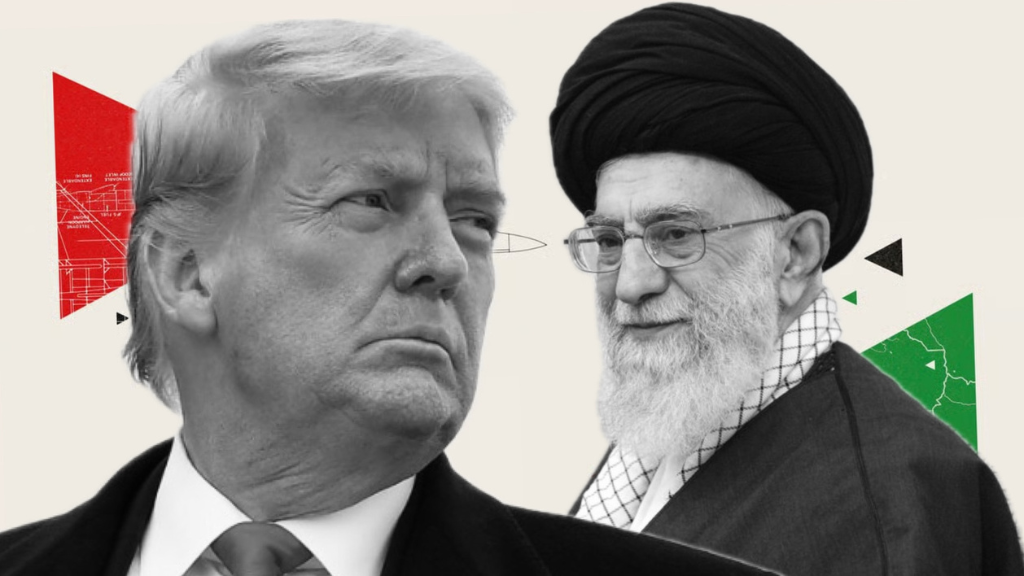
From Tehran’s standpoint, the growing American footprint is seen as leverage tied to sanctions and nuclear negotiations rather than purely defensive positioning.
The State of Nuclear Talks
Indirect discussions between Iran and the United States have resumed in Geneva, with Oman acting as an intermediary. Iran’s foreign minister, Abbas Araqchi, and U.S. representatives have described the talks as constructive but far from complete.
Tehran has signaled readiness to consider limits on parts of its nuclear program if sanctions are eased. However, it has also set firm boundaries:
- Uranium enrichment will not be fully abandoned,
- Its missile program is off the table, and
- Supreme Leader Ali Khamenei has reiterated that missile range and design are not negotiable.
Oil prices briefly softened after comments hinting at progress, underlining how closely traders track diplomatic language coming out of these meetings.
Why the World Is Watching
The Strait of Hormuz is more than a regional flashpoint. It is a pressure valve for the global economy.
Asian importers worry about fuel security. European governments fear another Middle Eastern crisis spilling into wider conflict. Investors see a market where political signals can move prices faster than production data ever could.
Iran’s short shutdown reinforced three realities:
- Energy chokepoints remain highly exposed,
- Military gestures can sway markets almost instantly, and
- Diplomacy and confrontation are unfolding side by side.
Though the restriction lasted only hours, it showed how quickly tensions in the Gulf can echo through shipping lanes, trading floors, and national budgets.
What Comes Next
Tehran’s strategy appears calibrated to strengthen its hand at the negotiating table without tipping into open conflict. By demonstrating control over the strait, Iran projected both deterrence and capability.
Whether this episode fades into symbolism or evolves into something more serious will depend largely on the direction of nuclear talks and the broader U.S.–Iran standoff. For now, markets are on edge because when the Strait of Hormuz tightens, the effects are felt far beyond the Gulf.