For much of the period after World War II, Germany avoided the spotlight when it came to military power. Its leaders preferred diplomacy, trade, and multilateral cooperation to tanks and troop deployments. Security was largely outsourced to alliances, especially NATO, while Germany focused on becoming Europe’s economic engine. That approach shaped the country’s identity for generations.
Today, that posture is changing.
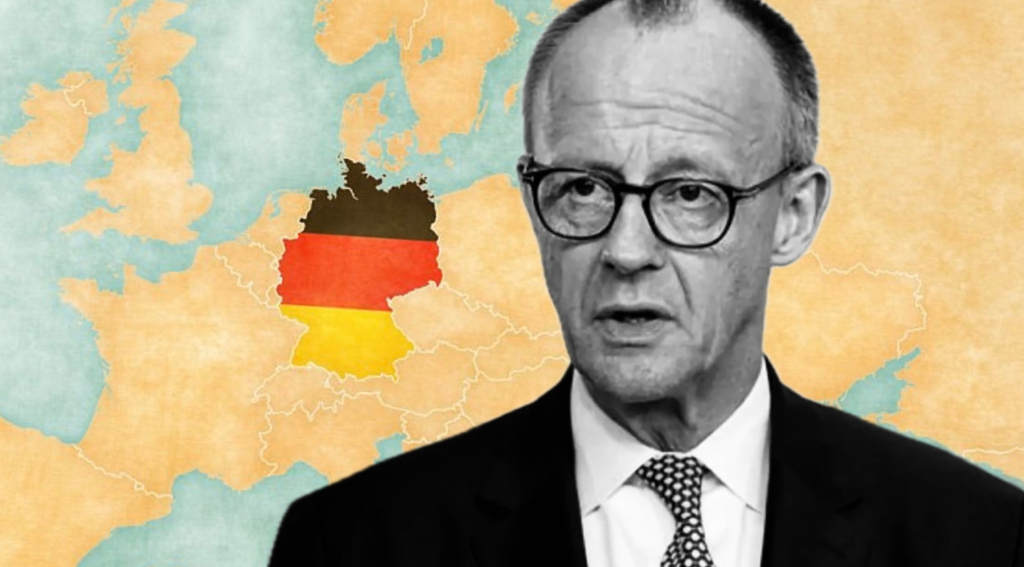
Russia’s war in Ukraine has forced Germany to confront uncomfortable questions about its own readiness and Europe’s ability to defend itself. Long-held assumptions that large-scale war on the continent was a thing of the past, or that the United States would always be there to manage Europe’s security, no longer feel guaranteed. As a result, Germany is beginning to redefine its role: not just as Europe’s biggest economy, but as one of its main security providers.
This shift does not come easily. Germany’s history has left deep political and cultural scars, and public debate over military power remains cautious. But the strategic environment is reshaping those attitudes, slowly but clearly.
From Reluctance to Responsibility
Germany’s defense rethink did not start overnight. For years, its armed forces suffered from underinvestment, aging equipment, and recruitment problems. Critics both inside and outside the country warned that Germany was not pulling its weight in collective defense.
The invasion of Ukraine marked a turning point. It exposed how fragile Europe’s security assumptions had become and how dependent many European states were on American leadership. German policymakers suddenly faced pressure to act, not only to protect national interests but also to stabilize the wider continent.
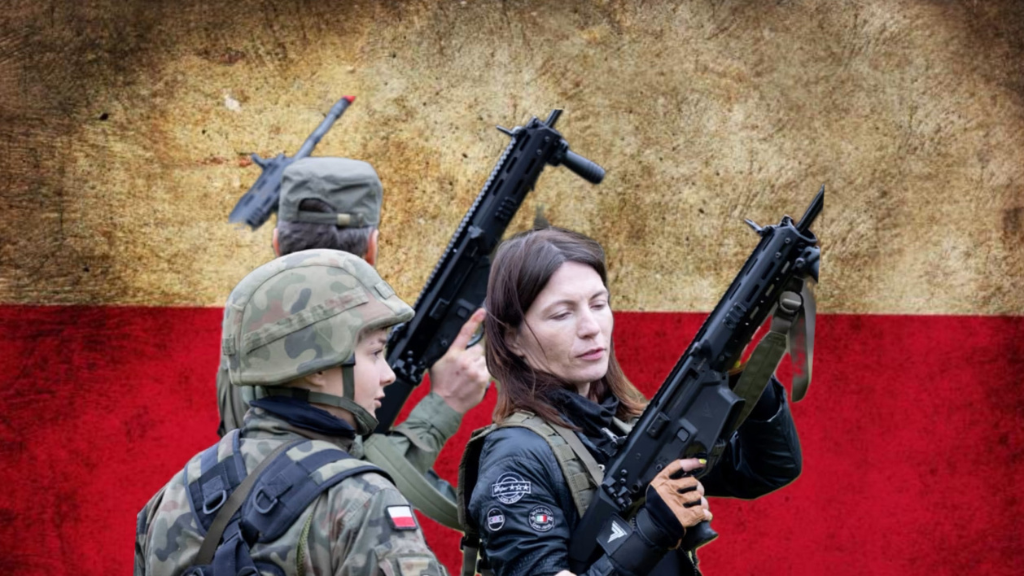
What followed was a political shift that would have seemed unlikely just a decade earlier. Defense spending rose sharply. New weapons systems were ordered. Long-delayed modernization plans were pushed forward. And Germany began to speak openly about the need to deter aggression rather than simply respond to it.
The message was clear: Germany could no longer afford to remain in the background.
A Strategic Location at the Center of Europe
Geography plays an important role in Germany’s changing posture. Located between Western Europe and the eastern frontiers of NATO, Germany sits at the crossroads of military logistics. Troops, equipment, and supplies moving toward Eastern Europe pass through German territory. This makes the country a crucial transit hub in any serious defense effort.
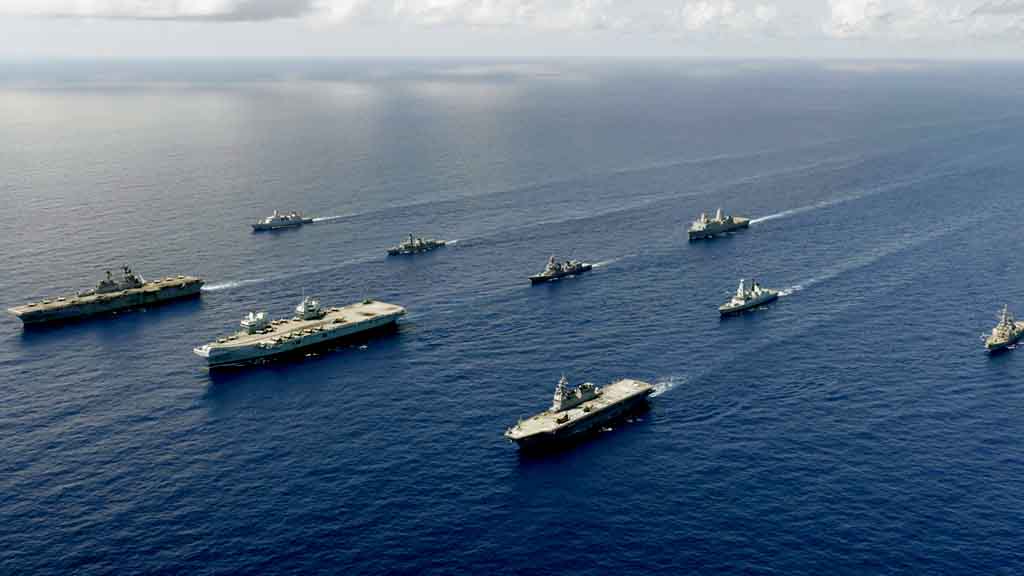
Germany has leaned into this role. Infrastructure projects now emphasize mobility for military forces, not just civilian traffic. Rail lines, roads, and storage facilities are being adapted with defense planning in mind. The country is also expanding its participation in joint exercises with allied forces, reinforcing its position as a backbone of European military coordination.
Rather than acting alone, Germany is trying to embed its growing strength inside multinational frameworks. This reflects both strategic logic and political instinct: strength shared with partners feels safer, and less controversial, than strength exercised independently.
A Shift in Strategic Culture
Perhaps the most significant change is not material but psychological. For decades, German political culture treated military power as something to be minimized. Defense was framed in technical or humanitarian terms, not strategic ones.
That language is now evolving. German leaders increasingly speak about deterrence, resilience, and long-term security commitments. These concepts were once uncomfortable topics in domestic debate. Today, they are becoming part of mainstream policy discussion.
Still, resistance remains. Many Germans worry about repeating historical mistakes. Others question whether higher military spending should take priority over social programs. These tensions shape every major defense decision and ensure that Germany’s transformation is cautious rather than radical.
The result is a slow but steady recalibration: not a return to militarism, but a reluctant acceptance that power matters in an unstable world.
What This Means for Europe
Germany’s changing role affects the entire continent. France has long been Europe’s main military power, especially in terms of nuclear deterrence and overseas deployments. Germany’s growing conventional capabilities complement that role rather than replace it.
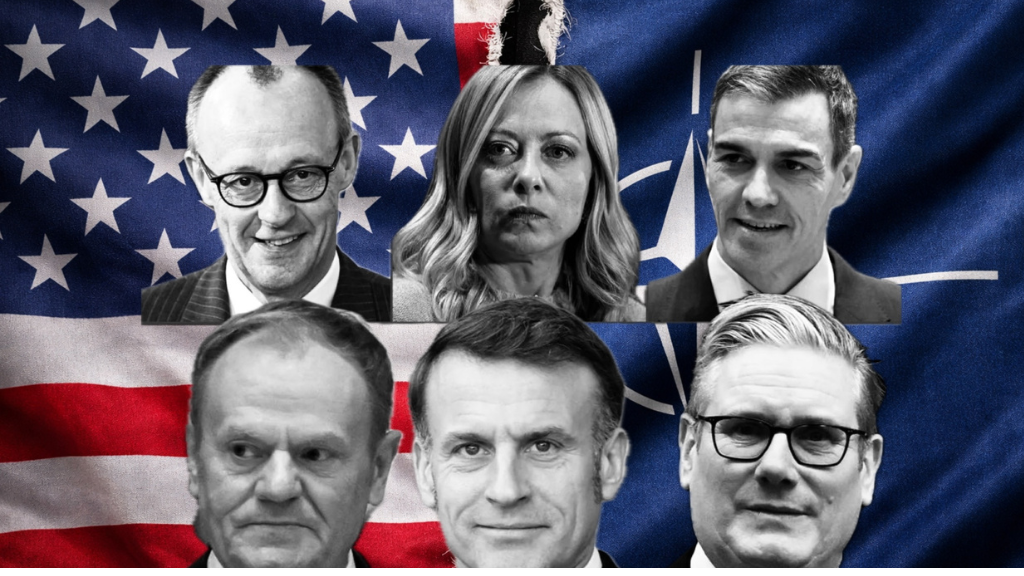
Together, Berlin and Paris increasingly present themselves as the core of a more capable European defense posture. Their cooperation signals an effort to balance two goals at once: staying anchored in NATO while developing the capacity to act more independently if necessary.
For smaller European states, Germany’s shift offers reassurance. A stronger Germany inside a multilateral framework reduces the burden on frontline countries while reinforcing the idea that Europe can take more responsibility for its own security.
At the same time, Germany’s rise as a defense actor changes internal power dynamics. Economic leadership is now being matched with strategic leadership, giving Berlin greater influence over the future direction of European security policy.
A Quiet Transformation
What stands out about Germany’s evolution is how understated it has been. There are no grand speeches about military glory or dramatic troop deployments. Instead, the change is happening through budgets, procurement contracts, infrastructure planning, and alliance commitments.
This quiet approach reflects Germany’s political instincts. Rather than projecting power symbolically, it is building it methodically. The transformation is structural, not theatrical.
And yet, its implications are profound. A Germany that sees security as its own responsibility rather than someone else’s task represents a major shift in Europe’s postwar order.
Looking Ahead
Germany’s new defense role is still taking shape. Challenges remain: recruitment shortfalls, industrial bottlenecks, and political disagreements could slow progress. But the direction of travel is clear.
The country is no longer content to be only Europe’s banker and factory. It is preparing to become one of its main guardians as well.
In doing so, Germany is redefining what leadership looks like in a fractured and uncertain world. Not through dominance or confrontation, but through presence, preparation, and partnership.
Europe’s defense is no longer just a matter of treaties and promises. It is becoming a matter of capacity. And Germany, once the continent’s most hesitant military actor, is positioning itself at the center of that effort.