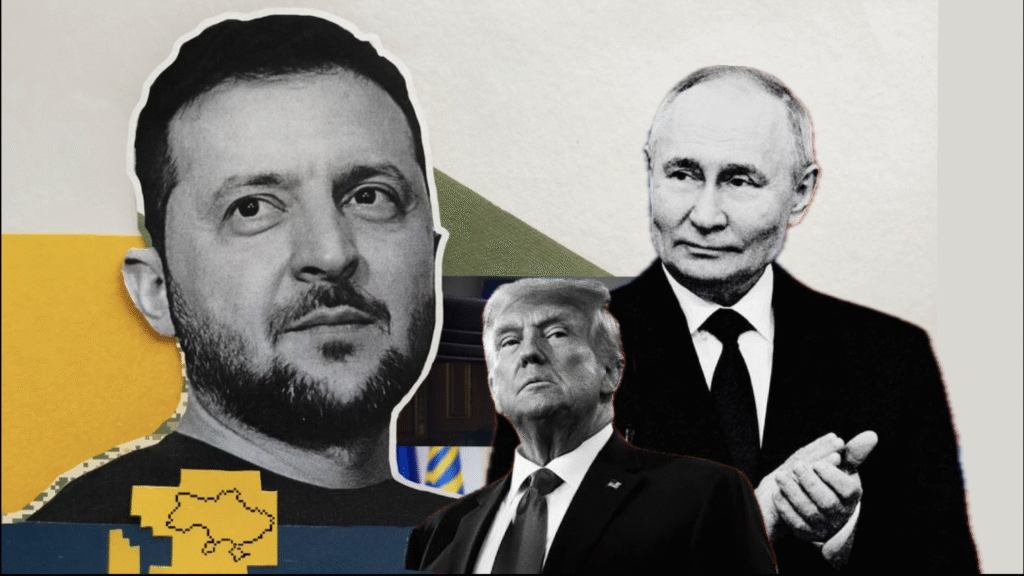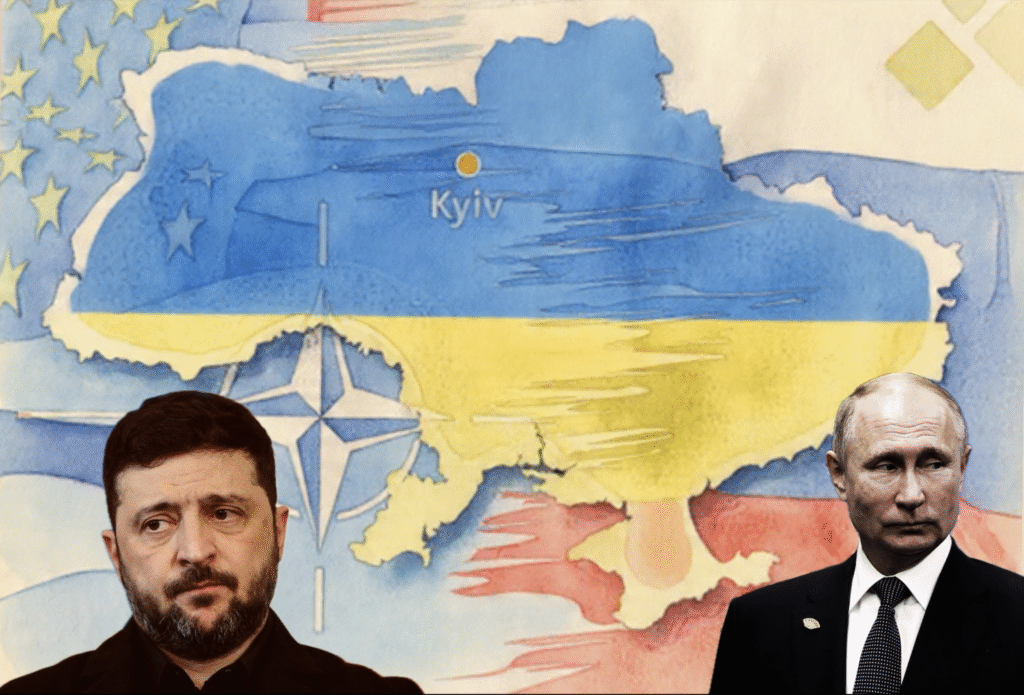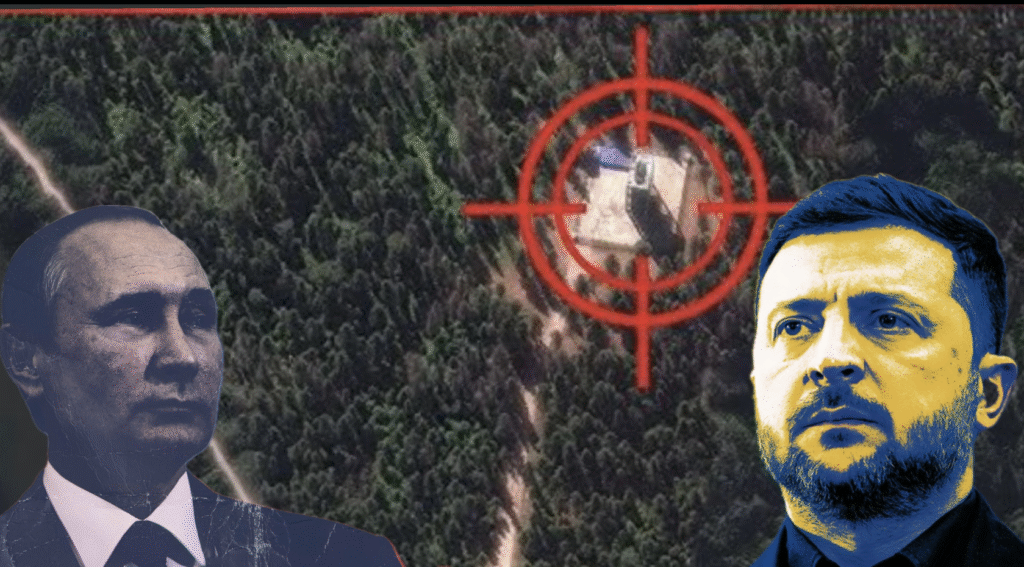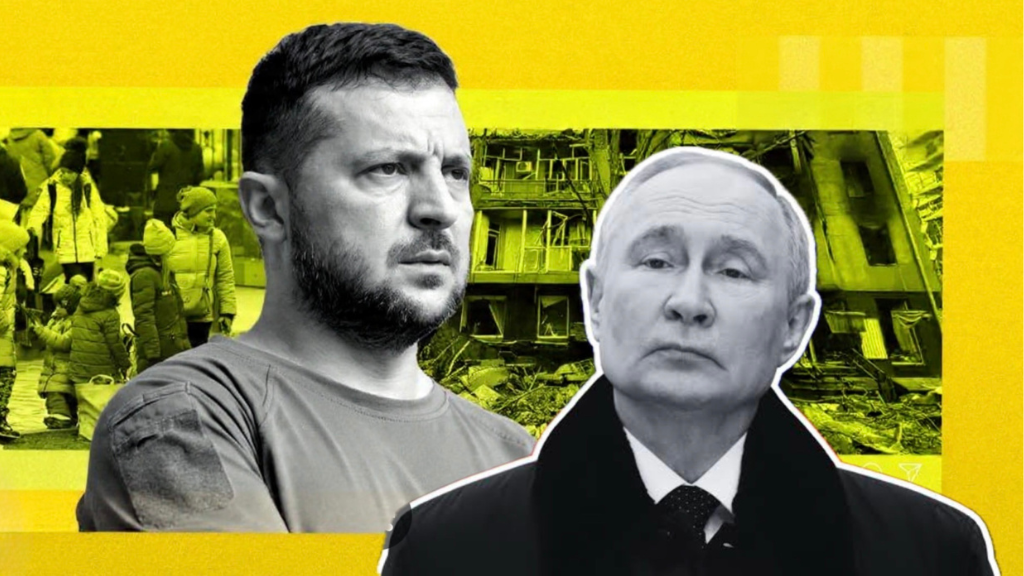
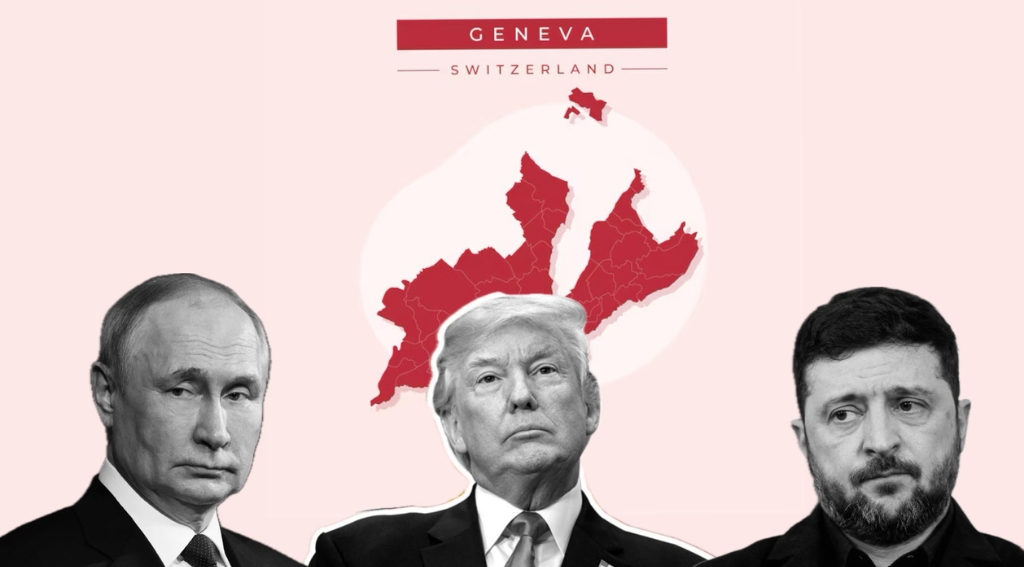
Diplomatic efforts to end the war in Ukraine are set to resume next week, as representatives from Russia and Ukraine prepare to meet in Geneva for a new round of negotiations brokered by the United States. Officials in both Moscow and Kyiv confirmed on Friday that the discussions will take place over two days, Tuesday and Wednesday.
Kremlin spokesperson Dmitry Peskov said the talks would go ahead as scheduled, according to Russian state news agencies. The announcement was later echoed in Kyiv by Dmytro Lytvyn, a communications adviser to Ukrainian President Volodymyr Zelenskyy.
The timing is symbolically heavy. The meeting comes just days before the fourth anniversary of Russia’s full-scale invasion of Ukraine in February 2022, and amid continued fighting across a front line stretching more than 1,200 kilometers. Russian missile and drone attacks on Ukrainian cities and energy infrastructure have continued almost daily, while Ukraine has stepped up long-range drone strikes on military and industrial targets inside Russia.
Previous Efforts Have Fallen Short
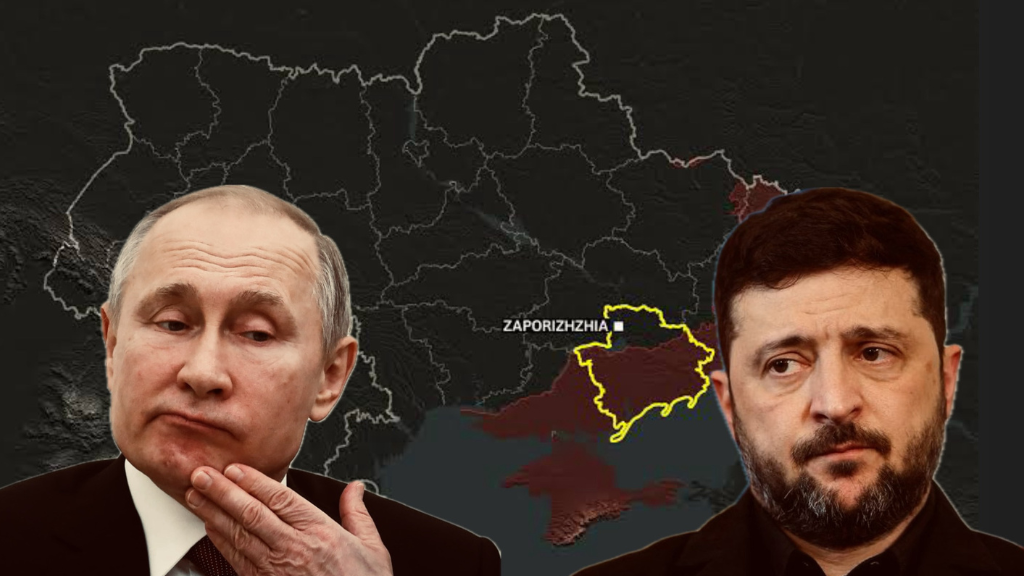
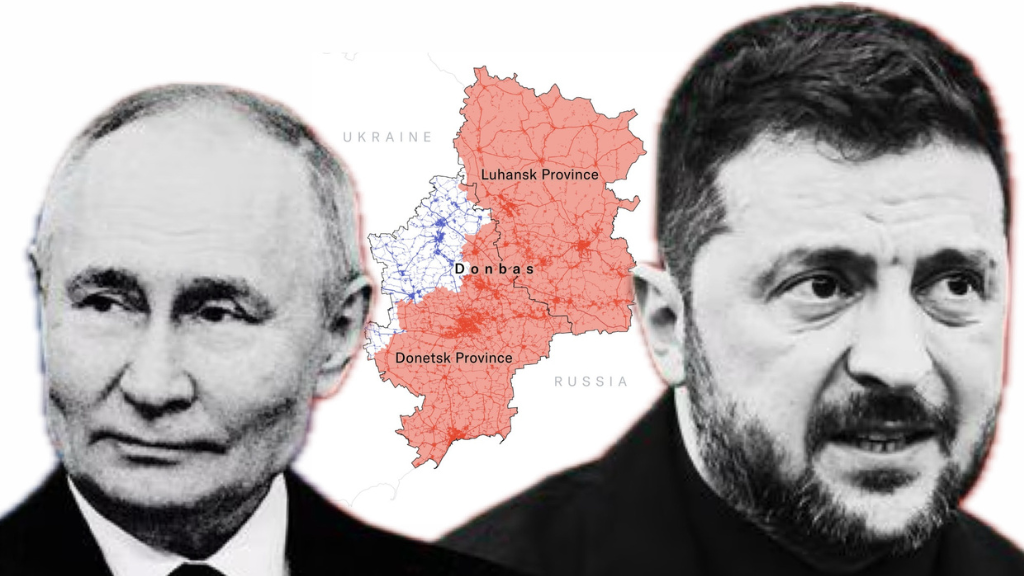
The upcoming Geneva talks follow earlier U.S.-facilitated meetings held in Abu Dhabi, which failed to bridge deep divisions between the two sides. Those discussions reportedly focused on military issues such as potential ceasefire monitoring mechanisms and the creation of buffer zones. However, core political disputes particularly over the status of eastern Ukraine’s Donbas region, much of which remains under Russian control have proven far harder to resolve.
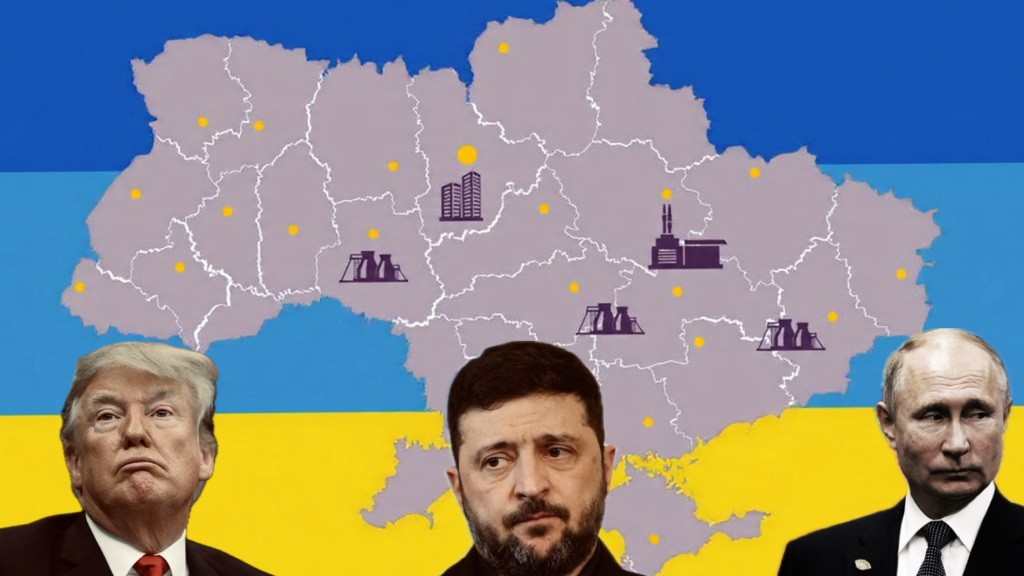
Zelenskyy said last week that Washington has urged both Moscow and Kyiv to reach some form of agreement by June. Similar timelines floated in the past by U.S. President Donald Trump did little to change the trajectory of the conflict, and skepticism remains high about whether the new round of talks can produce a breakthrough.
Zelenskyy in Munich
As news of the Geneva meeting emerged, Zelenskyy was in Munich, where he visited a newly established Ukrainian-German drone manufacturing facility. Germany has become one of Ukraine’s most significant military and financial backers since the war escalated, supplying air defense systems, armored vehicles, and ammunition.
Zelenskyy was also scheduled to take part in bilateral and multilateral meetings on the sidelines of the Munich Security Conference, an annual gathering of global political and military leaders. The forum has become a key platform for Kyiv to press its case for continued Western support as the war drags into a fourth year.
Battlefield Realities
Russia’s larger military has captured roughly one-fifth of Ukraine’s territory since fighting began in 2014, though advances since the 2022 invasion have been slow and costly. Heavy losses in personnel and equipment have tempered expectations of a rapid Russian victory.
NATO Secretary-General Mark Rutte, speaking in Munich, dismissed claims that Moscow is on the verge of winning the war. “The Russians are not winning as some are thinking,” he told reporters. “What we are seeing is slow movement, at enormous cost. It is not the image of a powerful, unstoppable force.”
Despite this, both sides remain locked in what military analysts describe as a war of attrition, with incremental gains coming at high human and material cost.
Negotiators Face Hard Choices
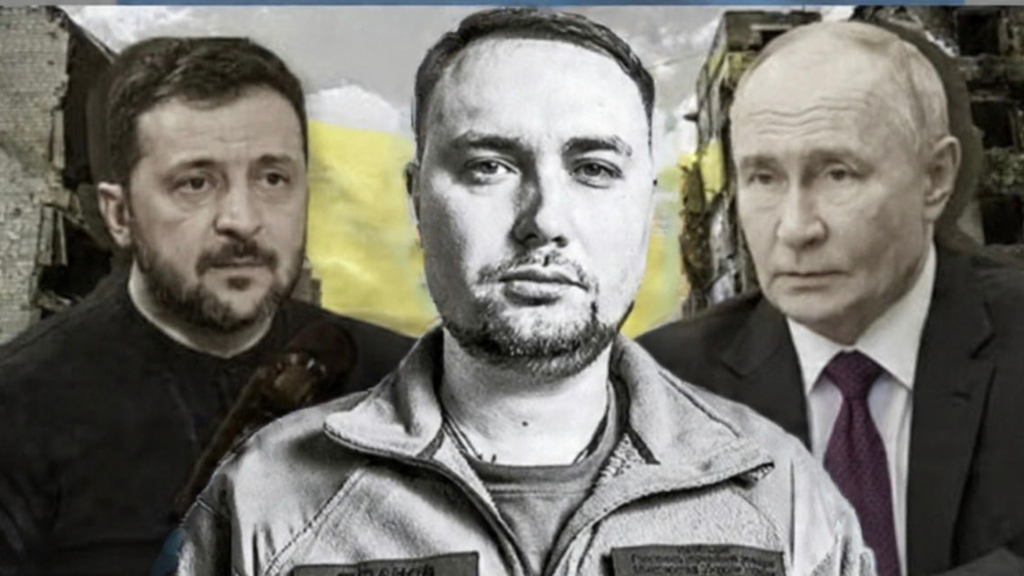
The Geneva talks will once again test whether diplomacy can keep pace with events on the battlefield. Russia’s delegation will be led by Vladimir Medinsky, an adviser to President Vladimir Putin, who previously headed Moscow’s negotiating team during the short-lived peace talks in Istanbul in March 2022.
Medinsky is closely associated with the Kremlin’s hardline stance on Ukraine and has publicly supported Russia’s maximalist demands, including territorial concessions and security guarantees that Kyiv has consistently rejected. His return to the negotiating table is widely seen as a signal that Moscow may push more forcefully on political issues rather than limit talks to technical military arrangements.
Ukraine’s delegation will again be headed by Rustem Umerov, secretary of the country’s National Security and Defense Council. Umerov has previously emphasized Ukraine’s refusal to cede territory and its insistence on international security guarantees.
It remains unclear which U.S. officials will attend the Geneva talks. During the Abu Dhabi meetings, Washington was represented by envoys Steve Witkoff and Jared Kushner, though no confirmation has yet been given about their participation this time.
Fighting Continues
Even as diplomats prepare to meet, violence has not eased. Overnight attacks highlighted the ongoing toll on civilians. In eastern Ukraine, a Russian strike killed three brothers aged between eight and nineteen, according to regional prosecutors. Their mother and grandmother were wounded in the same attack.
In the southern port city of Odesa, officials reported that one person was killed and six others injured after Russian missiles struck port facilities and energy infrastructure.
Meanwhile, Russia’s Defense Ministry said its air defenses intercepted 58 Ukrainian drones over several regions and annexed Crimea during the night. Forty-three of those drones were reportedly downed over the Volgograd region, where debris injured three people, including a 12-year-old boy. Ukrainian forces have recently targeted the Volgograd oil refinery as part of their campaign against Russian logistics and fuel supplies.
Uncertain Prospects
With the front line largely frozen and neither side showing signs of strategic collapse, expectations for the Geneva talks remain cautious. Analysts say the negotiations are more likely to focus on managing escalation than delivering a comprehensive peace agreement.
Still, the decision to convene another round of talks underscores a shared recognition in Washington, Moscow, and Kyiv that the war cannot be resolved by military means alone. Whether Geneva becomes a turning point or merely another pause in a grinding conflict will depend on how far both sides are willing or able to compromise.