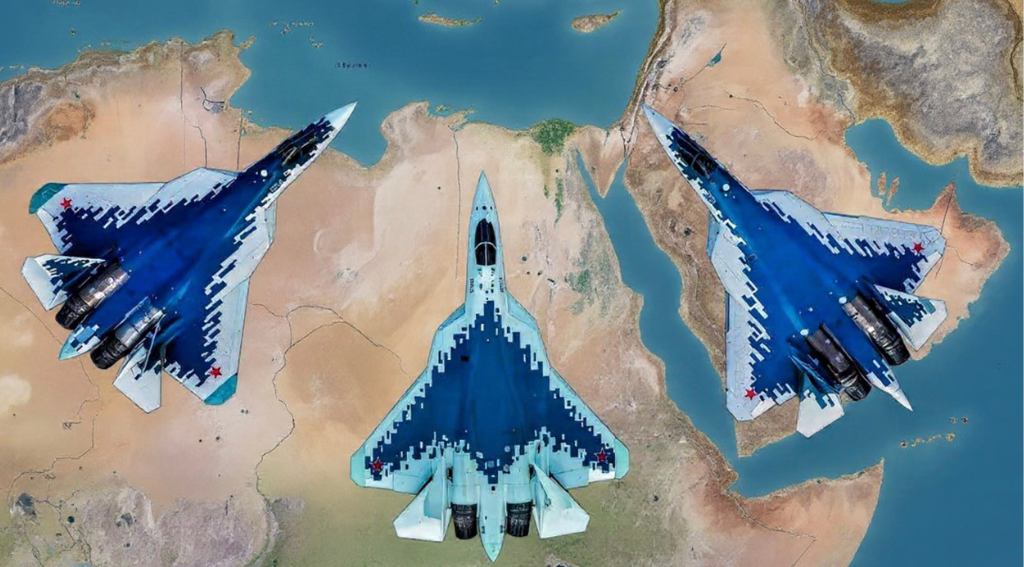
Russia’s confirmation that it has signed export contracts for its most advanced fighter jet has triggered a wave of speculation across defense and diplomatic circles. Speaking at the Innoprom industrial exhibition in Saudi Arabia on February 9, 2026, Russian Industry and Trade Minister Anton Alikhanov announced that agreements had been finalized for the Su-57E, the export version of Moscow’s fifth-generation stealth fighter.
Although Alikhanov declined to reveal the identity of the buyer, analysts quickly began narrowing down the list of possible customers. Among them, Iran has emerged as the most likely candidate, given its growing military cooperation with Russia and its urgent need to modernize an aging air force.
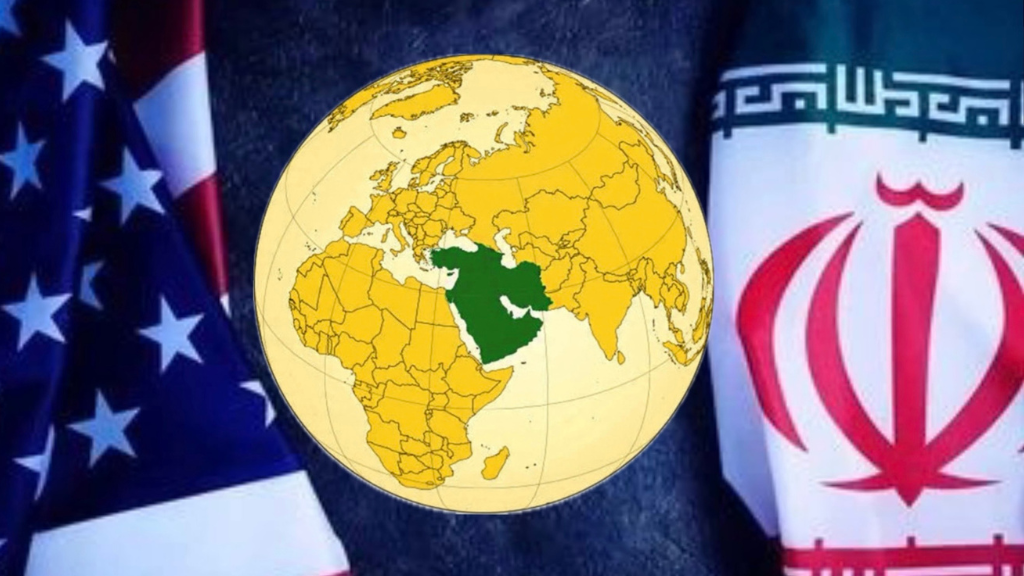
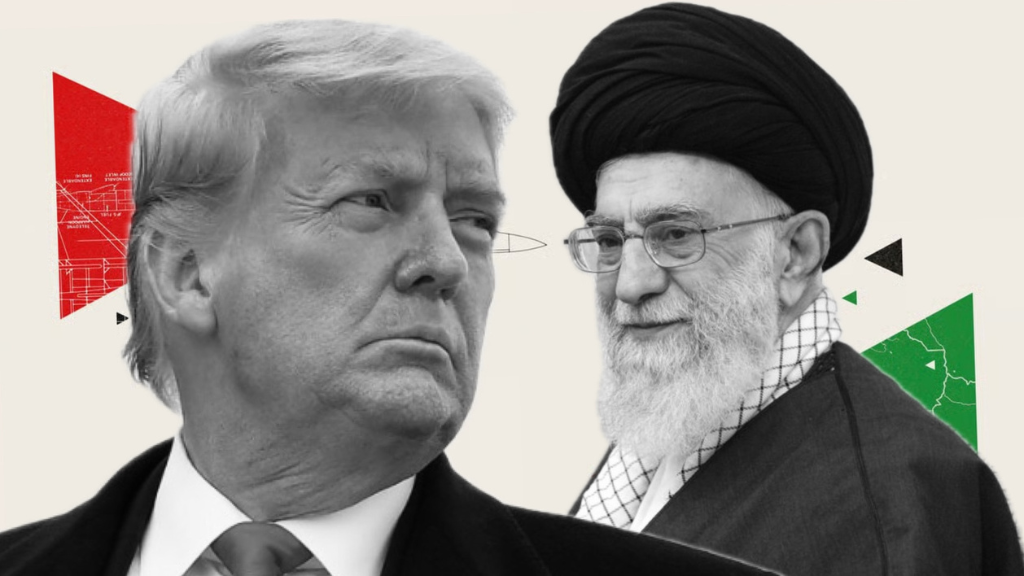
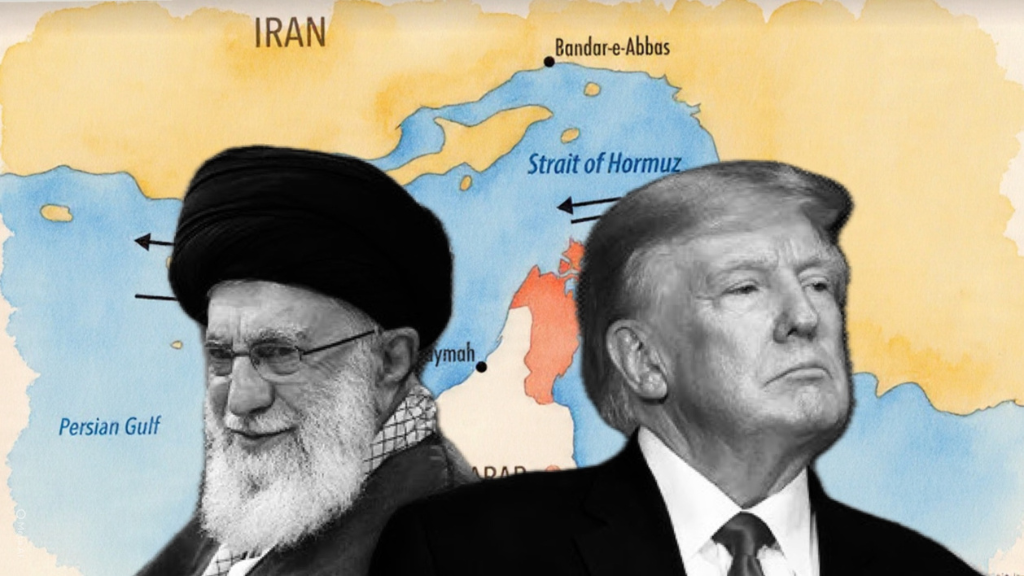
The timing of the announcement has only added to the intrigue. It comes as tensions in the Middle East remain high, with the risk of renewed confrontation between Tehran and Washington, as well as the ever-present shadow of Israeli air power in the region.
Why Iran Fits the Profile
Iran’s air force has long struggled with obsolescence. Much of its fleet still consists of aircraft acquired before the 1979 Islamic Revolution, including U.S.-made F-4 Phantoms and the once-cutting-edge F-14 Tomcat. These jets have been kept operational through domestic upgrades and cannibalized parts, but they are increasingly outmatched by modern Western aircraft deployed by Iran’s rivals.
Decades of sanctions have effectively shut Tehran out of Western defense markets. As a result, Russian and Chinese platforms remain among the few viable options for acquiring advanced combat aircraft. Recent reports suggesting that Moscow is already preparing to deliver Su-35 fighters to Iran have strengthened the argument that a follow-on deal for the Su-57 is not implausible.
If confirmed, such a purchase would be historic. It would make Iran the first Middle Eastern country to operate a fifth-generation stealth fighter outside the U.S. alliance system. More importantly, it would signal that Tehran is determined to narrow the technological gap with adversaries who currently dominate regional skies.
A Direct Challenge to Regional Air Superiority
At present, Israel holds a decisive edge in stealth aviation through its fleet of F-35 Lightning II fighters, widely regarded as the most advanced operational combat aircraft in the world. The United States, meanwhile, maintains its own formidable presence across Gulf bases and carrier groups.
The Su-57 is Russia’s answer to these aircraft. Designed to compete with American fifth-generation fighters, it combines stealth shaping, advanced radar and sensor fusion, thrust-vectoring engines, and the ability to fly at supersonic speeds without using afterburners. Russian officials have repeatedly claimed that the aircraft has been tested in real combat conditions, particularly in Syria and Ukraine, though Western analysts remain cautious about those claims.
For Iran, even a small fleet of Su-57s would represent a qualitative leap forward. It would complicate the planning of any future air campaign against Iranian targets, forcing adversaries to account for a platform that is harder to detect and more capable in air-to-air combat than anything currently in Iran’s inventory.
Symbolism Versus Strategic Reality
Still, the true impact of such a deal would depend on numbers. A limited purchase, perhaps a dozen aircraft would be more symbolic than transformative. It would send a political message of defiance against sanctions and demonstrate Tehran’s deepening alignment with Moscow, but it would not overturn the regional balance of power.
A larger acquisition, on the other hand, could begin to alter strategic calculations. It could encourage Iran to adopt more assertive air defense postures and potentially integrate the aircraft into long-range strike doctrines. Yet that scenario faces practical obstacles. Russia’s own production capacity is under strain due to wartime demands and export restrictions. Training Iranian pilots, establishing maintenance infrastructure, and integrating the jet into existing command systems would take years, not months.
Wider Geopolitical Consequences
The diplomatic fallout of a confirmed Su-57 sale would be immediate. Washington would almost certainly respond with tougher sanctions, while Gulf states might accelerate their own procurement of Western aircraft and missile defense systems. Israel, which closely monitors Iranian military developments, could push for expanded access to upgraded versions of the F-35 or other next-generation systems.
For Russia, however, the deal would serve a different purpose. It would showcase Moscow’s ability to remain a major arms exporter despite Western pressure and isolation. By supplying a high-end stealth aircraft to a non-Western partner, Russia would reinforce its role as an alternative security provider for states excluded from U.S. and European markets.
Air Power in a Changing Battlefield
Yet air superiority alone no longer defines modern warfare. Missiles, drones, cyber operations, and space-based surveillance now shape conflicts as much as fighter jets do. The Su-57 would undoubtedly strengthen Iran’s air force, but it would not grant Tehran dominance over the region’s skies.
What it would do is inject new uncertainty into an already volatile strategic environment. Questions remain unanswered: How many aircraft are involved? When would deliveries begin? And how would United States and its allies respond?
Until those details emerge, the possibility of Iran operating Russia’s most advanced fighter remains a powerful symbol of shifting alliances, of technological ambition, and of a Middle East where air power continues to evolve alongside broader geopolitical rivalries.
If the deal materializes, it may not rewrite the rules of war overnight, but it could mark the start of a new chapter in the region’s long struggle for control of the skies.