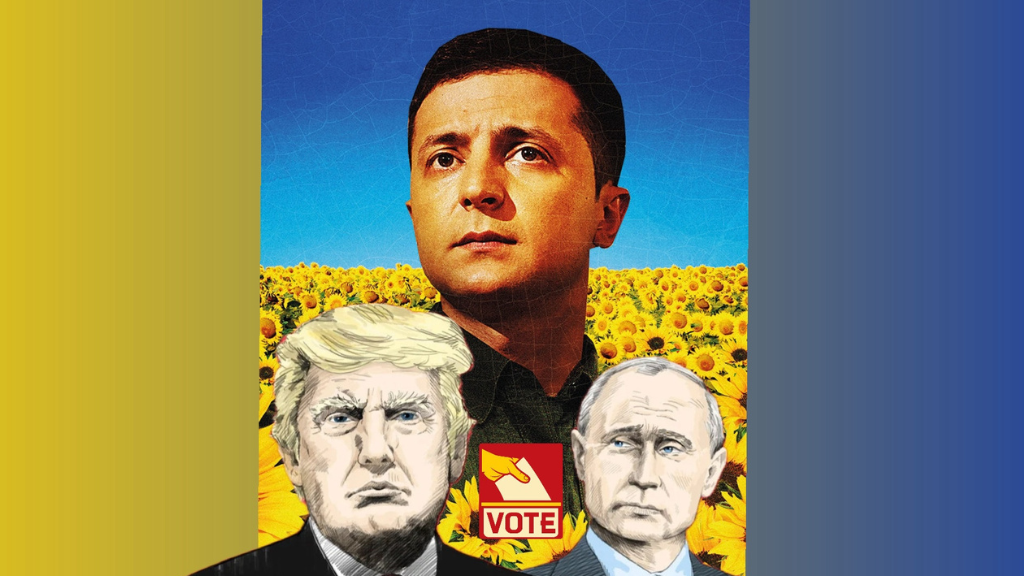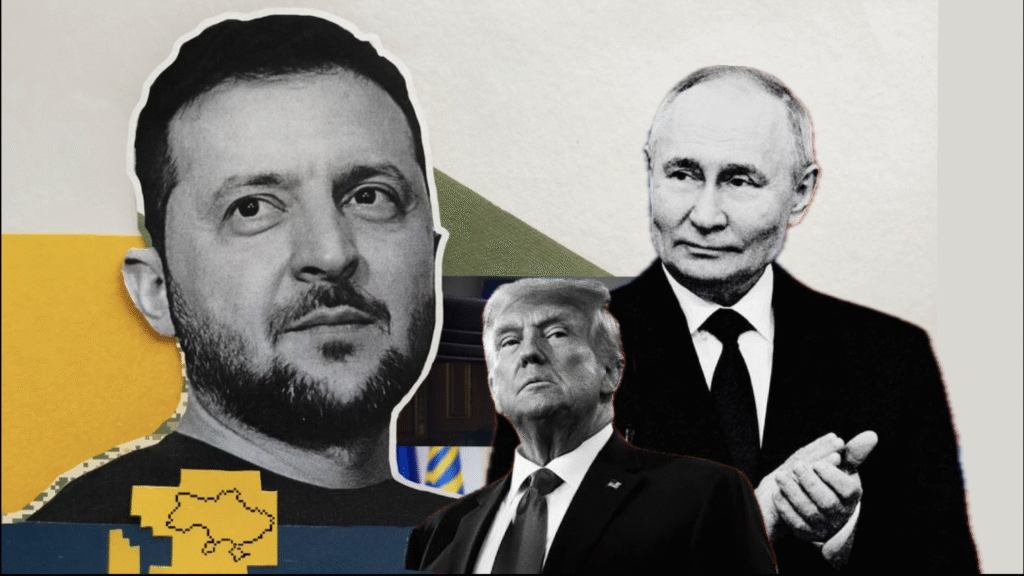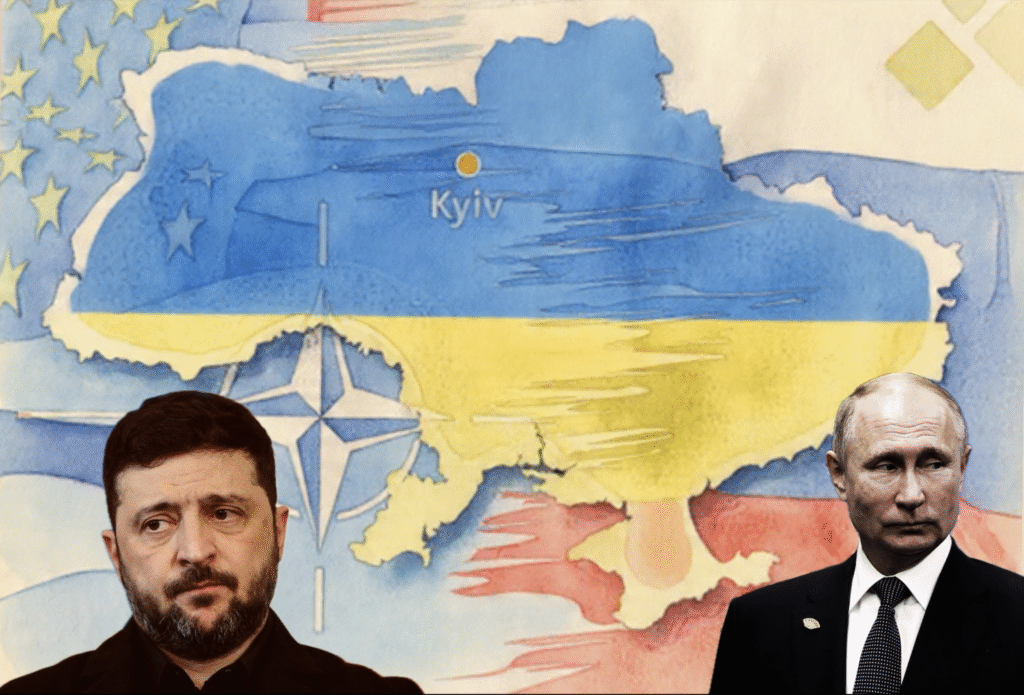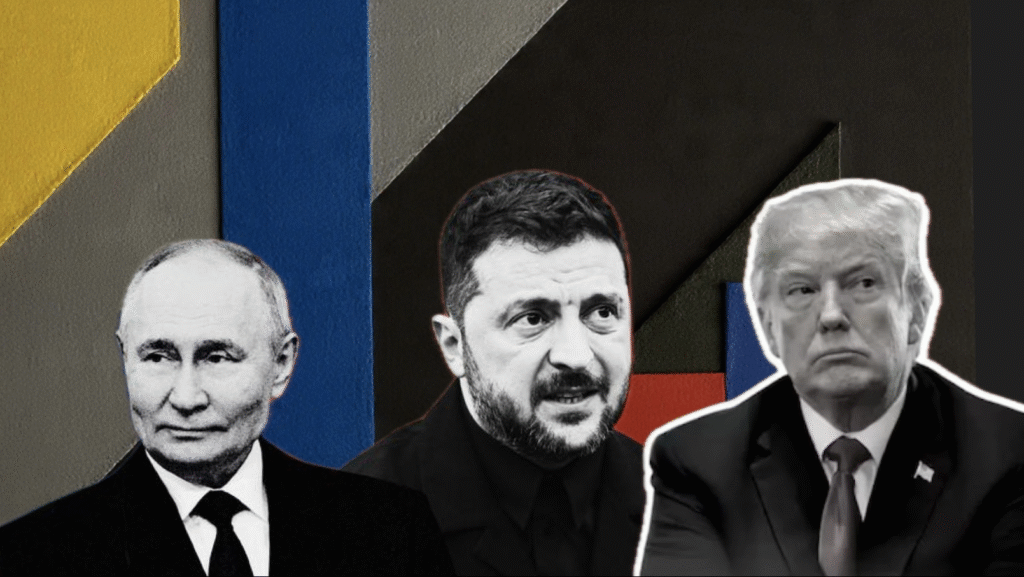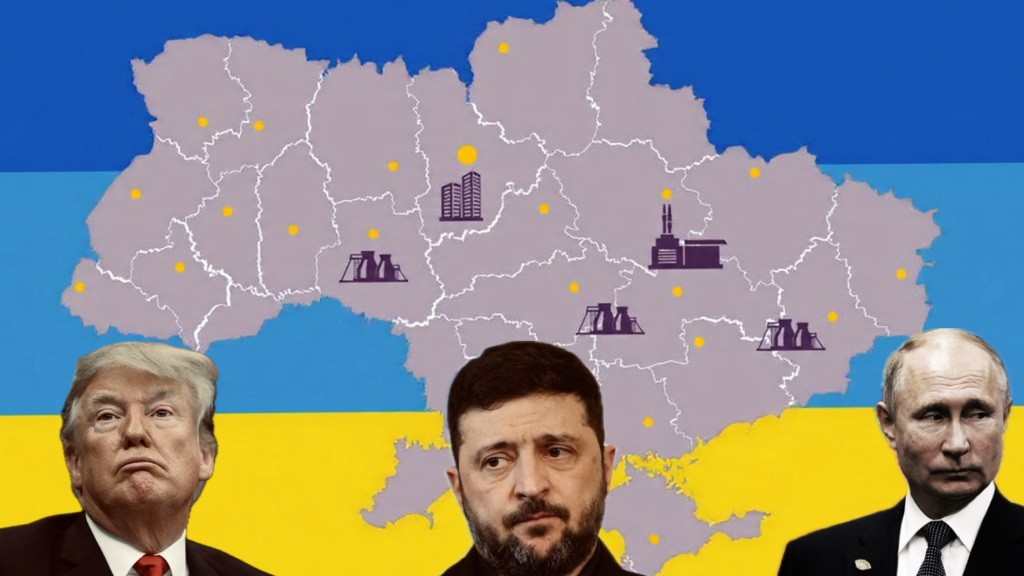
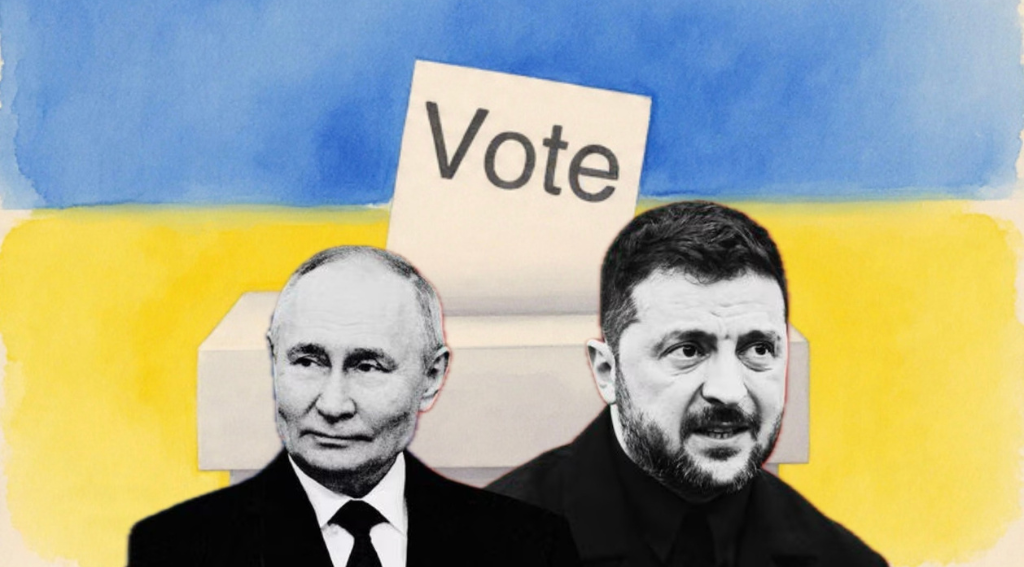
Ukraine is considering a political move that could reshape both its leadership and its path toward ending the war with Russia. President Volodymyr Zelensky is expected to announce plans for a presidential election to be held in the spring, alongside a nationwide referendum on the terms of a possible peace agreement with Moscow.
If carried out, the dual vote would place two defining choices before Ukrainian citizens at once: who should lead the country next and whether a negotiated settlement with Russia is acceptable. Such a pairing would be without precedent in Ukraine’s post-Soviet history, particularly while the country remains under wartime conditions.
Announcement Tied to a Symbolic Date
Officials in Kyiv are said to be preparing to reveal the outline of this proposal on February 24, marking three years since Russia launched its full-scale invasion in 2022. May is being discussed as a potential window for both the election and the referendum, though no official date has yet been confirmed.
The timing carries strong symbolic weight. Linking a vote on peace to the anniversary of the invasion would underline the government’s attempt to connect democratic choice with the war’s future direction.
Why Now?
Several pressures appear to be converging.
At home, the prolonged conflict has created growing calls for political clarity. Ukraine has remained under martial law since the invasion, postponing elections and concentrating power in the executive. While many citizens accept this as necessary during wartime, others argue that public participation in major decisions, especially those involving peace has become increasingly important.
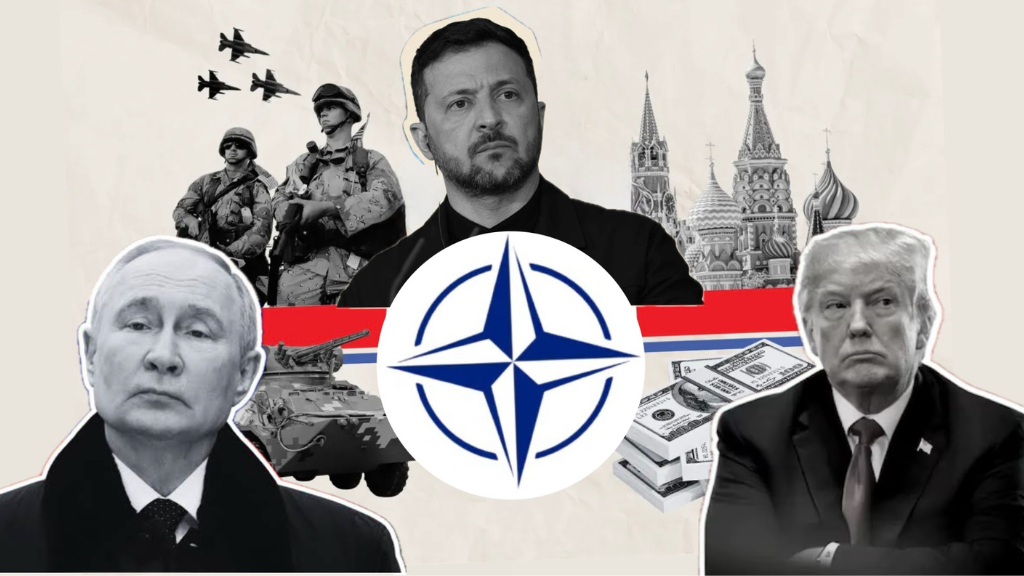
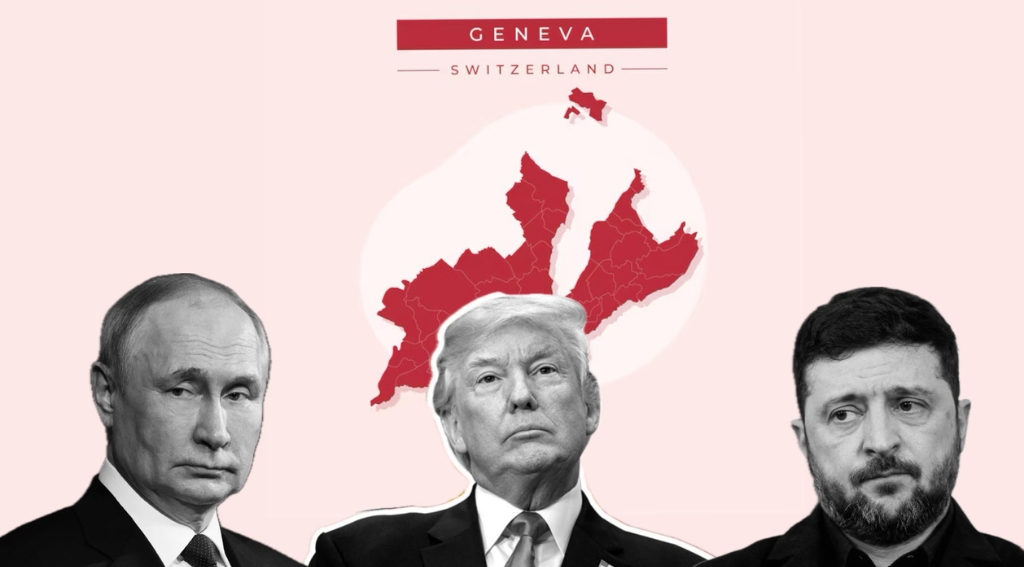
Abroad, diplomatic activity has intensified. Talks involving Ukraine, Russia, and international mediators have continued in various formats, raising cautious expectations that limited agreements or ceasefire arrangements might be possible. Kyiv’s leadership is now looking at how any breakthrough could be anchored in public approval rather than behind closed doors.
There is also a message being sent to Ukraine’s Western partners. A referendum would signal that any settlement with Moscow would require explicit popular backing, not just political consent from the government or pressure from foreign capitals.
Legal and Security Obstacles
Despite the political logic behind the proposal, practical and legal problems remain substantial.
Ukraine’s constitution restricts elections during martial law, meaning special legislation or legal amendments would likely be required before voting could take place. Organizing a nationwide ballot while Russian strikes continue presents even greater challenges.
Large parts of the population remain displaced, either inside Ukraine or abroad. Infrastructure in several regions has been damaged, and air raid warnings remain a daily reality. Ensuring secure polling stations and access for millions of voters would test the country’s electoral system under extreme conditions.
Public opinion is also divided. Some Ukrainians believe that holding elections during war would demonstrate resilience and protect democratic legitimacy. Others argue that voting should wait until a stable ceasefire is in place, fearing that campaigning during active conflict could deepen political tensions.
The Human Cost Driving Urgency
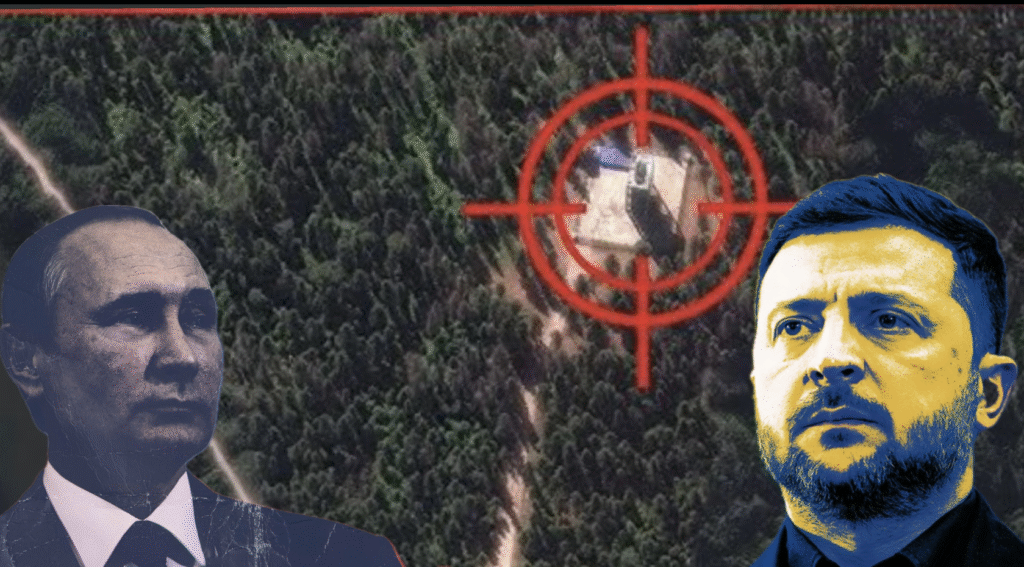
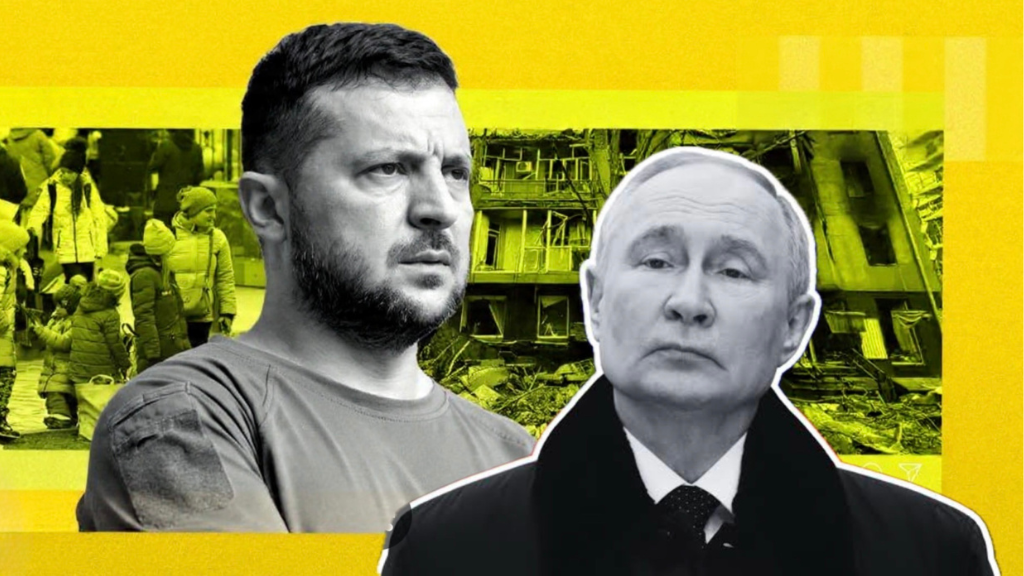
Recent attacks across eastern and southern Ukraine have again underscored the human cost of the war. Residential areas have been hit, killing civilians, including children, and injuring dozens more. Families continue to be uprooted, while frontline cities face near-constant pressure.
These realities have intensified debate over how long the war can continue and what form an eventual settlement might take. For many Ukrainians, the idea of voting directly on peace reflects exhaustion as much as strategy.
Diplomacy Continues in Parallel
Negotiations remain complex and fragile. Talks have focused on limited issues such as prisoner exchanges, humanitarian corridors, and the return of displaced children. Western governments, particularly in Europe and the United States, have reiterated that any deal must preserve Ukraine’s sovereignty and territorial integrity.
Some proposals reportedly include security guarantees and long-term restrictions on future military escalation, though no framework has yet gained broad acceptance.
An Uncertain Path Forward
Whether Ukraine ultimately proceeds with both an election and a peace referendum will depend on several moving parts: the progress of diplomatic talks, changes to martial law regulations, and the ability to guarantee safe participation for voters.
What is clear is that Kyiv is searching for a way to combine wartime leadership with democratic legitimacy. Attempting to settle both leadership and peace through the ballot box would be a risky experiment, but also a powerful statement.
As Ukraine approaches another anniversary of the invasion, the country stands at a crossroads. A decision to put peace and power to a popular vote could redefine how democracies navigate war or expose the limits of doing so under fire. Either way, the choice will carry consequences far beyond Ukraine’s borders.