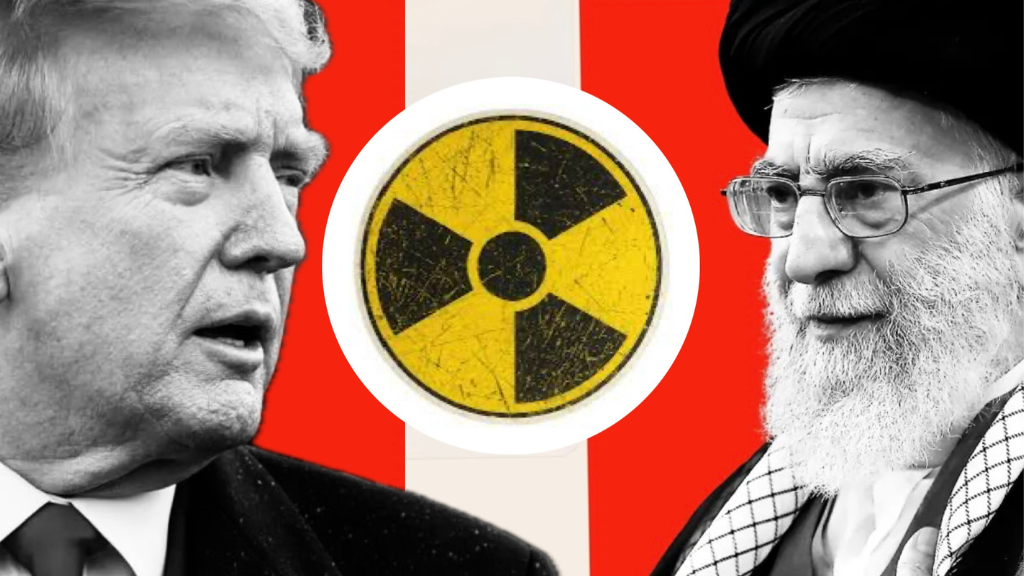
Senior officials from the United States and Iran have arrived in Oman for talks aimed at easing a crisis that has raised fears of a direct military confrontation between the two long-time adversaries.
The discussions follow a significant US military deployment to the Middle East, ordered after Iran’s violent suppression of nationwide anti-government protests last month. Human rights groups report that thousands of people were killed during the crackdown, deepening international alarm over the country’s internal stability.
Details of the talks remain unclear and are believed to involve indirect exchanges rather than face-to-face negotiations. Deep mistrust continues to divide the two sides, but diplomats hope the Oman meeting could lay the groundwork for a broader negotiating framework if progress is made.
Competing Agendas at the Table
Washington has made clear that it wants Iran to halt its nuclear programme and dismantle its stockpile of enriched uranium. US officials have also said any future agreement must address Iran’s ballistic missile capabilities, its backing of armed groups across the Middle East, and its human rights record.
Tehran, however, insists that the scope of the discussions should be confined strictly to nuclear issues. Whether this disagreement has been bridged remains uncertain.
Oman confirmed that its foreign minister met separately on Friday with Iranian Foreign Minister Abbas Araghchi and US special envoy Steve Witkoff, as well as with Jared Kushner, President Trump’s son-in-law and personal emissary. According to Muscat, the meetings focused on creating conditions for the resumption of formal diplomatic and technical negotiations.
From Collapsed Talks to Military Threats
The most recent round of nuclear talks between the two countries had been planned for June 2025 but collapsed after Israel launched a surprise attack on Iran.
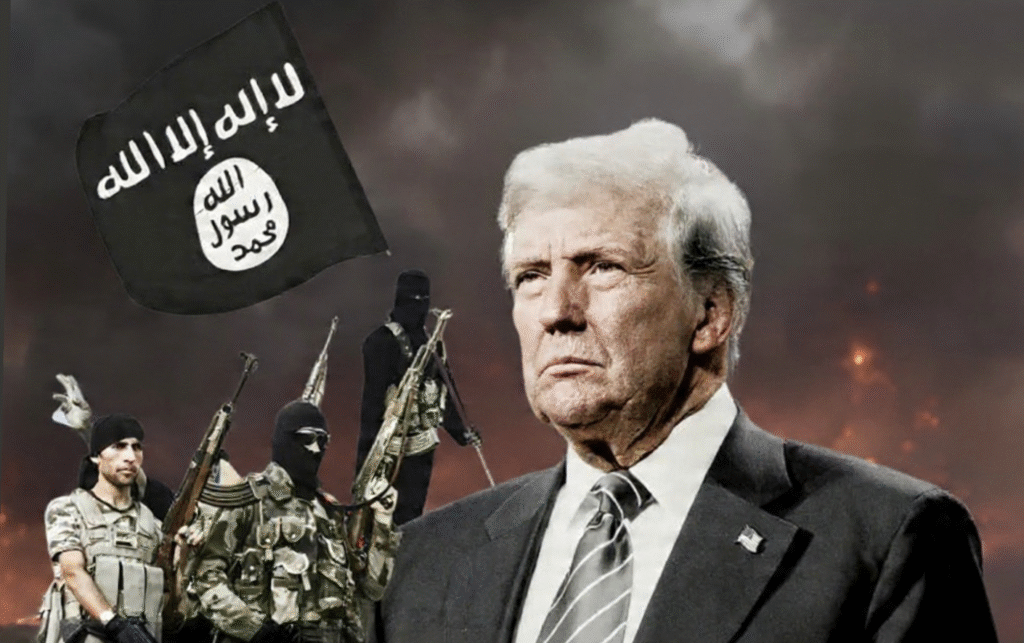
In recent weeks, President Trump has warned that military action could follow if no agreement is reached. The US has since reinforced its presence in the region, deploying thousands of additional troops alongside naval forces, including an aircraft carrier group and combat aircraft.
Iranian leaders have responded with their own warnings, saying any strike would trigger retaliation against US military bases in the region and against Israel.
Pressure on Iran’s Leadership
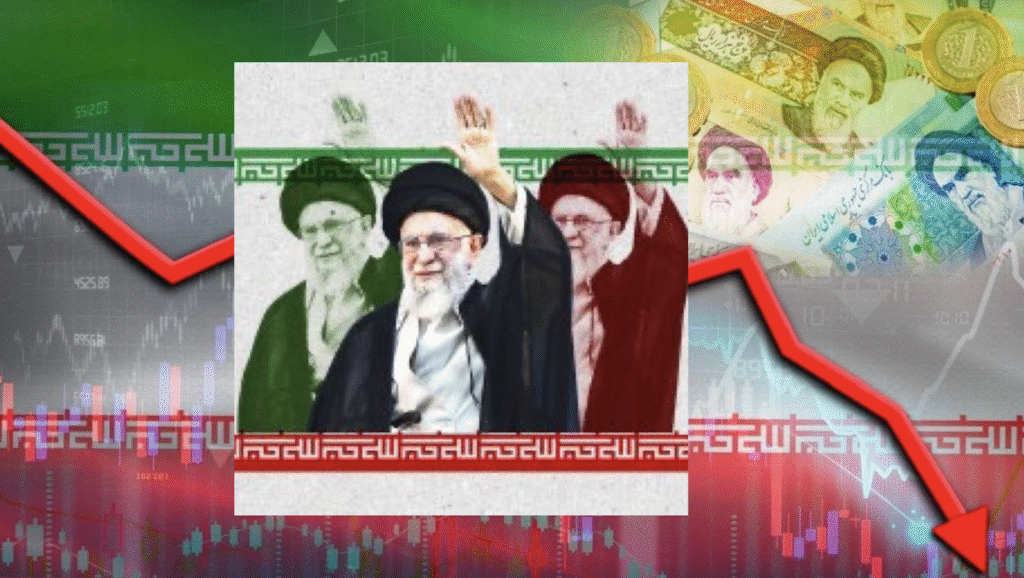
For Tehran’s leadership, the Oman talks may represent one of the last opportunities to avert military escalation. Analysts say the regime is under greater strain than at any time since the 1979 Islamic Revolution, weakened by economic collapse and widespread public anger.
The protests that erupted across Iran were initially sparked by worsening living conditions but quickly turned political, with demonstrators openly calling for the end of the Islamic Republic. The Washington-based Human Rights Activists News Agency reports at least 6,883 deaths and more than 50,000 arrests, cautioning that the real toll may be higher.
Nuclear Dispute Returns to Center Stage
The renewed crisis has once again brought Iran’s nuclear programme to the centre of international diplomacy. Tehran has long maintained that its nuclear activities are intended for civilian energy and medical purposes. The United States and Israel, however, accuse Iran of pursuing the capability to build nuclear weapons.
Iran argues it has the legal right to enrich uranium on its own soil and has rejected demands that its stockpile of highly enriched uranium estimated at around 400 kilograms be transferred abroad. Iranian officials say enrichment activities were halted following US strikes last year.
Limited Openings for Compromise
At the same time, Tehran has signalled limited openness to compromise. One proposal under discussion in earlier negotiations involved the creation of a regional uranium enrichment consortium, an idea that resurfaced before talks collapsed following Israel’s attack.
Iran has drawn a firm line, however, on its missile programme and regional alliances. It has dismissed US demands to curb ballistic missile development or end support for allied groups such as Hamas in Gaza, Hezbollah in Lebanon, militias in Iraq and the Houthis in Yemen—an alliance network it describes as the “Axis of Resistance.” Iranian officials say such conditions would amount to an infringement of national sovereignty.
Sanctions and the Domestic Stakes
On Tuesday, President Masoud Pezeshkian said he had instructed Foreign Minister Araghchi to pursue what he called “fair and balanced negotiations,” provided the political environment was suitable.
Iran is also expected to press for the removal of economic sanctions that have devastated its economy. Critics of the government argue that any sanctions relief would effectively prop up the clerical leadership at a moment of extreme vulnerability.
Washington’s Calculus and Regional Fears
From Washington’s perspective, the Oman meeting could offer President Trump a diplomatic exit from his recent threats of military action. Regional governments, however, have expressed concern that a US strike could spiral into a wider conflict or plunge Iran into prolonged instability. Several have warned that air power alone would be unlikely to bring down Iran’s leadership.
Asked whether Iran’s Supreme Leader, Ayatollah Ali Khamenei, should feel under threat, Trump told NBC News on Wednesday: “I would say he should be very worried. Yes, he should be.”
US Secretary of State Marco Rubio said that any meaningful outcome would require negotiations to go beyond the nuclear file alone. “I don’t know if a deal is possible with them,” he said, “but there’s no harm in trying to see if something can be done.”
A Fragile Diplomatic Opening
The talks were originally scheduled to take place in Istanbul under an initiative led by Egypt, Turkey and Qatar to defuse tensions. Iran requested a last-minute change of venue to Oman, which hosted earlier discussions, and asked that the meeting be limited strictly to Iranian and American representatives.
Whether the Oman talks will ease tensions or merely postpone confrontation remains uncertain. For now, both sides appear to be probing for a narrow path between diplomacy and war.