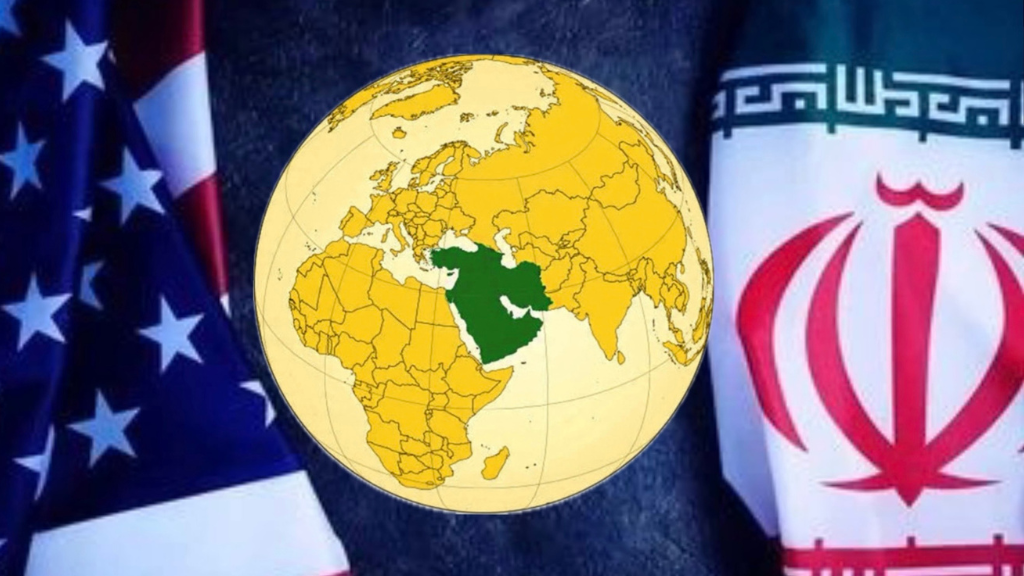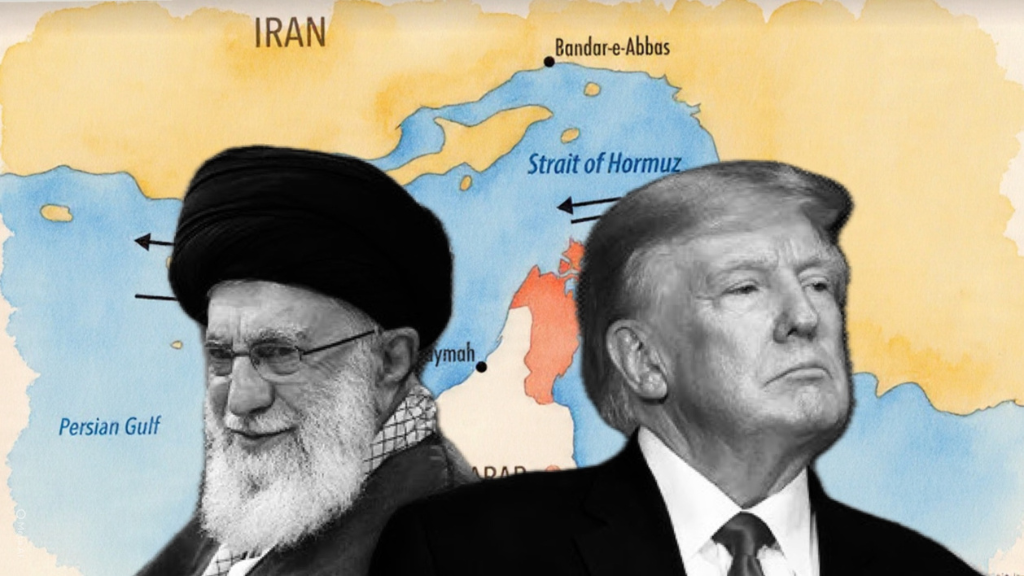
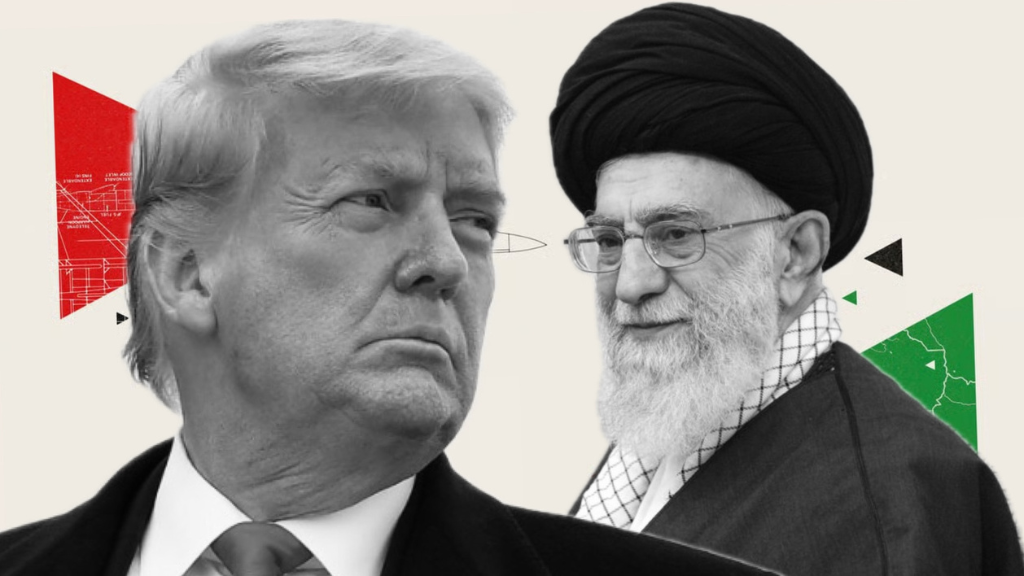
Relations between Washington and Tehran are sliding back into dangerous territory, raising fresh fears of a military showdown in the Middle East. U.S. President Donald Trump has warned Iran that it must accept a new nuclear agreement or face what he described as consequences “far worse” than previous American attacks. His remarks come as the United States expands its military footprint across the region, signaling that the warning is more than rhetorical.
The statement marks a new escalation in a long-running dispute over Iran’s nuclear ambitions, its regional influence, and the web of sanctions imposed by the United States. With troops and warships moving into position and public threats growing sharper, analysts say the standoff is entering one of its most perilous stages in years.
Naval Deployment Underscores U.S. Resolve
Washington has dispatched major naval assets to the region, including an aircraft carrier strike group centered on the USS Abraham Lincoln. Aircraft carriers function as floating airbases, capable of sustaining long-range operations without relying on land facilities. Their presence offers the U.S. both flexibility and leverage and serves as a visible reminder that military action remains an option.
Such deployments are often framed as deterrence, but they also increase the risk of confrontation. Advanced fighter jets, missile defense systems, and support vessels now operating nearby indicate that the U.S. wants Tehran to treat the threat seriously. Trump has said American forces are prepared to respond “quickly and decisively” if Iran refuses to engage in talks.
At the core of Washington’s position is the demand that Iran abandon any route toward acquiring nuclear weapons. U.S. officials argue that Iran’s expanding nuclear capabilities represent a threat not only to the region but to global security.
Tehran Pushes Back
Iranian leaders have dismissed the ultimatum, insisting they will not negotiate while under military and economic pressure. They continue to claim their nuclear program is strictly civilian, aimed at power generation and scientific research rather than weapons development.
Iran has also warned that any attack on its territory would provoke retaliation. Over the years, Tehran has strengthened its missile forces, drone programs, and ties to allied groups across the region, raising the prospect that any conflict could spread beyond its borders. Rather than yielding, Iranian officials appear intent on projecting defiance.
This exchange of threats has intensified worries about accidental escalation. When rival forces operate in close proximity and political language hardens, the chances of a misstep rise sharply.
Regional Anxiety Grows
Governments across the Middle East are following the situation with concern. While several Gulf states view Iran’s military posture with suspicion, they are equally anxious about the fallout of a major war. Cities, energy facilities, and transport networks could all become targets if hostilities break out.
The Strait of Hormuz remains a particular flashpoint. This narrow passageway carries a significant share of the world’s oil exports, and even limited disruption could send energy prices soaring and rattle financial markets worldwide.
Neighboring countries such as Turkey are also preparing for possible humanitarian consequences. Any large-scale conflict involving Iran could trigger refugee movements and further destabilize an already volatile region.
Pressure as Policy
Trump’s approach reflects his broader strategy of applying maximum pressure through sanctions, diplomatic isolation, and the threat of force in order to extract concessions. Supporters argue that sustained pressure is the only way to bring Tehran back to the negotiating table.
Critics, however, warn that this tactic could backfire. Iranian leaders may view compromise under threat as politically unacceptable, making de-escalation harder rather than easier. Instead of opening talks, pressure could entrench positions and narrow the space for diplomacy.
A Narrow Path Forward
Despite the aggressive language, diplomatic channels have not completely closed. International partners continue to urge restraint and dialogue, arguing that negotiation remains the only durable solution to the crisis.
For now, the confrontation remains unresolved. Military assets are in place, warnings have been issued, and trust between the two sides is minimal. Any incident whether involving naval patrols, airspace violations, or proxy forces could spiral rapidly.
The coming weeks may determine whether this standoff leads back to the negotiating table or slides into open conflict. The margin for error is thin, and the repercussions of a wrong move would extend far beyond the Middle East, affecting global security and energy markets alike.