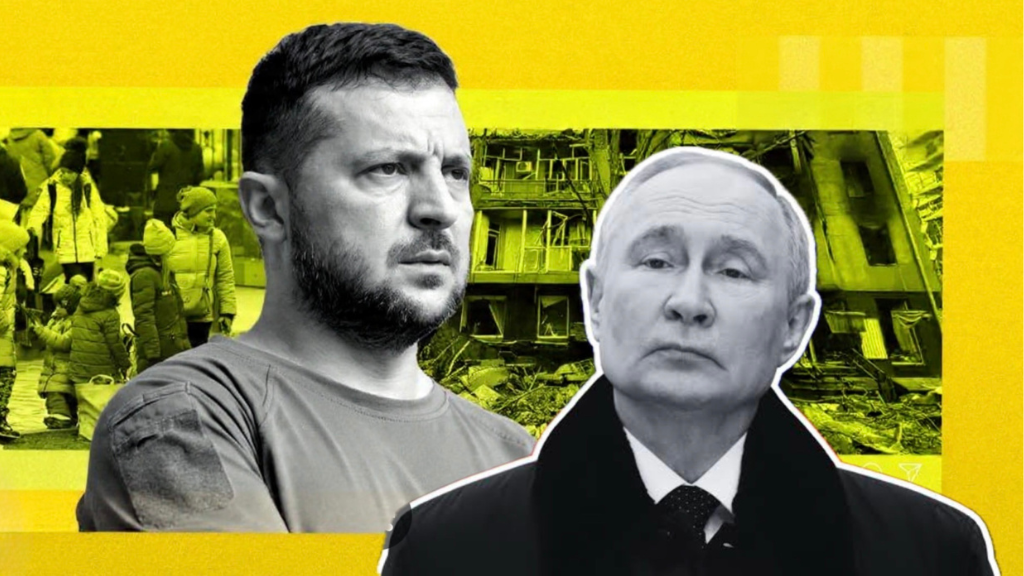
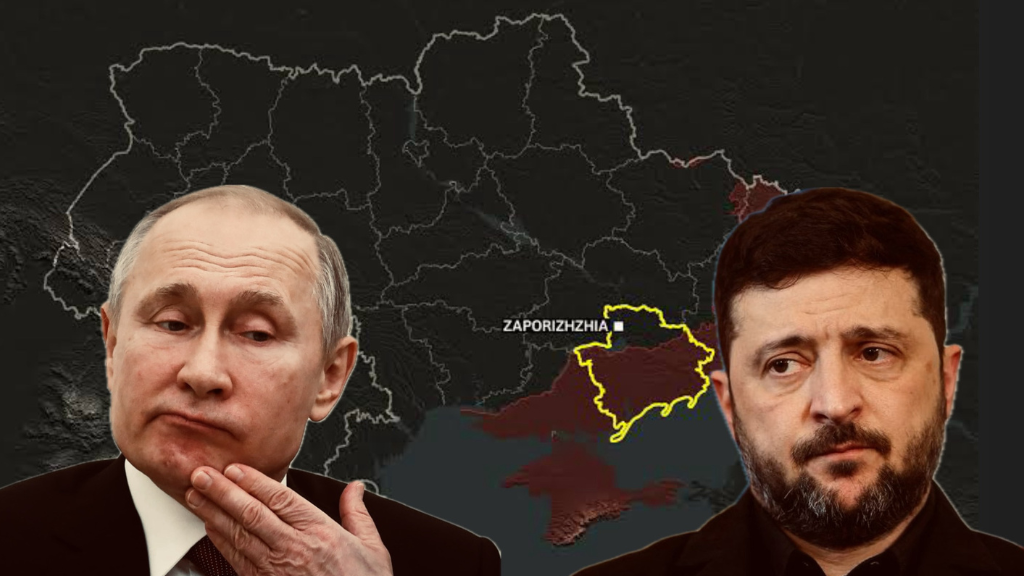
As diplomatic efforts to end the war in Ukraine continue, attention is increasingly turning to issues that go beyond ceasefire lines and security guarantees. Among them, the future of the Zaporizhzhia nuclear power plant has emerged as one of the most consequential and least resolved, questions in the peace process. Far from being a technical side issue, control over the facility carries strategic, territorial, and psychological significance for both Moscow and Kyiv.
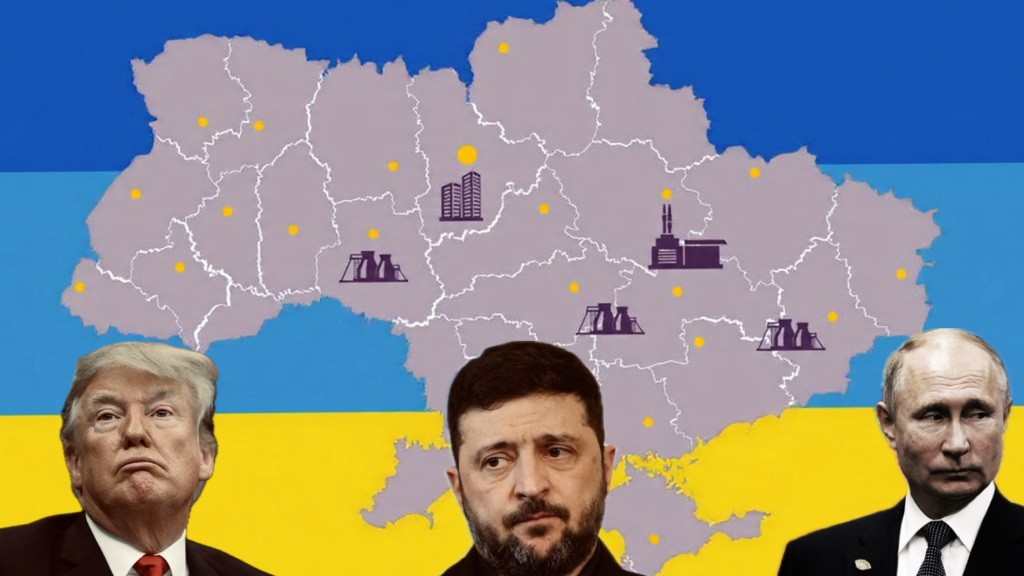
Zaporizhzhia, located in southern Ukraine, is Europe’s largest nuclear power plant. Before the war, it supplied nearly one-fifth of Ukraine’s electricity, making it central to the country’s energy security and economic stability. Since early 2022, the plant has remained under Russian control, transforming it from a civilian energy hub into a geopolitical pressure point that shapes negotiations far beyond the battlefield.
A Nuclear Facility in a War Zone
The plant is currently not producing electricity. All six reactors remain in cold shutdown, a state that halts power generation but still requires constant cooling to prevent overheating of nuclear fuel. Maintaining this condition depends on uninterrupted access to electricity, water, and skilled personnel, conditions that are increasingly fragile in an active conflict zone.
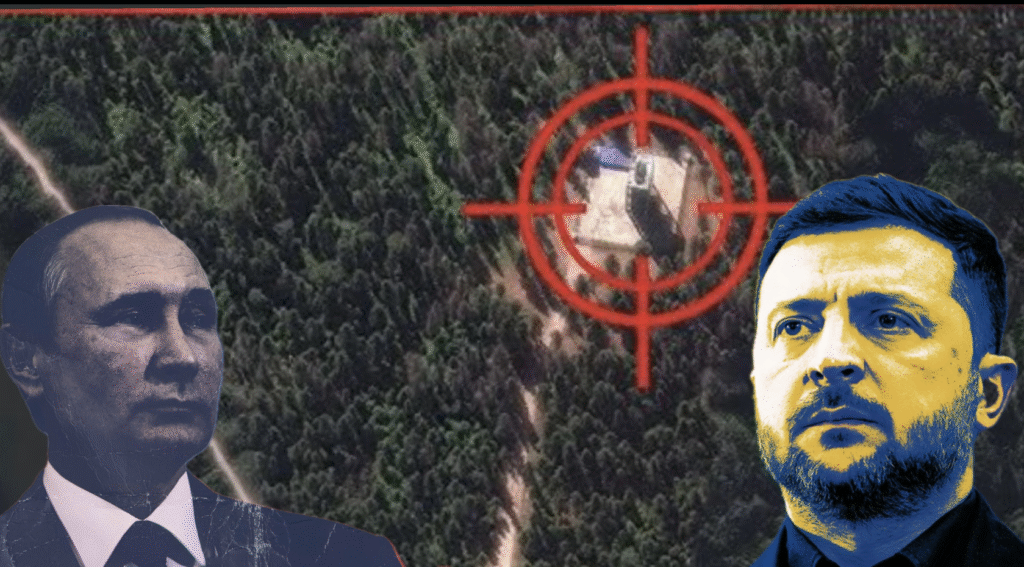
Large parts of the surrounding area are militarized, with fortifications and mined zones limiting access and complicating maintenance. Key infrastructure has suffered damage or degradation, and staffing levels are far below prewar norms. These factors collectively increase the risk of an accident, even without direct military strikes. While the reactors are of a different design than those at Chernobyl, the possibility of a serious incident remains a persistent concern for Ukraine, neighboring countries, and European institutions.
Competing Claims and Strategic Leverage
For Russia, holding Zaporizhzhia serves multiple objectives. Control over the plant strengthens Moscow’s territorial claims in southern Ukraine and reinforces its narrative of irreversible changes on the ground. The facility also offers long-term leverage: whoever controls Zaporizhzhia controls a critical component of Ukraine’s future energy system.
Ukraine, meanwhile, views the plant as both a stolen national asset and a security liability. Kyiv has consistently called for the demilitarization of the facility and its return to Ukrainian control. From Ukraine’s perspective, as long as foreign forces occupy the site, the risk of nuclear coercion, implicit or otherwise remains embedded in the conflict.
The disagreement is not limited to ownership. There is no consensus on how or when the plant could be safely restarted. Years of shutdown, damaged infrastructure, and unresolved legal questions mean that resuming operations would be a complex and time-consuming process. Any future restart would require extensive inspections, repairs, and international confidence in safety guarantees.
Limits of International Oversight
Proposals involving international supervision have circulated in diplomatic discussions, often placing emphasis on the role of global nuclear watchdogs. While such organizations can monitor conditions and report violations, they lack the authority to operate, license, or enforce political arrangements at nuclear facilities. Oversight alone cannot resolve disputes over sovereignty, military presence, or legal control.
This gap highlights a broader problem in the peace talks: technical solutions are being proposed for fundamentally political disagreements. Without a clear settlement on territory and security, no administrative framework for Zaporizhzhia is likely to hold.
A Global Stake in the Outcome
The implications of Zaporizhzhia extend well beyond Ukraine. The plant’s presence in an active war zone has unsettled European governments and reinforced fears about nuclear safety in times of conflict. At a moment when many countries are turning to nuclear energy as part of their climate strategies, a serious accident, regardless of cause would have far-reaching consequences for public trust and energy policy worldwide.
In this sense, Zaporizhzhia functions as both a physical and symbolic fault line. It reflects the risks of modern warfare intersecting with critical infrastructure, and it underscores how unresolved control over a single site can complicate an entire peace process.
More Than an Energy Issue
As negotiations continue, the future of Zaporizhzhia remains unresolved, yet unavoidable. It is not simply a question of electricity generation or technical safety. It is about territory, sovereignty, and leverage in a postwar order that neither side has yet fully defined.
Until the status of the plant is addressed directly rather than deferred through temporary arrangements, any peace agreement will rest on uncertain ground. Zaporizhzhia stands as a reminder that in this war, control over infrastructure may prove just as decisive as control over territory.