Claims that Washington deployed a “sonic” or directed-energy weapon during a recent operation in Venezuela have ignited intense debate among defense analysts, regional observers, and rival powers. At the center of the controversy are dramatic accounts from Venezuelan soldiers who say they were suddenly incapacitated during what has been described as a failed raid aimed at capturing President Nicolás Maduro. Washington has offered no confirmation, but the episode raises deeper questions about modern warfare, military credibility, and the politics of perception.
The Allegations and the Battlefield Account
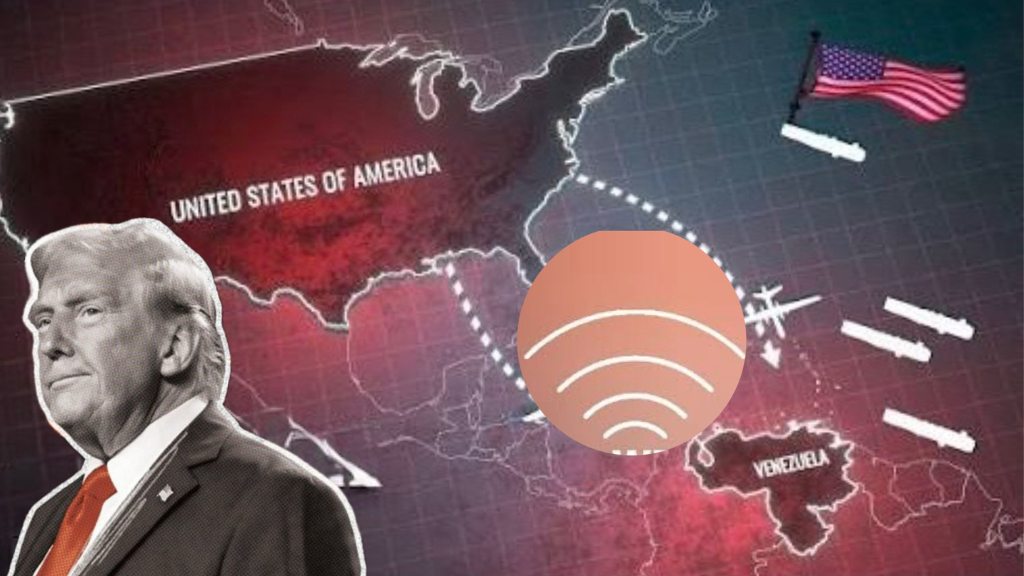
According to a witness account reported by the New York Post, Venezuelan troops experienced abrupt electronic failures, followed by severe physical distress. Soldiers described radar systems going dark, communications collapsing, and then a wave of symptoms—vomiting, nosebleeds, dizziness, and sudden loss of motor control. Within minutes, hundreds were reportedly incapacitated. The operation, they claim, involved a limited number of US personnel, drones, and helicopters, and resulted in no American casualties.
The most striking detail is the alleged mechanism: an invisible force, variously described as “sonic” or microwave-based, that disabled both equipment and people without a conventional firefight. If accurate, such an event would mark a significant moment in the evolution of non-kinetic warfare.
What Are Sonic and Directed-Energy Weapons?
The idea itself is not science fiction. For decades, militaries have explored directed-energy technologies—including high-power microwave (HPM) systems and acoustic weapons—to disable electronics, sensors, and communications. Unlike bombs or bullets, these tools are designed to paralyze systems rather than destroy them.
In the US, defense firms such as Epirus have developed platforms like the Leonidas system, a vehicle-mounted HPM emitter publicly described as a counter-drone and electronic defense tool. Officially, such systems are not intended to harm people. Yet scientific literature has long acknowledged that intense exposure to microwave or acoustic energy can produce physical symptoms: nausea, headaches, disorientation, and in extreme cases, bleeding or loss of motor coordination.
This overlap between documented effects and the symptoms described by Venezuelan soldiers has fueled speculation that some form of directed-energy technology may have been involved—intentionally or otherwise.
Contradictions That Complicate the Story
Despite its dramatic nature, the narrative contains significant inconsistencies. Most notably, Nicolás Maduro appeared unharmed in videos released shortly after the alleged incident. If a weapon capable of mass incapacitation had been deployed, it is unclear why the primary target showed no visible effects.
There is also a question of military logic. If the United States possesses a system that can instantly disable hundreds of enemy troops, why risk helicopters, special forces, and the political fallout of a failed capture? A truly effective non-kinetic weapon would, in theory, reduce the need for risky ground operations altogether. These contradictions suggest either that the weapon’s effects were far more limited than claimed—or that it was never used in the way described.
The Russia and China Question
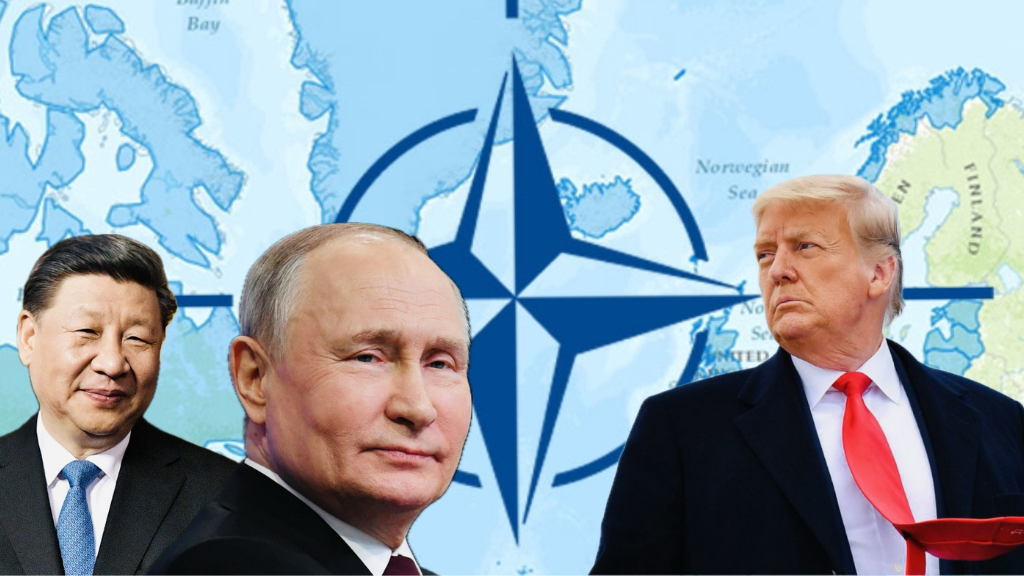
The allegations have attracted particular attention in Moscow and Beijing. Both countries closely track US military innovation, and a confirmed human-affecting directed-energy weapon would represent a meaningful shift in warfare.
Yet this is where the story becomes even more puzzling. The United States faces far higher-stakes confrontations elsewhere: supporting Ukraine against Russia, managing tensions with Iran, and navigating an increasingly volatile relationship with China over Taiwan and the South China Sea. If Washington truly had a reliable means of incapacitating enemy forces at scale, its absence from these theaters is conspicuous.
Analysts point to several possible explanations. The technology may be highly situational, effective only at short range or under controlled conditions. Its legal status under international humanitarian law is also murky; overt use against humans could provoke global backlash and accelerate counter-development by rivals. In such a context, restraint may be as strategic as capability.
Psychology, Narrative, and Power
Another reading is less about hardware and more about storytelling. For Venezuelan security forces, attributing failure to a mysterious US weapon diverts attention from operational weaknesses, morale problems, or intelligence lapses. For international audiences, the tale reinforces an image of American technological dominance, even in the absence of proof.
In modern geopolitics, perception often travels faster than facts. Stories of invisible, non-kinetic weapons introduce uncertainty, forcing adversaries to plan for worst-case scenarios. Whether true or not, the narrative itself becomes a tool of influence.
Fact, Exaggeration, or Strategic Messaging?
So far, there is no independent verification of the Venezuela claims. No satellite evidence, no medical documentation, and no official acknowledgment support the idea that a sonic or microwave weapon was used. What remains is a mix of testimony, speculation, and strategic imagination.
Whether this episode offers a glimpse into the future of warfare or simply reflects an exaggerated account shaped by political needs, its impact should not be dismissed. Russia and China are paying attention, and in an era of great-power competition, even unproven claims can shape strategic calculations. In that sense, the story matters—regardless of where the truth ultimately lies.