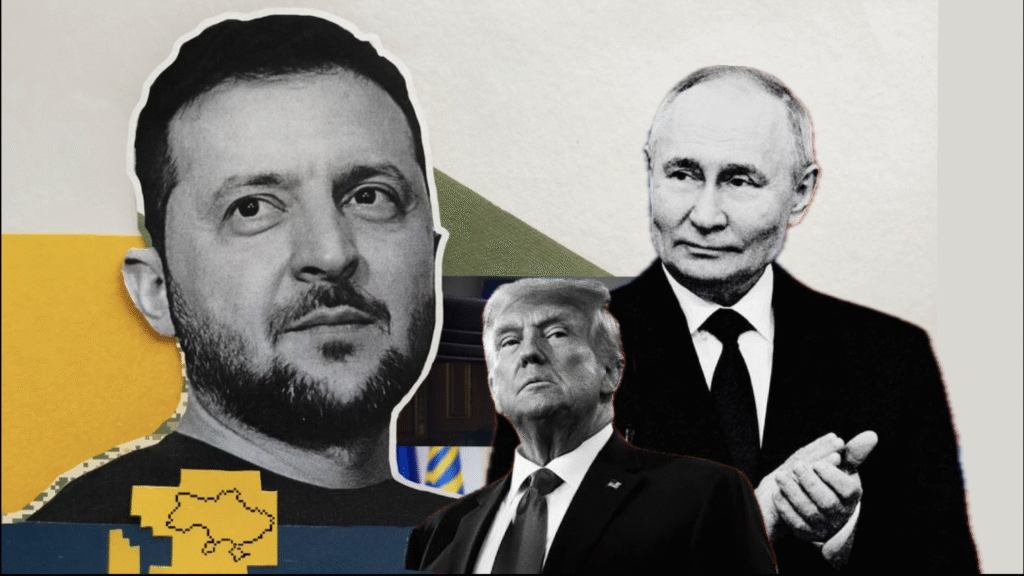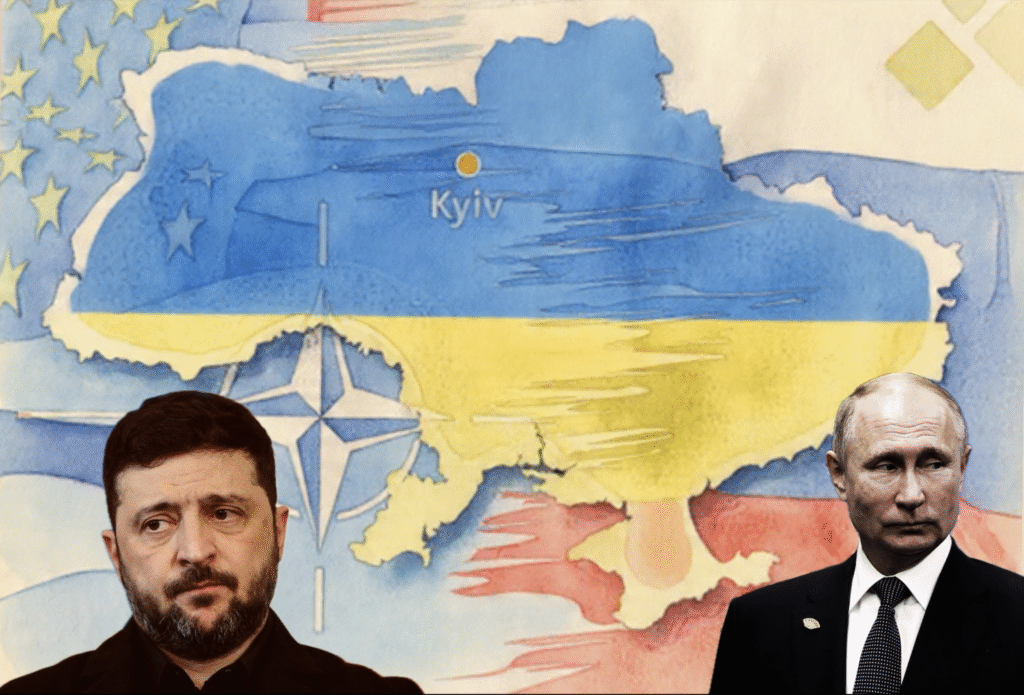
Russia’s rejection of the U.S.-supported 20-point peace framework for Ukraine underscores how far apart the warring sides remain, not only on the terms of a settlement but on the very meaning of “peace” itself. While Western officials describe the plan as a pragmatic attempt to prevent a repeat of past failures, Moscow views its core provisions as a blueprint for entrenching Western military power on Russia’s doorstep. The clash reveals a deeper strategic impasse that diplomacy alone has yet to bridge.
What the 20-Point Plan Is Really About
The 20-point proposal is not a narrow ceasefire document. It is a broad political and security framework, refined from earlier drafts circulated over the past year, aimed at shaping Ukraine’s post-war future as much as ending active hostilities. Alongside reconstruction aid, economic stabilization measures, and monitoring mechanisms to enforce a ceasefire, the plan places heavy emphasis on long-term security guarantees for Kyiv.
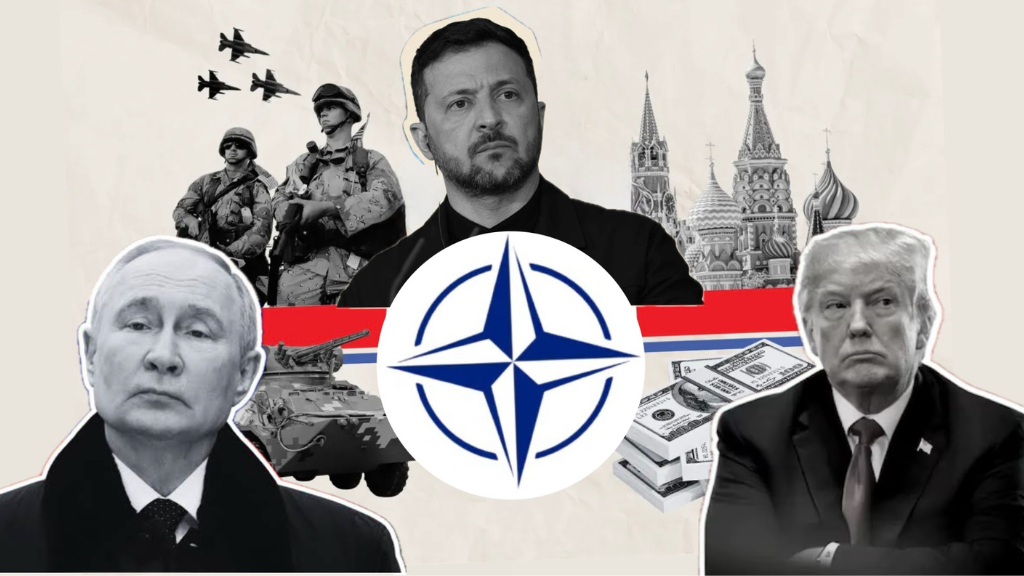
These guarantees are the most contentious element. They include sustained military assistance to rebuild and modernize Ukraine’s armed forces, a European-led multinational peacekeeping presence following a ceasefire, and automatic sanctions triggers should Russia resume military operations. A U.S.-backed monitoring and verification system would oversee compliance, embedding Western oversight into the post-war order.
Political momentum behind these ideas was reinforced at a January 6, 2026 meeting in Paris of the so-called “Coalition of the Willing,” which brought together roughly 30 countries, primarily European states, alongside Ukraine and the United States. Participants framed peacekeeping forces and continued defense cooperation as safeguards against renewed conflict, arguing that stability requires more than paper guarantees.
Moscow’s “Axis of War” Argument
Russia’s response has been blunt and uncompromising. Foreign Ministry spokeswoman Maria Zakharova dismissed the proposed security arrangements as an “axis of war,” accusing Washington and its allies of using peace talks to institutionalize Western military influence in Ukraine.
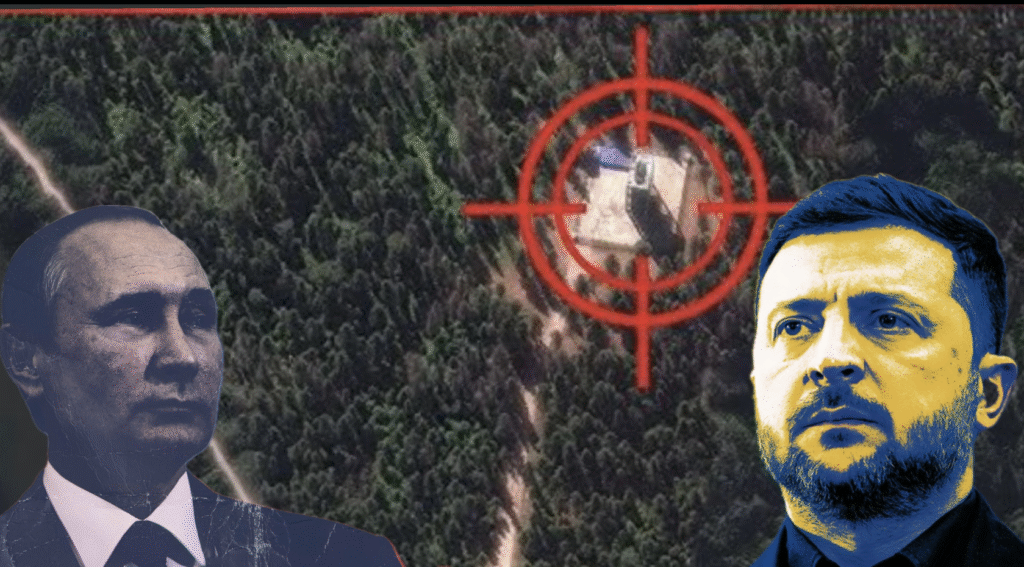
From Moscow’s perspective, the distinction between NATO deployment and a European-led peacekeeping force is largely cosmetic. Zakharova warned that any Western military presence on Ukrainian territory, whether labeled as peacekeepers, trainers, or logistical support, would constitute foreign intervention and be treated as a direct threat to Russian security. Such forces, she said, would be regarded as legitimate military targets.
This rhetoric is not new, but its tone reflects how central the issue of security guarantees has become. For Russia, the plan confirms long-standing fears that the war’s outcome is being used to reshape Ukraine into a permanent Western military outpost, regardless of whether NATO membership is formally granted.
Russia’s Red Lines Remain Intact
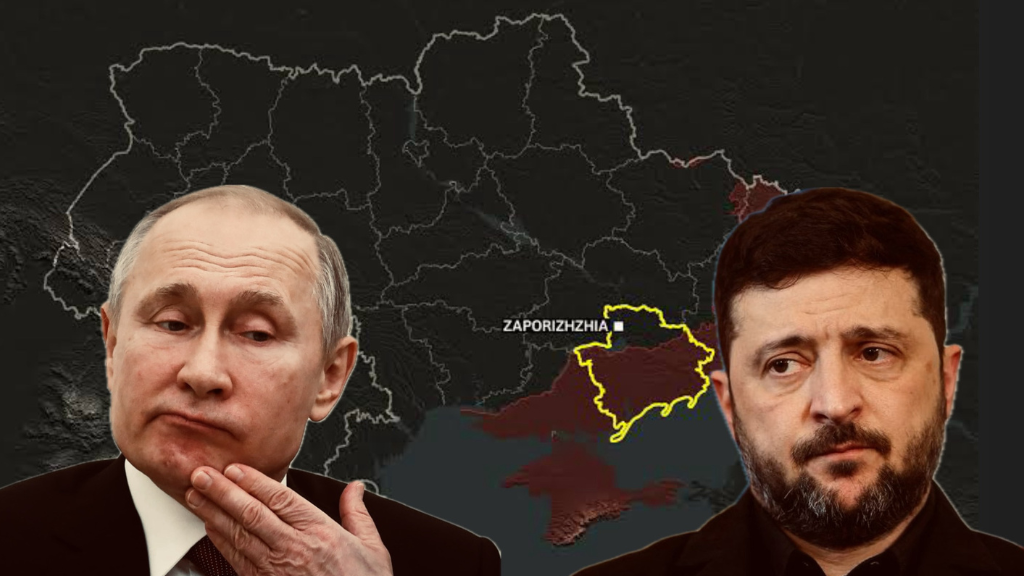
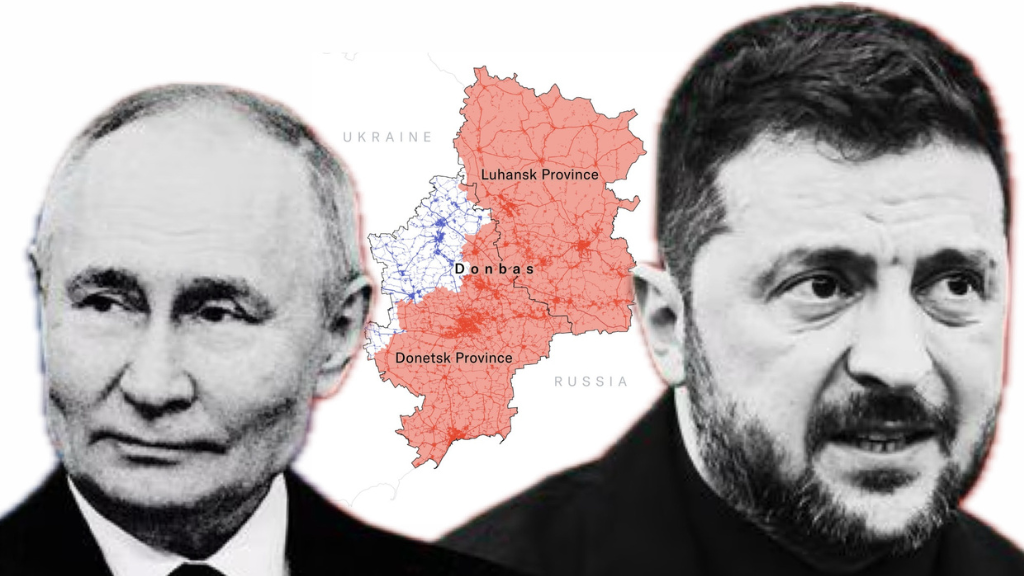
The rejection of the 20-point framework aligns closely with Russia’s stated conditions for any settlement. Moscow continues to demand Ukraine’s permanent neutrality, an explicit rejection of NATO membership, and international recognition of territorial changes resulting from Russian military actions since 2014 and the full-scale invasion in 2022.
Crucially, Russia insists that any agreement must address what it calls the “root causes” of the conflict, a phrase that, in Kremlin discourse, encompasses Western military support for Ukraine. Security guarantees designed to strengthen Ukraine’s defenses are therefore viewed not as stabilizing measures, but as mechanisms that lock in confrontation under the guise of peace.
Why the West Sees Guarantees as Non-Negotiable
Western and Ukrainian officials, however, draw the opposite conclusion from recent history. In their view, Ukraine’s vulnerability after earlier diplomatic arrangements stemmed precisely from the absence of credible deterrence. Political assurances without enforcement mechanisms, they argue, failed to prevent renewed aggression.
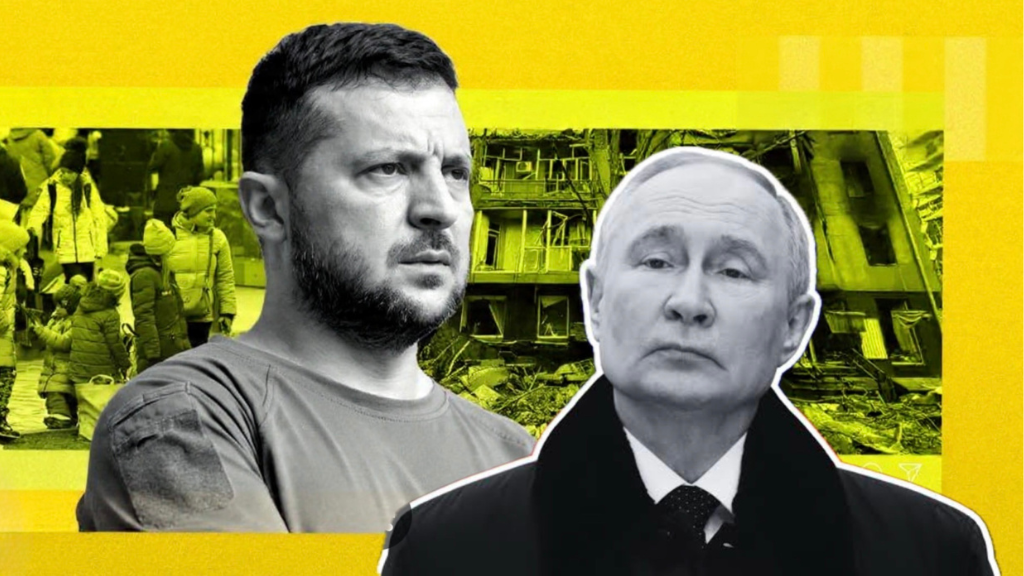
President Volodymyr Zelenskyy has framed the Paris talks as evidence that Ukraine will not be left to rely on promises alone. European leaders have echoed this line, stressing that peacekeeping forces and military assistance would only follow a ceasefire and would be designed to uphold, not undermine, stability. Yet these assurances have done little to ease Russian suspicions.
A Diplomatic Track Under Strain
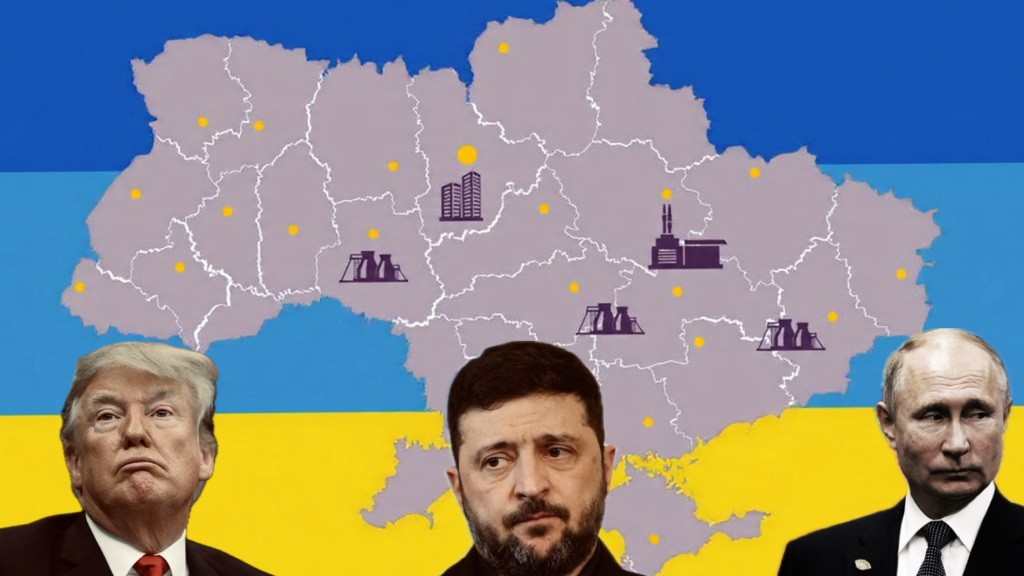
The standoff over security guarantees exposes the fragility of the current diplomatic effort. Although the Trump administration has described the 20-point plan as a flexible framework open to revision, Russia’s categorical rejection of its central elements suggests that meaningful compromise will be difficult.
With fighting continuing on the ground and both sides holding to maximalist positions on sovereignty, security, and territory, the peace process risks stagnation. The coming months will test whether the framework can be adjusted to address Russian concerns without hollowing out the guarantees Ukraine and its supporters see as essential.
For now, Moscow’s branding of the plan as an “axis of war” is more than rhetorical flourish. It signals a deep mistrust of Western intentions and highlights the central paradox of the conflict: measures one side views as necessary for peace are interpreted by the other as preparations for the next war. Until that contradiction is resolved, diplomacy is likely to remain trapped between ambition and reality.