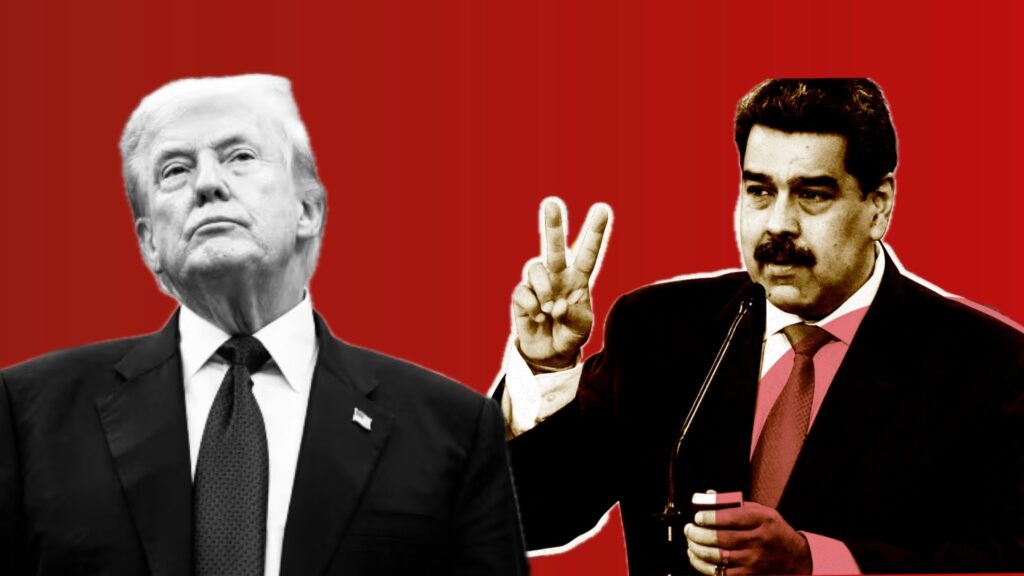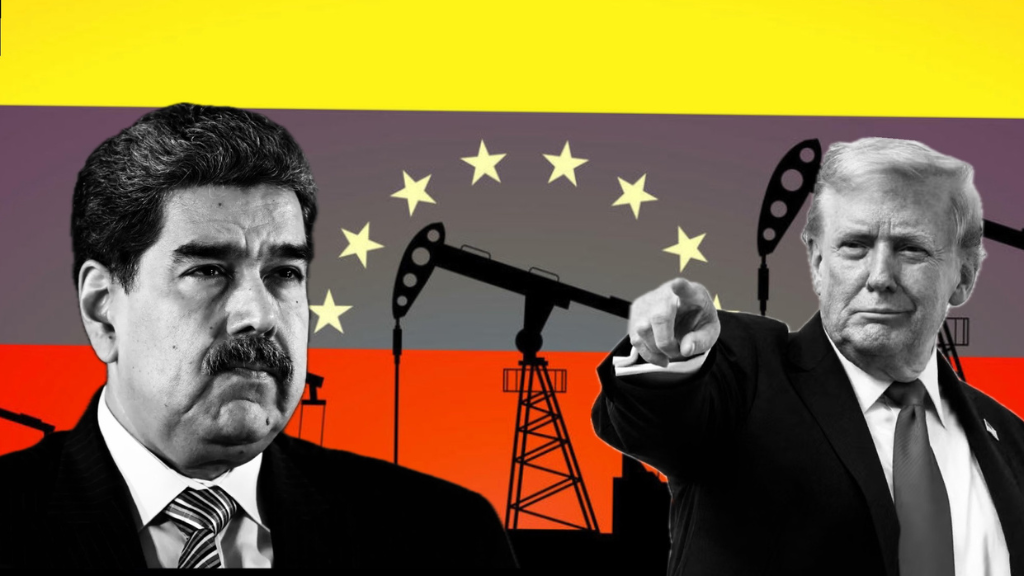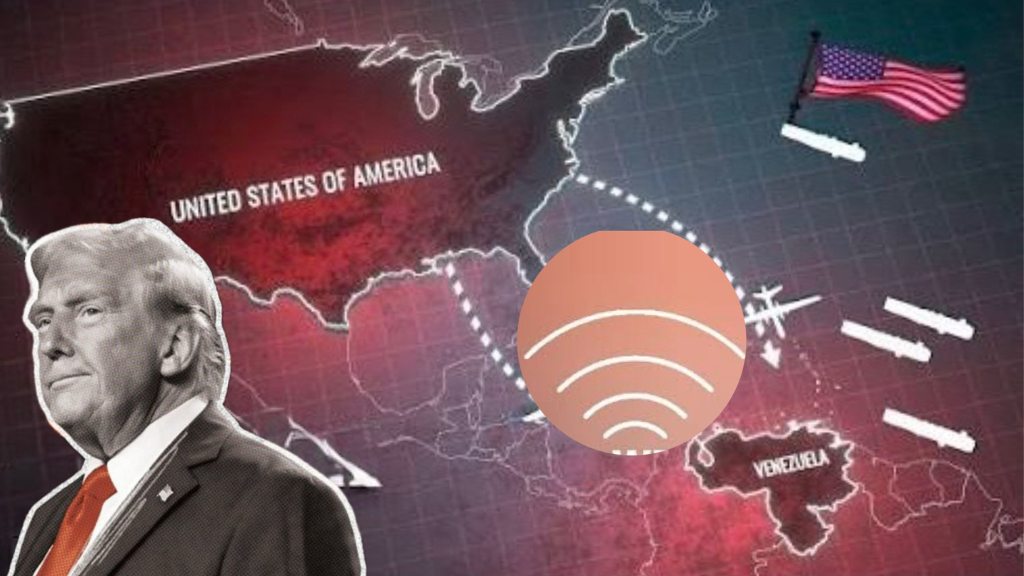
The sudden capture of Venezuelan President Nicolás Maduro by U.S. forces has done more than remove a long-standing adversary from power. It has jolted the international system into a state of unease. What once sounded like campaign bluster has now taken concrete form, and capitals across the world are asking an uncomfortable question: who is next?
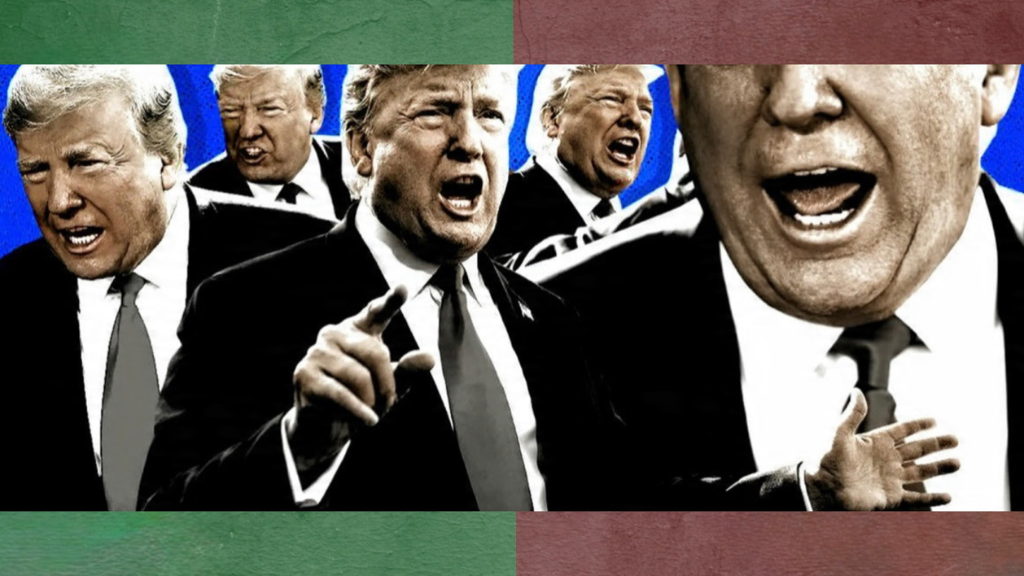
Within hours of Maduro being flown to New York to face narco-terrorism charges, President Donald Trump shifted from justification to warning. His language was blunt, public, and unmistakably coercive. What is unfolding appears less like an isolated operation and more like the opening move of a broader strategy, one that relies on force, threats, and unilateral action rather than diplomacy.
Colombia: From Ally to Accused
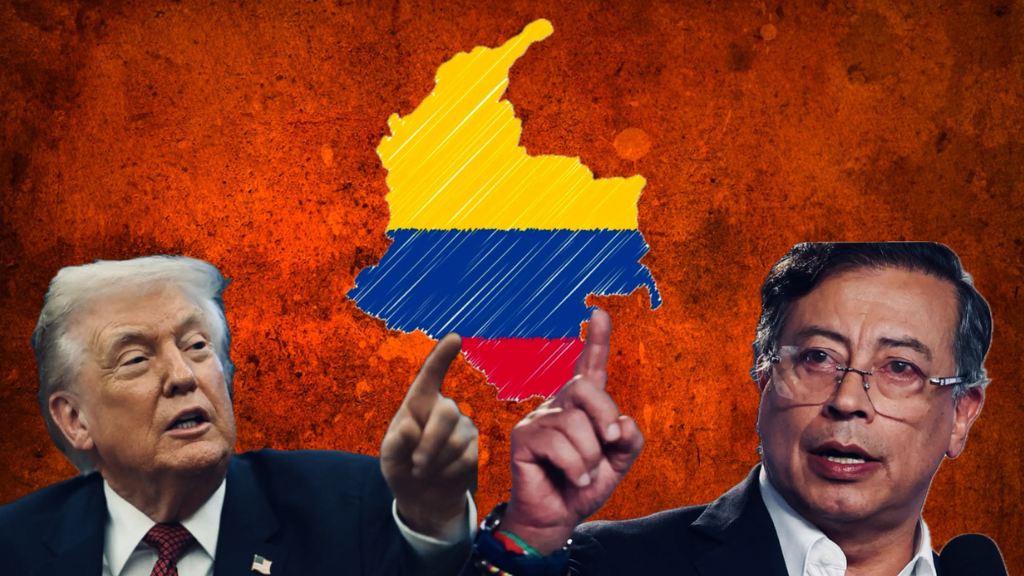
Colombia, long considered one of Washington’s closest partners in Latin America, found itself abruptly recast as a potential target. Trump accused Bogotá’s leadership of enabling the cocaine trade and described the country as being “run by a sick man.” When asked whether U.S. military action was on the table, his response “sounds good to me”was deliberately provocative.
For analysts, the significance lies not just in the accusation, but in the precedent. Colombia is not a sanctioned pariah state; it is a treaty partner. The suggestion that military action could be justified on counter-narcotics grounds signals a willingness to bypass sovereignty if Washington deems it expedient. If Colombia can be threatened, few in the region can feel secure.
Cuba Back in Washington’s Crosshairs
Cuba’s reappearance as a focal point of U.S. hostility marks a return to Cold War-era posturing, but with sharper edges. Trump publicly predicted the collapse of the Cuban government, while Secretary of State Marco Rubio warned that Havana was “in a lot of trouble,” citing its support for Maduro.
The messaging suggests more than rhetorical pressure. By linking Cuba directly to the Maduro operation, the administration is framing regime change as both achievable and legitimate. For a country already under decades of sanctions, the escalation raises fears of covert operations, intensified economic warfare, or worse.
Mexico and the Cartel Justification
Mexico occupies a particularly precarious position. Trump accused President Claudia Sheinbaum of allowing drug cartels to operate with impunity and warned that the situation could not continue. The implication that the U.S. might take matters into its own hands has alarmed policymakers on both sides of the border.
Using counter-narcotics enforcement as a rationale for unilateral action against a neighboring state would represent a dramatic rupture in North American relations. It would also blur the line between law enforcement and warfare, setting a precedent that could be applied far beyond Mexico.
Greenland and the Revival of Territorial Ambition
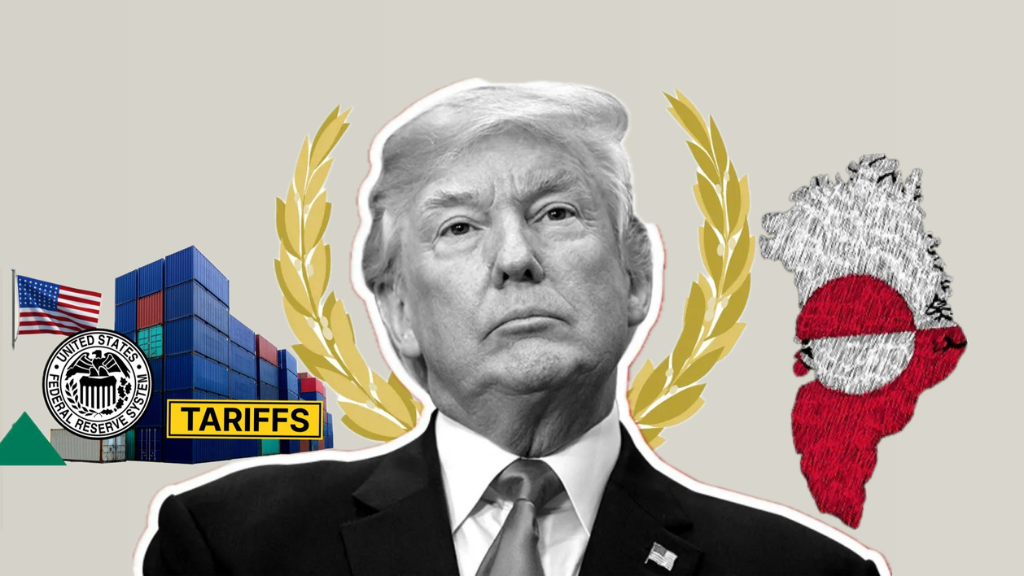
Beyond Latin America, Trump’s renewed fixation on Greenland has unsettled Europe. The issue resurfaced after Katie Miller, a prominent Trump-aligned figure, shared an image of Greenland painted in U.S. flag colors with the caption “soon.” The symbolism was unmistakable.
Denmark’s Prime Minister Mette Frederiksen demanded that Washington “stop the threats,” while Greenland’s Prime Minister Jens-Frederik Nielsen called the gesture disrespectful and reaffirmed that the territory was not for sale. France went further, warning that borders cannot be changed by force and that Greenland’s future is for its people to decide.
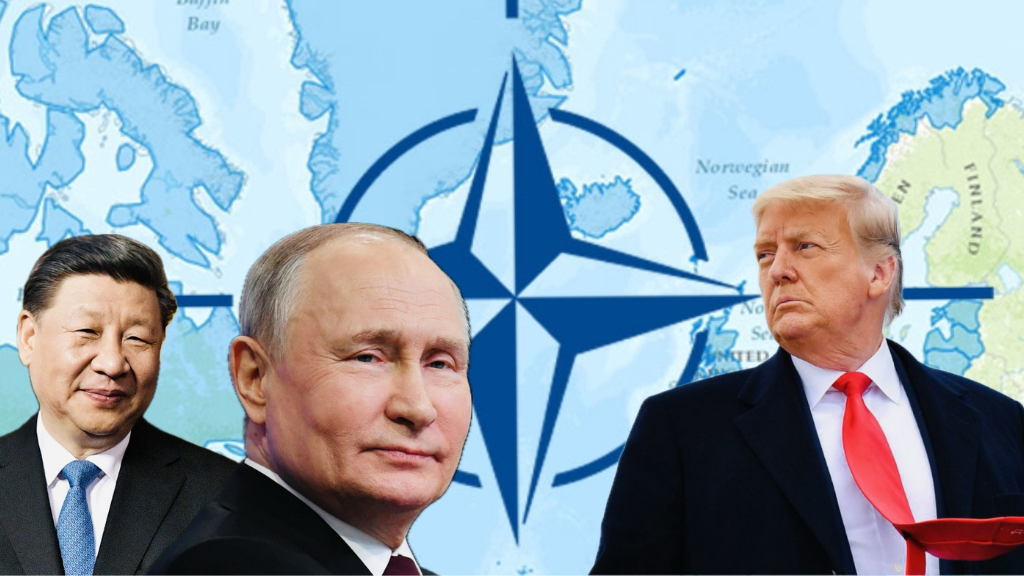
Trump’s response only deepened concerns. He reiterated that the U.S. “needs Greenland” for national security and questioned Denmark’s ability to secure it, despite Denmark’s NATO membership and existing defense agreements. The episode suggests a willingness to revive 19th-century notions of territorial acquisition under a 21st-century security pretext.
India and the Price of Defiance
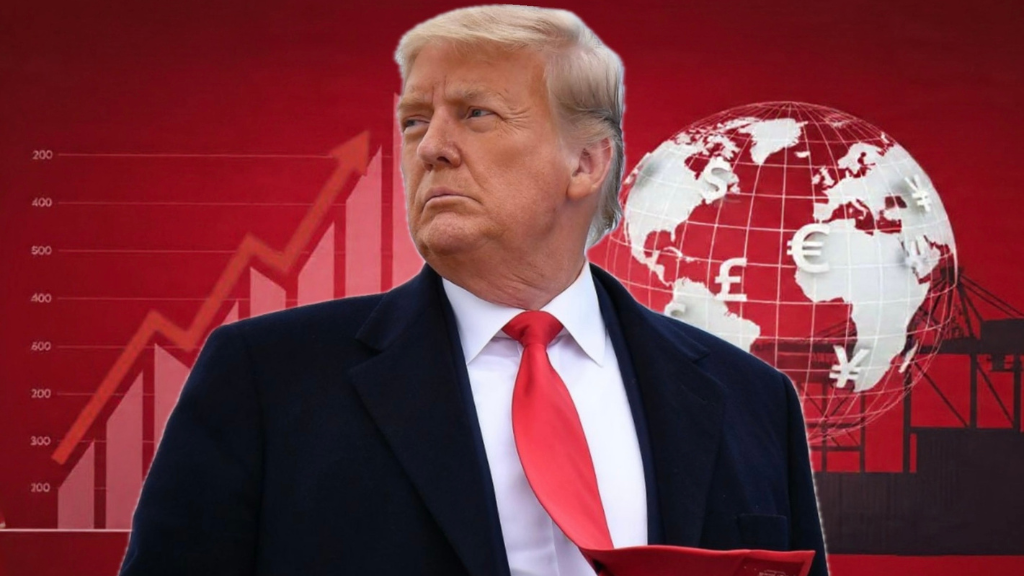
India has not been singled out in the same dramatic fashion, but it has not been spared pressure. Trump has threatened to raise tariffs on Indian exports if New Delhi continues to import Russian oil. The warning underscores an increasingly transactional approach to alliances: cooperation is expected, compliance is demanded, and deviation carries economic punishment.
For countries like India, the message is clear. Strategic autonomy comes at a cost, and even long-standing partnerships offer limited insulation from U.S. pressure under this administration.
A Doctrine Taking Shape
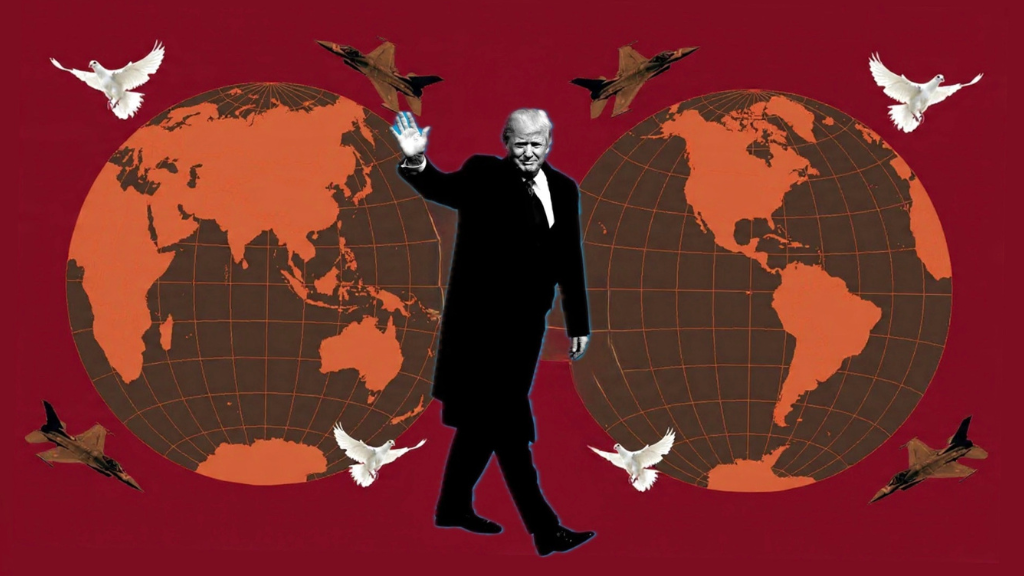
Taken together, these developments point to the emergence of a distinct Trump doctrine. It is defined by unilateralism, coercion, and a readiness to challenge international norms when they stand in the way of perceived U.S. interests. Regime change, territorial ambition, and economic threats are no longer hypothetical tools; they are being openly discussed and, in some cases, deployed.
From Caracas to Havana, from Bogotá to Copenhagen, governments are recalibrating their assumptions about Washington. The question is no longer whether the United States will use power to get its way, but where it will do so next and how far it is prepared to go. In a world already strained by conflict and fragmentation, that uncertainty may prove to be the most destabilising force of all.