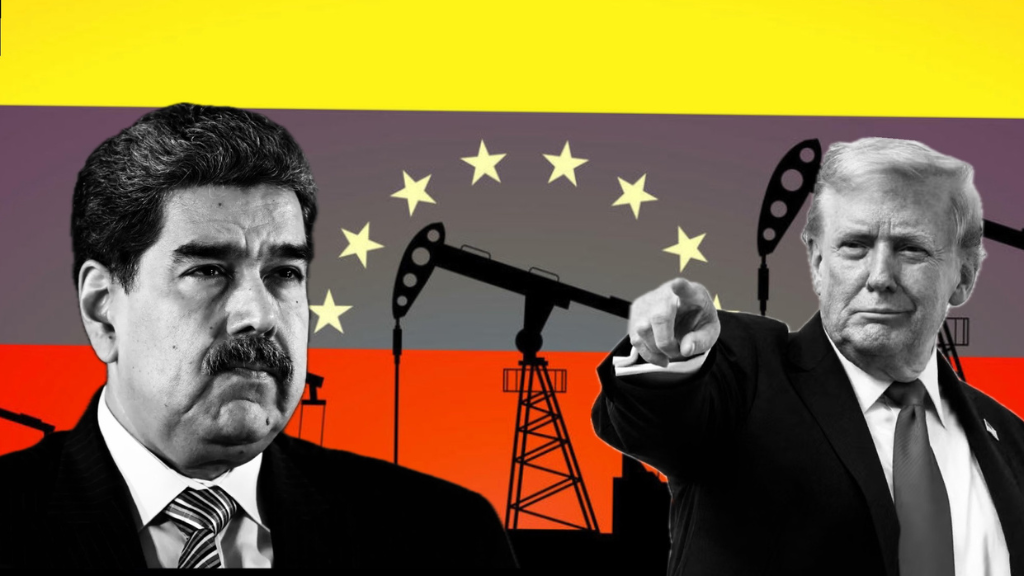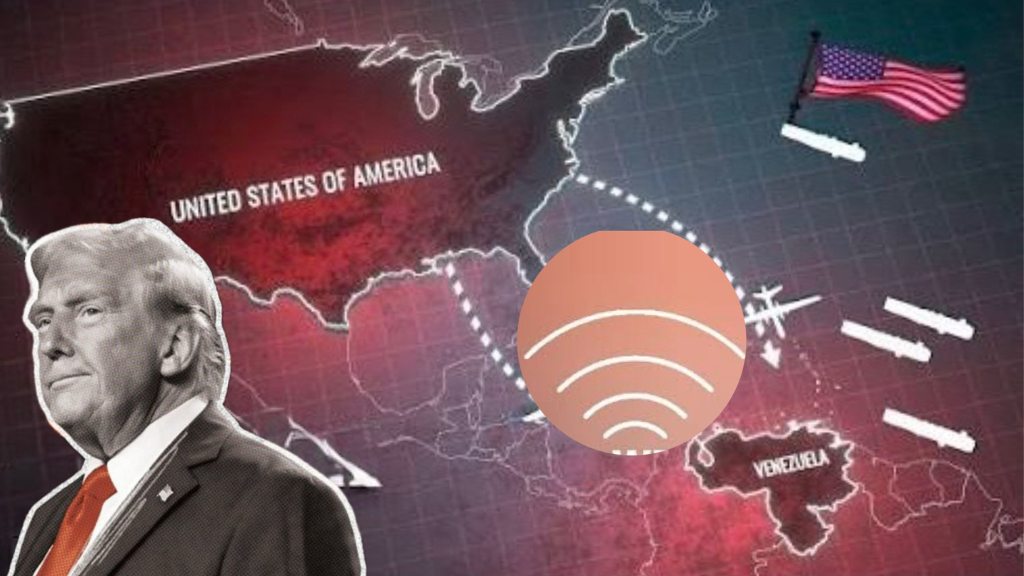
Washington’s claim that U.S. forces have captured Venezuelan President Nicolás Maduro has detonated far beyond Caracas. What might once have been framed as a regional intervention has rapidly morphed into a global flashpoint, drawing sharp reactions from China, Russia, and Iran and reopening long-standing debates about sovereignty, regime change, and the limits of American power.
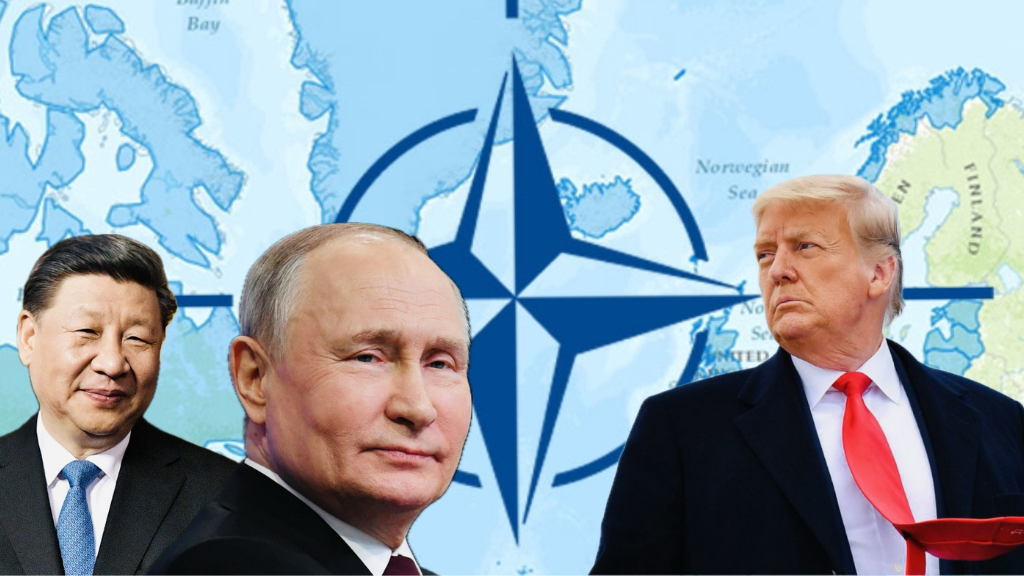
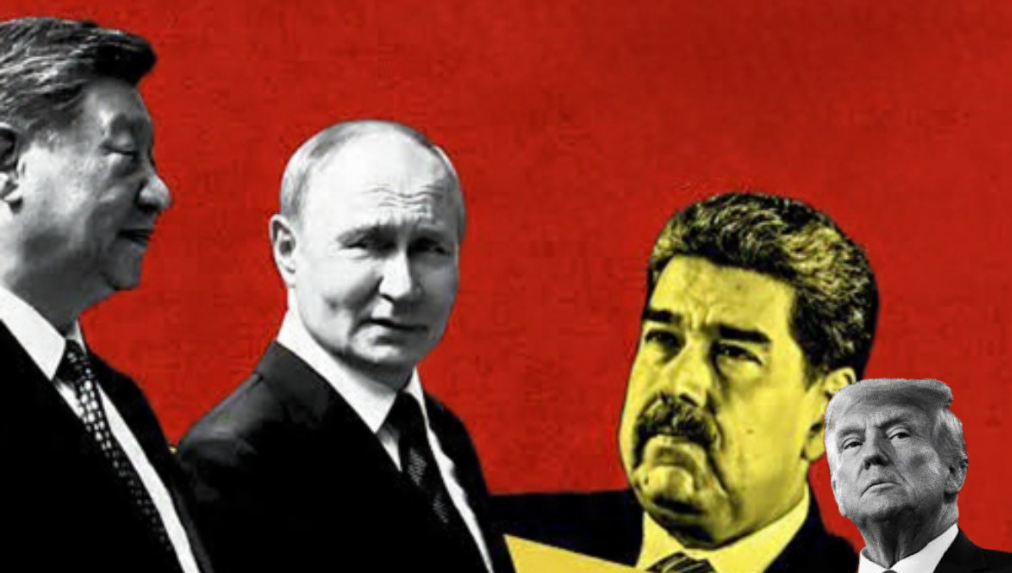
China’s response was unusually blunt. Beijing condemned the operation as a “blatant use of force” and a clear violation of international law, warning that such actions threaten stability across Latin America and the Caribbean. Russia echoed the charge, describing the episode as armed aggression masquerading as enforcement. Iran, too, accused Washington of pursuing illegal regime change. The convergence of these reactions matters. It signals not just diplomatic disapproval, but a growing readiness among U.S. rivals to contest American actions in arenas far from their immediate borders.
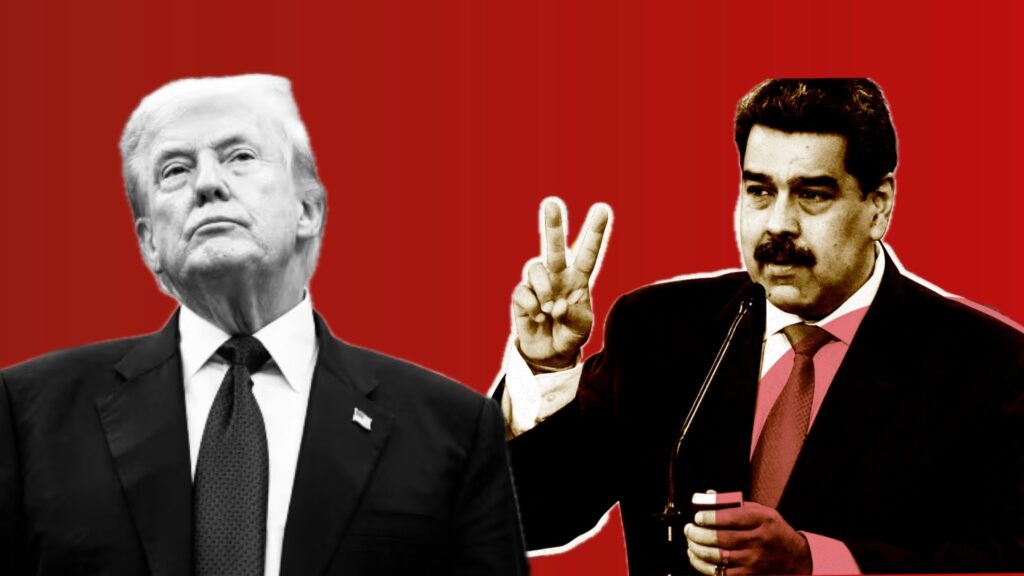
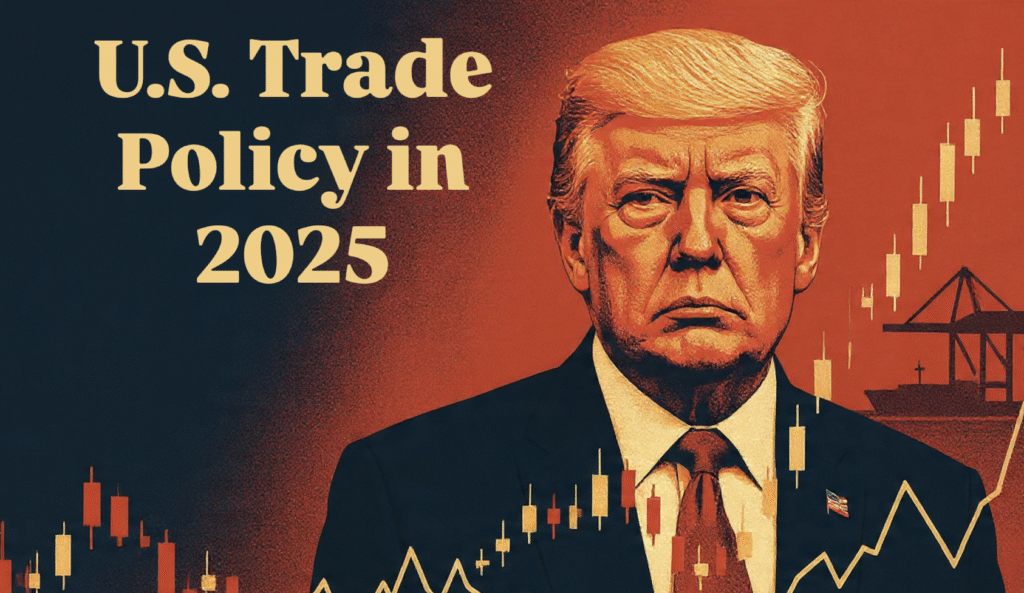
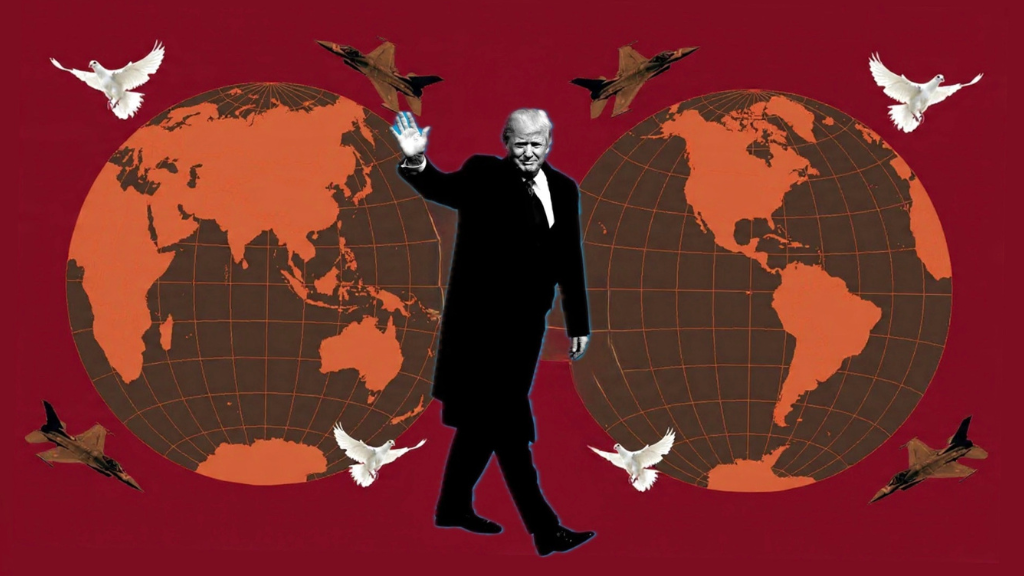
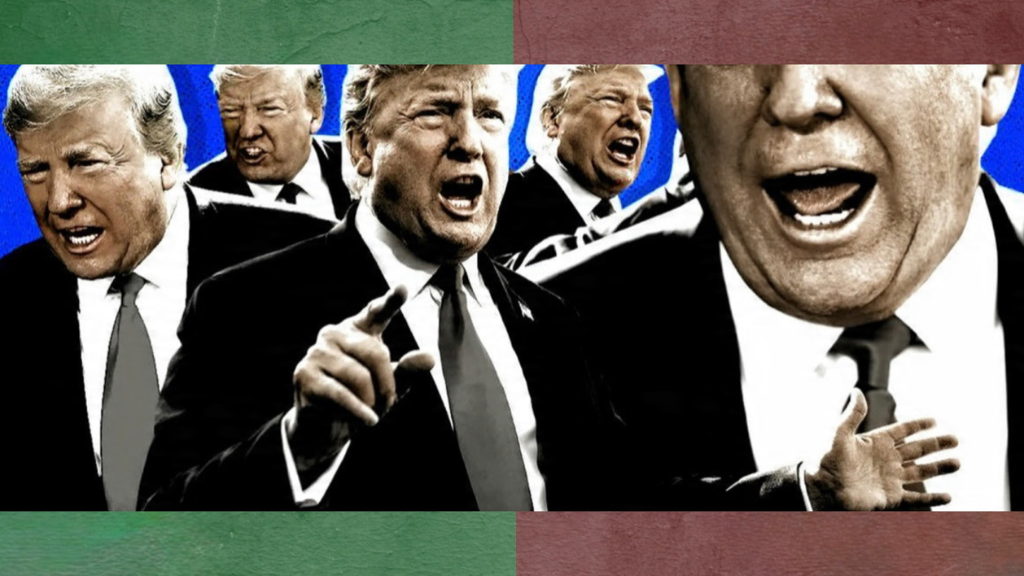
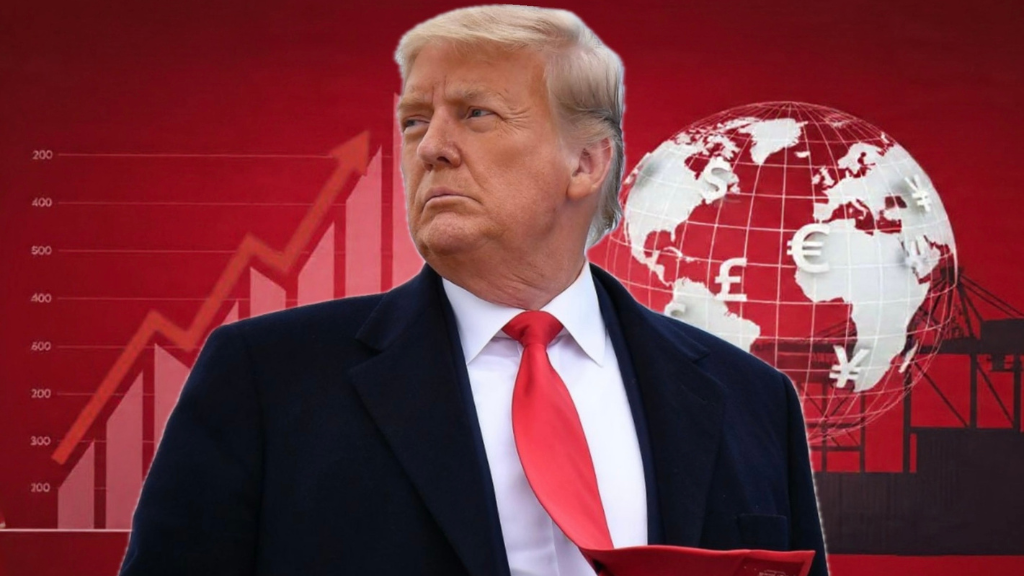
At the center of the storm is Donald Trump’s own framing. Through statements and visuals released in the aftermath of the operation, Trump has portrayed the alleged abduction as a decisive assertion of U.S. authority, part deterrence, part spectacle. That presentation may play well to a domestic audience that favors muscular foreign policy. Internationally, however, it has had the opposite effect: it has hardened opposition, narrowed diplomatic off-ramps, and raised the risk that the episode becomes a precedent others feel compelled to resist.
Why Venezuela Still Matters
Venezuela’s strategic value has long exceeded its economic collapse. The country sits atop some of the world’s largest proven oil reserves and occupies a critical position in the Caribbean basin. For years, U.S. policy toward Caracas has oscillated between sanctions, diplomatic isolation, and covert pressure, all justified as efforts to restore democracy. China and Russia, by contrast, have treated Venezuela as both a political partner and a strategic hedge, China through loans and energy investments, Russia through security cooperation and symbolic military support.
The alleged capture of a sitting head of state, if confirmed, would mark a sharp escalation from past tactics. Sanctions and recognition of opposition figures operate in legal grey zones; abducting or detaining a foreign president crosses into far more dangerous territory. That is the “red line” Beijing and Moscow are now invoking not merely in defense of Maduro, but in defense of a principle they see as essential to their own security: that powerful states cannot simply remove unfriendly leaders by force without consequences.
China’s Calculated Outrage
China’s condemnation should not be mistaken for impulsive rhetoric. Beijing has been steadily expanding its diplomatic and economic footprint in Latin America, positioning itself as an alternative partner to U.S. dominance. Stability is central to that strategy. From China’s perspective, a U.S.-led abduction destabilizes the region, threatens Chinese investments, and normalizes a practice that could one day be used against China’s own partners or even against China itself in a different context.
Yet China’s likely response will be calibrated. Direct military retaliation is improbable. More plausible are moves in international forums, coordinated diplomatic pressure, and increased economic and political backing for governments wary of U.S. interventionism. Beijing may also use the episode to strengthen narratives about American hypocrisy, particularly among Global South countries already skeptical of Western claims to uphold international law.
Russia’s Strategic Opportunity
For Russia, the crisis presents a different set of incentives. Moscow has consistently framed U.S. interventions as evidence of a rules-based order applied selectively. Condemning Washington over Venezuela allows Russia to reinforce that message while drawing attention away from its own actions elsewhere.
Retaliation, in Russia’s case, is less likely to take the form of overt moves in Latin America and more likely to appear in theaters where Moscow already has leverage. That could mean increased pressure in Ukraine-related negotiations, closer military coordination with U.S. adversaries, or symbolic deployments designed to remind Washington that escalation is a two-way street. The point would not be Venezuela itself, but signaling that American actions have costs across multiple fronts.
Iran and the Coalition Effect
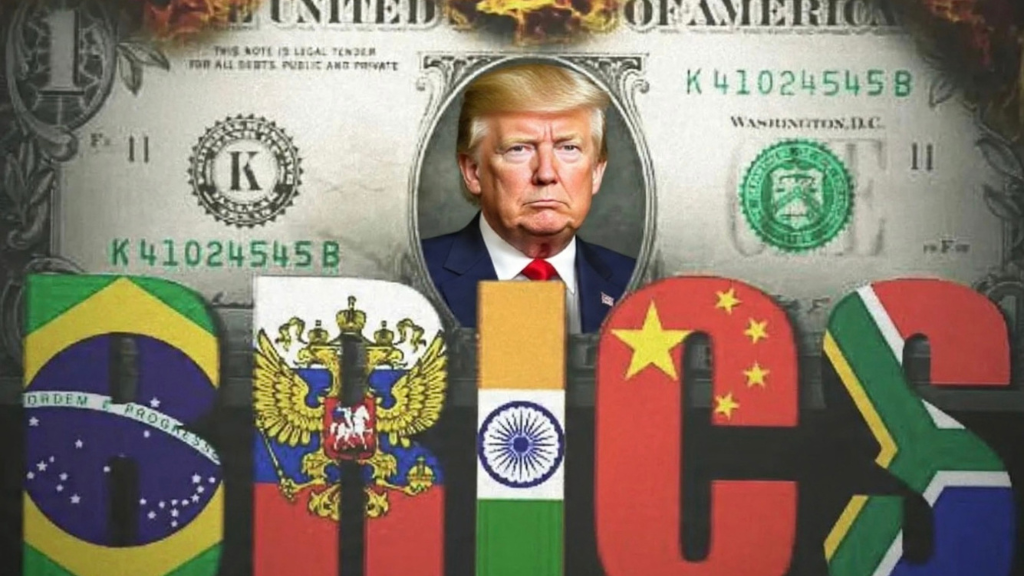
Iran’s denunciation adds another layer. Tehran has limited capacity to influence events in Venezuela directly, but it shares with China and Russia a broader interest in pushing back against U.S. coercive power. Together, these states form a loose coalition not an alliance in the traditional sense, but a convergence of interests around resisting unilateral American actions.
That convergence matters because it multiplies pressure. A regional crisis becomes global not when one power objects, but when several coordinate their objections and begin aligning their responses. Even without formal retaliation, synchronized diplomatic moves can isolate Washington, complicate alliance management, and embolden other states to test U.S. resolve.
Risks for the United States
From Washington’s perspective, the immediate tactical gain, if any, may be outweighed by strategic costs. The operation risks reinforcing perceptions that the U.S. is willing to bypass international law when it suits its interests. That perception undermines American credibility when it condemns similar actions by others.
There is also the danger of precedent. If abducting a foreign leader is normalized, the U.S. cannot easily object if rivals adopt analogous tactics. In a world already strained by proxy conflicts and great-power competition, lowering the threshold for such actions increases the risk of miscalculation.
Finally, the episode could accelerate the very realignment Washington has sought to prevent. China and Russia do not need to “retaliate” in dramatic fashion to benefit; simply standing together, amplifying criticism, and offering themselves as protectors of sovereignty may be enough to win influence across regions where U.S. authority is already contested.
A Turning Point or a Warning Shot?
Whether this moment becomes a turning point depends on what follows. If Washington doubles down celebrating the operation and dismissing international backlash the crisis is likely to deepen. If, however, the U.S. shifts toward de-escalation and legal justification, it may yet limit the fallout.
What is clear is that the alleged abduction of Nicolás Maduro has crossed psychological and political thresholds. It has unified disparate U.S. rivals around a shared grievance and transformed Venezuela from a long-running regional problem into a symbol of a larger struggle over power, rules, and restraint.
In that sense, the most significant consequence may not be what China or Russia do next, but what the episode reveals: a global order in which red lines are increasingly contested, and where the cost of crossing them is no longer borne in isolation.