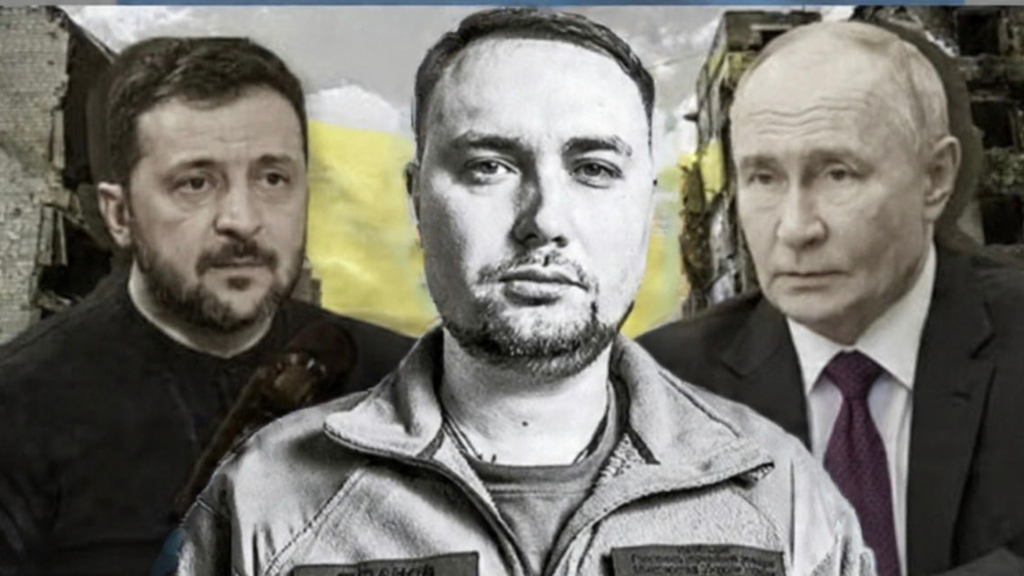
President Volodymyr Zelenskyy’s decision to appoint Gen. Kyrylo Budanov, the head of Ukraine’s military intelligence, as his new chief of staff marks a consequential shift in how Kyiv intends to manage the war and the diplomacy surrounding it at a critical juncture.
The move comes as the United States intensifies efforts to broker an end to Russia’s nearly four-year-long invasion, even as fighting on the ground and information warfare off it continue unabated.
Consolidating Security, Defence and Diplomacy
At one level, the appointment reflects Zelenskyy’s desire to consolidate security, defence planning and diplomacy under a single, trusted figure. In announcing Budanov’s elevation, the president said Ukraine must focus sharply on security issues, the development of its defence and security forces, and peace talks, areas that fall squarely under the purview of the presidential office.
Yet the choice of Budanov, rather than a career civilian administrator or political operator, signals something deeper: a belief that intelligence will be central not only to battlefield success, but to negotiations themselves.
Budanov’s Rise and Wartime Profile
Budanov, 39, is among the most recognisable faces of Ukraine’s wartime leadership. A career military intelligence officer, he has headed the Main Directorate of Intelligence (GUR) since 2020 and rose through the ranks in the aftermath of Russia’s illegal annexation of Crimea in 2014.
He took part in special operations linked to the conflict with Moscow-backed separatists in eastern Ukraine and was reportedly wounded during one such mission.
Since the full-scale invasion of February 2022, Budanov has become a prominent public figure, delivering interviews and briefings that blend strategic messaging with psychological pressure on Moscow.
Expanding the Intelligence War Beyond the Front Lines
Under his leadership, Ukrainian military intelligence expanded its operational footprint well beyond the front lines.
Officials in Kyiv have credited the GUR with coordinating intelligence, sabotage and special operations aimed at degrading Russian military capabilities, including strikes on command structures, logistics hubs, energy infrastructure and naval assets, sometimes deep inside Russian territory and in occupied areas.
Budanov has also been a consistent voice warning about Russia’s long-term intentions, framing the conflict as an existential struggle for Ukrainian statehood.
An Unusual Shift at the Heart of Power
Placing such a figure at the centre of presidential decision-making is unusual. Chiefs of staff are typically political managers, balancing bureaucratic coordination, coalition maintenance and diplomacy.
Budanov’s background suggests a different emphasis: tighter integration between intelligence assessments, military planning and negotiating positions.
For Zelenskyy, this may be an attempt to ensure that any diplomatic process is grounded in a hard-nosed reading of Russia’s capabilities and intentions, particularly as talks inch forward.
Domestic Politics and the Anti-Corruption Context
The timing of the reshuffle is telling. Zelenskyy dismissed his previous chief of staff, Andrii Yermak, after anti-corruption officials began investigating alleged graft in the energy sector.
By contrast, Budanov’s public image is that of a disciplined security professional, largely insulated from domestic political scandal.
His appointment may therefore also be intended to reinforce credibility at home and abroad at a moment when Ukraine’s leadership needs to project unity and seriousness.
Peace Talks Amid Escalation and Disinformation
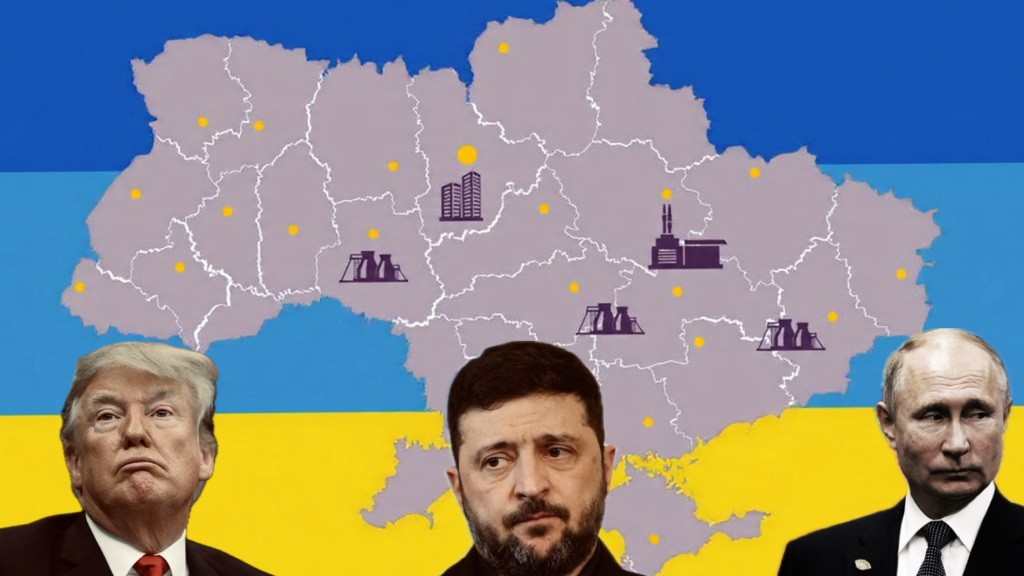
Internationally, the move comes against the backdrop of cautious optimism and persistent fragility in peace efforts. US President Donald Trump’s special envoy, Steve Witkoff, recently described a “productive call” involving senior US officials and the national security advisers of Britain, France, Germany and Ukraine to discuss next steps in the European peace process.
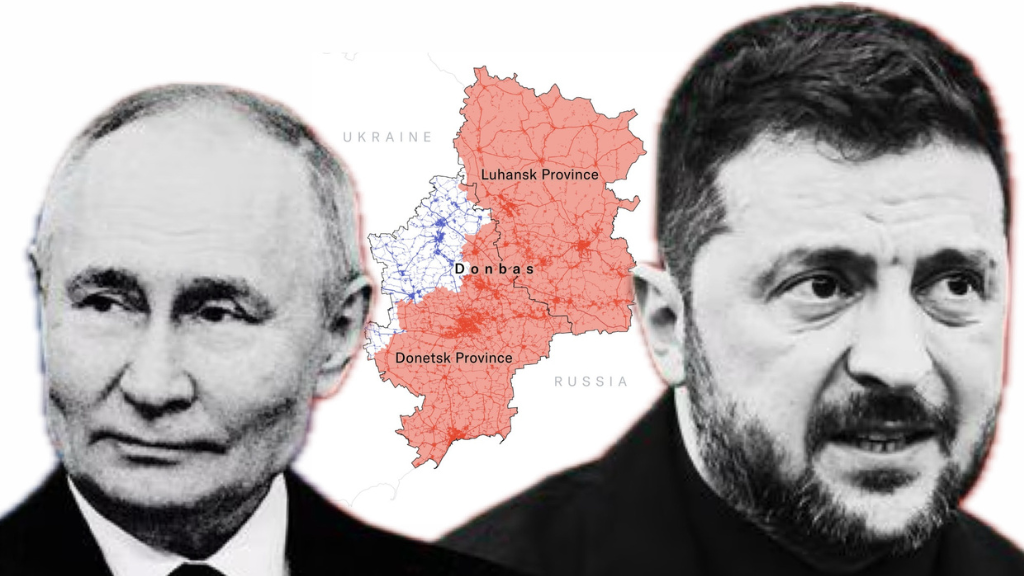
Zelenskyy himself has said a deal is “90 per cent ready,” while warning that the remaining issues widely believed to include territorial questions will determine “the fate of Ukraine and Europe.”
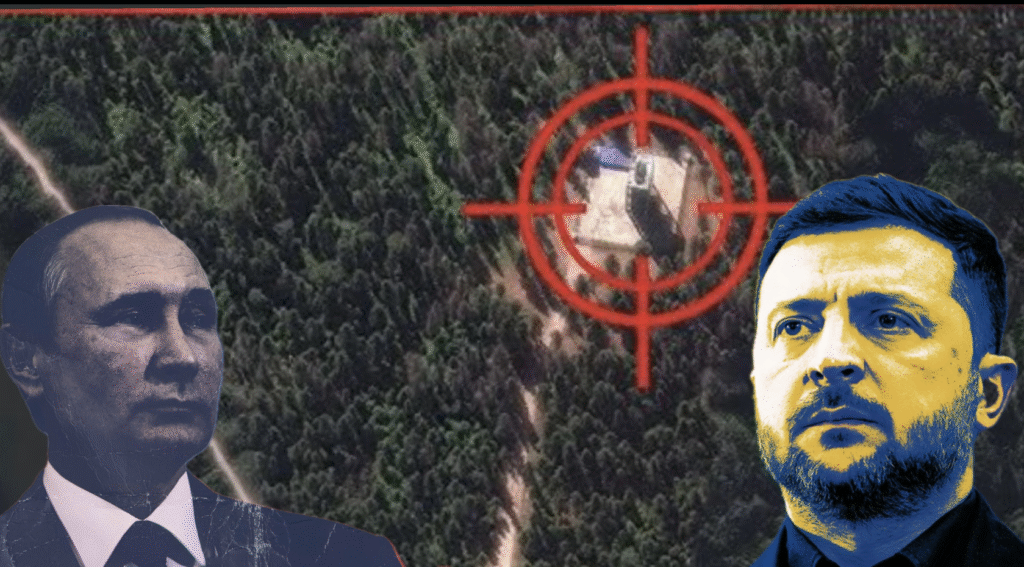
These efforts have been repeatedly tested by violence and competing narratives. Moscow has said it will harden its negotiating position after alleging a Ukrainian drone attack on a residence of President Vladimir Putin, a claim Kyiv denies and dismisses as a pretext to derail talks.
Russian authorities have also reported a rising death toll from what they described as a Ukrainian drone strike on a café and hotel in Russian-occupied Kherson claims Ukraine strongly rejects, arguing that such accusations are part of a broader disinformation campaign aimed at disrupting negotiations.
War Continues as Diplomacy Advances
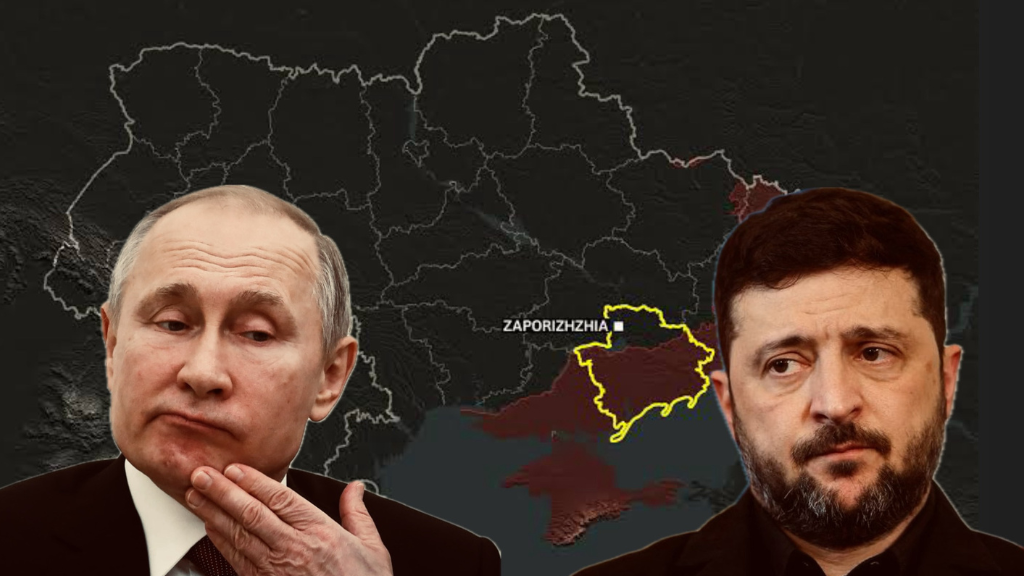
Meanwhile, the war itself shows little sign of pausing. Russia struck residential areas of Kharkiv with missiles, injuring civilians including an infant, while Zaporizhzhia was hit by what officials called one of the most massive drone attacks on the city.
Ukraine’s air force reported more than a hundred Russian drones launched overnight, even as Moscow claimed to have intercepted dozens of Ukrainian drones and reported a missile strike in Belgorod region.
Intelligence as Leverage in the Final Phase
Against this backdrop, Budanov’s appointment underscores a central paradox of the current moment: diplomacy is advancing even as violence escalates.
By elevating an intelligence chief to the role of chief of staff, Zelenskyy appears to be betting that sharper intelligence coordination can help Ukraine deter escalation, counter disinformation, and strengthen its hand at the negotiating table.
Whether this intelligence-driven approach will facilitate peace or harden positions remains uncertain. Budanov himself described his new role as “both an honour and a responsibility” at a historic moment for Ukraine.
As he hands over operational control of the GUR to Oleh Ivashchenko, the real test will be whether intelligence-led governance can translate battlefield insight into diplomatic leverage and help resolve the final, most contentious issues that will shape Ukraine’s future and Europe’s security order.