
Russia’s decision to deploy its intermediate-range ballistic missile system, Oreshnik, to Belarus is less about battlefield necessity and more about political timing. Announced just as U.S.-led efforts to revive Ukraine peace talks enter a sensitive phase, the move underscores how Moscow continues to blend diplomacy with coercive signalling.
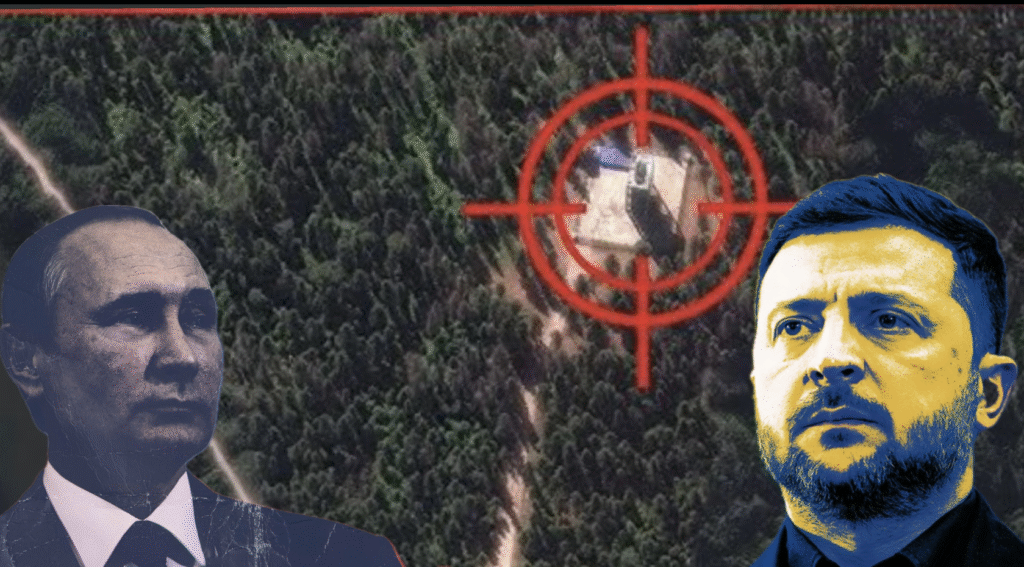
On Tuesday, Russia’s Defence Ministry released the first official images of the nuclear-capable system entering active service. The footage showed mobile launch vehicles manoeuvring through forested terrain during combat training exercises. Analysts quickly identified a former airfield near Russia’s western border as a likely deployment site, reinforcing concerns about the system’s proximity to NATO territory.
Belarusian President Aliaksandr Lukashenka had already confirmed the arrival of the missiles on December 18, stating that up to ten Oreshnik systems would eventually be stationed in the country. President Vladimir Putin followed with his own statement, saying the missile would formally enter combat duty before the end of the year—though this contradicted earlier remarks by Russia’s Chief of the General Staff, who suggested a brigade had already been equipped in 2025. The conflicting timelines reflect a broader pattern of ambiguity that has long characterised Russian strategic messaging.
Why Belarus Matters
Belarus is not merely a convenient staging ground. Since 2022, its territory has served as a logistical and operational extension of Russia’s war effort against Ukraine. By placing intermediate-range missiles there, Moscow significantly compresses warning times for European capitals and NATO infrastructure.
Belarusian defence officials claim Oreshnik has a range of up to 5,000 kilometres, a figure that if accurate would place much of Europe within reach. Russian state media has gone further, asserting that the missile could reach targets in Poland within minutes and NATO headquarters in Brussels shortly thereafter. These claims remain unverified, but they are consistent with a broader Russian effort to emphasise speed, reach, and inevitability rather than precision.
The symbolism is difficult to miss. Intermediate-range missiles were banned for decades under the now-defunct Intermediate-Range Nuclear Forces (INF) Treaty, which collapsed in 2019 after years of mutual accusations by Washington and Moscow. Oreshnik’s deployment represents not just a military development, but a reminder of the post-INF landscape—one with fewer constraints and higher risks.
What Is Oreshnik?
Oreshnik, meaning “hazelnut tree” in Russian, is widely believed to be a derivative of the RS-26 Rubezh missile, itself a shortened offshoot of Russia’s intercontinental ballistic missile programmes. Western defence analysts argue that Oreshnik likely repurposes older technology by removing a booster stage, reducing range while retaining much of the original platform’s speed and payload capacity.
The missile is estimated to be between 15 and 18.5 metres long and is mounted on a mobile transporter-launcher, allowing it to be concealed and rapidly redeployed. This mobility complicates detection and contributes to its value as a strategic signalling tool rather than a frontline weapon.
Putin has claimed that Oreshnik’s warheads are effectively “uninterceptable” and that even conventional strikes using multiple warheads could approach the destructive effect of nuclear weapons. Western experts remain sceptical, describing the system as an evolution of existing designs rather than a revolutionary breakthrough. As one U.S. analyst put it, the missile appears to be “old wine in a new bottle.”
Testing the Weapon and the West
Russia first used Oreshnik in combat in November 2024, striking the Pivdenmash industrial facility in Dnipro, eastern Ukraine. Ukrainian officials said the missile carried dummy warheads, and satellite imagery later showed limited structural damage. U.S. experts characterised the strike as an expensive demonstration with minimal military payoff.
Yet the test was not meaningless. Even inert warheads, when delivered at hypersonic speeds, generate significant kinetic energy. More importantly, analysts noted that the missile’s accuracy would likely be sufficient for a nuclear payload, even if it proved inefficient for conventional use.
Putin later described the strike as a “successful test” and confirmed that Washington had been warned in advance—a reminder that the message was directed as much at Western capitals as at Kyiv.
Diplomacy Under Pressure
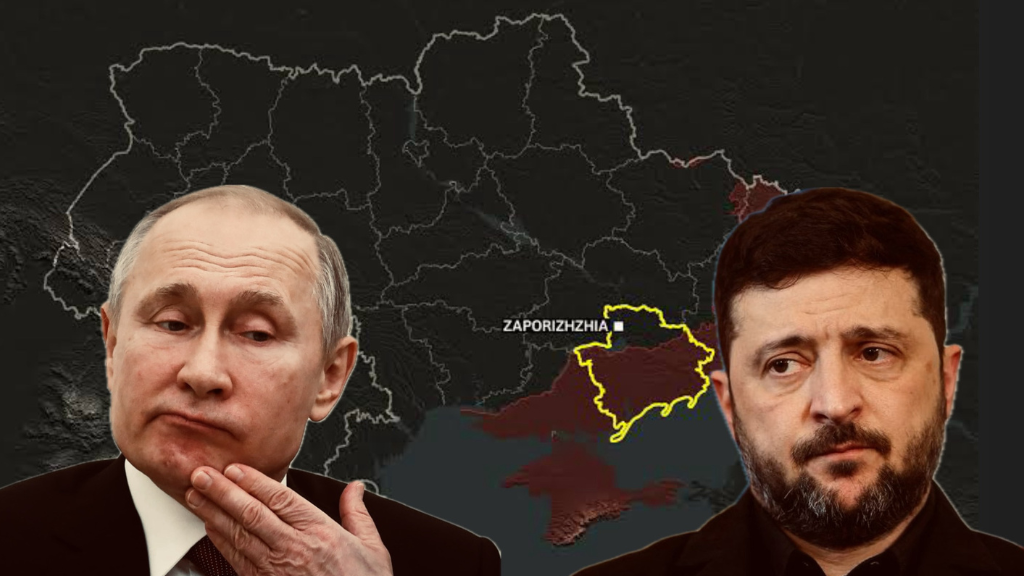
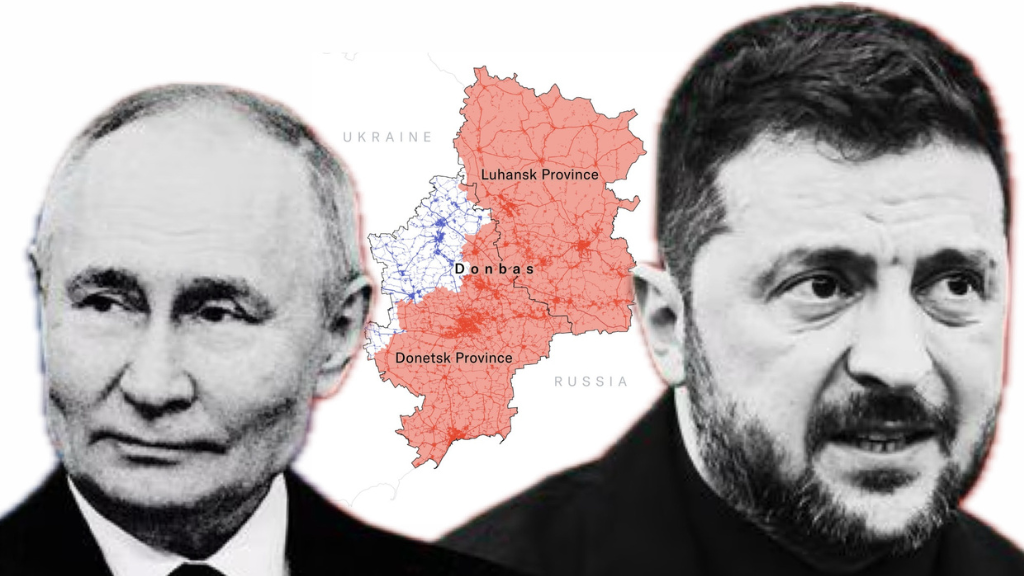
The deployment to Belarus comes as diplomatic manoeuvring intensifies. U.S. President Donald Trump recently hosted Ukrainian President Volodymyr Zelenskyy in Florida, claiming that Russia and Ukraine were closer than ever to a peace settlement. Public optimism, however, masks deep disagreements over territorial control, the future of eastern Ukraine, and the status of the Russian-occupied Zaporizhzhia nuclear power plant.
By moving Oreshnik into Belarus at this juncture, Moscow appears intent on negotiating from a position of strength. The message is not subtle: Russia is willing to escalate horizontally, expanding the geographic scope of its deterrence posture even as talks continue.
More Signal Than Shift
Whether Oreshnik ultimately proves decisive is beside the point. Its deployment is less about changing the balance of forces than about shaping perceptions of resolve, reach, and risk tolerance. For European security planners, the move reinforces a familiar reality: even during periods of diplomatic engagement, Russia continues to treat military pressure as an integral part of negotiation.
In that sense, Oreshnik is not just a missile. It is a reminder that in the current phase of the war, gestures of peace and preparations for confrontation are advancing side by side.